

Top 5 Active Cricketers With The Most International Centuries
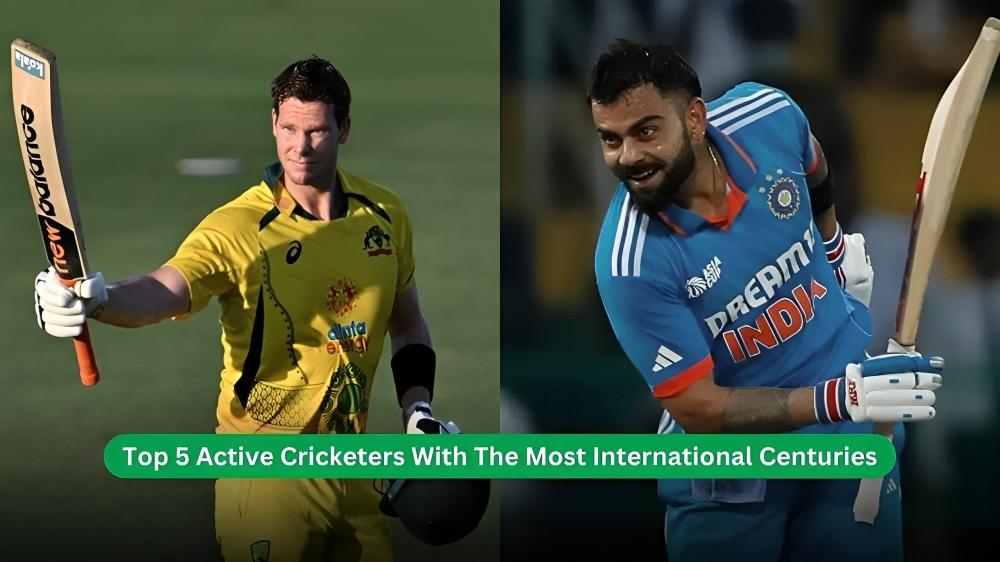
The top 5 active cricketers with the most international centuries are renowned for their consistency and skill across formats. These players have consistently scored runs, with impressive centuries in Tests, ODIs, and T20Is, becoming key figures in their teams and solidifying their places in the history of the game. 5. Steve Smith (Australia) – 44 Centuries Steve Smith has transformed his distinctive batting style into a successful career, amassing 44 international centuries—32 in Tests and 12 in ODIs—across just 392 innings. Since his debut in 2010, Smith has been a key player for Australia, consistently delivering crucial runs when his team needs them the most. 4. Kane Williamson (New Zealand) – 45 Centuries Kane Williamson is renowned for his calm and steady approach to batting. With 45 international centuries—32 in Tests and 13 in ODIs—across 423 innings, he has established himself as a reliable player for New Zealand. His solid technique and ability to perform under pressure make him invaluable, especially in challenging situations. 3. Rohit Sharma (India) – 48 Centuries Rohit Sharma, famously known as the “Hitman,” is a game-changer in modern cricket. With 48 international centuries—12 in Tests, 31 in ODIs, and 5 in T20Is—across 509 innings, Rohit’s powerful hitting and ability to score big have established him as one of the most dangerous batsmen in the game. 2. Joe Root (England) – 49 Centuries Joe Root is the epitome of skill and consistency, having scored 49 international centuries—33 in Tests and 16 in ODIs—across 454 innings. His fluid batting technique and ability to accumulate runs under pressure make him a crucial player for England, often rising to the occasion when his team faces tough challenges. 1.Virat Kohli (India) – 80 Centuries Virat Kohli, a modern cricket legend, has an incredible record of 80 international centuries—29 in Tests, 50 in ODIs, and 1 in T20Is—across 591 innings. Known for his aggressive play and remarkable ability to chase targets, Kohli has been a key figure in India’s batting lineup since 2008. His passion and drive have cemented his place as one of the greatest batsmen in cricket history. Welcome to E2Bet! Get ready for fun and exciting gaming adventures!
IND vs ENG: Why Rinku Singh and Nitish Kumar Reddy are not playing in 2nd T20I
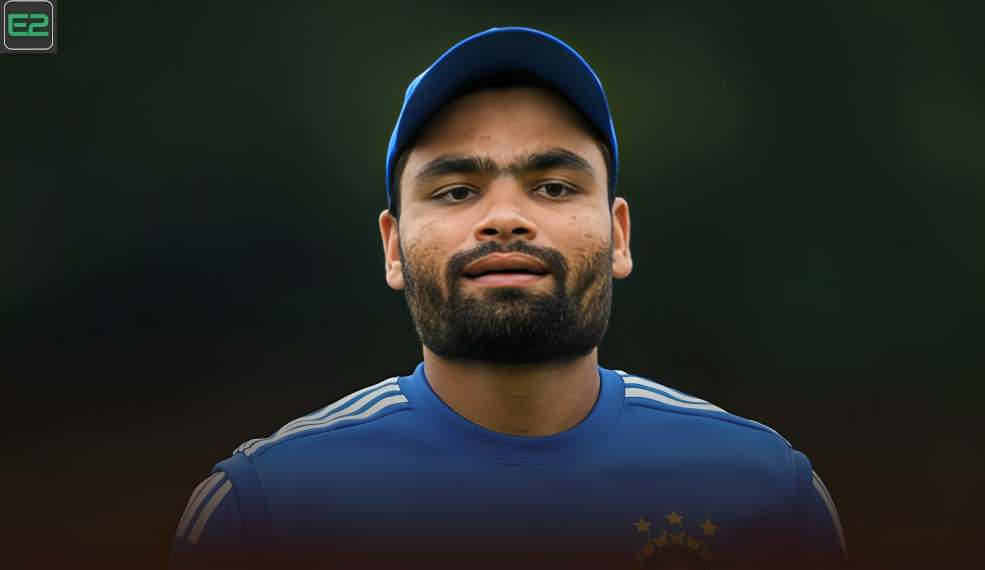
In the second T20I of England’s tour of India, held in Chennai, Indian captain Suryakumar Yadav won the toss and opted to field first. The hosts had a comfortable seven-wicket victory in the opening game, thanks to a stellar bowling performance that restricted England to just 132 runs in their innings. Rinku Singh did not have the opportunity to bat in the first IND vs ENG T20I match in Kolkata. India faced a couple of changes for the Chennai match with the exclusion of Rinku Singh and Nitish Kumar Reddy from the playing XI. The pair were replaced by Washington Sundar and Dhruv Jurel in the starting lineup. Why are Rinku Singh and Nitish Kumar Reddy not playing in 2nd T20I in Chennai? Rinku Singh has been ruled out of the second and third T20Is of the five-match series due to a low back spasm, which he sustained while fielding in the first T20I. Nitish Kumar Reddy, meanwhile, has been ruled out for the remainder of the series due to a side strain. Reddy has been replaced by Mumbai all-rounder Shivam Dube, while Rinku’s spot has been taken by Ramandeep Singh. Neither Rinku nor Nitish had the opportunity to bat in the first T20I, as India comfortably chased down the modest target of 133 runs with seven wickets in hand. Abhishek Sharma led the charge, top-scoring with a brilliant 79-run knock to secure an easy victory for the hosts. Nitish, who impressed during the Border-Gavaskar Trophy (BGT) 2024-25, made his T20I debut against Bangladesh last year. Rinku Singh, on the other hand, has been a regular fixture in the Indian T20I squad following his outstanding performances in the Indian Premier League (IPL) 2023. Playing XI of both teams for second T20I: India: Sanju Samson (wk), Abhishek Sharma, Suryakumar Yadav (c), Tilak Varma, Hardik Pandya, Dhruv Jurel, Washington Sundar, Axar Patel, Ravi Bishnoi, Arshdeep Singh and Varun Chakravarthy. England: Phil Salt (wk), Ben Duckett, Jos Buttler (c), Harry Brook, Liam Livingstone, Jamie Smith, Jamie Overton, Brydon Carse, Jofra Archer, Adil Rashid and Mark Wood. Welcome to E2Bet! Get ready for a fun-filled gaming experience!
IPL 2025: Who Inspired The IPL Logo?
The Indian Premier League (IPL) is not just a cricket tournament; it’s a global phenomenon. Since its inception in 2008, the IPL has captured the imagination of millions, blending cricket with entertainment, glamour, and business. Among the many elements that contribute to its identity, the IPL logo stands out as an iconic symbol of the league’s brand. But who or what inspired the IPL logo, and how was it designed to encapsulate the spirit of this revolutionary tournament? Let’s dive deep into the story behind the IPL logo. The Evolution Of The IPL Logo The IPL logo, with its dynamic depiction of a batsman in action, represents the essence of the game: energy, skill, and entertainment. Its design reflects not only the competitive spirit of the league but also its innovative and inclusive approach to cricket. To understand the inspiration behind the IPL, let’s explore its elements: Logo Element Description Symbolism Batsman Silhouette A player in mid-swing with a bat raised high. The excitement and dynamism of cricket. Curved Strokes Flowing lines that form the base of the design. Energy, motion, and fluidity. Blue and Gold Colors Blue for trust and stability; gold for prestige and glamour. Represents the league’s values and stature. Typography Bold, modern font for “IPL.” Professionalism and modernity. Inspiration Behind The Logo The logo is believed to have drawn inspiration from multiple sources, combining elements of: 1. Cricket Itself The primary inspiration for the IPL logo comes from the game of cricket. The silhouette of a batsman symbolizes the central role of players in the league. The batsman’s pose, mid-swing, highlights the action-packed nature of the tournament, where every shot and delivery matters. 2. The Global Sports Landscape The IPL took cues from other global sports leagues like the NBA (National Basketball Association) and the EPL (English Premier League). These leagues have distinct logos that embody their brand values, and the IPL’s creators aimed to achieve a similar level of recognition. The dynamic design of the batsman is reminiscent of the iconic NBA logo’s player silhouette. 3. Indian Culture and Festivity India’s vibrant culture and love for cricket play a significant role in the logo’s design. The curved strokes evoke a sense of celebration and movement, much like the festive atmosphere that surrounds IPL matches. 4. Innovation and Entertainment The IPL’s identity as a fusion of cricket and entertainment is reflected in this. The modern typography and energetic design represent the league’s innovative approach and its appeal to younger audiences. The Process Behind The Design The Indian Premier League logo was designed under the guidance of the Board of Control for Cricket in India (BCCI) and a team of branding experts. The process involved: Understanding the Brand Identity: The designers first analyzed what the Indian Premier League represented: a mix of cricket, entertainment, and business. They aimed to create a logo that resonated with fans and stakeholders alike. Sketching Initial Concepts: Early drafts of the logo included various depictions of cricketing actions, such as batting, bowling, and fielding. The batsman silhouette was ultimately chosen for its universal appeal and connection to cricket fans. Finalizing the Design: After multiple iterations, the design was finalized with input from the BCCI and IPL stakeholders. The chosen color scheme, fonts, and overall layout were carefully curated to align with the league’s vision. How The Indian Premier League Logo Compares To Other Cricket League Logos To understand the uniqueness of the IPL logo, let’s compare it with the logos of other popular cricket leagues: League Logo Description Key Features IPL Batsman silhouette, blue and gold colors, bold font. Dynamic, celebratory, cricket-focused. Big Bash League (BBL) Shield-shaped logo with bold letters “BBL.” Simplistic, modern, shield symbolizes strength. Pakistan Super League (PSL) Green color palette with a cricketer in action. Emphasizes national identity and cricketing spirit. Caribbean Premier League (CPL) Multicolored design with a carnival vibe. Represents the festive culture of the Caribbean. The Indian Premier League logo stands out due to its combination of elegance and energy, striking a balance between professionalism and excitement. The Role Of The IPL Logo In Brand Building The Indian Premier League logo has been instrumental in establishing the league’s brand identity. Its impact can be seen in: Global Recognition The logo is instantly recognizable, even among casual cricket fans. It has become a symbol of the IPL’s global appeal and stature. Merchandising The IPL logo is prominently featured on merchandise like jerseys, caps, and accessories, contributing significantly to the league’s revenue. Fan Engagement The logo’s dynamic design resonates with fans, making it a popular feature in social media campaigns, advertisements, and promotional events. Fun Facts About The IPL Logo Hidden Symbolism: The curved strokes below the batsman can also be interpreted as a cricket ball’s trajectory, adding depth to the design. Initial Reception: When the logo was unveiled in 2008, it received widespread praise for its modern and energetic look. Logo Evolution: While the core design has remained the same, minor tweaks have been made over the years to keep it fresh and relevant. The Future Of The Indian Premier League Logo As the Indian Premier League continues to grow, the logo is likely to evolve to reflect the league’s changing dynamics. However, the core elements that make it iconic—the batsman, the energy, and the celebration of cricket—will remain integral to its design. The Indian Premier League logo is much more than a design; it’s a symbol of cricketing excellence, entertainment, and global appeal. Inspired by cricket, global sports branding, and India’s cultural vibrancy, the logo captures the essence of the IPL perfectly. As the league scales new heights, the logo will continue to be a beacon of its identity, cherished by fans worldwide. E2BET: Welcome! Discover Endless Betting Possibilities!
Virat Kohli’s Nickname
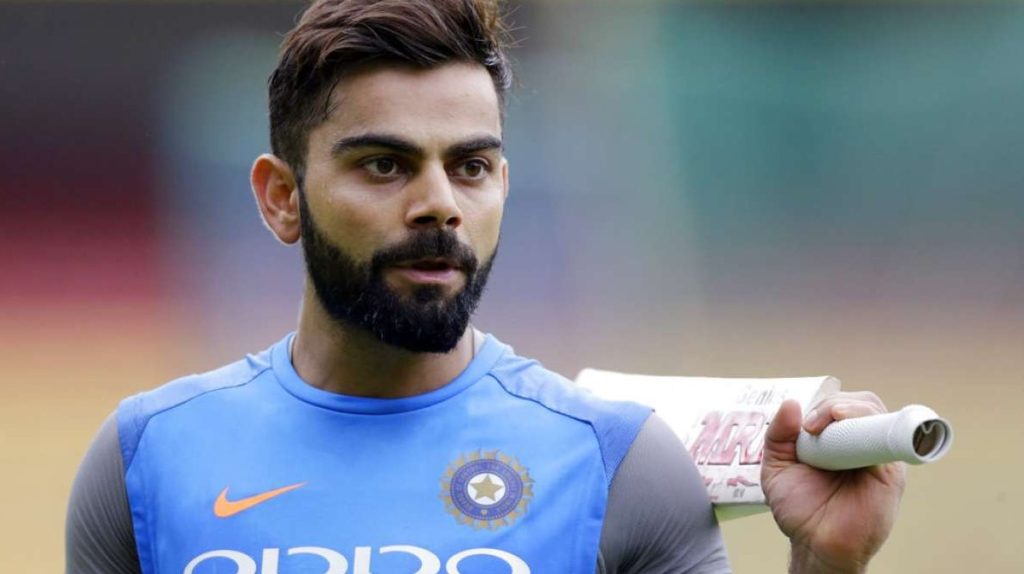
Virat Kohli: Nicknames often carry a deeper meaning, reflecting the personality, achievements, or quirks of an individual. For Virat Kohli, the nickname “King Kohli” epitomizes his reign over the cricketing world and his larger-than-life persona. This article delves into the origins, significance, and impact of this iconic nickname. The Origin of “King Kohli” The moniker “King Kohli” emerged as fans and cricket pundits sought a term to encapsulate his dominance on the cricket field. His consistent performances, leadership qualities, and magnetic personality made the nickname a natural fit. Over time, “King Kohli” has become synonymous with excellence, inspiring countless fans worldwide. Why “King Kohli” Fits Perfectly 1. Cricketing Dominance Virat Kohli’s statistics speak for themselves. His ability to chase down targets, notch up centuries, and lead from the front has earned him the title of “King.” Whether it’s Test cricket, ODIs, or T20s, Kohli has set benchmarks that few can match. 2. Leadership Prowess As the captain of the Indian cricket team, Kohli transformed the side into a winning machine. His aggressive yet calculated approach brought out the best in his teammates, further solidifying his status as a kingly figure in cricket. 3. Global Appeal Kohli’s charisma transcends cricket. From brand endorsements to social media influence, he has carved a niche as a global icon. His nickname reflects not just his cricketing achievements but also his universal appeal. Nicknames in Comparison While “King Kohli” is iconic, other cricketers have had memorable nicknames as well. Here’s a comparison: Cricketer Nickname Significance Virat Kohli King Kohli Reflects dominance, leadership, and global appeal Sachin Tendulkar Little Master Highlights his stature despite his physical frame MS Dhoni Captain Cool Emphasizes his calm demeanor under pressure Chris Gayle Universe Boss Represents his flamboyant and powerful playing style Shane Warne The King of Spin Showcases his mastery over spin bowling Kohli’s Nickname Evolution Before “King Kohli” became widely popular, Virat Kohli was also known as: Nickname Context Cheeku A childhood nickname given by his Delhi coach Run Machine Reflecting his consistency in scoring runs Chase Master For his unparalleled record in successful run chases The Impact of “King Kohli” 1. Fan Connection The nickname has become a rallying cry for Kohli’s fans. It’s not uncommon to see banners, chants, and social media hashtags celebrating “King Kohli.” 2. Brand Identity “King Kohli” has also become a part of his personal brand. Whether it’s his collaborations with luxury brands or his own ventures like Wrogn, the nickname complements his image as a modern-day cricketing royalty. 3. Inspiration for Aspiring Cricketers The title “King” symbolizes aspiration and excellence. Young cricketers look up to Kohli as a benchmark for success, both on and off the field. Statistical Backing for “King Kohli” To understand why the nickname resonates so well, here’s a snapshot of Kohli’s career achievements: Format Matches Runs Centuries Average Test Cricket 111 8,676 29 49.85 One-Day Internationals 275 12,898 46 57.32 T20 Internationals 115 4,008 1 52.73 Conclusion The nickname “King Kohli” isn’t just a title—it’s a testament to Virat Kohli’s unparalleled contribution to cricket and his magnetic persona. Whether it’s his record-breaking performances, leadership qualities, or global influence, Kohli embodies the essence of a modern-day king. For fans and aspiring cricketers alike, “King Kohli” is more than a name; it’s a legacy in the making. Welcome to E2Bet, here for you to enjoy playing fun and exciting games:
ইংল্যান্ডের বিপক্ষে ভারতের সম্ভাব্য একাদশ, ২য় টি-২০আই: মোহাম্মদ শামি কি প্রত্যাবর্তন করবেন?
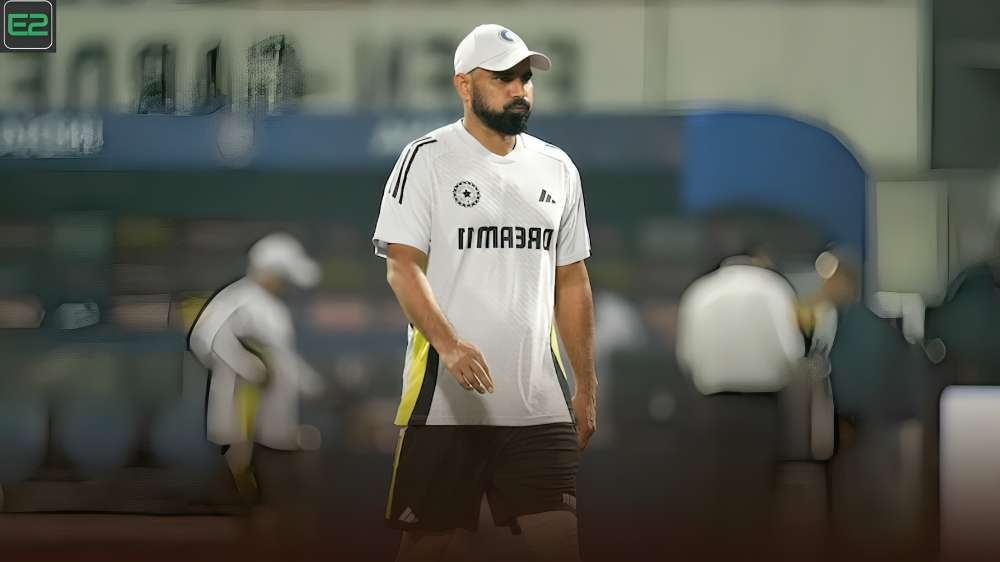
মোহাম্মদ শামি ইংল্যান্ডের বিরুদ্ধে প্রথম টি-২০ আইতে বাদ পড়ার পর ভারতের প্লেয়িং একাদশে ফেরার জন্য আগ্রহী হবেন। ভারতের ইংল্যান্ডের বিরুদ্ধে প্রথম টি-২০ আই সিরিজে ৭ উইকেটের বিপুল জয়ে হোস্টরা শুরু থেকেই প্রত্যাশা স্পষ্ট করে দিয়েছিল। ওপেনিং ব্যাটার অভিষেক শর্মা ৩৪ বল থেকে ৭৯ রান করে সর্বোচ্চ রান সংগ্রাহক ছিলেন, আর ইংল্যান্ডকে ভারত একটি ক্রিকেট শিক্ষার দৃষ্টান্ত দেখিয়ে দিয়েছিল। তবে, ম্যাচটি ভারতীয় দলের জন্য কিছুটা দুঃখজনক ছিল কারণ ফেরত আসা পেসার মোহাম্মদ শামির জন্য কোনো স্থান ছিল না। ভারত শুধু আর্সদ্বীপ সিংকে প্রাধান্য দিয়ে পেসার হিসেবে রেখেছিল, আর অলরাউন্ডার হার্দিক পান্ডিয়া ও তিনটি স্পিনার তাকে আক্রমণে সহায়তা করেছিলেন। যদিও শামির ফেরার সম্ভাবনা নিয়ে আলোচনা দ্বিতীয় টি-২০ আই ম্যাচের আগে হয়েছে, তবে চেন্নাইয়ের চিপক স্টেডিয়ামে তাকে প্লে-ing এক্সআই-তে সুযোগ দেওয়া সম্ভাবনাহীন। এমএ চিদাম্বরমের পিচ স্পিনারদের জন্য বেশি উপযোগী, তাই আশা করা যায় না যে অধিনায়ক সূর্যকুমার যাদব দলের এক্সআই-তে কোনো পরিবর্তন করবেন। ভারত বনাম ইংল্যান্ড, ২য় টি-২০আই: মহম্মদ শামি কি দলে ফিরবেন? ভারতের প্রায় নিশ্চিত প্লেয়িং একাদশে চেন্নাইয়ে ইংল্যান্ডের বিপক্ষে, সঞ্জু স্যামসন এবং অভিষেক শর্মা ওপেনিং করবেন, এবং তিলক ভার্মা ও সূর্যকুমার যাদব যথাক্রমে ৩য় ও ৪র্থ স্থানে থাকবেন। হর্ষদিক পাণ্ড্য, রিঙ্কু সিংহ, অক্ষর পটেল এবং নীতিশ কুমার রেড্ডি পরবর্তী চারজনের মধ্যে থাকবেন, যারা ভারতের ব্যালান্স বজায় রাখতে অলরাউন্ডার হিসেবে ভূমিকা পালন করবেন। আর্শদ্বীপ সিংহ, রবি বিষ্ণোই এবং বরুণ চক্রবর্তীর তিনজন প্রধান বোলার হওয়ার সম্ভাবনা রয়েছে। চক্রবর্তি প্রথম টি-২০আই-এ দুর্দান্ত পারফর্ম করেছিলেন এবং তিনি চেন্নাইয়েও ভারতের প্রধান বোলিং অস্ত্র হিসেবে কাজ করবেন। যদি শামিকে দলে ফিরতে হয়, তবে তিনি বিষ্ণোইর জায়গায় একাদশে অন্তর্ভুক্ত হতে পারেন। ভারতের সম্ভাব্য প্লেয়িং একাদশ: অভিষেক শর্মা, সঞ্জু স্যামসন (কিপার), তিলক ভার্মা, সূর্যকুমার যাদব (ক্যাপ্টেন), হার্দিক পাণ্ড্য, রিঙ্কু সিংহ, অক্ষর পটেল, নীতিশ রেড্ডি, আর্শদ্বীপ সিংহ, মহম্মদ শামি/রবি বিষ্ণোই, বরুণ চক্রবর্তী। Welcome to E2Bet! Play fun games and experience the excitement!
Highest Wicket-Takers in T20I Cricket for Each Test-Playing Nation
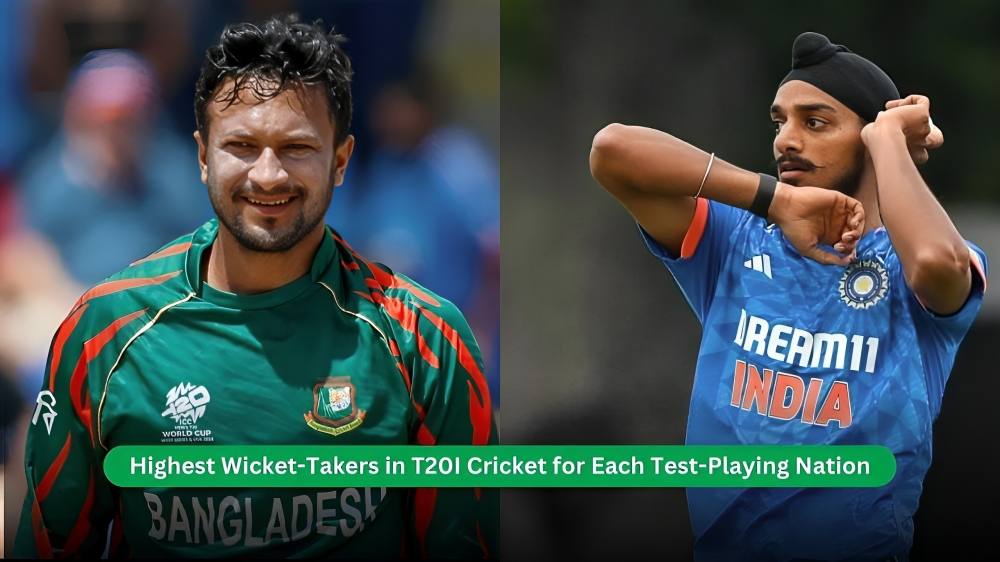
The highest wicket-takers in T20I cricket for each Test-playing nation have delivered consistent performances, amassing significant wickets and playing key roles in their teams’ success. Their remarkable records highlight their importance in the shortest format, with many contributing to major victories and tournament triumphs for their respective countries. 1. Australia – Adam Zampa (117 wickets) Adam Zampa, a key figure in Australia’s white-ball setup, made his T20I debut in 2016. With 117 wickets in T20Is, Zampa has been instrumental in Australia’s success, including their 2021 T20 World Cup triumph. He boasts an impressive average of 21 and an economy rate of over 7.5, along with one five-wicket haul. 2. England – Adil Rashid (127 wickets) Adil Rashid, England’s highest wicket-taker in T20Is with 127 wickets at an average of 24, has been a key player for the team in limited-overs cricket for over a decade. Known for his deceptive flighted deliveries, Rashid played crucial roles in England’s World Cup 2019 and T20 World Cup 2022 victories. 3. South Africa – Tabraiz Shamsi (89 wickets) Tabraiz Shamsi, South Africa’s leading wicket-taker in T20Is with 89 wickets at an average of 20, has excelled in the shortest format. The 34-year-old has honed his skills by playing in various franchise leagues globally, showcasing his expertise and making a significant impact in T20 cricket. 4. West Indies – Dwayne Bravo (78 wickets) Dwayne Bravo, with 78 wickets at an average of 26, is the most successful West Indies bowler in T20Is. Renowned for his death-overs skills, Bravo was crucial to the team’s success in the T20 World Cups of 2012 and 2016. Alongside his bowling, he was also a reliable finisher for the West Indies. 5. New Zealand – Tim Southee (164 wickets) Tim Southee, with 164 wickets at an average of 22.38, is New Zealand’s highest wicket-taker in T20Is. Debuting in 2008, the 36-year-old has two five-wicket hauls in T20Is and formed a formidable fast-bowling partnership with Trent Boult, becoming a key player in New Zealand’s T20 cricket history. 6. India – Arshdeep Singh (97 wickets) Arshdeep Singh, India’s leading T20I wicket-taker with 97 wickets at an average of 17.90, made his debut in 2022. Known for his death-over skills, he became India’s go-to bowler in T20Is and played a key role as the joint-leading wicket-taker in India’s victorious T20 World Cup 2024 campaign. 7. Pakistan – Haris Rauf (110 wickets) Haris Rauf, one of the fastest bowlers in world cricket, holds the record for the most T20I wickets for Pakistan, with 110 wickets in 79 matches at an average of 21.2. Known for his BBL stint with the Melbourne Stars, Rauf is a key part of Pakistan’s white-ball bowling attack alongside Afridi and Naseem Shah. 8. Sri Lanka – Wanindu Hasaranga (131 wickets) Leg-spinner Wanindu Hasaranga, a key figure in Sri Lanka’s white-ball cricket, has taken 131 wickets in 79 T20Is at an average of 22. Debuting in 2019, he has become Sri Lanka’s top bowler in pressure situations. Besides his bowling prowess, Hasaranga has also contributed with two T20I half-centuries. 9. Zimbabwe – Sikandar Raza (79 wickets) Sikandar Raza, Zimbabwe’s T20I captain, is the country’s leading wicket-taker in the format with 79 wickets in 102 matches at an average of 22. The 38-year-old off-spinner has also taken one five-wicket haul. Raza plays a crucial role by bowling during the powerplay, especially against left-handers, to support the fast bowlers. 10. Bangladesh – Shakib Al Hasan (149 wickets) Shakib Al Hasan, one of the greatest all-rounders of the current generation, is Bangladesh’s leading wicket-taker in T20Is with 149 wickets in 129 matches. His impressive record includes two five-wicket hauls and six four-wicket hauls. Alongside his bowling, Shakib has also contributed significantly with the bat, scoring 13 half-centuries. Country Player Wickets Matches Average Five-Wicket Hauls Australia Adam Zampa 117 – 21 1 England Adil Rashid 127 – 24 – South Africa Tabraiz Shamsi 89 70 20 – West Indies Dwayne Bravo 78 – 26 – New Zealand Tim Southee 164 126 22.38 2 India Arshdeep Singh 97 – 17.9 – Pakistan Haris Rauf 110 79 21.2 – Sri Lanka Wanindu Hasaranga 131 79 22 – Zimbabwe Sikandar Raza 79 102 22 1 Bangladesh Shakib Al Hasan 149 129 – 2 Ireland Mark Adair 127 88 19 – Afghanistan Rashid Khan 161 96 13 2 Welcome to E2Bet! Get ready for fun and exciting gaming adventures!
Who Is The Number 1 Player In IPL History?
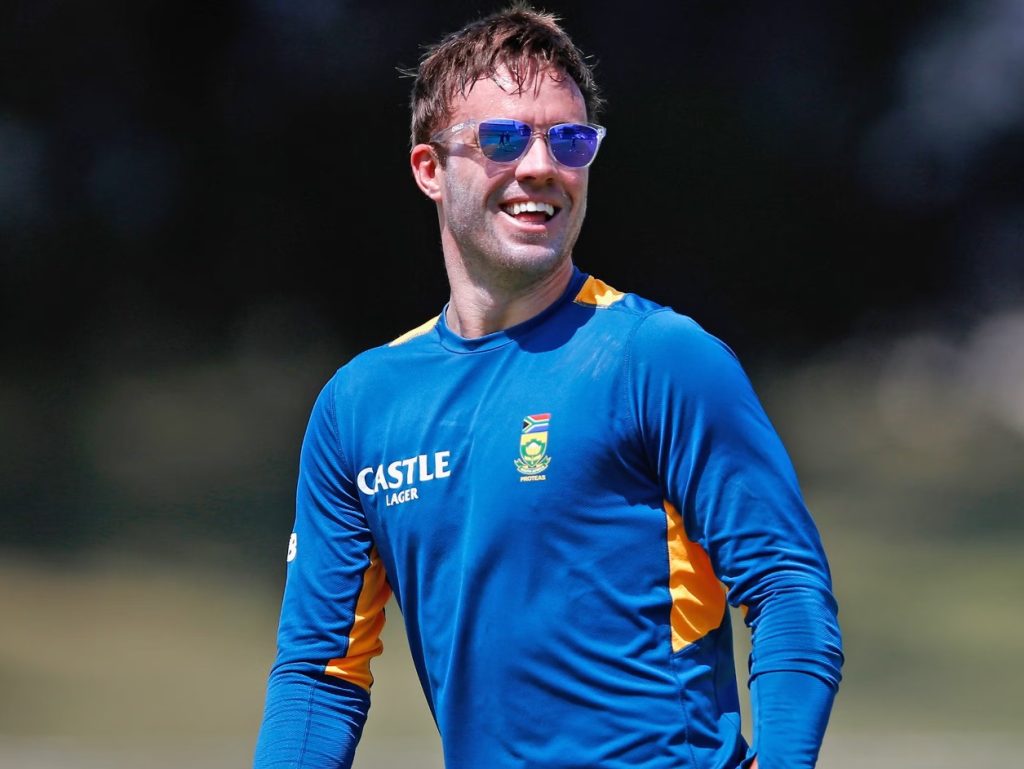
Player: The Indian Premier League (IPL) is one of the most competitive and star-studded T20 cricket tournaments in the world. Since its inception in 2008, it has attracted the best cricketers globally, delivering unparalleled entertainment and thrilling cricket. Over the years, many players have risen to prominence, but the question remains: who is the number one player in IPL history? While opinions may differ, a few names consistently appear in discussions due to their exceptional performances, match-winning abilities, and consistent contributions. This article analyzes the top contenders for the title of “Number 1 Player in IPL History,” based on statistics, impact, and legacy. Criteria For Determining The Best Player To evaluate the top player in IPL history, we considered the following factors: Consistency: Players who have delivered consistent performances over multiple seasons. Match-Winning Ability: Players who have played crucial roles in winning matches for their teams. Records and Milestones: Players with significant records in batting, bowling, or fielding. Impact on Team Success: Contributions to their team’s victories and IPL titles. Fan Following: Popularity and influence beyond statistics. Top Contenders For The Number 1 Player The following table summarizes the key statistics of players often considered the best in IPL history: Rank Player Name Matches Played Runs Scored Wickets Taken IPL Titles Won Key Achievements 1 Virat Kohli 237 7,000+ N/A 0 All-time leading run-scorer 2 MS Dhoni 250 5,000+ N/A 5 Most successful captain, best finisher 3 Rohit Sharma 243 6,000+ N/A 5 Most IPL titles as captain 4 Chris Gayle 142 4,965 N/A 0 Highest individual score in IPL (175*) 5 AB de Villiers 184 5,162 N/A 0 Exceptional strike rate, 360-degree hitter 6 Lasith Malinga 122 N/A 170 4 All-time leading wicket-taker 7 Andre Russell 112 2,350+ 100+ 2 Best all-rounder in IPL history Analysis Of Top Players 1. Virat Kohli Virat Kohli, the all-time leading run-scorer in IPL history, has been a pillar for the Royal Challengers Bangalore (RCB) since the league’s inception. His 2016 season, where he scored a record-breaking 973 runs, remains unmatched. Key Achievements: Despite his immense contributions, Kohli is yet to win an IPL title, which slightly impacts his claim to being the number one player. 2. MS Dhoni MS Dhoni, known as “Captain Cool,” is synonymous with the Chennai Super Kings (CSK). His calm demeanor, unmatched finishing skills, and leadership have earned him a legendary status. Key Achievements: Dhoni’s ability to lead a team to consistent success makes him a strong contender for the top spot. 3. Rohit Sharma Rohit Sharma is the most successful captain in IPL history, having led the Mumbai Indians (MI) to five titles. His calm leadership and dependable batting make him one of the all-time greats. Key Achievements: Rohit’s unparalleled success as a captain and his consistent performances cement his legacy. 4. Chris Gayle Known as the “Universe Boss,” Chris Gayle is the most explosive batsman in IPL history. His ability to destroy bowling attacks is unparalleled. Key Achievements: While Gayle’s contributions are phenomenal, his lack of an IPL title slightly diminishes his claim. 5. AB de Villiers AB de Villiers, known for his 360-degree batting style, has been a fan favorite. His ability to win matches single-handedly makes him a standout performer. Key Achievements: Though de Villiers is yet to win an IPL title, his impact on the league is undeniable. 6. Lasith Malinga Lasith Malinga is the most successful bowler in IPL history. His toe-crushing yorkers and consistency make him a legend of the league. Key Achievements: 7. Andre Russell Andre Russell is arguably the best all-rounder in IPL history. His ability to turn games with both bat and ball makes him a unique asset. Key Achievements: Statistical Breakdown of Contenders Player Name Batting Average Bowling Economy (if applicable) Strike Rate Best Performance (Runs/Wickets) Virat Kohli 37.39 N/A 130+ 122* MS Dhoni 39.09 N/A 135+ 84* Rohit Sharma 30.3 N/A 130+ 109* Chris Gayle 39.72 N/A 150+ 175* AB de Villiers 39.95 N/A 151.68 133* Lasith Malinga N/A 7.14 N/A 5/13 Andre Russell 30+ 8.90 170+ 88*, 5/15 Determining the number one player in IPL history is challenging, as it depends on individual preferences and criteria. However, based on the combination of statistics, impact, and legacy, MS Dhoni emerges as the leading contender due to his unmatched leadership, consistency, and ability to deliver under pressure. His five IPL titles as captain and his iconic status make him a fan favorite. Rohit Sharma’s success as a captain and Virat Kohli’s extraordinary batting achievements also place them in contention. Ultimately, the title of “Number 1 Player in IPL History” might vary among fans, but all these players have left an indelible mark on the league. E2BET: Welcome! Discover Endless Betting Possibilities!
The Inaugural Purple Cap Winner in IPL History
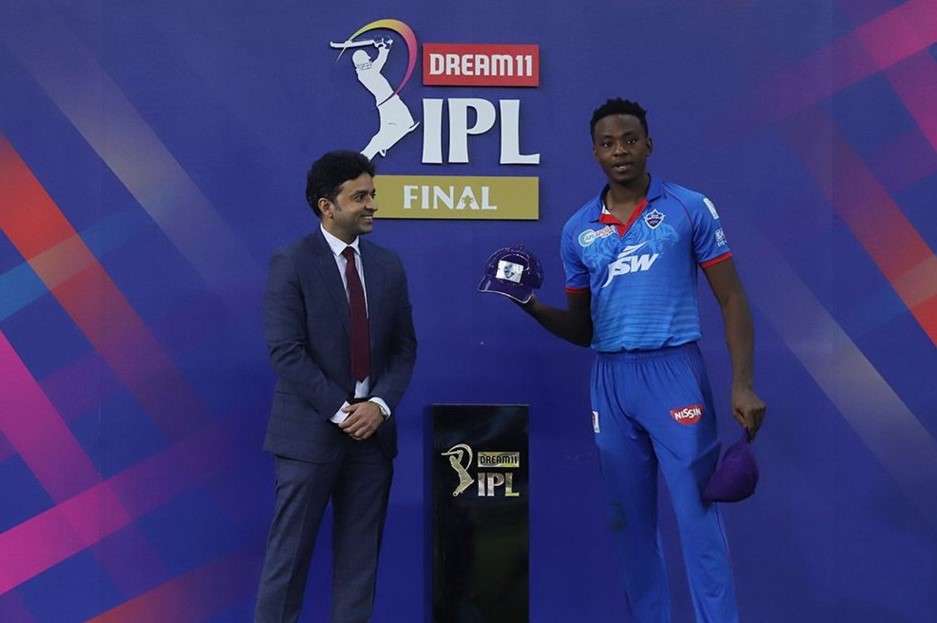
Purple Cap Winner: The Indian Premier League (IPL), one of the most popular and lucrative cricket tournaments in the world, has been a stage for some of the finest bowling performances in cricketing history. Among the many accolades associated with the IPL, the Purple Cap holds special significance. Awarded to the bowler with the most wickets in a season, it symbolizes consistency, skill, and dominance. The first recipient of this prestigious award was Pakistan’s Sohail Tanvir during the inaugural IPL season in 2008. This article explores Tanvir’s exceptional performance, the impact it had on the Rajasthan Royals, and the legacy it left behind. The Purple Cap: Significance and Criteria The Purple Cap is awarded to the leading wicket-taker in an IPL season. The award tracks the bowler who consistently outperforms others by taking the most wickets. Here are the criteria for the Purple Cap: Criteria Details Eligibility Any bowler participating in the IPL season Measurement Total number of wickets taken Tiebreaker Economy rate, followed by the number of dot balls bowled Recognition The Purple Cap is worn by the leading wicket-taker throughout the season Sohail Tanvir’s Performance in IPL 2008 In the inaugural IPL season, Sohail Tanvir’s performance with the ball was nothing short of spectacular. Playing for the Rajasthan Royals, he showcased his unorthodox left-arm seam bowling, which bamboozled batsmen throughout the tournament. His ability to generate swing, extract movement off the pitch, and deliver pinpoint yorkers made him a nightmare for opposition batsmen. Key Statistics Statistic Value Matches Played 11 Wickets Taken 22 Economy Rate 6.46 Best Bowling Figures 6/14 Strike Rate 11.2 Memorable Performances Sohail Tanvir delivered several match-winning performances during the season. His most notable spell came against the Chennai Super Kings, where he registered remarkable figures of 6/14—the best bowling performance in IPL history at the time. This spell not only sealed a comprehensive victory for the Rajasthan Royals but also solidified Tanvir’s reputation as a world-class bowler. Top 3 Bowling Performances by Sohail Tanvir in IPL 2008 Opponent Overs Bowled Runs Conceded Wickets Taken Match Outcome Chennai Super Kings 4.0 14 6 Rajasthan Royals won by 8 wickets Kings XI Punjab 4.0 22 4 Rajasthan Royals won by 31 runs Mumbai Indians 4.0 26 3 Rajasthan Royals won by 5 wickets Impact on Rajasthan Royals’ Title Run The Rajasthan Royals, under the captaincy of Shane Warne, were the underdogs of the 2008 season. Tanvir’s bowling performances played a crucial role in their success. His ability to pick up early wickets and maintain pressure in the death overs made him a vital asset for the team. The Royals’ bowling unit, led by Tanvir, consistently defended low totals and restricted strong batting lineups, which was pivotal in their journey to the championship. Legacy of the First Purple Cap Winner Sohail Tanvir’s achievement as the first Purple Cap winner left a lasting legacy in the IPL. It showcased the importance of bowlers in a tournament often dominated by batsmen. His performance set a benchmark for future Purple Cap winners and highlighted the value of adaptability and skill in T20 cricket. Comparison with Future Purple Cap Winners Season Winner Wickets Taken Economy Rate Best Bowling Figures 2008 (Inaugural Season) Sohail Tanvir 22 6.46 6/14 2009 RP Singh 23 6.98 4/22 2010 Pragyan Ojha 21 7.29 3/26 Conclusion Sohail Tanvir’s exemplary performance in the inaugural IPL season remains a significant milestone in the tournament’s history. As the first-ever Purple Cap winner, he set high standards for bowlers in T20 cricket. His contributions not only helped the Rajasthan Royals secure the championship but also demonstrated the crucial role of bowling in a format often overshadowed by big-hitting batsmen. Tanvir’s legacy as a pioneer in the IPL’s history will be remembered for years to come. Welcome to E2Bet, here for you to enjoy playing fun and exciting games:
2 Indian Bowlers Who Could Dismiss Babar Azam in ICC Champions Trophy
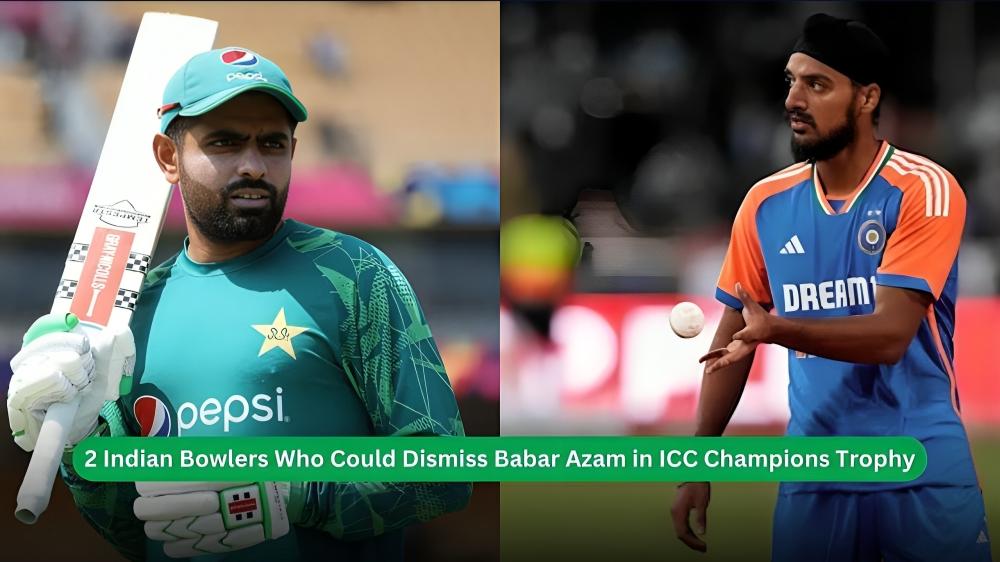
2 Indian bowlers pose a significant challenge to Babar Azam in the ICC Champions Trophy. Jasprit Bumrah’s precision, yorkers, and variations make him a constant threat, while Arshdeep Singh’s swing and deceptive deliveries, especially under Dubai’s conditions, could trouble Babar early on. Both offer India key wicket-taking options. 1. Arshdeep Singh – The Swing Specialist Arshdeep Singh has rapidly established himself as one of India’s most promising pacers, known for his ability to swing the ball and maintain precision. Dubai’s conditions, which often assist swing bowlers under lights, make him a significant threat in the powerplay overs. Arshdeep’s ability to trouble top-tier batsmen was evident in the T20 World Cup, where he dismissed Babar Azam with a sharp inswinger. His left-arm pace, bringing the ball into right-handers, combined with subtle variations, can be particularly deceptive. What sets him apart is his adaptability. Whether bowling yorkers in the death or exploiting early movement with the new ball, Arshdeep’s versatility makes him a formidable challenge. Babar must bring his A-game to counter him effectively. 2. Jasprit Bumrah – The Master of Consistency Jasprit Bumrah’s name is synonymous with consistency and unmatched skill, making him a nightmare for batsmen worldwide. Known for his unique action and precision, Bumrah remains a constant threat at any stage of the innings. His stellar 2023 World Cup campaign and 32 wickets in the Border-Gavaskar series reinforce his reputation as a premier bowler. Bumrah’s arsenal includes deadly yorkers, deceptive cutters, and well-disguised slower balls, ensuring no room for complacency. In Dubai’s conditions, where lateral movement may be limited, Bumrah’s accuracy and variations could trouble Babar Azam. His ability to mix identical-looking deliveries with differing outcomes adds a psychological edge, making every ball a potential wicket-taking opportunity against even the best. Welcome to E2Bet! Get ready for fun and exciting gaming adventures!
Which Match Has The Lowest Score In The Big Bash League 2025?
Score: The Big Bash League (BBL) has become one of the premier T20 leagues in the world, showcasing exciting cricket, memorable performances, and high-scoring encounters. From explosive batting displays to stunning bowling performances, the league has produced numerous thrilling matches. However, not every game in the competition has been filled with fireworks. In fact, some matches have been marked by remarkably low scores, especially when the batting collapses in dramatic fashion. Among these, there is one match in particular that stands out as having the lowest score in Big Bash League history. This article will take a deep dive into the match, discuss the circumstances around the low score, and explore the factors that led to such an outcome. The Lowest Score in BBL History The lowest score in Big Bash League history was set in the 2015-16 BBL season, during a match between the Melbourne Renegades and the Sydney Thunder. This encounter remains one of the most talked-about games in BBL history due to the sheer dramatic nature of the game and the incredible collapse that led to the Renegades’ dismal performance. The Match: Melbourne Renegades vs. Sydney Thunder (2015-16) The match took place on January 14, 2016, at the Melbourne Cricket Ground (MCG), one of the biggest stadiums in the world. Both teams were part of the BBL’s original lineup, and the game was expected to be competitive given the quality of players in both teams. However, what transpired on that day would shock everyone. The Melbourne Renegades, known for having strong batting line-ups, found themselves bowled out for a mere 57 runs, which is still the lowest score ever recorded in the BBL. Match Breakdown: Melbourne Renegades’ Batting Collapse Team Innings Runs Wickets Overs Faced Highest Score Melbourne Renegades 1st innings 57 10 15.5 Marcus Harris – 14 Sydney Thunder 2nd innings 58 3 13.4 Shane Watson – 34 The Renegades’ Batting Performance The Renegades’ batting performance was nothing short of a disaster. After winning the toss, they chose to bat first, but from the very beginning, they were put under immense pressure by the Sydney Thunder bowlers. Early Wickets: The Renegades lost their opening wickets quickly, with their top order failing to handle the swinging conditions. Star players like Aaron Finch, Matthew Wade, and Ben Dunk were dismissed cheaply, and the middle order failed to recover. Bowlers in Control: The Thunder’s bowling attack, led by Shane Watson and Andrew Tye, dominated the match. They used the conditions to their advantage, making full use of the MCG’s pitch, which had some movement early on. The Thunder bowlers maintained a tight line and length, reducing the Renegades’ batting line-up to rubble. Key Contributions: The highest score for the Renegades came from Marcus Harris, who managed just 14 runs. Apart from him, no other batsman reached double figures, and the Renegades were bowled out for 57 runs in just 15.5 overs. Sydney Thunder’s Quick Chase In response to the Renegades’ paltry total of 57, the Sydney Thunder needed just 58 runs to win. While the chase seemed straightforward, the Thunder also faced a few hiccups on the way, losing three wickets during the chase. Shane Watson’s Impact: The experienced all-rounder Shane Watson top-scored for the Thunder, contributing 34 runs from 23 balls. Watson’s steady batting anchored the chase and helped the Thunder get closer to the target. Thunder’s Chase: Despite losing three wickets, the Thunder crossed the finish line with ease, reaching 58/3 in just 13.4 overs. This quick chase completed one of the most unexpected games in BBL history. Factors Leading To The Lowest Score Several factors contributed to the Melbourne Renegades’ shocking collapse, and it’s worth analyzing them in detail to understand why such a low score was registered. 1. Brilliant Bowling by Sydney Thunder The Sydney Thunder bowlers were in impeccable form during this match. Shane Watson and Andrew Tye spearheaded the attack, with the former taking 3 wickets for 14 runs and the latter claiming 3 wickets for 16 runs. Their ability to extract movement from the pitch, especially during the early stages of the innings, created immense pressure on the Renegades’ batsmen. Shane Watson was particularly brilliant, bowling with precision and discipline. His experience in both domestic and international cricket allowed him to outthink the Renegades’ batsmen. Andrew Tye used his variations effectively, including his deadly yorkers and slower balls, to cause confusion in the Renegades’ batting order. 2. Poor Batting by the Renegades On the flip side, the Melbourne Renegades’ batting simply fell apart. While the Thunder bowlers were excellent, the Renegades’ batsmen also failed to adapt to the conditions. The pitch had some bounce and swing, which troubled the Renegades throughout their innings. Inability to Build Partnerships: The Renegades had no significant partnerships, with wickets falling at regular intervals. The collapse was swift, and none of the batsmen managed to stabilize the innings or build any resistance against the Thunder bowlers. Pressure of Big Games: The Renegades’ batting line-up, which included some big names, was unable to handle the pressure of a high-stakes match. Big players like Aaron Finch, Matthew Wade, and Ben Dunk could not adapt to the challenging conditions, leading to their untimely dismissals. 3. Tactical Mistakes and Mental Errors It is also fair to say that there were some tactical errors and mental mistakes that contributed to the Renegades’ downfall: Impact Of The Match: A Defining Moment In BBL History This match remains one of the most talked-about games in the history of the Big Bash League. It showcased how a combination of exceptional bowling and poor batting could result in a shocking low score. While the Thunder’s victory was clinical, the Renegades’ collapse was a cautionary tale about how fragile a batting line-up can be in T20 cricket. 1. Psychological Impact For the Renegades, this defeat had a psychological impact. Despite the low score, they went on to bounce back in future seasons, but the 2015-16 season remains a painful memory. On the other hand, for the