

BBL 2024/25: Complete Squads of All 8 Teams
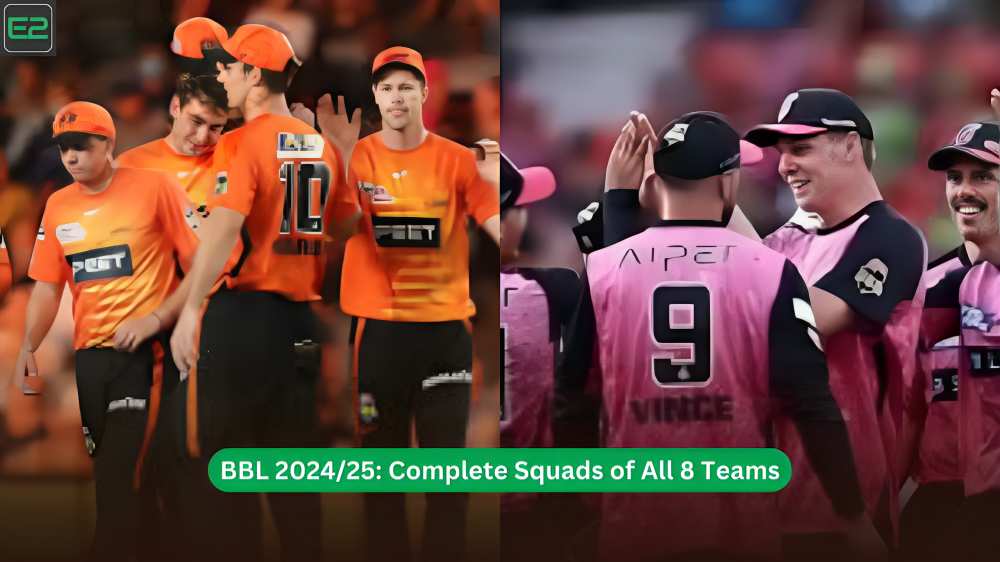
The Big Bash League (BBL) 2024/25 will feature 44 matches, beginning on December 15. The 14th edition of the tournament will consist of 40 league games, followed by the Qualifier, Knockout, Challenger, and Final. The opening match will see the Perth Scorchers take on the Melbourne Renegades at Optus Stadium. Defending champions Brisbane Heat will begin their campaign, while the Perth Scorchers enter as the most successful team in BBL history, having won five titles. Eight teams will compete in the tournament: Brisbane Heat, Melbourne Renegades, Melbourne Stars, Adelaide Strikers, Perth Scorchers, Hobart Hurricanes, Sydney Sixers, and Sydney Thunder. All franchises have accumulated significant talent, ensuring an exciting season ahead. BBL 2024/25: Squads of all 8 teams Brisbane Heat: Max Bryant, Usman Khawaja, Marnus Labuschagne, Colin Munro, Matt Renshaw, Nathan McSweeney, Paul Walter, Michael Neser, Callum Vidler, Jack Wildermuth, Tom Alsop (wk), Jimmy Peirson (wk), Xavier Bartlett, Spencer Johnson, Matthew Kuhnemann, Will Prestwidge, Mitchell Swepson and Jack Wood. Melbourne Renegades: Harry Dixon, Laurie Evans, Mackenzie Harvey, Jake Fraser McGurk, Josh Brown, Jonathan Wells, Jacob Bethell, Fergus O Neill, Tom Rogers, Will Sutherland, Tim Seifert (wk), Nathan Lyon, Kane Richardson, Gurinder Sandhu and Adam Zampa. Melbourne Stars: Ben Duckett, Hilton Cartwright, Campbell Kellaway, Glenn Maxwell, Marcus Stoinis (c), Beau Webster, Tom Curran, Tom Rogers, Sam Harper (wk), Scott Boland, Brody Couch, Hamish McKenzie, Usama Mir, Joel Paris and Mark Steketee. Adelaide Strikers: Chris Lynn, Alex Ross, D’Arcy Short, Matthew Short (c), Jake Weatherald, Fabian Allen, James Bazley, Jamie Overton, Alex Carey (wk), Ollie Pope, Jordan Buckingham, Cameron Boyce, Brendan Doggett, Lloyd Pope and Henry Thornton. Perth Scorchers: Finn Allen, Sam Fanning, Nick Hobson, Keaton Jennings, Matthew Spoors, Cooper Connolly, Aaron Hardie, Mitchell Marsh, Ashton Turner (c), Ashton Agar, Mahli Beardman, Matthew Hurst, Josh Inglis (wk), Jason Behrendorff, Matthew Kelly, Lance Morris, Jhye Richardson and Andrew Tye. Hobart Hurricanes: Tim David, Caleb Jewell, Charlie Wakim, Macalister Wright, Nikhil Chaudhary, Mitchell Owen, Ben McDermott, Matthew Wade (wk), Shai Hope, Peter Hatzoglou, Riley Meredith, Iain Charlisle, Patrick Dooley, Nathan Ellis, Rishad Hossain and Chris Jordan. Sydney Sixers: Daniel Hughes, Jack Edwards, Kurtis Patterson, Steve Smith, Jordan Silk, James Vince, Moises Henriques (c), Hayden Kerr, Sean Abbott, Josh Philippe (wk), Akeal Hosein, Jackson Bird, Jafer Chohan, Joel Davies, Ben Dwarshuis, Todd Murphy and Mitchell Perry. Sydney Thunder: Oliver Davies, David Warner (c), Nic Maddinson, Jason Sangha, Sherfane Rutherford, Sam Konstas, Chris Green, Daniel Sams, Cameron Bancroft, Matthew Gilkes, William Salzmann, Sam Billings (wk), Wes Agar, Liam Hatcher, Lockie Ferguson, Nathan McAndrew and Tanveer Sangha. Get ready for a fun-filled gaming experience at E2Bet! Welcome!
Top 4 Indian Captains With The Most Toss Wins In Test Cricket
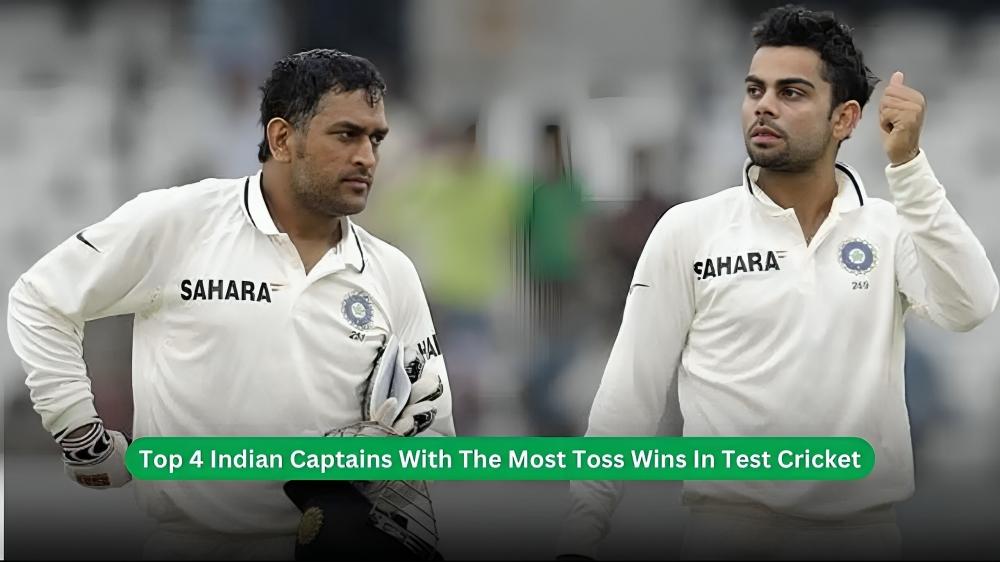
The top 4 Indian Test captains with the most toss wins include leaders who made significant contributions. These captains have not only excelled in winning tosses but also led their teams to memorable victories, leaving a lasting impact on Indian cricket through strategic leadership and consistency. 1. Mohammad Azharuddin – 29 Mohammad Azharuddin, India’s captain from 1984 to 2000, led in 47 Tests, winning the toss 29 times, the most by any Indian Test captain. Despite his remarkable toss record, he only won 14 of those matches. Azharuddin also had a strong batting record as captain, amassing 2856 runs at an average of 43.93, including nine centuries. Unfortunately, his career was cut short when he was banned following allegations of involvement in a match-fixing scandal, marking a tragic end to his tenure. 2. MS Dhoni – 26 MS Dhoni, regarded as one of the finest white-ball captains, also had a successful tenure in Test cricket. Managing senior players like Tendulkar, Dravid, and Ganguly, Dhoni led India to the top of the ICC Test rankings in 2009 and won key series, including an overseas triumph in New Zealand. Captaining in 60 Tests, Dhoni won 27 matches and scored 3454 runs at an average of 40.63. His 26 toss wins are the second-most by any Indian Test captain. 3. Virat Kohli -26* Virat Kohli is likely to be India’s most successful Test captain, with a record-breaking 33 wins in 56 Tests, yielding a win percentage of 58.92%. He has also won 26 tosses, tied for second-most among Indian captains. Kohli’s batting record as captain is equally remarkable, with 5220 runs at an average of 60.69, including 20 centuries. His leadership continues to redefine Indian Test cricket, as he also maintained an unbeaten record after winning the toss and choosing to bat. 4. Sunil Gavaskar – 22 Sunil Gavaskar captained India in 47 Tests, scoring 3449 runs at an impressive average of 50.72. Although he only led India to 9 Test victories, he won 22 tosses, the third-highest by any Indian Test captain. Known as one of the finest openers in cricket history, Gavaskar’s captaincy tenure was marked by challenges. Despite his personal brilliance, the team’s performance under his leadership did not mirror his individual success, though he benefitted from favorable toss outcomes throughout his career. Welcome to E2Bet! Get ready for fun and exciting gaming adventures!
WBBL 2025: How Many Teams Qualify In WBBL?
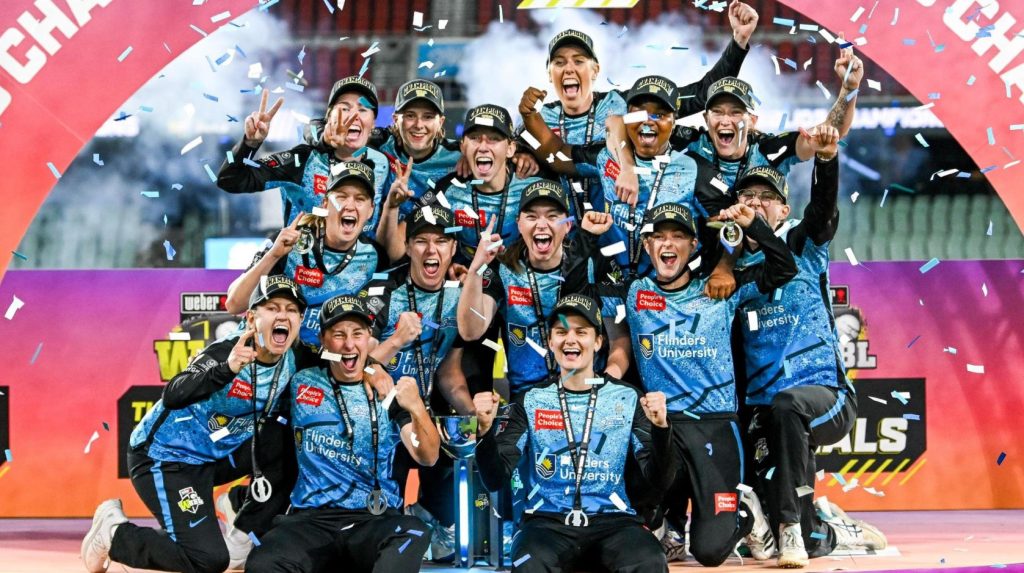
The Women’s Big Bash League (WBBL) is Australia’s premier domestic Twenty20 cricket league for women, attracting top talent from around the globe. Since its inception in 2015, the league has grown exponentially in popularity and competitiveness. One of the critical aspects of the WBBL’s format is its qualification structure, which determines how many teams advance to the playoffs and compete for the championship title. In this article, we delve into the WBBL qualification process, exploring how many teams qualify, the playoff format, key trends, and strategies teams use to secure a spot in the crucial knockout stages. WBBL League Format The WBBL consists of eight teams, each representing major Australian cities. These teams are: Each team plays a double round-robin format during the league stage, meaning they face every other team twice (home and away games). This results in a total of 14 matches per team, making the league stage highly competitive. Qualification Structure In the WBBL, the top four teams from the league stage advance to the playoffs. The standings are determined by the following criteria: Points: Teams earn points based on their performance: Win: 2 points No Result/Tie: 1 point Loss: 0 points Net Run Rate (NRR): If two or more teams have equal points, NRR is used as the tiebreaker. Head-to-Head Record: If teams remain tied even after NRR, their head-to-head record determines the rankings. WBBL Points Table Format Rank Team Matches Played Wins Losses Ties/NR Points Net Run Rate 1 Team A 14 10 4 0 20 +1.234 2 Team B 14 9 5 0 18 +0.876 3 Team C 14 8 6 0 16 +0.543 4 Team D 14 8 6 0 16 +0.321 5 Team E 14 7 7 0 14 -0.234 Playoff Format The WBBL playoffs follow a straightforward format involving three matches: 1. The Eliminator (3rd vs. 4th) 2. The Qualifier (1st vs. 2nd) 3. The Challenger 4. The Final WBBL Playoff Structure Match Teams Involved Outcome Eliminator 3rd vs. 4th Winner progresses to Challenger Qualifier 1st vs. 2nd Winner advances to Final, loser to Challenger Challenger Qualifier loser vs. Eliminator winner Winner advances to Final Final Qualifier winner vs. Challenger winner WBBL Champion Trends In WBBL Qualification The qualification process in the WBBL has consistently showcased the depth and competitiveness of the league. Here are some notable trends: 1. Dominance of Top Teams 2. Emerging Teams 3. Importance of Net Run Rate Teams With Most Playoff Appearances (as of recent seasons) Team Playoff Appearances Titles Won Sydney Sixers 7 2 Brisbane Heat 6 2 Perth Scorchers 6 2 Sydney Thunder 5 2 Strategies For Teams To Qualify Securing a playoff spot in the WBBL requires a combination of individual brilliance, strategic planning, and team cohesion. Here are some key strategies: 1. Maximizing Home Advantage 2. All-Round Performances 3. Building Momentum 4. Targeting Key Matches Key Metrics For Successful Teams Metric Ideal Performance Win Percentage Above 60% Net Run Rate Positive (+0.500 or higher) Star Player Impact Regular contributions Bowling Economy Rate Below 7.0 Challenges In The Qualification Process The WBBL’s qualification structure presents challenges for teams and players alike: 1. Tight Scheduling 2. Weather Interruptions 3. Depth in Squads The WBBL’s qualification process, which allows the top four teams to advance to the playoffs, ensures that every match in the league stage holds significance. This competitive structure has made the WBBL one of the most exciting cricket leagues in the world, consistently producing thrilling finishes and showcasing the best talent in women’s cricket. As the league continues to grow in stature, fans can look forward to even more intense battles for those coveted top-four spots. Whether it’s the dominance of established teams or the rise of new challengers, the WBBL never fails to deliver unforgettable moments. E2BET: Welcome! Discover Endless Betting Possibilities!
The Brand Value of the Big Bash League (BBL)
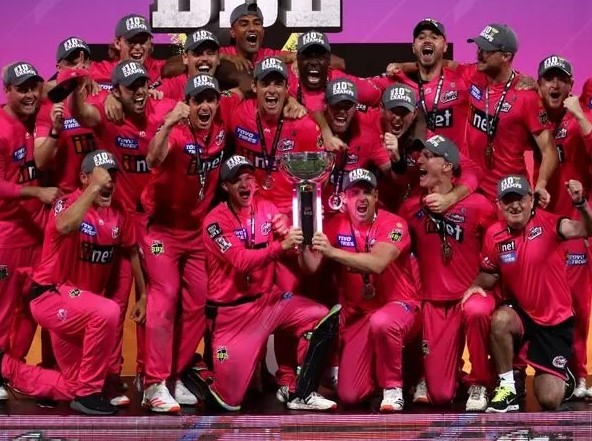
Brand Value: The Big Bash League (BBL), Australia’s premier Twenty20 cricket competition, has emerged as one of the most popular and commercially successful T20 leagues globally. Since its inception in 2011, the league has captivated audiences with its entertaining format, top-tier players, and family-friendly appeal. In this article, we delve into the brand value of the BBL, analyzing key factors that contribute to its commercial success, revenue streams, sponsorships, and overall market influence. Key Components of the BBL’s Brand Value 1. Market Position and Popularity The BBL is recognized as one of the top T20 leagues in the world, competing with global giants like the Indian Premier League (IPL) and Pakistan Super League (PSL). Its success is driven by: 2. Financial Metrics The league’s brand value is underpinned by its revenue streams, including broadcasting rights, sponsorship deals, ticket sales, and merchandise. The following table outlines estimated figures: Revenue Source Estimated Contribution (AUD) Details Broadcasting Rights $120 million per season Partnership with Seven Network and Foxtel. Sponsorship Deals $50 million per season Major brands include KFC as the title sponsor. Ticket Sales $25 million per season High attendance at iconic venues. Merchandise and Licensing $10 million per season Team jerseys, caps, and other merchandise. Digital and Social Media Ads $5 million per season Revenue from online engagement platforms. Total Annual Revenue $210 million Broadcasting Deals The broadcasting rights for the BBL represent one of its largest revenue streams. In a landmark deal in 2018, Cricket Australia secured a $1.2 billion agreement with Seven Network and Foxtel, covering both the BBL and international cricket. This agreement underscores the league’s immense popularity and its ability to attract significant investment. Table: Comparison of T20 League Broadcasting Revenue League Broadcasting Revenue per Season (USD) Broadcast Partner Indian Premier League $600 million Star Sports Big Bash League $90 million Seven Network, Foxtel Pakistan Super League $36 million PTV Sports, ARY Digital Caribbean Premier League $10 million ESPN, SportsMax Sponsorships and Partnerships Sponsorship deals are a cornerstone of the BBL’s financial model. With KFC as the title sponsor since the league’s inception, the BBL has built a strong association with the fast-food giant. Additional sponsorships come from various sectors, including automotive, banking, and retail, further diversifying its revenue base. Notable Sponsors in the BBL Audience Engagement and Attendance The BBL’s focus on family-friendly entertainment has been a major factor in its popularity. High-energy matches, innovative marketing strategies, and celebrity endorsements have ensured packed stadiums and high engagement rates. Key Statistics Metric Figure Notes Average Match Attendance 20,000+ Among the highest in global T20 leagues. Peak TV Viewership 2.2 million (Final, 2020) Record-breaking domestic audience. Social Media Followers 5 million+ across platforms Significant growth in digital engagement. Global Recognition and Player Influence The BBL’s global appeal is enhanced by the participation of international cricket stars and its adherence to high broadcasting standards. The league’s ability to attract overseas players, such as Rashid Khan, Chris Lynn, and Alex Hales, has further bolstered its brand value. Comparison of Player Salaries League Top Player Salary (USD) Average Player Salary (USD) Indian Premier League $2.4 million $400,000 Big Bash League $380,000 $120,000 Pakistan Super League $200,000 $80,000 Challenges and Opportunities While the BBL has established itself as a major T20 league, it faces challenges such as competition from the IPL and managing scheduling conflicts with international cricket. However, opportunities for growth include expanding international broadcasting deals, leveraging digital platforms, and hosting marquee players to enhance global viewership. Conclusion The Big Bash League’s brand value is a testament to its innovative approach to cricket, combining entertainment and sport to create a unique product. With its robust financial model, strong audience base, and global recognition, the BBL continues to grow as a major force in the world of cricket. Its ability to adapt to market trends and attract investment will be key to sustaining its success in the years to come. Welcome to E2Bet, here for you to enjoy playing fun and exciting games:
Top 5 Best Friends In Cricket
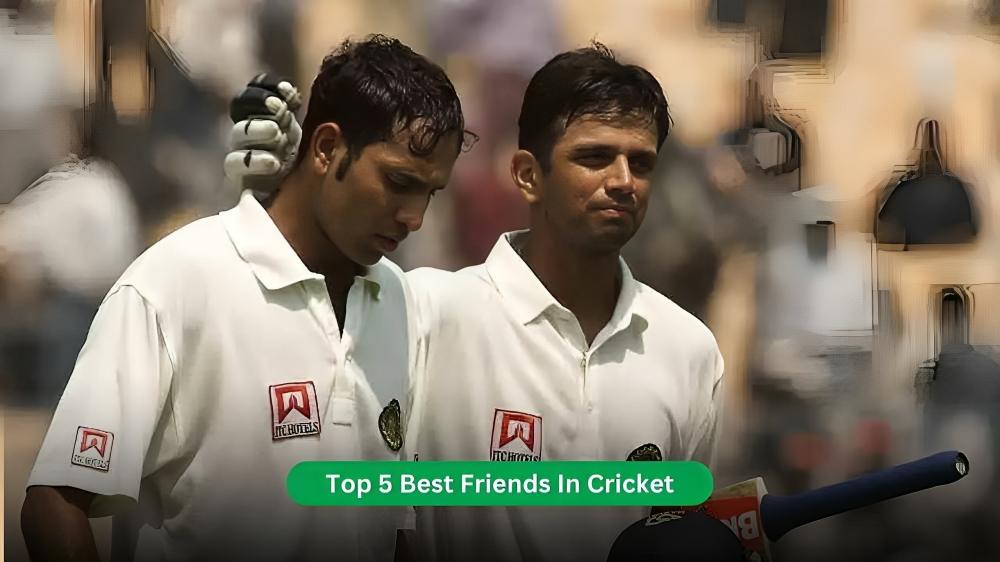
The top 5 best friends in cricket have demonstrated incredible camaraderie, both on and off the field. Their strong friendships have played a pivotal role in key partnerships, memorable victories, and mutual support. These bonds highlight the importance of trust and unity in cricket, fostering success and personal growth. 5. Jason Gillespie and Glenn McGrath The bond between Australian pacers Gillespie and McGrath transcended their bowling partnership. Their friendship played a crucial role in their on-field success, with Gillespie’s aggressive pace complementing McGrath’s precise line and length. Together, they formed one of the most lethal bowling combinations in cricket history. Their chemistry was evident as they consistently dominated opposition batsmen, making significant contributions to Australia’s many victories over the years. 4. VVS Laxman and Rahul Dravid Laxman and Dravid’s partnership remains one of the most iconic in Indian cricket, contributing to numerous victories. Off the field, their inseparable bond helped solidify their on-field success, with their calm, composed personalities complementing each other perfectly. Both have often shared insights about their deep friendship, which played a key role in their consistent performances and in India’s triumphs across formats. 3. Andrew Flintoff and Steve Harmison Flintoff and Harmison’s friendship transcended beyond being teammates, as they were crucial in England’s famous 2005 Ashes victory, which remains etched in history. Their bond strengthened through tough times, with both players supporting each other on and off the field. Their performances during the Ashes were pivotal, and even after retirement, they continue to share a close relationship, spending quality time together with their families. 2. AB De Villiers and Dale Steyn De Villiers and Steyn, two South African icons, have been integral to their country’s cricketing success for years. Their enduring friendship grew alongside their careers, with both excelling in their respective roles. Even when competing fiercely, like in an IPL match, De Villiers showed restraint to honor their bond. Their deep understanding of each other’s game continues to strengthen their connection both on and off the field. 1. Kumar Sangakkara and Mahela Jayawardene Sangakkara and Jayawardene, two of Sri Lanka’s finest cricketers, not only dominated the international cricket scene for nearly two decades but also shared a deep and enduring friendship. Their bond, forged through countless on-field battles, extended to their families, creating a beautiful connection off the field. As both retired around the same time, their heartfelt tributes to each other highlighted the strength of their friendship, making their story an inspiring tale of camaraderie. E2BET: Welcome! Discover Endless Betting Possibilities!
ICC Champions Trophy 2025: Confirmed Squads So Far
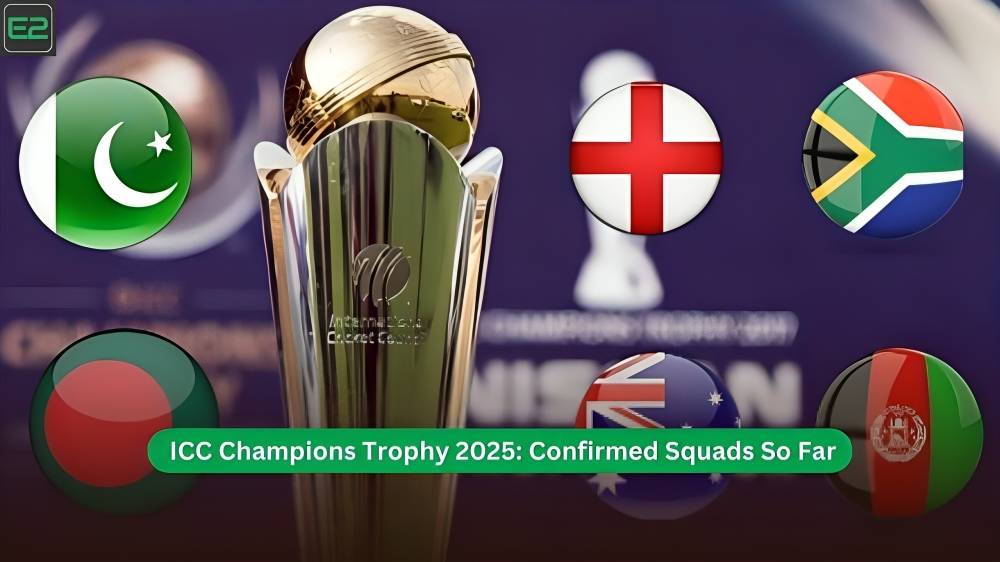
The ICC Champions Trophy 2025 marks its highly anticipated return after an eight-year hiatus. The previous edition, held in 2017 in England, saw Pakistan defeat India by 180 runs in the final to clinch the title. This year, the tournament will run from February 19 to March 9, with matches hosted in Karachi, Lahore, Rawalpindi, and Dubai. Notably, India is slated to play all their games in Dubai, avoiding travel during the competition, which could work to their advantage. The event features eight teams split into two groups—Group A and Group B—competing in a total of 15 matches. The tournament opener will see hosts Pakistan take on New Zealand in Karachi on February 19. Among the marquee clashes, the India vs Pakistan match on February 23 in Dubai is one of the most eagerly awaited encounters, alongside the England vs. Australia face-off on February 22 in Lahore. As teams finalize their preparations, announced preliminary squads remain subject to changes up to one week before the tournament’s start. Here’s a closer look at the squads revealed so far. ICC Champions Trophy 2025: All squads announced so far England Jos Buttler (C), Jofra Archer, Gus Atkinson, Jacob Bethell, Harry Brook, Brydon Carse, Ben Duckett, Jamie Overton, Jamie Smith, Liam Livingstone, Adil Rashid, Joe Root, Saqib Mahmood, Phil Salt, Mark Wood. New Zealand Mitchell Santner (C), Michael Bracewell, Mark Chapman, Devon Conway, Lockie Ferguson, Matt Henry, Tom Latham, Daryl Mitchell, Will O’Rourke, Glenn Phillips, Rachin Ravindra, Ben Sears, Nathan Smith, Kane Williamson, Will Young. India Rohit Sharma (C), Shubman Gill (VC), Yashasvi Jaiswal, Virat Kohli, Shreyas Iyer, KL Rahul (WK), Rishabh Pant (WK), Hardik Pandya, Ravindra Jadeja, Axar Patel, Washington Sundar, Kuldeep Yadav, Jasprit Bumrah, Mohammed Shami, Arshdeep Singh. Australia Pat Cummins (C), Alex Carey (WK), Nathan Ellis, Aaron Hardie, Josh Hazlewood, Travis Head, Josh Inglis (WK), Marnus Labuschagne, Mitchell Marsh, Glenn Maxwell, Matthew Short, Steven Smith, Mitchell Starc, Marcus Stoinis, Adam Zampa. South Africa Temba Bavuma (C), Tony de Zorzi, Marco Jansen, Heinrich Klaasen, Keshav Maharaj, Aiden Markram, David Miller, Wiaan Mulder, Lungi Ngidi, Anrich Nortje, Kagiso Rabada, Ryan Rickelton, Tabraiz Shamsi, Tristan Stubbs, Rassie van der Dussen. Afghanistan Hashmatullah Shahidi (C), Rahmat Shah (VC), Rahmanullah Gurbaz (WK), Ikram Alikhil (WK), Ibrahim Zadran, Sediqullah Atal, Azmatullah Omarzai, Mohammad Nabi, Gulbadin Naib, Rashid Khan, AM Ghazanfar, Noor Ahmad, Fazalhaq Farooqi, Naveed Zadran, Farid Ahmad Malik. Bangladesh Najmul Hossain Shanto (C), Mushfiqur Rahim (WK), Towhid Hridoy, Soumya Sarkar, Tanzid Hasan, Mahmudullah, Jaker Ali, Mehidy Hasan Miraz, Rishad Hossain, Taskin Ahmed, Mustafizur Rahman, Parvez Hossain, Nasum Ahmed, Tanzim Hasan, Nahid Rana. E2Bet welcomes you! Experience thrilling games and have a blast!
Why Jasprit Bumrah Misses England ODI Series?
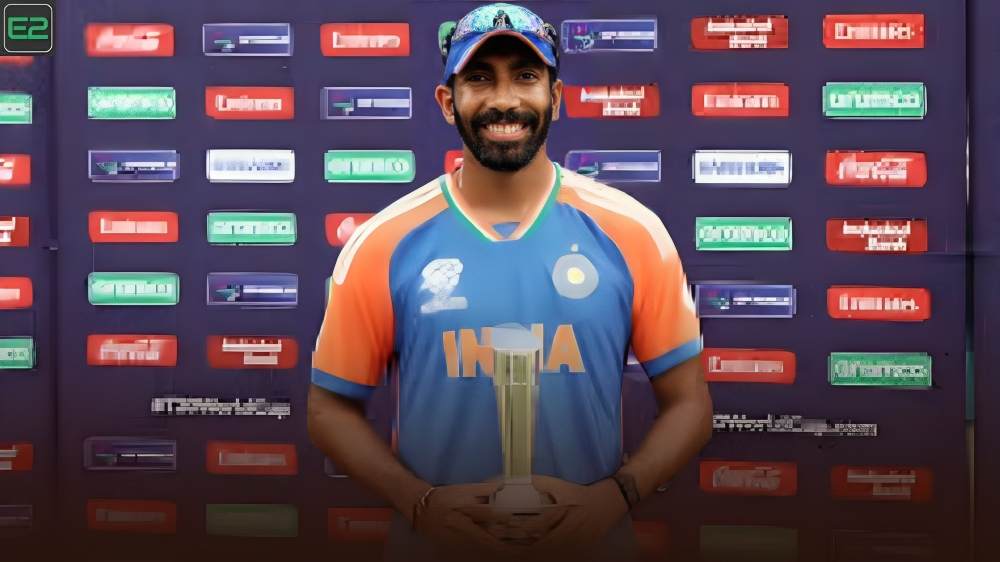
Jasprit Bumrah is absent from India’s squad for the England ODI series to allow recovery from a back injury sustained during the Border-Gavaskar Trophy 2024-25. While named in the Champions Trophy 2025 squad, Bumrah is expected to miss the initial matches, aiming to return for the tournament’s crucial stages. Jasprit Bumrah: India’s 2024 Test Cricket Star Jasprit Bumrah finished 2024 as India’s leading wicket-taker in Test cricket and played a pivotal role in India’s ICC Men’s T20 World Cup 2024 triumph in the West Indies and the USA. However, the star pacer has been excluded from the squad for the three-match ODI series against England, which begins on February 6. India’s selectors announced the same 15-member squad for both the England ODI series and the ICC Champions Trophy 2025. While Bumrah is part of the Champions Trophy lineup, he has been rested for the ODI series to manage his recovery from a back injury. Why Is Jasprit Bumrah Missing the England ODI Series? During the squad announcement, chief selector Ajit Agarkar confirmed that Jasprit Bumrah will not feature in the ODI series against England. Harshit Rana has been named as his replacement. Agarkar also revealed that Bumrah is expected to miss the first two to three group-stage games of the Champions Trophy, as his availability depends on fitness updates from the BCCI medical team in early February. “Currently, Bumrah is not in a position to play the first couple of games. We’re closely monitoring his recovery,” Agarkar stated. Injury Update: Bumrah’s Recovery Timeline Bumrah sustained a back injury during the final Test of the Border-Gavaskar Trophy 2024-25 in Sydney. After bowling just one over post-lunch on Day 2, he left the field for scans and did not bowl in the second innings. India eventually lost the match by six wickets. The team management has been cautious with Bumrah’s workload to ensure his fitness for critical matches in the Champions Trophy. India’s Pace Attack for the Champions Trophy Alongside Bumrah, India’s Champions Trophy pace attack features Mohammed Shami and Arshdeep Singh, with Hardik Pandya serving as the third seam-bowling option. The England ODI series will be a crucial platform for the squad to finalize their combinations and prepare for the tournament in Duba Welcome to E2Bet! Play fun and exciting games for endless entertainment!
The Youngest Captain in WBBL History
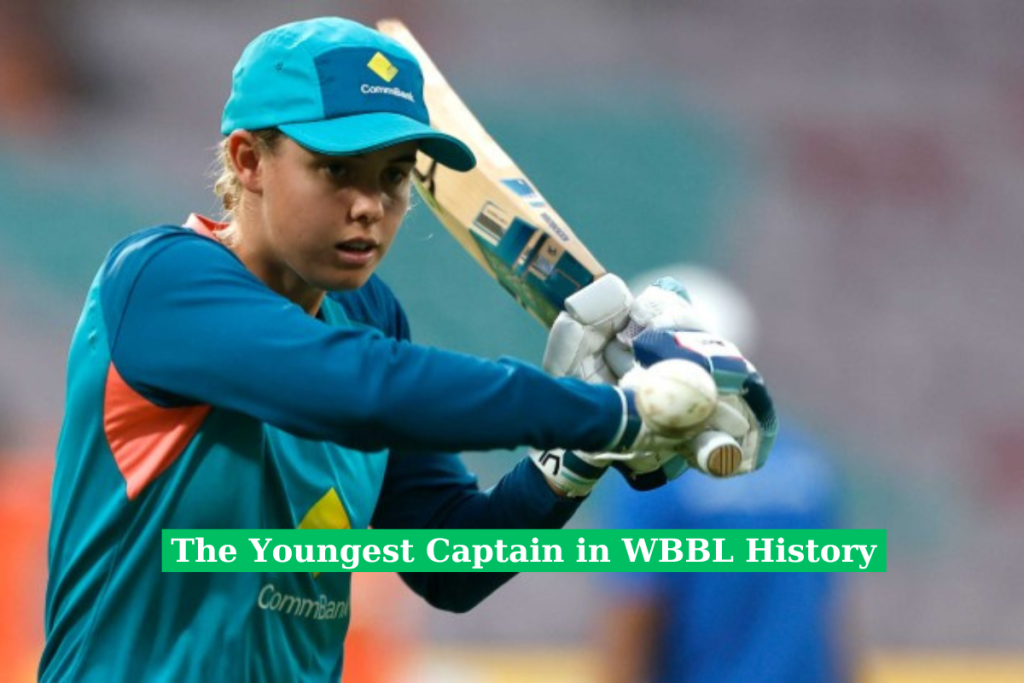
Youngest Captain: The Women’s Big Bash League (WBBL) has consistently provided a platform for young players to shine on a global stage. Over the years, it has also become a breeding ground for future leaders in women’s cricket. One of the most exciting aspects of WBBL is the opportunity for young players to take on leadership roles and captaining their teams. Leading a team at such a young age is a testament to both their skill and maturity on the field. In this article, we explore the youngest captain in WBBL history and provide an in-depth look at their journey, leadership qualities, and their impact on the league. The Youngest Captain in WBBL History: Rachael Haynes As of the 10th season of the WBBL, Rachael Haynes is the youngest player to have captained a team in the history of the competition. Haynes, a stalwart of Australian women’s cricket, became captain of the Sydney Thunder in 2016 at the age of just 28 years and 112 days. While many players had captained their sides at a later stage in their careers, Haynes’ appointment as captain at a relatively young age was seen as a bold and progressive decision, recognizing her leadership qualities and ability to influence a game both tactically and emotionally. Her time as captain has been marked by success and immense growth for the team, making her a standout leader and one of the most respected figures in women’s cricket. Rachael Haynes: A Rising Leader Rachael Haynes has long been a cornerstone of Australian women’s cricket. Her leadership qualities became evident early in her career, and her appointment as captain of Sydney Thunder came when she had already established herself as a reliable player, both with the bat and in the field. Under her captaincy, Sydney Thunder won their first WBBL title in 2016-17, proving her leadership credentials. Key Achievements Under Rachael Haynes’ Leadership: Rachael Haynes is an ideal example of the balance between strong leadership and excellent cricketing skills. Her appointment as the youngest captain in WBBL history paved the way for more young players to take on similar roles and has had a significant impact on the league. Table: Youngest Captains in WBBL History Rank Player Team Age (at Captaincy) Date of Appointment 1 Rachael Haynes Sydney Thunder 28 years, 112 days 2016-17 Season 2 Meg Lanning Melbourne Stars 28 years, 182 days 2016-17 Season 3 Alyssa Healy Sydney Sixers 29 years, 46 days 2017-18 Season 4 Beth Mooney Perth Scorchers 29 years, 154 days 2020-21 Season 5 Sophie Devine Adelaide Strikers 29 years, 177 days 2018-19 Season Rising Stars: Young Captains of WBBL The WBBL has seen a trend in young, dynamic players stepping up as leaders, and in recent years, more players have captained their respective sides at an early age. Following Haynes’ path, other players like Meg Lanning, Alyssa Healy, and Beth Mooney have also captained WBBL teams in their late 20s. Meg Lanning – A Young Leader with a Record-Breaking Career Meg Lanning, one of the most successful Australian cricketers of all time, was appointed captain of the Melbourne Stars in 2016-17, just shortly after Rachael Haynes. At the age of 28 years and 182 days, Lanning was one of the youngest to take on the role, and her captaincy has been marked by a mix of aggressive batting and strategic leadership. Lanning has also captained Australia with great success, further solidifying her position as one of the brightest stars in women’s cricket. Alyssa Healy – A Leader with Grit Another player who has displayed leadership at a young age is Alyssa Healy, who captained the Sydney Sixers at 29 years old. Known for her aggressive wicket-keeping and attacking batting, Healy’s leadership style is dynamic and fearless, reflecting her personality on and off the field. Healy’s stint as captain helped establish her credentials as a leader, although she was later succeeded by the experienced Ellyse Perry. Beth Mooney – Perth Scorchers’ Aggressive Captaincy Beth Mooney took the captaincy of the Perth Scorchers at 29 years and 154 days, and her leadership style has been characterized by a calm and composed approach. A key player for Australia and in the WBBL, Mooney’s strategic insights and adaptability on the field have played an instrumental role in Perth Scorchers’ continued success in the competition. Leadership Styles of WBBL Captains Rachael Haynes – Calm and Tactical Rachael Haynes is often described as a calm and composed leader. She brings a tactical approach to the game, focusing on the strengths of her team while strategically planning her moves. Her leadership is more about guiding her players through challenges rather than pushing them to perform under pressure. This calm demeanor has been key to Sydney Thunder’s success. Meg Lanning – Aggressive and Assertive Meg Lanning’s leadership is characterized by her aggressive approach to both batting and captaincy. She instills a fearless attitude in her team, encouraging players to take risks and challenge their limits. Lanning’s leadership has been highly successful, especially when combined with her exceptional cricketing skills. Alyssa Healy – Energetic and Fearless Healy’s leadership is energetic and fearless, much like her approach to the game. She leads from the front, with her aggressive wicket-keeping and explosive batting. Her style of leadership is inspiring for younger players who admire her tenacity and commitment to the game. Beth Mooney – Composed and Inspirational Beth Mooney’s leadership is composed, measured, and inspirational. She leads by example, both in the way she plays and in the way she handles challenges. Her calm leadership style allows her players to perform without feeling pressured. Youngest Captain: Impact of Young Captains on WBBL Youngest Captain: The presence of young captains in the WBBL has contributed significantly to the evolution of the league. These captains not only bring fresh perspectives but also serve as role models for aspiring cricketers worldwide. They showcase that age is not a limiting factor when it comes to leadership, and their experiences encourage younger generations to step into leadership
Top 5 Cricketers Who Left A Lasting Impact Despite Short Careers
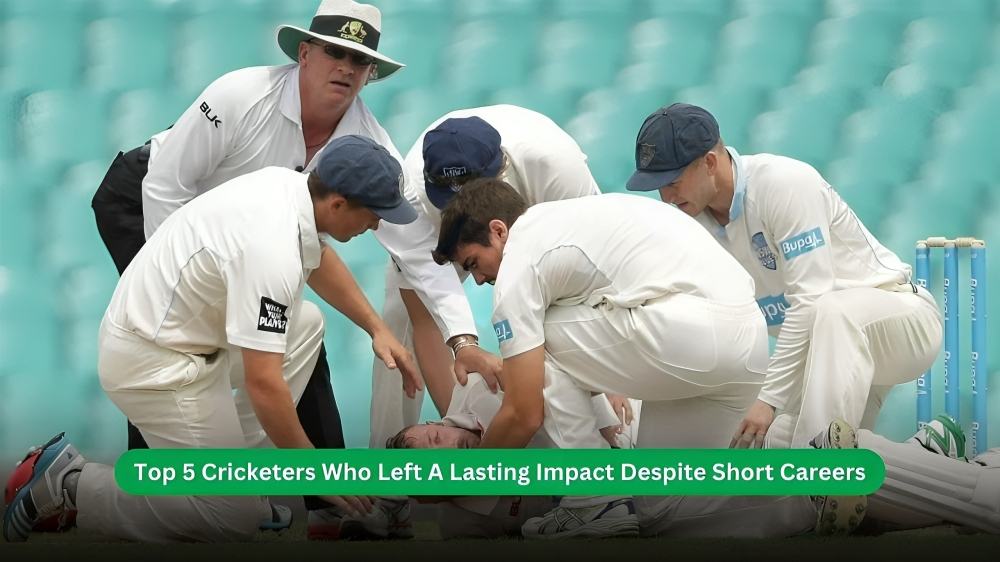
Top 5 cricketers who left a lasting impact despite short careers made significant contributions to the game. From explosive batsmen to talented bowlers, their extraordinary skills earned worldwide respect. Injuries, accidents, and unforeseen circumstances cut their journeys short, but their unforgettable performances continue to inspire future generations in cricket. 5. Ricardo Powell Age proved unkind to him, as a promising career had to end prematurely due to physical limitations. In the early 21st century and late 20th century, a strike rate close to 100 was a rare sight. This big-hitting cricketer from the Caribbean islands retired with a strike rate of over 96, a testament to his exceptional talent. Unfortunately, such rare abilities often fade due to the unstoppable passage of time. 4. Sohail Tanvir Tanvir was one of Pakistan’s most talented fast bowlers, known for his unorthodox action and useful batting lower down the order. Despite a promising start, his career took an unfortunate downturn. In his limited international appearances, he claimed 130 wickets, but it was his ability to target key opposition players that truly stood out, making a significant impact in his brief career. 3. Shaun Tait Shaun Tait’s career, though full of promise, was hampered by a series of injuries. Known for his unorthodox action and fiery pace, he terrorized batters with aggressive bodyline deliveries. However, his relentless focus on speed over precision ultimately took a toll on his body. Despite his potential, Tait ended his career with 95 international wickets from 59 matches, a testament to his skill and the limitations of his approach. 2. Irfan Pathan A career that could have left a lasting legacy was abruptly cut short after experimental attempts, especially with one of India’s rare reverse swing bowlers. Making an early impact by dismissing Gilchrist in his second Test match with a “ball of the century,” he went on to be pivotal in India’s 2007 T20 World Cup final, claiming three crucial wickets, including Afridi for a golden duck. Though his bowling was exceptional, his foray into batting, encouraged by coach Chappell, led to a decline in his bowling prowess. Despite his immense potential, his career was truncated to just 173 international caps, leaving fans wondering what could have been. 1. Phil Hughes Phil Hughes, tragically taken from us at just 25, was a rising star in Australian cricket. Known for his perfect technique, he played 26 Tests, amassing 1,535 runs, and 25 ODIs, scoring 826 runs. His promising career was cut short after a fatal bouncer from Sean Abbott, just a week before his 26th birthday. Hughes was compared to Australian legend Justin Langer, and his untimely death left the cricket world mourning a talent lost too soon. Welcome to E2Bet! Get ready for fun and exciting gaming adventures!
The Weight of a Cricket Ball
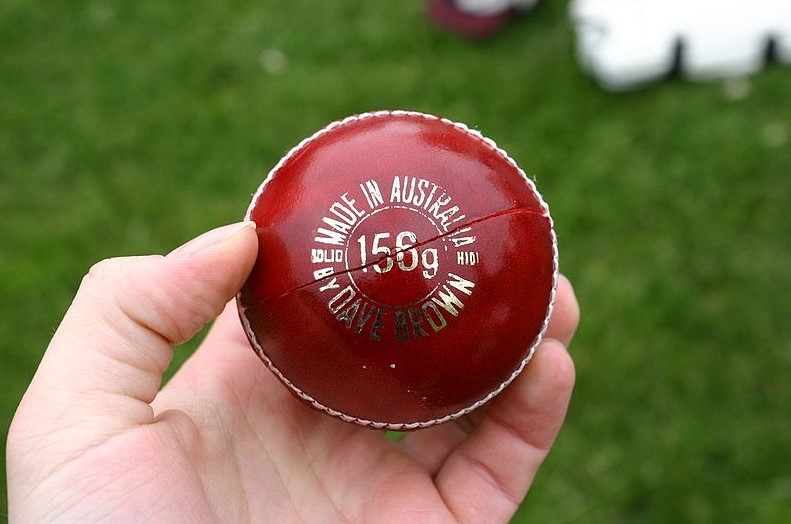
Cricket is a sport known for its precision, intricacy, and technicality. One of the most important aspects of the game is the cricket ball, an essential tool used by both bowlers and fielders to play the game. The weight of the cricket ball plays a crucial role in the sport, as it affects various aspects of the game, including the speed of delivery, swing, and spin. This article will explore the standard weight of a cricket ball, how it is regulated, and why it matters in different formats of the game. Standard Weight of a Cricket Ball The weight of a cricket ball is determined by the International Cricket Council (ICC) and other governing bodies like the Marylebone Cricket Club (MCC). These organizations ensure that the ball conforms to specific dimensions and weight standards, promoting consistency and fairness across matches, tournaments, and cricket formats globally. Table 1: ICC and MCC Regulations on Cricket Ball Weight Regulating Body Weight Range Ball Type ICC (International Cricket Council) 155.9 to 163 grams Standard Test Match Ball MCC (Marylebone Cricket Club) 155.9 to 163 grams Traditional Ball (used in both Test and Limited Overs formats) Women’s Cricket 140 to 150 grams Women’s Cricket Ball As per ICC and MCC regulations, the weight of a standard cricket ball for men is between 155.9 grams and 163 grams. For women’s cricket, the weight is slightly lighter, ranging from 140 grams to 150 grams. The weight can be affected slightly depending on the type of ball used—whether it’s a Test match ball, an ODI ball, or a T20 ball—but the variation is minimal. Cricket Ball Construction and Factors Affecting Weight A cricket ball consists of several parts, all of which contribute to its overall weight: The weight of the ball is primarily determined by the combination of the cork or rubber core, the winding, and the leather cover. The leather is tightly stitched around the ball, which can add a little bit to its overall weight. Table 2: Components of a Cricket Ball and Their Role in Weight Component Material Role in Weight and Performance Core Cork or Rubber Provides bounce and shape to the ball, affecting speed. Winding String or Yarn Adds weight and ensures the ball maintains its round shape. Leather Cover Dyed Leather (Red/White) Provides durability and surface for seam movement and spin. Stitching Cotton Thread Enhances grip for bowlers and aids in swing and spin. Weight and its Impact on the Game 1. Effect on Bowling Speed The weight of the cricket ball is one of the key factors influencing the speed at which it can be bowled. A heavier ball will typically be slower in terms of speed, but it will have a more significant impact when it reaches the batsman. Lighter balls, on the other hand, can be bowled faster but may lack the force of a heavier ball. Table 3: Speed vs. Weight of the Cricket Ball Ball Weight Effect on Speed Common Usage 155.9 to 163 grams Moderate Speed (slower) Typically used in Test matches 140 to 150 grams Higher Speed (faster) Used in Women’s Cricket and T20 formats 2. Impact on Swing and Spin 3. Effect on Fielding Fielders need to be quick and precise, and a cricket ball’s weight impacts how well they can handle it. A heavier ball requires more energy to catch or throw, while a lighter ball is easier to handle. Cricket Ball Weight by Format In modern cricket, the format of the game can dictate some differences in the ball used. Test matches, One Day Internationals (ODIs), and T20 formats all use cricket balls that generally fall within the weight ranges outlined by the ICC and MCC. However, slight variations can occur based on manufacturer preferences. Table 4: Weight of Cricket Balls in Different Formats Cricket Format Weight of Ball (grams) Other Specifications Test Match (Men) 155.9 to 163 grams Red ball with prominent seam and swing capabilities. One Day International 155.9 to 163 grams White ball with less swing but more emphasis on speed and accuracy. T20 Match 155.9 to 163 grams White ball, designed for higher speed and more aggressive bowling. Women’s Cricket 140 to 150 grams Lighter balls suited for the women’s game. Conclusion The weight of a cricket ball, whether in a Test, ODI, or T20 format, plays a vital role in influencing the style and strategy of the game. Weighing between 155.9 to 163 grams for men’s cricket, the ball affects the speed, swing, spin, and overall performance of both the bowlers and the fielders. The weight standards set by the ICC and MCC ensure that there is uniformity in play, promoting fairness in matches across different formats of the game. By understanding how the weight of the cricket ball affects various aspects of the sport, players and coaches can better strategize their game plans, whether they’re focusing on pace, spin, or swing. This makes the cricket ball not just a tool of the game, but an integral part of cricket’s intricate and thrilling nature. Welcome to E2Bet, here for you to enjoy playing fun and exciting games: