

How much is match fee for cricketers
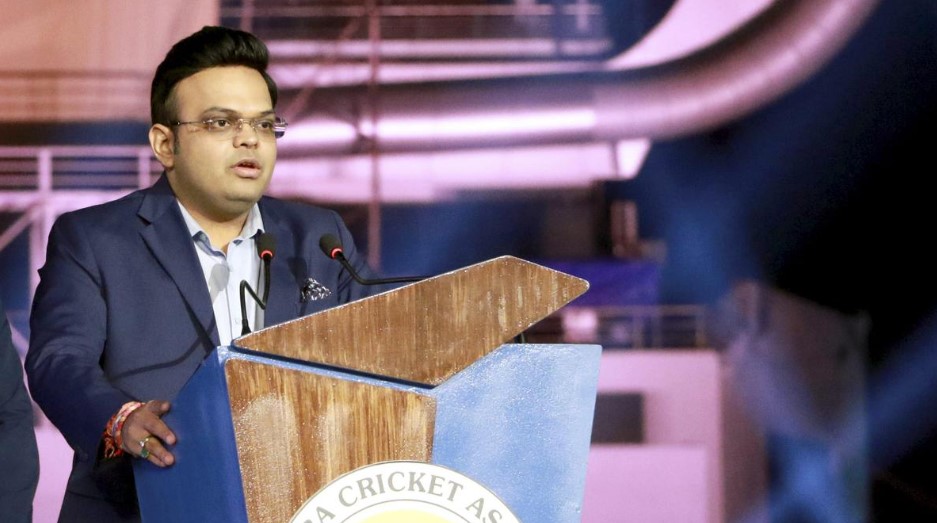
Match fee for cricketers: Living up to its promise of giving highest priority to Test cricket, the BCCI has decided to give an incentive of ₹45 lakh per game to all those who would play 75% or more of the scheduled red-ball games in a particular season, Board secretary Jay Shah said. A Test player, who appears in a possible 10 Tests in a season will be richer by a whopping ₹4.50 crore as incentive apart from a possible ₹1.5 crore (₹15 lakh per game) in usual match fee. The top cricketers also get an assured retainer fee from their annual central contracts. “I am pleased to announce the initiation of the ‘Test Cricket Incentive Scheme’ for Senior Men, a step aimed at providing financial growth and stability to our esteemed athletes,” Shah stated on ‘X’. “Commencing from the 2022-23 season, the ‘Test Cricket Incentive Scheme’ will serve as an additional reward structure on top of the existing match fee for Test matches, set at Rs 15 lakh,” he further stated. The incentives will be retrospective and would factor in players, who were part of Test cricket during the 2022-23 season. How the math work To put things in perspective, one can take the example of Indian skipper Rohit Sharma, who has appeared in all 10 Tests (World Test Championship final, 2 vs West Indies, 2 vs SA, 5 vs England) during the 2023-24 season. Rohit will get ₹1.5 core (₹15 lakhx10) in usual match fee and for giving priority to Test cricket, he will get another ₹4.5 crore (₹45 lakhx10). Hence, his earnings from Test cricket alone would stand at ₹6 crore. Add to it, he has an annual retainership of ₹7 crore per season, which takes his earnings to ₹13 crore. This obviously excludes his match fees for playing ODIs (₹8 lakh per game) and T20Is (₹4 lakh per game) in a season. The BCCI, in its explainer, has taken an average of nine Tests in a season. If someone has played less than 50% of the games (4 or less in this case), then he will only get a standard match fee of ₹15 lakh (for being in playing XI) and half that amount for reserves. However, the moment he plays between 50 to 75% of the games (five to six in case the base figure is nine), then there would be an additional match fee incentive of ₹30 lakh per game. So a player, who has played six Tests in a season, would get ₹90 lakh as existing match fee (₹15 lakhx6) and incentive of ₹1.8 crore (₹30 lakhx6), which takes his match fee plus incentives to ₹2.70 crore. Dravid calls it “reward” not “incentive” Head coach Rahul Dravid welcomed the move from BCCI and termed it as a reward for playing the toughest format. “Hope money is not going to be the incentive to play Test cricket. It is nice to see that it is a recognition that it is a hard format. Nice that BCCI is recognising that. It is a reward not an incentive,” Dravid said at the end of the 4-1 Test triumph over England in Dharamsala. The decision was taken after some players like Ishan Kishan, Shreyas Iyer and Deepak Chahar snubbed Ranji Trophy cricket to continue training with their IPL teams despite the Board’s diktat to prioritise red-ball cricket. “Rohit and I select playing 11. Sometimes I don’t even know who is contracted and who is not. No one is out of the mix,” Dravid said when asked about Test future of Iyer and Kishan. E2Bet : Welcome! Join Us for Non-Stop Betting Action!
James Faulkner: Australian cricketer James Faulkner reveals he is gay on his 29th birthday
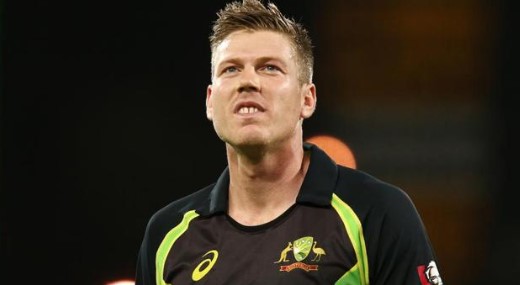
James Faulkner: The World Cup winning cricketer shared a photograph of himself having dinner with his mother Roslyn Carol Faulkner and his boyfriend of five years, Rob Jubb. Out of favour Australia all-rounder James Faulkner took to Instagram on his 29th birthday to reveal that he is in a same sex relationship. The World Cup winning cricketer shared a photograph of himself having dinner with his mother Roslyn Carol Faulkner and his boyfriend of five years, Rob Jubb. “Birthday dinner with the boyfriend @robjubbsta and my mother @roslyn_carol_faulkner #togetherfor5years,”. View this post on Instagram A post shared by James Faulkner (@jfaulkner44) A veteran of one Test, 69 ODIs and 24 T20 internationals, Faulkner had last donned the Aussie baggy green in a T20 match against Sri Lanka at the Adelaide on February 22, 2017. The all-rounder had won the Man of the Match award in the 2015 World Cup final which Australia had won by beating New Zealand by 7 wickets. While many sportspersons have come out in the open in the past revealing their gay identity, the number of such instances in cricket, especially in the men’s section, has been scarce. In 2011, former England international Steven Davies became the sport’s first active professional player to announce that he is gay. The wicketkeeper-batsman, who played 8 ODIs and 5 T20Is for England, made his revelations in a newspaper interview with The Daily Telegraph. On July 9, 2018, South Africa women’s cricket team captain Dane van Niekerk and teammate Marizanne Kapp tied the knot, becoming the second couple among the current batch of international cricketers to get married after New Zealand’s Amy Satterthwaite and Lea Tahuhu. After four years of courtship, Kiwi women cricketers Satterthwaite and Tahuhu got engaged in 2014 before getting married in March 2017. On April 19, two women cricketers tied the knot after New Zealand batswoman Hayley Jensen, who has played 8 ODIs and 20 T20Is, married uncapped Australian cricketer Nicola Hancock. E2Bet : Welcome! Join Us for Non-Stop Betting Action!
Four Indian cricketers who married foreigners
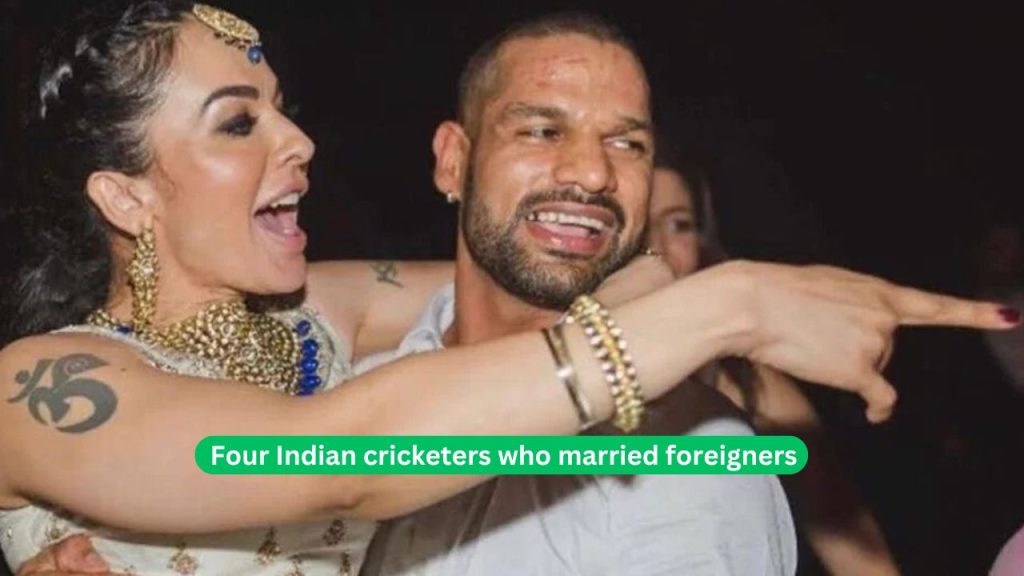
cricketers who married foreigners: Many believe that love has no religion, colour, country or boundaries. Some of our Indian cricketers fell in love with women from foreign land and proved it right. We bring the list of Indian cricketers who fell in love with foreigners and tied the know with them. Irfan Pathan married Safa Irfan Pathan and Safa Baig got married in the year 2016. The couple are blessed with cute baby boy named Imran Khan Pathan. Safa was born in February 28, 1994 in Saudi Arabia. Safa Baig is a journalist and model. Shikhar Dhawan married Ayesha Dhawan married Ayesha Mukherjee in the year 2012. The couple were blessed with a baby boy who they named ‘Zoravar’. However, after some personal problems Dhawan and Mukherjee ender their marriage in September 2021. Ayesha is a boxer and is ten years elder than the Indian cricketer. She was a one-time divorcee before marrying Dhawan and has two daughters from her first marriage. She’s an Australian. Hardik Pandya married this Serbian beauty Hardik married his girlfriend during the covid-19 pandemic period. The couple got engaged in January 2021 and soon got blessed with baby boy named ‘Agastya Pandya’. Natasa Stankovic is a Serbian model who has also featured in a few bollywood movies. Natasha was also a contestant in one of the biggest reality shows in India, Big Boss (Season 8). Yuvraj Singh is married to Hazel Keech Yuvraj Singh got engaged with Hazel Keech in 2015. Later, the couple got married in a Gurudwara near Chandigarh in 2016. The couple got married with Sikh traditions and culture. Hazel’s real name is Rose Dawn and after their marriage her name was changed to Gurbasant Kaur. The bollywood actress and model is British and has also appeared in various Indian films and Televisions. E2Bet : Welcome! Join Us for Non-Stop Betting Action!
Cricketers who took retirement in 2019: List of international cricketers that took retirement in 2019
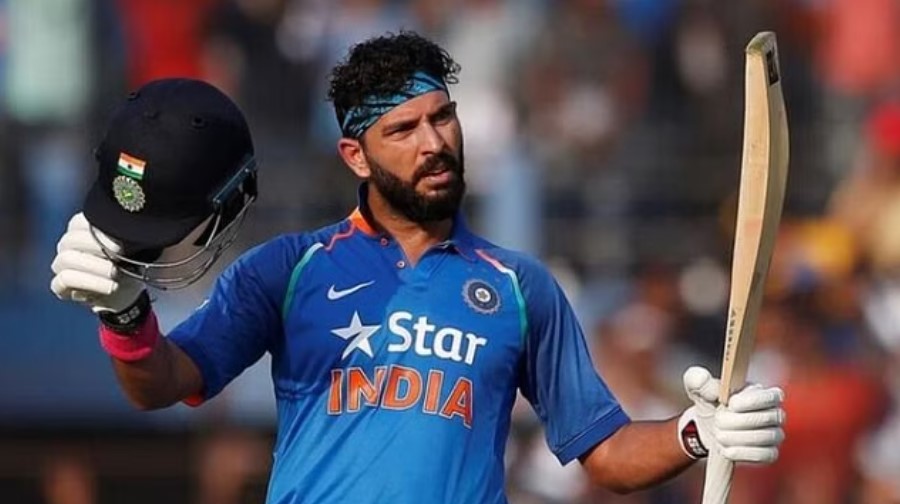
Cricketers who took retirement in 2019: A list of international cricketers who retired in 2019 marks the conclusion of an era, especially significant as we close out the decade. The 2010s have been a thrilling decade for cricket, filled with entertainment, controversies, and unforgettable moments. The game has undoubtedly evolved, showcasing new rules, innovative batting techniques, and unconventional shots. Several players defined an era during the 2010s, and by 2019, many of them announced their retirements, marking the end of significant careers. The retirements in 2019 were particularly noteworthy, given the impact these players had and the surprise surrounding their decisions. While some cricketers had lengthy careers, others departed the game earlier than expected. Additionally, a few opted for partial retirement, stepping away from certain formats to concentrate on either limited-overs matches or Test cricket. Cricketers who took retirement in 2019: There have been numerous instances of players retiring, and in light of this, Sportsrush will highlight the international cricketers who retired in 2019, marking the end of an era. List of international cricketers who took retirement in 2019 Shoaib Malik Shoaib Malik, the Pakistan all-rounder, announced his retirement from ODI cricket just minutes after their final match in the ICC World Cup 2019. Ambati Rayudu Ambati Rayudu, the Indian middle-order batsman, announced his retirement from all forms of cricket, including the IPL, in July 2019. His decision followed being overlooked for the ICC World Cup squad, despite being named as a standby. However, the veteran player opted to continue representing Hyderabad in domestic cricket. Hashim Amla Hashim Amla, the South African opener, announced his retirement from international cricket in August 2019, concluding a remarkable 15-year career. He finished with 124 Test matches, 181 ODIs, and 44 T20Is to his name, leaving a lasting legacy for his country. Imran Tahir Imran Tahir, the impactful spin bowler, announced his retirement from international cricket after South Africa’s early exit from the ICC World Cup 2019, marking the end of his ODI career. JP Duminy JP Duminy, the South African all-rounder, announced his retirement from One Day Internationals after the ICC World Cup 2019. While he had previously retired from Test cricket in 2017, he will remain available for the Proteas in the T20 format. Dale Steyn Dale Steyn, one of the greatest fast bowlers in cricket history, announced his immediate retirement from Test cricket. The South African pacer has struggled with multiple injuries in recent years, particularly during the ICC Men’s Cricket World Cup 2019. Yuvraj Singh Yuvraj Singh, the hero of India’s 2011 World Cup victory, announced his retirement from international cricket on June 10, concluding an 18-year career marked by resilience and remarkable achievements. Johan Botha Johan Botha, an all-rounder, announced his retirement from all forms of cricket in January of this year, effective immediately. He last played for the Hobart Hurricanes in the BBL and cited physical fatigue and wear and tear on his body as reasons for his decision to retire. Venugopal Rao All-rounder Venugopal Rao announced his immediate retirement from all forms of cricket last month. During his career, he represented India in 16 ODIs between 2005 and 2006. Lasith Malinga Lasith Malinga announced his retirement from international cricket after the first ODI against Bangladesh in the last week of July. The veteran bowler showcased his brilliance with a three-wicket haul, leading his team to a comfortable victory in his final match. Jade Dernbach England pacer Jade Dernbach announced his retirement from international cricket on a historic day for the England team. Having last played an international match in 2014, he will continue to represent Surrey in domestic cricket. Nuwan Kulasekara Sri Lankan paceman Nuwan Kulasekara announced his immediate retirement from international cricket in July. He concluded his career as the third-highest ODI wicket-taker for Sri Lanka among fast bowlers and fifth overall in the nation’s history. Mohammad Amir Pakistan fast bowler Mohammad Amir announced his immediate retirement from Test cricket on July 26. However, he will continue to represent his country in limited-overs formats. Solomon Mire Zimbabwe all-rounder Solomon Mire announced his retirement from international cricket across all formats. He decided to step away from Zimbabwean cricket following their recent tour of Ireland. Ajantha Mendis Sri Lankan cricketer Ajantha Mendis, known for his unique style as a mystery spinner, announced his retirement from all forms of cricket on August 28. Chamara Kapugedera Former Sri Lanka ODI captain Chamara Kapugedera announced his retirement from all forms of cricket a week ago. He made his ODI debut in 2006 against Australia and was a regular member of the squad until 2010. Vernon Philander Veteran South African fast bowler Vernon Philander announced that he will retire from international cricket following the series against England. Since making his debut in 2011, Philander has established himself as one of the finest fast bowlers in South Africa’s cricketing history. Peter Siddle One of Australia’s most cherished fast bowlers, Peter Siddle, announced his retirement from international cricket on December 29. E2Bet : Welcome! Join Us for Non-Stop Betting Action!
First player to score 10 thousand runs: From Sunil Gavaskar to Joe Root, get the complete list of players with 10,000 runs in Test cricket
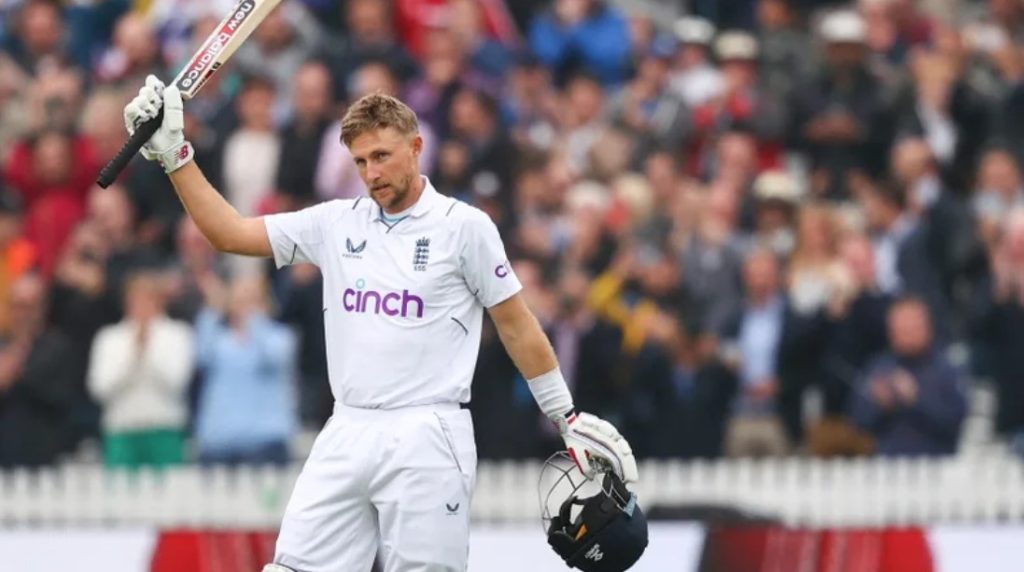
First player to score 10 thousand runs: Former England cricket team captain Joe Root has recently become the 14th player in history to score 10,000 runs in Test cricket. Root reached this milestone on the fourth day of the first Test against New Zealand at Lord’s Cricket Ground. His unbeaten 115 played a crucial role in helping England secure an impressive five-wicket victory over the reigning World Test Champions. At 31 years and 157 days, Root became the joint-youngest player to reach this milestone, matching the record set by his former teammate Alastair Cook, who achieved the same feat at exactly the same age. Root has now accumulated 10,015 runs in 118 Test matches, boasting an impressive average of 49.58. Throughout his career, he has scored 26 centuries and 53 half-centuries. First player to score 10 thousand runs: Who was the first player to score 10,000 runs in Test cricket? India cricket legend Sunil Gavaskar was the first player to score 10,000 runs in Test cricket. He made history on March 7, 1987, when he reached this remarkable milestone against Pakistan in his 124th Test in Ahmedabad. Gavaskar concluded his career with 10,122 runs in 125 matches, maintaining an average of 51.12. He recorded 34 centuries and 45 half-centuries throughout his time in Test cricket. Who was the fastest to score 10,000 runs in Test cricket? Former West Indies cricketer Brian Lara holds the record for the fastest to score 10,000 runs in Test cricket. He accomplished this milestone in his 111th match against England in Manchester in 2004. In terms of the number of innings taken to reach the milestone, Brian Lara, India’s Sachin Tendulkar, and Sri Lankan legend Kumar Sangakkara share the record for the fastest 10,000 runs in Test cricket. All three players achieved their 10,000th run in their 195th innings. First player to score 10 thousand runs: Who has scored the most runs in Test cricket? Indian cricket great Sachin Tendulkar holds the record for the most runs in Test cricket. The right-handed batsman accumulated 15,921 runs in 200 matches, boasting an average of 53.78. Throughout his illustrious career, Tendulkar scored 51 centuries and 68 half-centuries. How many cricketers have scored 10,000 runs in Test cricket? A total of 14 cricketers have scored 10,000 runs in Test cricket. The players who have reached this prestigious milestone are Sachin Tendulkar, Ricky Ponting, Jacques Kallis, Rahul Dravid, Alastair Cook, Kumar Sangakkara, Brian Lara, Shivnarine Chanderpaul, Mahela Jayawardene, Allan Border, Steve Waugh, Sunil Gavaskar, Younis Khan, and Joe Root. Players who have scored 10,000 runs in Test cricket Player Matches Innings Runs Average 100 50 Sachin Tendulkar (India) 200 329 15921 53.78 51 68 Ricky Ponting (Australia) 168 287 13378 51.85 41 62 Jacques Kallis (South Africa) 166 280 13289 55.37 45 58 Rahul Dravid (India) 164 286 13288 52.31 36 63 Alastair Cook (England) 161 291 12472 45.35 33 57 Kumar Sangakkara (Sri Lanka) 134 233 12400 57.40 38 52 Brian Lara (West Indies) 131 232 11953 52.88 34 48 Shivnarine Chanderpaul (West Indies) 164 280 11867 51.37 30 66 Mahela Jayawardene (Sri Lanka) 149 252 11814 49.84 34 50 Allan Border (Australia) 156 265 11174 50.56 27 63 Steve Waugh (Australia) 168 260 10927 51.06 32 50 Sunil Gavaskar (India) 125 214 10122 51.12 34 45 Younis Khan (Pakistan) 118 213 10099 52.05 34 33 Joe Root (England) 118 218 10015 49.57 26 53 E2Bet : Welcome! Join Us for Non-Stop Betting Action!
List of International cricketers who committed suicide
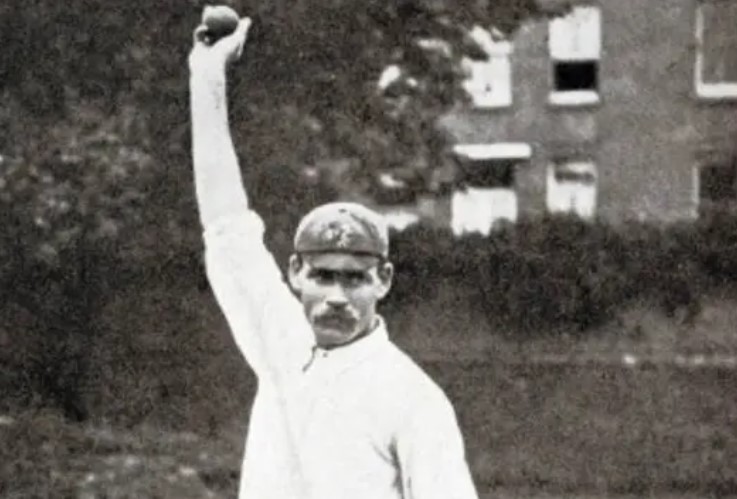
Cricketers who committed suicide: Suicides among cricketers are more frequently reported at the domestic level, where players often encounter significant challenges in advancing their careers. Cricketers are not immune to suicide, which often reflects underlying issues such as depression, personal or financial troubles, and health concerns in some cases. However, these tragedies are more commonly reported at the domestic level, where players face numerous challenges in developing their careers. Referencing books on cricketers’ suicides, such as By His Own Hand by David Frith (1990) and Silence of the Heart: Cricket Suicides (2001), it has been noted that around 20 international cricketers took their own lives due to depression, financial difficulties, and long-term health issues. The most recent case is that of England’s David Bairstow, father of current England wicketkeeper-batsman Jonny Bairstow, who took his own life in 1998 due to depression stemming from conflicts with the administration of his county team, Yorkshire. Former Sri Lankan player Sunil Jayasinghe took his own life at the age of 40 after spending over a decade away from the sport, having been banned by the national board from playing any form of cricket for 25 years. After moving to South Africa during the apartheid era due to the Sri Lankan board’s meager pay, he returned to Sri Lanka only to face a ban from the Sri Lanka Cricket Board. Here are cricketers who committed suicide after playing at the International level: Player Country Internationals Birth Year Death Reason William Scotton England 15 Tests 1856 Slitting his throat with razor (in 1893) Depressed by losing his place in Nottinghamshire team Arthur Shrewsbury England 23 Tests 1856 Shot himself at his sister’s home (1903) Incorrectly believed that he had an incurable disease Vincent Tancred South Africa 1 Test 1875 Shot killed himself (in 1904) Depression Albert Trott Australia / England 5 Tests 1873 Shot killed himself (in 1914) Financial issues Andrew Stoddart England 16 Tests 1863 Killed himself by firearm (in 1915) Failing health and burden of debts Billy Zulch South Africa 16 Tests 1886 Cut his throat (in 1924) Nervous Breakdown William Bruce Australia 14 Tests 1864 Drowned into a Sea (in 1925) Depression Aubrey Faulkner South Africa 25 Tests 1881 Gassed himself at his cricket school (in 1930) Depression Albert Relf England 13 Tests 1874 Shot killed himself (in 1937) Depressed by the illness of his wife George Shepstone South Africa 2 Tests 1876 Shot killed himself (in 1940) Suffering from cancer Fen Cresswell New Zealand 3 Tests 1915 Found dead with a gun next to him (in 1966) Suffering from cancer Jack Iverson Australia 5 Tests 1915 Shot killed himself (in 1973) Depression Sidney Barnes Australia 13 Tests 1916 Consumed barbiturates and bromide (in 1973) Depression Harold Gimblett England 3 Tests 1914 Overdosage of drugs (in 1978) Psychological problems Jim Burke Australia 24 Tests 1930 Killed himself with a shotgun (in 1979) Personal and financial worries Noel Harford New Zealand 8 Tests 1930 Unknown (in 1981) Financial issues Joe Partridge South Africa 11 Tests 1932 Shot killed himself in a Police Station (in 1988) Arrested for not paying hotel bill Glen Hall South Africa 1 Test 1938 Shot killed himself after several suicide attempts (in 1987) Divorce Sunil Jayasinghe Sri Lanka 2 ODIs 1955 Took poison (in 1995) 25-year ban by Sri Lanka Cricket Board David Bairstow England 4 Tests, 21 ODIs 1951 Hanged himself at home (in 1998) Depression E2Bet : Welcome! Join Us for Non-Stop Betting Action!
How Much Do Australian Women’s Cricketers Earn
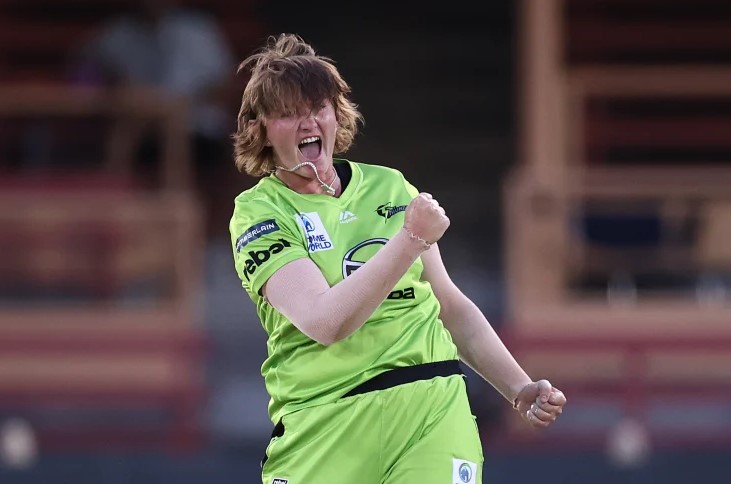
Australian Women’s Cricketers : Under a new multimillion-dollar action plan aimed at promoting growth in women’s and girls’ cricket, Australian cricketers participating in domestic competitions will earn an average salary of $160,000. Cricket Australia’s 10-year plan includes a revamp of the women’s Big Bash competition, which will transition to a 40-game regular season, aligning it with the BBL. Additionally, a new domestic women’s Twenty20 competition will be introduced to “create more high-performance opportunities for domestic players.” The governing body aims to boost the total revenue of women’s cricket by $100 million to ensure the sport remains “at the forefront of the women’s sports revolution.” In addition to raising player payments, the peak body has committed to a $500 million investment in “female-friendly” infrastructure. The goals include boosting grassroots participation among girls to 100,000 and increasing the average annual attendance for all women’s cricket to 600,000. The $500 million investment in infrastructure will be funded by various backers, including state governments and the sport’s infrastructure fund. WBBL contracts saw a significant increase in value last season under a new pay deal, with top-tier players earning over $100,000 for the 2023 tournament as the salary cap doubled. The salary cap will remain in place for the WBBL, even though the number of games has been reduced. Cricket Australia stated, “The new T20 competition will raise the average salary for female domestic players for 2024-25—encompassing WBBL contracts, state/territory contracts, and domestic match payments—to $163,322, reflecting an increase of $12,303 (8 percent) from 2023-24. Additionally, the current WBBL salary cap will be maintained, ensuring no reduction in player payments.” This year, Cricket Australia reported a median total remuneration gender pay gap of -0.4 percent, indicating that the midpoint for men’s pay was lower than that for women’s pay across the organization. The action plan will also prioritize filling stadiums and increasing attendance for international competitions. Australian cricket champion Ellyse Perry highlighted the significance of commercial growth for the sport. E2Bet : Welcome! Join Us for Non-Stop Betting Action!
Who is the highest paid Bangladesh player
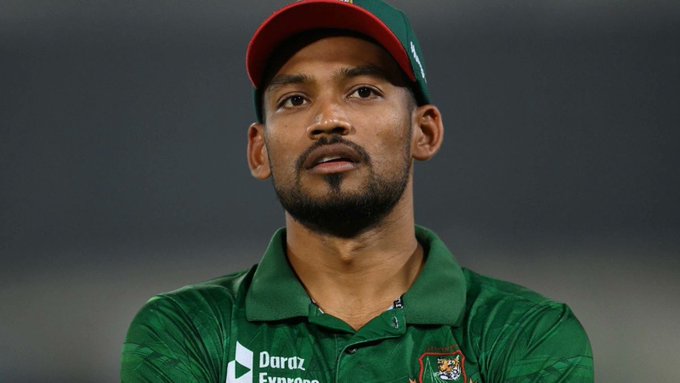
Bangladesh’s all-format captain Najmul Hossain Shanto has become the highest-paid player in the country, surpassing star allrounder Shakib Al Hasan, following an increase in his captaincy remuneration by the Bangladesh Cricket Board (BCB). The captain’s remuneration was raised from Taka 40,000 to Taka 1 lakh. Currently playing all formats of cricket, Shanto is classified as a category A+ cricketer and earns Taka 7.90 lakh per month. With the additional Taka 1 lakh for his captaincy, Shanto’s total salary reaches Taka 8.90 lakh. In comparison, Shakib, who plays in all three formats, earns Taka 7.90 lakh. Although Shanto is the captain in all three formats, his remuneration will only be considered for one format. This year, while the captain’s remuneration was increased, the salaries of other cricketers remained unchanged. However, match fees were raised: the Test match fee increased from Taka 6 lakh to Taka 8 lakh, the ODI fee rose from Taka 3 lakh to Taka 4 lakh, and the T20 match fee went up from Taka 2 lakh to Taka 2.50 lakh. Welcome to E2Bet , here are fun and exciting games for you to enjoy playing:
Top 10 Most popular Bangladesh Cricketers & their Wives

Popular Bangladesh Cricketers: Behind the cricketing success of Bangladesh’s national team stands a remarkable group of strong and accomplished women. These wives of some of the country’s most popular cricketers are not just supportive partners; they are also talented individuals with inspiring stories. Ranging from software engineers to fashion designers, this listicle highlights the top 10 most popular wives of Bangladesh cricketers, showcasing their impressive careers and beautiful love stories. Umme Ahmed Shishir (Wife of Shakib Al Hasan): Umme Ahmed Shishir, born in 1989 in Narayanganj, Bangladesh, is well-known not only as the wife of cricketer Shakib Al Hasan but also for her own accomplishments. She moved to the United States at the age of 10 and earned a degree in Computer Science. In addition to her academic success, Shishir is a model who has gained popularity on social media for her talent and beauty. Her diverse career as a software engineer and model has earned her a substantial following. Devasri Biswas Sanchita (Wife of Liton Das): Devasri Biswas Sanchita, an Indian television actress and model, is married to cricketer Liton Das. She runs her own YouTube channel, where she shares makeup tips and cooking tutorials, highlighting her versatility. Despite facing injuries from a gas cylinder explosion, Sanchita continues to inspire her followers with her resilience and creativity. Jannatul Kifayet Mondi (Wife of Mushfiqur Rahim): Jannatul Kifayet Mondi’s love story with Mushfiqur Rahim began like a fairy tale when they met at a wedding. After two years of dating, they tied the knot in 2014 and have recently welcomed a baby boy. At the time of their marriage, Mondi was pursuing her studies in Business Studies, showcasing her dedication to education. Sumona Haque (Wife of Mashrafe Mortaza): Sumona Haque, originally from South-West Bengal, is an independent fashion designer and entrepreneur. Her career in fashion includes positions at BGMEA and SMCUT from 2006 to 2010. In 2019, she made an appearance as a guest at TRESemme Bangladesh Fashion Week. Sumona’s talent in fashion and her entrepreneurial spirit have established her as a prominent figure, enhancing her role as the wife of Mashrafe Mortaza. Arpa (Wife of Sabbir Rahman): Arpa and Sabbir Rahman’s relationship has sparked controversy, especially following their private court marriage in 2019. While details about her profession remain largely unknown, their love story continues to captivate fans. Ayesha Siddiqui (Wife of Tamim Iqbal): Ayesha Siddiqui’s relationship with Tamim Iqbal spans eight years before they finally got married. Initially faced with rejection, their love story flourished despite the challenges of a long-distance relationship, with Ayesha studying in Malaysia while Tamim focused on his cricket career. They are now proud parents of two beautiful children. Ishrat Jahan (Wife of Rubel Hossain): Ishrat Jahan is a practicing advocate and a former municipal councilor for the Indian National Congress in Delhi. Although she faced legal controversies, her marriage to Rubel Hossain has helped them move past those challenges. Samia Parvin (Wife of Mustafizur Rahman): Samia Parvin, originally from New Zealand, married Mustafizur Rahman in a joyful celebration following the ICC World Cup. Although her profession is not specified, their wedding reception was a memorable occasion that garnered attention. Priyonti Debnath (Wife of Soumya Sarkar): Priyonti Debnath and Soumya Sarkar were united in marriage in 2020 during a traditional Bengali ceremony held at the Khulna Club. While specific details regarding their professional careers are not disclosed, they have gained considerable popularity and affection as a couple within Bangladesh. Their union has been well-received by the public, highlighting their status as a prominent pair in the cultural landscape of the region. Jannatul Kaswar Mishti (Wife of Mahmudullah): Before her marriage, Jannatul Kaswar Mishti was pursuing a degree in Business Administration. After marrying Mahmudullah, she embraced her new role as a homemaker. Their wedding was a grand celebration, marked by the presence of friends and family. Welcome to E2Bet , here are fun and exciting games for you to enjoy playing:
What Age Cricketers Retire? All you need to know
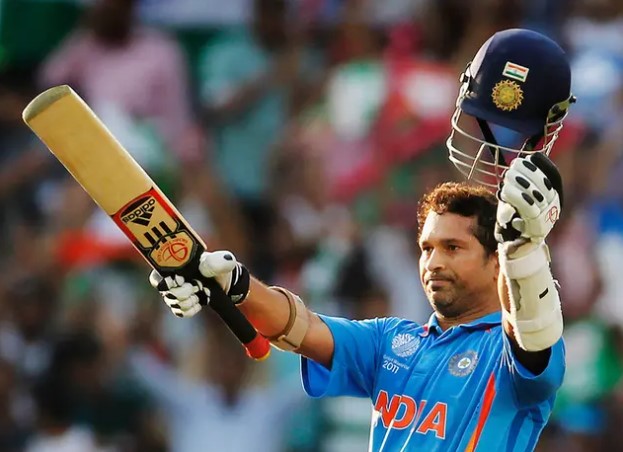
At What Age Cricketers Retire: Cricket’s retirement age is only going to push further given the increased stress on fitness and longevity that modern cricketers are adhering to. While batters and fielders have the luxury of retiring late, fast bowlers usually don’t get that. The short answer is there is no official age for a cricketer’s retirement. Being one of the few outdoor sports which doesn’t take a toll on an athlete’s body as much as football, badminton, lawn tennis or such high-intensity sports, cricketers are often found to keep playing till their late 30s. Cricket’s retirement age is only going to push further given the increased stress on fitness and longevity that modern cricketers are adhering to. While batters and fielders have the luxury of retiring late, fast bowlers usually don’t get that. However, James Anderson retiring at 41 has challenged that notion as well. Another argument could also be the gruelling schedule of modern cricket. The number of matches that the likes of Sachin Tendulkar, Ricky Ponting and others played has significantly increased today. Some cricketers have been an exception to this as well like Virat Kohli, Rohit Sharma and others, who are in their mid-30s and still going strong and eyeing the 2027 ODI World Cup when they will be almost 40. Injury management has been one of the more focused departments in modern cricket today with numerous nutritionists and medical professionals hired specifically to keep players fit despite the hectic schedule. At What Age Cricketers Retire: Cricketers Who Defied Retirement Age Gone are the days when fast bowlers had to sit out multiple series owing to injuries. The most recent example would be England’s legendary bowling duo Stuart Broad and James Anderson. A 41-year-old Anderson had debuted way back in May 2003 and played almost 21 years before hanging his boots with 704 Test wickets to his name, while still being equally effective with his seam bowling to deceive batsmen till the very day of his career. Pakistan all-rounder Shoaib Malik is another example. He retired from Test cricket at the age of 42 a few years back having made his debut way back in 2001. The spin-bowling all-rounder still continues to play in the T20 leagues across the globe and is available for selection for the national team in shorter formats like ODIs and T20Is. He is a regular fixture in the Pakistan Super League, Vitality Blast, Big Bash League, Mzansi Super League and many more tournaments. The biggest example, however, of a cricketer who has been defying the retirement age to play at the highest level is former India cricket team captain and World Cup winner MS Dhoni. The 42-year-old has been a CSK (Chennai Super Kings) mainstay since and even won the title two years back. He is set to appear in the iconic yellow jersey yet again in the India Premier League 2025. Another example would be the former West Indies legend Chris Gayle who is 44 years old and yet to announce his retirement although he hasn’t featured in the regular T20 Leagues for over a year now. Indian spinner Amit Mishra is 41 years old and still features in the Indian Premier League as an impact player from time to time for Lucknow Super Giants. Former South Africa international and 39-years-old Faf du Plessis is the captain of IPL side Royal Challengers Bangalore taking over the reins from Virat Kohli. Another RCB player who recently hung his boots is Dinesh Karthik who remained a pivotal name for the side till he was 38 years old. He was also in contention for a place in the Indian squad for the T20 World Cup 2024. Cricketers Who Retired Early Unlike the above examples, there are also a host of players who decided to retire early and pursue other passions like commentary and punditry. Former England hard-hitter Kevin Pietersen is one such example, who retired at the age of 33 after a forgettable Ashes outing. A huge name on this list would be former South African star and IPL legend AB de Villiers who shocked the world by retiring at the age of 34. The world-class batsman was still at his prime when he decided to hang his boots following a disappointing IPL outing with RCB thus ending a stellar career that earned him fans from every corner of the cricketing world. Too much cricket was cited as a reason for his untimely retirement. Former Indian star Suresh Raina who won the 2011 ODI World Cup and multiple IPL trophies with CSK had also stunned his fans by declaring his retirement in 2020. One of the youngest cricketers to debut for the country in the 2000s, Raina had a stellar career where he bailed India out of many difficult situations. However, following the stringent COVID guidelines under which IPL 2020 was played, Raina decided it was enough. While all these were examples of voluntary retirements, South Africa’s Mark Boucher had to step aside after enduring a career-ending eye injury in 2012 during a tour of England. Cricketers Who Retired After 40 While most cricketers leave international cricket to focus on the annual T20 tournaments as they age, some manage to remain a mainstay in the national squad till the very last day of their career. One such example would be former Indian batter and legend Sachin Tendulkar, who called time on his unparalleled cricketing career at the age of 40 when he played his last cricket match. The Master Blaster, as he was fondly called, had to wait more than two decades to attain his dream of winning an ODI World Cup before he did it in 2011. His contemporary, Sanatha Jayasuriya of Sri Lanka is another such example. The explosive batter played till he was 41 years old before inconsistent performances forced him to retire early. The southpaw had redefined batting in white-ball cricket when he led Sri Lanka to their only World Cup title in 1996. Cricketers Who Returned from