

Second-Largest Cricket Ground In The World By Capacity 2025
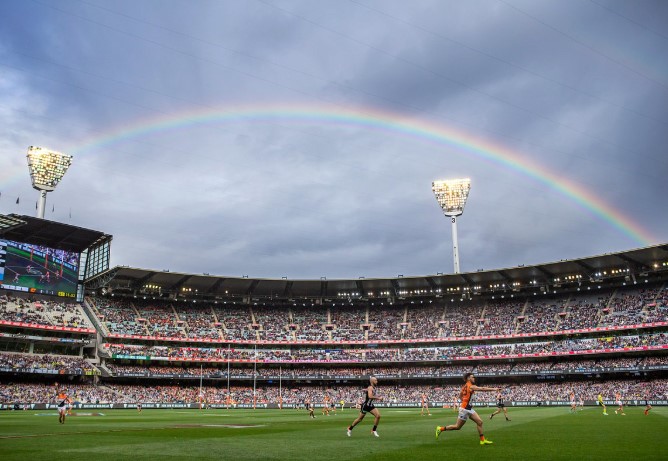
Cricket Ground: Cricket, a sport loved by millions, is often played in vast arenas that hold tens of thousands of spectators. These iconic stadiums not only provide a stage for top-tier cricketing action but also serve as symbols of the sport’s rich history and global reach. As cricket has evolved, some stadiums have grown to host massive crowds, making them landmarks in their respective countries. Among the numerous grand stadiums, one stands out as the second-largest cricket ground in the world by capacity. This monumental ground is the Melbourne Cricket Ground (MCG) in Australia, a venue that is deeply embedded in the history of cricket and is known for hosting some of the most thrilling matches in the sport. In this article, we will explore the significance of the Melbourne Cricket Ground, its history, its unique features, and how it ranks as the second-largest cricket ground in the world by seating capacity. Overview of the Melbourne Cricket Ground (MCG) The Melbourne Cricket Ground (MCG) is an iconic stadium situated in Melbourne, Victoria, Australia. It is primarily known for hosting cricket matches but is also used for other sports, such as Australian Rules Football, rugby, and concerts. Located on Yarra Park, near the city center of Melbourne, the MCG is one of the most famous sporting venues in the world. The MCG is renowned for its enormous seating capacity and is the largest stadium in Australia. It has hosted countless significant cricket events, including Test matches, One Day Internationals (ODIs), and the prestigious Boxing Day Test. Its capacity and prestige have made it the setting for numerous unforgettable moments in cricket history, including iconic Ashes series and World Cup finals. Basic Details of Melbourne Cricket Ground Feature Description Name Melbourne Cricket Ground (MCG) Location Melbourne, Victoria, Australia Seating Capacity 100,024 First Established 1853 Home Team Victoria (State Cricket Team) Major Events Hosted Ashes Series, World Cups, ICC Tournaments, AFL Matches Other Sports Played Australian Rules Football, Rugby, Concerts The MCG as the Second-Largest Cricket Ground When it comes to stadiums around the globe, the MCG ranks as the second-largest cricket ground by seating capacity, with an impressive total of 100,024 seats. This capacity places it just behind the Narendra Modi Stadium in Ahmedabad, India, which holds the title of the largest cricket stadium in the world. The MCG’s vast seating capacity makes it an iconic venue for international cricket. The stadium can accommodate more than 100,000 spectators, which is a significant achievement in the world of sports. Its size allows it to host large crowds, especially during major international cricket tournaments like the ICC Cricket World Cup or the ICC T20 World Cup. The MCG has witnessed the celebration of major milestones, from players scoring centuries to dramatic final overs that decide the fate of crucial matches. Comparison of Cricket Stadiums by Capacity Stadium Name Location Seating Capacity Year of Establishment Narendra Modi Stadium Ahmedabad, India 132,000 1982 (renovated in 2020) Melbourne Cricket Ground (MCG) Melbourne, Australia 100,024 1853 Eden Gardens Kolkata, India 66,000 1864 Lord’s Cricket Ground London, England 30,000 1814 Sydney Cricket Ground (SCG) Sydney, Australia 48,000 1848 The History of the MCG The MCG’s history stretches back to 1853, making it one of the oldest and most historically significant cricket grounds in the world. The stadium’s evolution has been intertwined with the development of cricket in Australia, and it holds a special place in the hearts of cricket fans around the world. The MCG has undergone multiple renovations and expansions over the years. It started as a modest venue with a grass embankment and limited seating but gradually transformed into the massive stadium we know today. The first major upgrade occurred in 1854, when seating was introduced, and the capacity continued to increase as cricket grew in popularity in Australia. The MCG is also famous for being the venue for several key moments in the sport, such as the first-ever Test match between Australia and England in 1877. It also hosted the 1992 Cricket World Cup Final, where Pakistan defeated England to win its first World Cup. More recently, the MCG was the venue for the 2015 Cricket World Cup Final, where Australia triumphed over New Zealand to claim their fifth World Cup title. The MCG’s Unique Features The Melbourne Cricket Ground stands out not only for its size but also for its features that make it one of the most modern and versatile stadiums in the world. The Great Southern Stand: One of the most significant features of the MCG is its Great Southern Stand, which was added in the early 2000s and helps boost the stadium’s seating capacity. This stand is famous for providing excellent views of the cricket action and for housing some of the most passionate Australian cricket fans. The Arena: The MCG has an enormous playing arena, which measures 173 meters in length and 146 meters in width. This vast expanse makes it suitable for hosting multiple sports, and it is often used for both cricket and Australian Rules Football matches. The center wicket area is where iconic cricketing moments unfold. The Members’ Area: The Members’ Area is one of the most prestigious parts of the MCG, offering exclusive access to long-time members of the stadium. This area is located at the southern end of the stadium and is known for providing premium views during cricket matches. The MCG’s Digital Infrastructure: The MCG is also famous for its cutting-edge digital infrastructure, including high-definition scoreboards and giant LED screens that provide spectators with live statistics, player profiles, and replays during the match. These features enhance the fan experience and help engage audiences during both cricket and other events. Hosting Major Cricket Events The MCG is often chosen to host key international cricket events due to its capacity and reputation. As mentioned earlier, it has been the venue for many high-profile cricket matches, including the ICC Cricket World Cup Final in 2015. In addition to the Cricket World Cup, the MCG also hosts various
How Much Does a Cricket Stadium Cost to Build?

Cricket Stadium: Building a cricket stadium involves a complex blend of engineering, architectural design, land acquisition, and operational factors. It’s not a simple endeavor but rather a monumental project that requires substantial investment. Whether for international tournaments, domestic leagues, or local clubs, the cost of constructing a cricket stadium can vary widely depending on the location, scale, facilities, and level of play involved. In this article, we will explore the factors affecting the cost of building a cricket stadium, provide a general cost breakdown, and compare some of the most prominent cricket stadiums around the world. 1. Factors Influencing the Cost of Building a Cricket Stadium Several factors contribute to the overall cost of constructing a cricket stadium. The following are the most significant: A. Location B. Design and Capacity C. Materials and Technology D. Environmental and Sustainability Features E. Regulatory Requirements Cost Breakdown of Building a Cricket Stadium To understand the costs more clearly, let’s break down the expenses into different categories: Category Estimated Cost (in USD) Comments Land Acquisition $5 million to $30 million Depending on location, size, and proximity to urban areas. Design and Architecture $2 million to $10 million Includes architectural planning, engineering designs, and contractor fees. Construction $30 million to $200 million Labor, materials, and general construction, depending on size and complexity. Seating and Infrastructure $10 million to $50 million Building stands, luxury boxes, and VIP sections. Floodlights and Audio Systems $5 million to $15 million Advanced floodlights and sound systems for night games and large crowds. Technology (CCTV, Scoreboards, Wi-Fi) $2 million to $10 million High-tech features such as electronic scoreboards, media facilities, and broadcast equipment. Pitch & Grounds $1 million to $5 million Development and maintenance of the pitch and surrounding field. Sustainability Features $1 million to $3 million Eco-friendly infrastructure like solar panels, energy-efficient lighting, and waste management. Total Estimated Cost $50 million to $350 million A range of costs depending on all the variables mentioned. Examples of Notable Cricket Stadiums and Their Costs Let’s compare some of the most notable cricket stadiums and their estimated construction costs: Stadium Name Location Seating Capacity Estimated Construction Cost (in USD) Year of Completion Melbourne Cricket Ground (MCG) Melbourne, Australia 100,024 $60 million (adjusted for inflation) 1853 Lord’s Cricket Ground London, England 30,000 $50 million 1814 Eden Gardens Kolkata, India 66,000 $80 million 1864 Wankhede Stadium Mumbai, India 33,000 $100 million 1974 Dubai International Cricket Stadium Dubai, UAE 25,000 $120 million 2009 The Gabba Brisbane, Australia 42,000 $100 million 1895 From the table, we can see that the construction costs vary depending on the region, design, and capacity of the stadium. How Do Costs Differ by Country? Costs can differ significantly from one country to another due to factors like labor costs, land prices, and access to materials. Here’s a comparison of construction costs in different countries: Country Estimated Cost (per 1,000 seats) Factors Affecting Cost Australia $10 million to $20 million Higher labor costs and quality materials. Access to skilled labor is abundant. India $2 million to $5 million Lower labor costs but expensive materials in some regions. United Kingdom $15 million to $25 million High cost of land and stringent regulations. United Arab Emirates $8 million to $18 million Modern construction methods and luxury facilities add to costs. South Africa $5 million to $15 million Relatively lower construction costs but limited high-tech infrastructure. How Long Does it Take to Build a Cricket Stadium? The time frame for constructing a cricket stadium depends on its size, complexity, and location. On average: The timeline can extend if issues arise related to the procurement of materials, unexpected weather delays, or complications in meeting regulatory standards. Operating and Maintenance Costs In addition to the initial construction costs, cricket stadiums also incur regular operating and maintenance expenses: Category Annual Operating Costs (in USD) Ground Maintenance $500,000 to $2 million Staff Salaries $2 million to $5 million Utilities (Electricity, Water, etc.) $500,000 to $1 million Security and Operations $1 million to $3 million Total Maintenance Costs $4 million to $10 million These costs depend on the size of the stadium, the frequency of events, and the level of services provided. Conclusion Building a cricket stadium is a massive financial undertaking. Costs can range from $50 million for smaller venues to over $350 million for state-of-the-art facilities. Factors such as location, capacity, design, technology, and amenities play a pivotal role in determining the overall cost. Additionally, maintenance and operational costs must be considered over the stadium’s lifecycle. For countries or organizations planning to build new stadiums, these considerations are crucial for making informed decisions about funding, financing, and sustainability. As cricket continues to grow in popularity worldwide, the demand for top-tier facilities will likely increase, driving further investment in the infrastructure of the sport. Welcome to E2Bet, Play Thrilling Games And Win Exciting Bonus!
Masterstroke Revealed: Suresh Raina on What Led India to ICC Champions Trophy 2013 Win
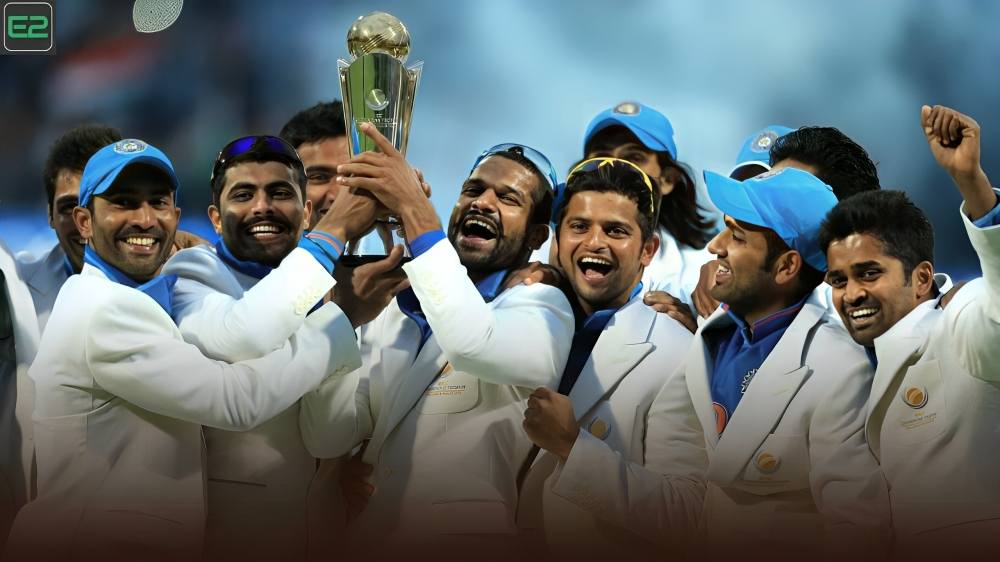
Suresh Raina retired from international cricket in 2020. India enters the ICC Champions Trophy 2025 as one of the tournament’s favorites, having showcased remarkable dominance in white-ball cricket. The Men in Blue reached the final of the ICC Cricket World Cup 2023 and went on to win the ICC Men’s T20 World Cup 2024. Placed in Group B, India will start their Champions Trophy 2025 campaign against Bangladesh on February 20 in Dubai. They will then face arch-rivals Pakistan and New Zealand on February 23 and March 2, respectively, at the same venue. Reflecting on his career, former Indian batter Suresh Raina has shared a tactical masterstroke that contributed to India’s victory in the ICC Champions Trophy 2013. Suresh Raina reveals what helped India win the ICC Champions Trophy 2013: Speaking on The Suresh Raina Experience: Champions Trophy Special, Raina described Rohit Sharma’s promotion to the opening slot as a “masterstroke,” which played a pivotal role in India’s victory in the ICC Champions Trophy 2013. Raina said, “It was a masterstroke. Look at the way they batted—they focused on timing instead of forcing shots. They attacked only when the delivery warranted it. Rohit, technically sound, wore the ball down before accelerating, while Shikhar took on the bowlers with his aggressive style.” Raina further explained that Dhawan’s natural aggression complemented Rohit’s ability to find boundaries effortlessly. He also highlighted how the duo consistently formed big partnerships. “Left-right combinations always trouble bowlers, and Shikhar was aggressive in his own way. Rohit could hit a six whenever he wanted,” Raina said. “Their partnerships were seamless. A 100-run stand would quickly turn into 150. They had a great understanding and trusted each other’s calls, which made all the difference.” Dhawan ended the tournament as the top run-scorer with 363 runs in five innings, while Rohit’s limited-overs career saw a significant transformation after the tournament. India will look to replicate their 2013 success in the upcoming Champions Trophy. E2Bet welcomes you! Fun and exciting games at your fingertips!
When Did Australia Last Win a Match in the ICC Champions Trophy?
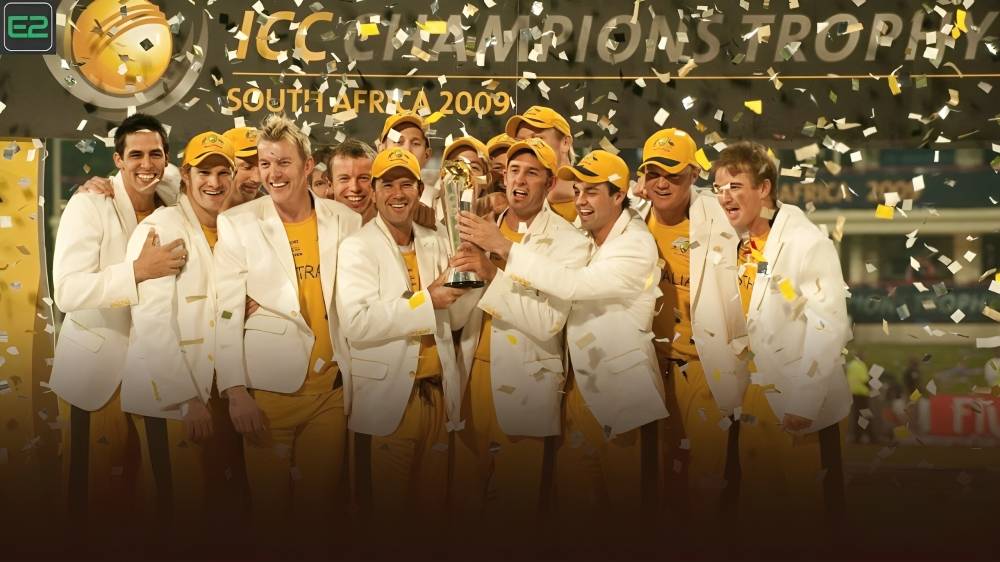
Australia will be without their regular captain Pat Cummins for the ICC Champions Trophy 2025. As the most successful nation in world cricket, Australia’s legacy is built on six ICC Cricket World Cup victories, two ICC Champions Trophies, one ICC Men’s T20 World Cup, and an ICC World Test Championship title. Drawn in Group B for the ICC Champions Trophy 2025, Australia faces significant challenges even before the tournament begins. They have been plagued by a series of injury setbacks, with Pat Cummins, Josh Hazlewood, and Mitchell Marsh all ruled out due to injuries. Additionally, Mitchell Starc and Marcus Stoinis will miss the event due to personal reasons and ODI retirement, respectively. To make matters worse, Australia’s recent performances in the ICC Champions Trophy have been disappointing, with the team failing to win a single match in the last two editions. Let’s now take a look at the last time Australia secured a win in the ICC Champions Trophy. When was the last time Australia won a match in the ICC Champions Trophy ? Australia’s last ICC Champions Trophy victory came in the 2009 final at Centurion, where they defeated arch-rivals New Zealand by six wickets to claim the title. Australia bowled the Kiwis out for just 200 in the first innings, and Shane Watson led the chase with an unbeaten 105 off 129 balls, steering Australia to back-to-back Champions Trophy titles. However, since then, Australia has struggled in the tournament, failing to win any of their next six matches. They suffered defeats against England and Sri Lanka, while their 2013 clash with New Zealand was washed out. The 2017 edition proved even more challenging for Australia. Their first two matches, against New Zealand and Bangladesh, were both abandoned due to rain. They then faced a 40-run loss to England in Birmingham. Australia will begin their Champions Trophy 2025 campaign against England on February 22 in Lahore. The team management will be hoping to reverse their disappointing record in the competition. Welcome to E2Bet! Play fun games and experience the excitement!
MS Dhoni’s Heartwarming Gesture Towards Sarfaraz Ahmed
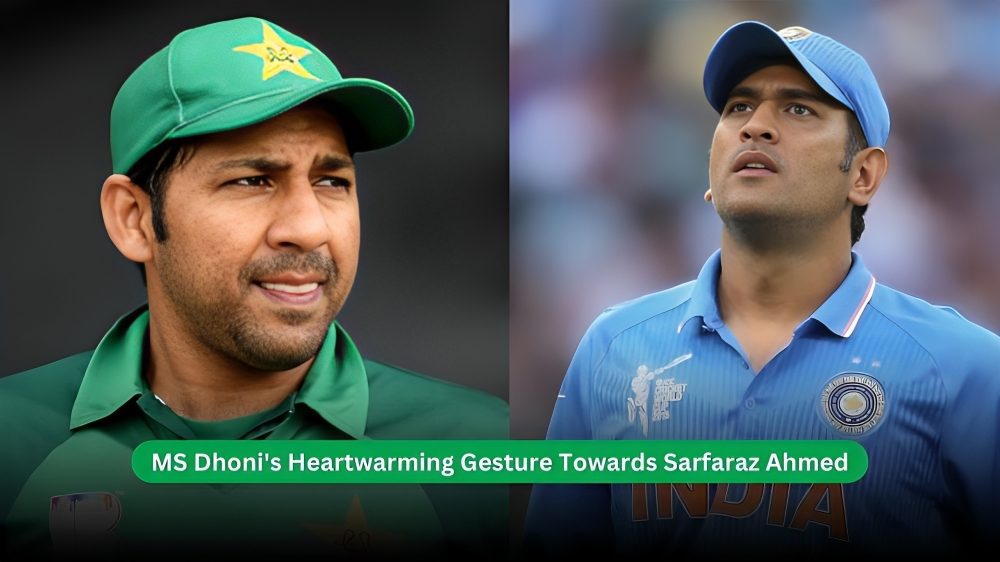
MS Dhoni’s heartwarming gesture towards Sarfaraz Ahmed, holding his infant son during a visit, transcended cricket rivalries. The spontaneous act symbolized respect and camaraderie between nations. Their conversation on cricket and wicketkeeping highlighted Dhoni’s willingness to mentor, promoting sportsmanship, humanizing players, and fostering positive connections between India and Pakistan. The Backdrop: Cricket’s Greatest Rivalry The India-Pakistan cricket rivalry is one of the fiercest in sports, shaped by deep historical and political tensions. Matches between these two nations hold immense emotional weight, making every encounter highly charged. In the 2017 Champions Trophy final, India faced Pakistan in a contest where national pride was at stake. Pakistan, seen as underdogs, defied expectations and reached the final, while India, as defending champions, were the favorites. The match was not just about cricket—it was about carrying the hopes of millions. In such a tense and high-pressure environment, MS Dhoni’s gesture towards Sarfaraz Ahmed stands out. Despite the fierce rivalry, Dhoni’s act displayed sportsmanship and respect, transcending national borders and offering a rare moment of camaraderie in an intense rivalry. This moment was symbolic of the true spirit of cricket—one that values respect, even in the most competitive of circumstances. The Moment: MS Dhoni Meets Abdullah Sarfaraz Ahmed shared a heartwarming recollection of the photograph years later. The moment happened when Dhoni, while visiting family friends, casually came downstairs. Seeing the opportunity, Dhoni held Sarfaraz’s three-month-old son, Abdullah, for a photo. This simple, unplanned gesture captured a powerful message of camaraderie. What made this act truly special was its simplicity. Dhoni, typically composed on the field, extended the same calm warmth off it. By holding Abdullah, he bridged the gap between two cricketing rivals—India and Pakistan—demonstrating respect, humanity, and shared experiences that transcended national borders. The photograph became a symbol of the unspoken bonds between players, a rare but beautiful reminder of unity in a sport that often divides. Beyond the Photo: A Cricketing Conversation The interaction between Dhoni and Sarfaraz extended beyond the photograph. Sarfaraz revealed that he had an insightful conversation with Dhoni about wicketkeeping and cricket, where he sought advice on balancing roles as a wicketkeeper, batsman, and captain. Dhoni generously shared valuable tips, showcasing his humility and support for fellow cricketers. This exchange highlights Dhoni’s mentorship, offering wisdom to a young captain like Sarfaraz. It emphasizes how personal connections and shared experiences transcend national rivalries, fostering growth and unity within the cricketing world. The impact of such mentorship extends far beyond the field, benefiting players’ development and strengthening the sport globally. The Ripple Effect: Impact on Cricket Culture Dhoni’s gesture, while personal and spontaneous, had far-reaching effects on the perception of player relationships and the culture of cricket. Humanizing Cricket’s Heroes The photograph and the story behind it served to humanize players who are often seen only through the lens of their on-field performances. It reminded fans that beyond the intense competition, cricketers are individuals with families, friendships, and shared experiences. Fostering Sportsmanship This moment reinforced the spirit of sportsmanship that cricket, at its best, embodies. It showed that respect and camaraderie could coexist with fierce competition, setting an example for players and fans alike. Breaking Down Barriers In the context of India-Pakistan relations, where cricket often serves as a proxy for larger tensions, Dhoni’s action was a powerful symbol of connection and shared humanity. It challenged stereotypes and demonstrated the potential for sport to build bridges between nations. The Larger Picture: Cricket Diplomacy Cricket has long been a tool for diplomacy between India and Pakistan, with moments of goodwill helping ease tensions. Historical ContextCricket has been central to India-Pakistan diplomacy, from the “Cricket for Peace” series in 2004 to various government-backed initiatives aimed at fostering better relations. Dhoni’s Gesture in Diplomatic TermsWhile not an official diplomatic act, Dhoni’s gesture was a form of people-to-people diplomacy. It humanized both nations and showed how positive interactions could bridge divides. The Role of Individual AthletesAthletes like Dhoni play a vital role in shaping perceptions, demonstrating how personal acts of kindness can foster understanding and mutual respect across borders. Welcome to E2Bet! Get ready for fun and exciting gaming adventures!
ZIM vs IRE Dream11 Prediction, Playing XI, ODI Series 2025 – Match 3
The three-match ODI series between Zimbabwe and Ireland has reached an exciting conclusion, with both teams winning one game each. This sets up the third and final match as a series decider. The two sides will face off on Tuesday, February 18, at Harare Sports Club. Curtis Campher played a crucial role in the second ODI, claiming three wickets and scoring a match-winning half-century. Captain Paul Stirling also contributed significantly with the bat. The pitch has offered a balanced contest so far, with batters able to score runs after settling in, while bowlers have found some assistance. The new ball will pose a challenge, but as it softens, spinners are expected to gain more grip. However, if rain interrupts, batters might face additional difficulties in accumulating runs. ZIM vs IRE: Match Details Match: Zimbabwe (ZIM) vs Ireland (IRE), 3rd ODI, Zimbabwe vs Ireland ODI series 2025 Match Date: February 18 (Tuesday) Time: 1:00 PM IST / 07:30 AM GMT / 09:30 AM LOCAL Venue: Harare Sports Club, Harare ZIM vs IRE: Head-to-Head In ODI cricket, Ireland have won 11 out of 24 matches played against Zimbabwe. Zimbabwe has secured 9 victories, while 4 matches ended with no result, and 1 match was tied. ZIM vs IRE: Weather Report Tuesday’s forecast in Harare shows a 20% chance of rain during the scheduled match time. The maximum temperature will reach 24°C, with humidity levels at 70%. ZIM vs IRE: Pitch Report The pitch has offered a balanced contest so far. Batters have been able to score runs after settling in, while bowlers have also received some assistance. The new ball will pose a challenge, but spinners will likely get more grip as the ball softens. However, if rain does occur, batting conditions could become more challenging for run-scoring. ZIM vs IRE: Predicted XIs: Zimbabwe: Brian Bennett, Ben Curran, Craig Ervine (c), Wessly Madhevere, Sikandar Raza, Johnathan Campbell, Tadiwanashe Marumani (wk), Trevor Gwandu, Wellington Masakadza, Blessing Muzarabani, Richard Ngarava Ireland: Andrew Balbirnie, Paul Stirling (c), Lorcan Tucker (wk), Curtis Campher, Harry Tector, George Dockrell, Mark Adair, Graham Hume, Andy McBrine, Matthew Humphreys, Joshua Little Suggested Dream11 Fantasy Team No. 1 ZIM vs IRE Dream11: Wicket-keeper: Lorcan Tucker Batters: Paul Stirling, Brian Bennett All-rounders: Sikandar Raza, Wessly Madhevere, Andy McBrine, Curtis Campher Bowlers: Mark Adair, Richard Ngarava, Blessing Muzarabani Captain First-Choice: Sikandar Raza || Captain Second-Choice: Andy McBrine Vice-Captain First-Choice: Mark Adair || Vice-captain Second-Choice: Blessing Muzarabani Welcome to E2Bet! Play fun games and experience the excitement!
Know Your Opponents: Squads of Teams India Will Face in the Group Stage of ICC Champions Trophy 2025
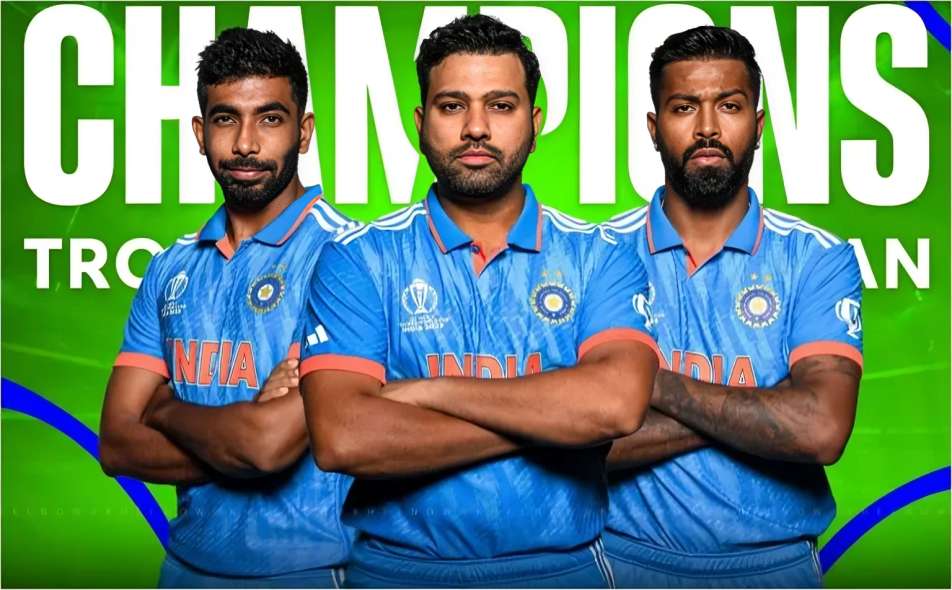
India will kick off their ICC Champions Trophy 2025 campaign against Bangladesh. As always, India enters the tournament as one of the favorites. The Men in Blue have been in excellent form in white-ball cricket, reaching the final of the ICC Cricket World Cup 2023 and winning the ICC Men’s T20 World Cup 2024. However, India will be without star pacer Jasprit Bumrah, who couldn’t recover from a back injury in time for the tournament. Interestingly, India will be the only team taking five spinners to the competition. India has been placed in Group A, alongside hosts Pakistan, Bangladesh, and New Zealand. All of India’s group-stage matches will be played in Dubai. India’s campaign begins against Bangladesh on Thursday, February 20. They will face arch-rivals Pakistan on Sunday, February 23, followed by a match against New Zealand on March 2 to conclude the group stage. What are the squads of teams whom India will face in group stage of ICC Champions Trophy 2025 The squads of India’s opponents in the ICC Champions Trophy 2025 group stage—Bangladesh, Pakistan, and New Zealand are listed below Bangladesh Najmul Hossain Shanto (capt), Mushfiqur Rahim (wk), Towhid Hridoy, Soumya Sarkar, Tanzid Hasan, Mahmudullah, Jaker Ali, Mehidy Hasan Miraz, Rishad Hossain, Taskin Ahmed, Mustafizur Rahman, Parvez Hossain, Nasum Ahmed, Tanzim Hasan, Nahid Rana Pakistan Mohammad Rizwan (C), Salman Ali Agha (Vc), Babar Azam, Fakhar Zaman, Kamran Ghulam, Saud Shakeel, Tayyab Tahir, Faheem Ashraf, Khsudil Shah, Usman Khan, Abrar Ahmed, Akif Javed, Mohammad Hasnain, Naseem Shah, Shaheen Shah Afridi New Zealand Mitchell Santner (c), Michael Bracewell, Mark Chapman, Devon Conway, Lockie Ferguson, Matt Henry, Tom Latham, Daryl Mitchell, Will O’Rourke, Glenn Phillips, Rachin Ravindra, Ben Sears, Nathan Smith, Kane Williamson, Will Young. Welcome to E2Bet! Play fun games and experience the excitement!
3 RCB Players Set to Dominate IPL 2025
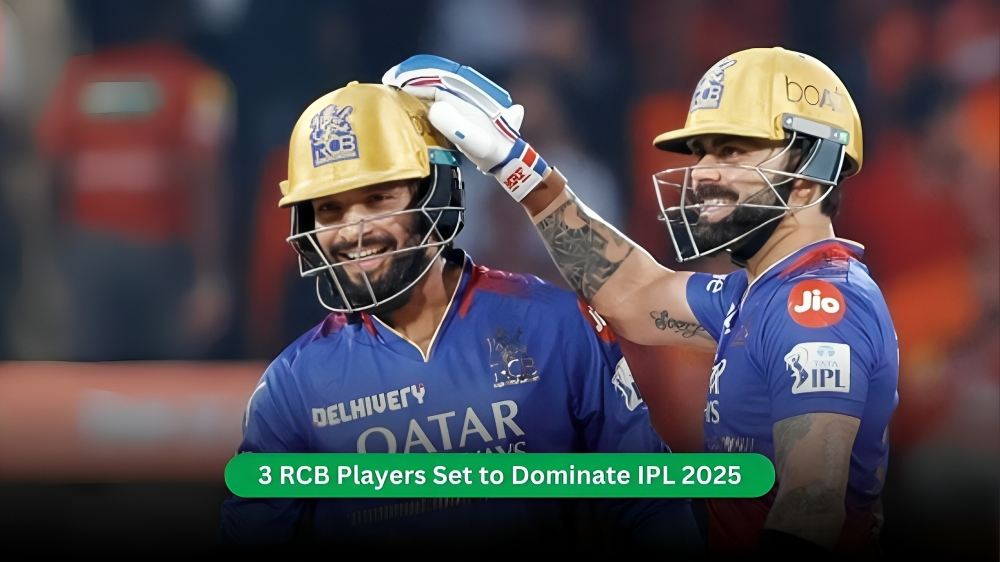
3 key players are poised to dominate IPL 2025 for their team. One offers consistent batting prowess, another brings aggressive playing and adaptability, while the third provides experienced bowling skills, particularly in crucial overs. Together, they offer a perfect blend of leadership, talent, and game-changing potential. Virat Kohli Virat Kohli, a stalwart for Royal Challengers Bangalore (RCB), remains a force to reckon with in IPL. Following an impressive 741-run season in 2024, his adaptability to various conditions and consistent performances continue to make him RCB’s cornerstone. Kohli’s presence extends beyond just runs; his leadership, even without the captaincy, motivates the team and sets the tone for success. As IPL 2025 approaches, Kohli’s influence will be vital, not just with the bat, but in fostering a winning team culture, further solidifying his role as RCB’s key player. Rajat Patidar Rajat Patidar has quickly risen to prominence as one of Indian cricket’s most exciting young talents, particularly in white-ball formats. His stellar performances in the Syed Mushtaq Ali Trophy have highlighted his aggressive batting style combined with technical precision. Known for his ability to handle both pace and spin, Patidar has proven his ability to turn matches around with his fearless approach. For Royal Challengers Bangalore, Patidar’s knack for playing crucial knocks in pressure situations makes him a potential game-changer. His journey from domestic cricket to becoming a regular fixture in RCB’s lineup speaks volumes about his dedication and potential. With Patidar’s presence, RCB hopes to finally lift the IPL trophy and fulfill the dreams of millions of their loyal fans. Bhuvneshwar Kumar Bhuvneshwar Kumar’s move to Royal Challengers Bangalore (RCB) after being dropped from Sunrisers Hyderabad is a strategic acquisition. Known for his ability to swing the ball both ways, he brings vital experience, skill, and composure under pressure. His effectiveness in powerplay and death overs, combined with leadership in guiding younger pacers, strengthens RCB’s bowling unit. Bhuvneshwar’s return to form could provide RCB with the crucial depth needed in their attack, potentially completing their puzzle for a balanced and formidable squad in IPL 2025. Welcome to E2Bet! Get ready for fun and exciting gaming adventures!
What Made Yuvraj Singh A Great Player 2025?
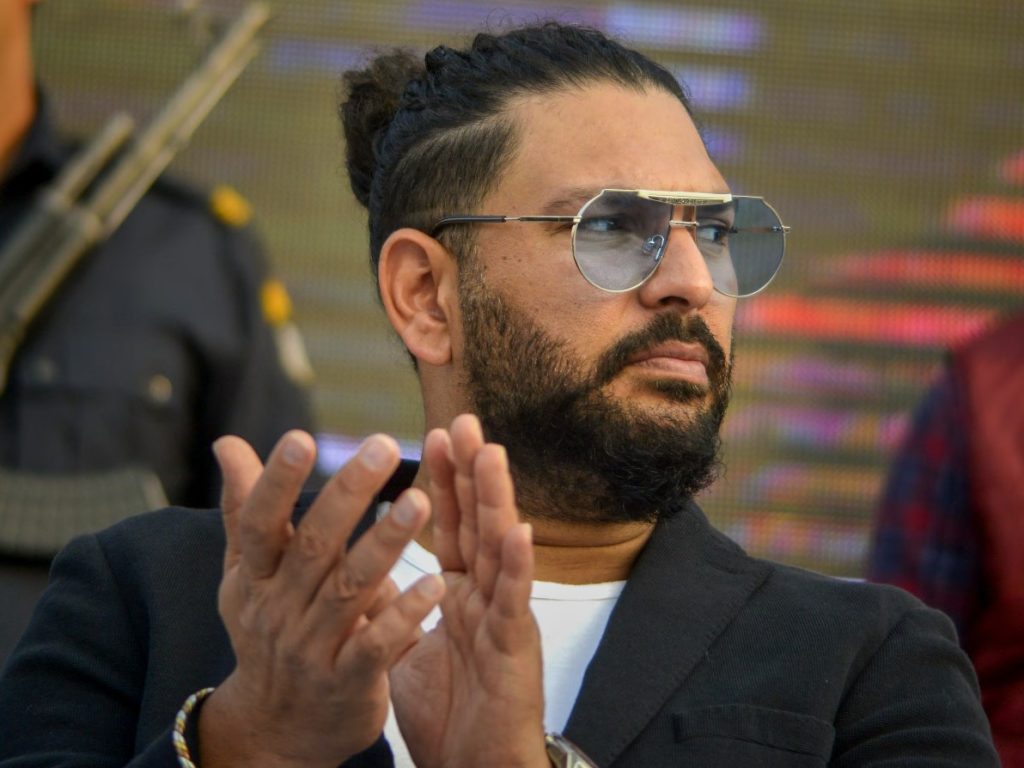
Yuvraj Singh: Yuvraj Singh is a name that resonates with every cricket enthusiast. Known for his swashbuckling batting, exceptional fielding, and all-round skills, Yuvraj’s contribution to Indian cricket goes far beyond the runs he scored and the wickets he took. His journey from a promising youngster to one of the most iconic players in Indian cricket history is marked by moments of brilliance, resilience, and a spirit of never giving up. But what truly made Yuvraj Singh a great player? It wasn’t just his raw talent or aggressive batting style, but a combination of mental toughness, versatility, and the ability to perform under pressure that set him apart. Yuvraj Singh: Aggressive Batting Style Yuvraj Singh: One of the most defining features of Yuvraj Singh’s career was his aggressive batting style. From the moment he made his debut in 2000, Yuvraj demonstrated his flair for playing fearless cricket. His ability to take on the best bowlers in the world with ease and flair made him a key player in the middle order for India. Whether it was dominating fast bowlers or playing spin with ease, Yuvraj’s attacking mindset was his hallmark. Yuvraj Singh: His match-winning knock of 69 runs off 63 balls against Pakistan in the 2007 ICC T20 World Cup is a perfect example of his aggressive style. But it wasn’t just about hitting boundaries and sixes; Yuvraj knew when to accelerate and when to consolidate. His approach to batting made him one of the most destructive limited-overs players of his time. Ability To Perform In Big Matches Yuvraj Singh’s ability to deliver when the stakes were high was a major reason for his success. His performance in high-pressure situations proved that he was not just a talented cricketer, but one who could thrive under pressure. His performances in major ICC tournaments, particularly the 2007 T20 World Cup and the 2011 Cricket World Cup, highlighted his ability to rise to the occasion. Yuvraj Singh’s Key Performances In ICC Tournaments Tournament Year Runs Wickets Key Contributions ICC T20 World Cup 2007 148 4 Played a crucial role in India winning the inaugural T20 World Cup, including hitting six sixes in an over. ICC Cricket World Cup 2011 362 15 Player of the Tournament, vital contributions with both bat and ball, helping India win the World Cup. ICC Champions Trophy 2009 77 0 Played a key role in India’s success in the 2009 Champions Trophy. ICC World T20 2009 67 0 Played key roles in India’s journey to the semi-finals. Yuvraj’s ability to turn up in critical matches, especially in the 2007 T20 World Cup and the 2011 World Cup, makes him one of the great match-winners in Indian cricket. His memorable knock of 70 runs off 30 balls against Australia in the 2007 T20 World Cup and his all-round contributions in the 2011 World Cup are etched in the memories of millions of fans. All-Round Skills Yuvraj’s ability to contribute with both bat and ball made him a valuable asset for any team. As an all-rounder, he was a key figure in India’s successes across formats. His left-arm orthodox spin was highly effective, especially in limited-overs cricket. He was able to pick up crucial wickets at critical junctures, providing India with an option for breaking partnerships. In fact, it was his all-round performances that made him indispensable to India’s middle-order during the 2003 and 2007 World Cups. His 3-wicket haul in the 2007 T20 World Cup match against Australia was an important part of India’s victory, where his batting was equally destructive. Yuvraj Singh’s Bowling Statistics Format Matches Wickets Best Bowling Economy Rate Average ODIs 304 36 4/19 5.24 44.77 T20Is 58 28 3/19 7.06 29.14 His skills as a bowler may not have always received the same level of recognition as his batting. But Yuvraj’s ability to provide breakthroughs with the ball made him one of the most effective all-rounders in limited-overs cricket. Mental Toughness And Resilience Perhaps one of the most admirable aspects of Yuvraj’s career is his mental toughness and resilience. He faced numerous setbacks, including a difficult battle with cancer in 2012, which temporarily derailed his career. However, Yuvraj’s comeback from cancer was nothing short of inspirational. He not only overcame the disease but also made a successful return to international cricket. His resolve to return to the sport he loved showed immense mental strength. Yuvraj’s determination to succeed in the face of adversity is one of the key factors that elevated him to greatness. His performances after his battle with cancer, especially in the 2014 World T20, where he contributed significantly despite being out of form for a while, demonstrated his incredible will to fight. Versatility Across Formats Yuvraj was not only an exceptional player in limited-overs cricket, but he also had the ability to adapt to different formats of the game. Although his Test career did not reach the same heights as his limited-overs achievements, his ability to perform in ODIs and T20s cemented his place as one of the best all-format players in world cricket. His performances in both ODIs and T20Is, particularly in ICC tournaments, were exceptional. Yuvraj’s versatility made him a valuable asset in all conditions, whether on spinning tracks or fast-paced wickets. Contribution To India’s Success In ICC Tournaments One of the most significant achievements of Yuvraj’s career was his contribution to India’s triumph in ICC tournaments. His all-round performances were critical to India’s successes in the 2007 T20 World Cup and the 2011 Cricket World Cup. The 2011 World Cup, in particular, was a defining moment for Yuvraj. He played an instrumental role in India’s victory, contributing with both bat and ball, and was named the Player of the Tournament. Yuvraj Singh’s All-Round Performance In The 2011 World Cup Match Runs Wickets Key Contributions Group Stage vs. Bangladesh 14 2 Crucial wickets that helped India restrict Bangladesh to a low score Group Stage vs. Ireland 50* 2 An all-round performance that ensured a win for India. Quarter-final vs. Australia
Which Cricketer Had The Saddest Ending To His Career?
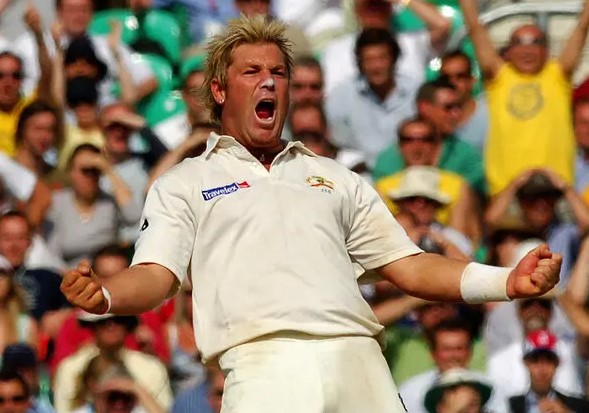
Saddest Ending: Cricket, a sport rich with history and drama, has seen its share of extraordinary careers. Some players have enjoyed a flawless rise to stardom, while others have faced tragic and untimely endings to their careers. Whether through injuries, controversies, or personal misfortunes, certain cricketers’ careers have ended in ways that left fans heartbroken and the cricketing world in shock. This article explores the cricketers who faced the saddest endings to their careers, with a focus on their challenges and the emotional impact on both the players and their followers. 1. Saddest Ending: Shane Warne: The Sudden Tragic Loss One of the most iconic cricketers of all time, Shane Warne was revered for his unparalleled leg-spin skills and his larger-than-life personality. However, Warne’s career and life were tragically cut short in 2022. The End of an Era Warne, who retired in 2007, was still involved in the game as a commentator and a mentor to young cricketers. He passed away suddenly on March 4, 2022, from a suspected heart attack at the age of 52. His death shocked the entire cricketing world, leaving a void that could never truly be filled. Career Summary and Statistics Statistic Detail Career Span 1992–2007 Matches Played 145 Tests, 194 ODIs Total Wickets 708 in Tests, 293 in ODIs Best Bowling Performance 8/71 (Test Match) Achievements 1999 World Cup Winner, 700+ Test wickets The Heartbreak Warne’s unexpected passing felt like a premature end not just to his career but to his life. His last significant cricketing achievement was mentoring the Australian team for the 2021-22 Ashes series, but Warne had remained an integral figure in the sport. The loss resonated not only because of his greatness but also because he was still so active and young in the cricketing world. 2. Vinod Kambli: A Career Wasted by Indiscipline Vinod Kambli was once touted as India’s next big batting sensation, following in the footsteps of his childhood friend Sachin Tendulkar. However, Kambli’s career was plagued by off-field issues and a lack of discipline that ultimately led to his untimely fall from the cricketing elite. The Decline of Kambli’s Career After a stellar start to his career, including a remarkable double century in Test cricket, Kambli’s performances declined dramatically. His weight issues, indiscipline, and strained relationship with the Indian cricket board (BCCI) led to his ousting from the national team. Kambli was never able to regain his former glory, and his career fizzled out. Career Summary and Statistics Statistic Detail Career Span 1991–2000 Matches Played 17 Tests, 104 ODIs Total Runs 1,084 in Tests, 2,447 in ODIs Highest Score 227 in Tests, 86 in ODIs Average 54.2 in Tests, 32.59 in ODIs The Sad Ending Kambli’s career ended on a bitter note, with a relatively brief stint on the national stage. His inability to sustain his early promise and the controversies surrounding his personal life marked a tragic and sad end for a player who was once considered one of India’s brightest cricketing prospects. 3. Mohammad Azharuddin: A Career Marred by Scandal Mohammad Azharuddin, one of India’s most successful captains, was known for his elegant stroke play and leadership skills. However, his career came to an abrupt and controversial halt due to allegations of match-fixing. The Match-Fixing Scandal Azharuddin’s involvement in one of the biggest match-fixing scandals of the 1990s led to his ban from cricket in 2000. Despite maintaining his innocence, the ban tarnished his legacy and cast a dark shadow over what had been a glittering career. His career officially ended with this ban, and though his name was later cleared, the damage had been done. Career Summary and Statistics Statistic Detail Career Span 1984–2000 Matches Played 99 Tests, 174 ODIs Total Runs 4,876 in Tests, 9,378 in ODIs Centuries 9 in Tests, 7 in ODIs Batting Average 45.03 in Tests, 36.92 in ODIs The Legacy of Controversy Although Azharuddin was later exonerated by the Andhra Pradesh High Court in 2012, the mark of the scandal remained. His career ended not because of a lack of ability or success, but due to a scandal that left him ostracized from the sport he had once dominated. 4. Raman Lamba: A Fatal Accident Raman Lamba was an Indian cricketer who represented India in a brief yet promising career. Lamba’s career was overshadowed by his tragic death at the age of 38. He had a reputation as a brilliant fielder and a steady opening batsman, but his life ended tragically while playing a club match in Bangladesh. The Tragic Accident In 1998, Lamba was fielding at short leg during a match when he attempted to catch a ball while not wearing a helmet, despite repeated warnings from teammates. The ball struck his head, and he collapsed on the field. The injury led to a coma, and he tragically passed away a few days later from a brain hemorrhage. His death was an example of how a career and life can be cut short by an avoidable accident. Saddest Ending: Career Summary and Statistics Statistic Detail Career Span 1982–1990 Matches Played 32 Tests, 89 ODIs Total Runs 1,350 in Tests, 1,246 in ODIs Best Score 124 in Tests, 102 in ODIs Saddest Ending: A Career Cut Short Saddest Ending: Lamba’s death not only deprived him of a chance to further cement his place in cricket history, but it also served as a sobering reminder of the fragility of life. His premature passing remains one of the saddest stories in cricket history. 5. Curtly Ambrose: The Unfortunate Retirement Saddest Ending: Curtly Ambrose was one of the most fearsome fast bowlers the cricket world has ever seen. Representing the West Indies, Ambrose’s menacing pace and bounce made him a central figure in the team throughout the 1990s. However, his career ended in a manner that left fans disappointed. Saddest Ending: The Declining Years Saddest Ending: In 2000, at the height of his powers, Ambrose shocked the cricketing world by announcing his sudden retirement from the game. There were rumors