

IPL 2025: Complete Schedule for Kolkata Knight Riders (KKR)
Kolkata Knight Riders won the IPL 2024. Kolkata Knight Riders (KKR) emerged as the champions of IPL 2024. The Indian Premier League (IPL) 2025 will kick off on March 22, with defending champions KKR taking on Royal Challengers Bengaluru (RCB) in the opening match of the season at Eden Gardens, Kolkata. The playoffs will begin on May 20, while the final is set for May 25 in Kolkata. KKR dominated IPL 2024, finishing at the top of the league stage before securing convincing victories against Sunrisers Hyderabad (SRH) in both Qualifier 1 and the final to claim their third IPL title. Like last season, KKR will play seven matches at their home venue, Eden Gardens in Kolkata. During IPL 2025, the defending champions will face RCB, Chennai Super Kings (CSK), Rajasthan Royals (RR), Punjab Kings (PBKS), and Sunrisers Hyderabad (SRH) twice. Meanwhile, they will take on Gujarat Titans (GT), Mumbai Indians (MI), Lucknow Super Giants (LSG), and Delhi Capitals (DC) once. Notably, KKR will play their matches against Mumbai Indians and Delhi Capitals only in away fixtures. IPL 2025: Kolkata Knight Riders full schedule Mar 22, Sat – Kolkata Knight Riders vs Royal Challengers Bengaluru, 1st Match, Eden Gardens, Kolkata, 7:30 PM IST / 02:00 PM GMT / 07:30 PM LOCAL Mar 26, Wed – Rajasthan Royals vs Kolkata Knight Riders, 6th Match, Barsapara Cricket Stadium, Guwahati, 7:30 PM IST / 02:00 PM GMT / 07:30 PM LOCAL Mar 31, Mon – Mumbai Indians vs Kolkata Knight Riders, 12th Match, Wankhede Stadium, Mumbai, 7:30 PM IST / 02:00 PM GMT / 07:30 PM LOCAL Apr 03, Thu – Kolkata Knight Riders vs Sunrisers Hyderabad, 15th Match, Eden Gardens, Kolkata, 7:30 PM IST / 02:00 PM GMT / 07:30 PM LOCAL Apr 06, Sun – Kolkata Knight Riders vs Lucknow Super Giants, 19th Match, Eden Gardens, Kolkata, 3:30 PM IST / 10:00 AM GMT / 03:30 PM LOCAL Apr 11, Fri – Chennai Super Kings vs Kolkata Knight Riders, 25th Match, MA Chidambaram Stadium, Chennai, 7:30 PM IST / 02:00 PM GMT / 07:30 PM LOCAL Apr 15, Tue – Punjab Kings vs Kolkata Knight Riders, 31st Match, Maharaja Yadavindra Singh International Cricket Stadium, Mullanpur, Chandigarh, 7:30 PM IST / 02:00 PM GMT / 07:30 PM LOCAL Apr 21, Mon – Kolkata Knight Riders vs Gujarat Titans, 39th Match, Eden Gardens, Kolkata, 7:30 PM IST / 02:00 PM GMT / 07:30 PM LOCAL Apr 26, Sat – Kolkata Knight Riders vs Punjab Kings, 44th Match, Eden Gardens, Kolkata, 7:30 PM IST / 02:00 PM GMT / 07:30 PM LOCAL Apr 29, Tue – Delhi Capitals vs Kolkata Knight Riders, 48th Match, Arun Jaitley Stadium, Delhi, 7:30 PM IST / 02:00 PM GMT / 07:30 PM LOCAL May 04, Sun – Kolkata Knight Riders vs Rajasthan Royals, 53rd Match, Eden Gardens, Kolkata, 3:30 PM IST /10:00 AM GMT / 03:30 PM LOCAL May 07, Wed – Kolkata Knight Riders vs Chennai Super Kings, 57th Match, Eden Gardens, Kolkata, 7:30 PM IST / 02:00 PM GMT / 07:30 PM LOCAL May 10, Sat – Sunrisers Hyderabad vs Kolkata Knight Riders, 60th Match, Rajiv Gandhi International Stadium, Hyderabad, 7:30 PM IST / 02:00 PM GMT / 07:30 PM LOCAL May 17, Sat – Royal Challengers Bengaluru vs Kolkata Knight Riders, 68th Match, M.Chinnaswamy Stadium, Bengaluru, 7:30 PM IST / 02:00 PM GMT / 07:30 PM LOCAL Welcome to E2Bet! Play exciting games and experience endless fun!
IPL 2025: Complete Schedule for Sunrisers Hyderabad (SRH)

IPL 2025: Sunrisers Hyderabad Full Schedule Sunrisers Hyderabad finished as the runners-up in IPL 2024 after an impressive campaign. The 18th edition of the Indian Premier League (IPL) will commence on March 22, 2025, with defending champions Kolkata Knight Riders (KKR) taking on Royal Challengers Bengaluru (RCB) at Eden Gardens, Kolkata. The playoffs will begin on May 20, while the final is set to take place on May 25 in Kolkata. SRH had a remarkable 2024 season, setting multiple batting records, including the highest-ever IPL total of 287/3 against RCB in Bengaluru. For IPL 2025, they will once again play seven matches at their home venue, Rajiv Gandhi International Stadium in Hyderabad. Notably, four of their first six fixtures will be at home, giving them an early advantage. During the season, SRH will face Delhi Capitals (DC), Gujarat Titans (GT), Mumbai Indians (MI), Lucknow Super Giants (LSG), and Kolkata Knight Riders (KKR) twice. Meanwhile, they will take on Rajasthan Royals (RR), Royal Challengers Bengaluru (RCB), Punjab Kings (PBKS), and Chennai Super Kings (CSK) once. Interestingly, SRH will play their matches against RCB and CSK only in away fixtures. IPL 2025: Sunrisers Hyderabad full schedule Mar 23, Sun – Sunrisers Hyderabad vs Rajasthan Royals, 2nd Match, Rajiv Gandhi International Stadium, Hyderabad, 3:30 PM IST / 10:00 AM GMT / 03:30 PM LOCAL Mar 27, Thu – Sunrisers Hyderabad vs Lucknow Super Giants, 7th Match, Rajiv Gandhi International Stadium, Hyderabad, 7:30 PM IST / 02:00 PM GMT / 07:30 PM LOCAL Mar 30, Sun – Delhi Capitals vs Sunrisers Hyderabad, 10th Match, Dr. Y.S. Rajasekhara Reddy ACA-VDCA Cricket Stadium, Visakhapatnam, 3:30 PM IST / 10:00 AM GMT / 03:30 PM LOCAL Apr 03, Thu – Kolkata Knight Riders vs Sunrisers Hyderabad, 15th Match, Eden Gardens, Kolkata, 7:30 PM IST / 02:00 PM GMT / 07:30 PM LOCAL Apr 06, Sun – Sunrisers Hyderabad vs Gujarat Titans, 20th Match, Rajiv Gandhi International Stadium, Hyderabad, 7:30 PM IST / 02:00 PM GMT / 07:30 PM LOCAL Apr 12, Sat – Sunrisers Hyderabad vs Punjab Kings, 27th Match, Rajiv Gandhi International Stadium, Hyderabad, 7:30 PM IST / 02:00 PM GMT / 07:30 PM LOCAL Apr 17, Thu – Mumbai Indians vs Sunrisers Hyderabad, 33rd Match, Wankhede Stadium, Mumbai, 7:30 PM IST / 02:00 PM GMT / 07:30 PM LOCAL Apr 23, Wed – Sunrisers Hyderabad vs Mumbai Indians, 41st Match, Rajiv Gandhi International Stadium, Hyderabad, 7:30 PM IST / 02:00 PM GMT / 07:30 PM LOCAL Apr 25, Fri – Chennai Super Kings vs Sunrisers Hyderabad, 43rd Match, MA Chidambaram Stadium, Chennai, 7:30 PM IST / 02:00 PM GMT / 07:30 PM LOCAL May 02, Fri – Gujarat Titans vs Sunrisers Hyderabad, 51st Match, Narendra Modi Stadium, Ahmedabad, 7:30 PM IST / 02:00 PM GMT / 07:30 PM LOCAL May 05, Mon – Sunrisers Hyderabad vs Delhi Capitals, 55th Match, Rajiv Gandhi International Stadium, Hyderabad, 7:30 PM IST / 02:00 PM GMT / 07:30 PM LOCAL May 10, Sat – Sunrisers Hyderabad vs Kolkata Knight Riders, 60th Match, Rajiv Gandhi International Stadium, Hyderabad, 7:30 PM IST / 02:00 PM GMT / 07:30 PM LOCAL May 13, Tue – Royal Challengers Bengaluru vs Sunrisers Hyderabad, 64th Match, M.Chinnaswamy Stadium, Bengaluru, 7:30 PM IST / 02:00 PM GMT / 07:30 PM LOCAL May 18, Sun – Lucknow Super Giants vs Sunrisers Hyderabad, 70th Match, Bharat Ratna Shri Atal Bihari Vajpayee Ekana Cricket Stadium, Lucknow, 7:30 PM IST / 02:00 PM GMT / 07:30 PM LOCAL Fun and excitement meet at E2Bet! Welcome to thrilling games!
Who Will Step In For The Injured Allah Ghazanfar In Mumbai Indians’ IPL 2025 Squad?

Mumbai Indians have announced Mujeeb Ur Rahman as a replacement for the injured Allah Ghazanfar for IPL 2025. Ghazanfar, a promising 18-year-old spinner, was acquired for ₹4.80 crore in the auction but has been ruled out due to a fracture in his L4 vertebra, sustained during Afghanistan’s tour of Zimbabwe. This injury also sidelines him for the upcoming ICC Champions Trophy. Mujeeb’s inclusion reshapes the team’s bowling lineup, showcasing Mumbai’s ability to make swift, strategic decisions in response to challenges. Mujeeb Ur Rahman Mujeeb Ur Rahman, a talented mystery spinner from Afghanistan, made his IPL debut in 2018 with Punjab Kings, quickly becoming a standout performer. His rise in T20 cricket has been remarkable, making history as the youngest player to take an IPL wicket. Known for his deceptive variations, Mujeeb has evolved into one of Afghanistan’s most reliable spinners. His adaptability in different playing conditions, coupled with consistent performances in T20 leagues worldwide, has made him a valuable asset in the shortest format, and a sought-after player for teams looking to strengthen their spin department. Here’s the IPL performance in a table format: IPL Performance Highlights Total IPL Matches 19 Total IPL Wickets 19 Best Bowling Figures 3/27 Debut Season (2018) 14 wickets in 11 matches at an economy of 6.99 Mujeeb’s impact goes beyond statistics, creating pressure and forcing batsmen into mistakes, making him a tactical asset. T20 Cricket Credentials Here’s a summary of Mujeeb Ur Rahman’s T20 career credentials: T20 Career Highlights Total T20 Matches 256 Total T20 Wickets 275 Bowling Average 23.67 Economy Rate 6.75 Powerplay Wickets (1-6 overs) 107 Powerplay Economy Rate 6.69 Mujeeb’s exceptional skill in early overs and versatility across various conditions has made him a sought-after bowler in global T20 leagues. International T20 Credentials Here’s the information in table format: T20I Matches 49 appearances representing Afghanistan Wickets 63 scalps across various conditions and opponents Average 17.14, highlighting his consistency Economy Rate 6.33 (sixth-best among full-member team bowlers), demonstrating his ability to control runs In the context of Afghanistan cricket, Mujeeb’s achievements stand out prominently. Among his compatriots, only three players have surpassed his wicket-taking record in T20Is: the legendary Rashid Khan with 159 wickets, the experienced Mohammad Nabi with 97 wickets, and the emerging Naveen-ul-Haq with 67 wickets. This places him in elite company within Afghanistan’s cricketing hierarchy. Welcome to E2Bet! Get ready for fun and exciting gaming adventures!
Why MS Dhoni Was The Most Successful Captain Of The Indian National Cricket Team 2025
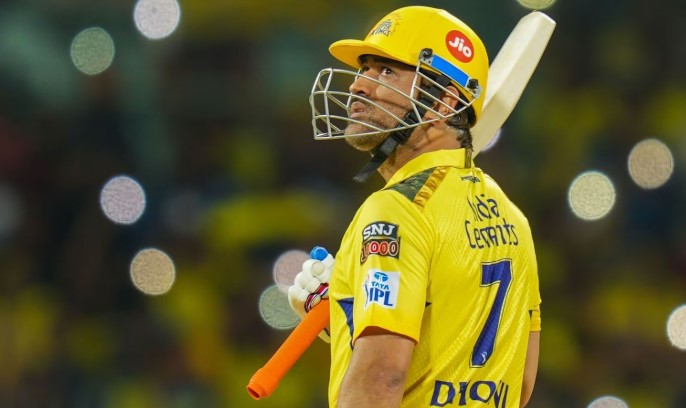
MS Dhoni: Mahendra Singh Dhoni, commonly known as MS Dhoni, is widely regarded as one of the most successful and influential captains in the history of Indian cricket. His leadership, tactical brilliance, calm demeanor under pressure, and ability to inspire his players have made him a legend of the game. As the captain of the Indian national cricket team, MS Dhoni took India to numerous historic milestones, establishing himself as the most successful and revered captain in Indian cricket history. In this article, we will explore why MS Dhoni became the most successful captain of the Indian national cricket team. From his leadership qualities to his accomplishments on the field, we will analyze the factors that made Dhoni the unparalleled captain he is remembered as today. The Birth Of A New Era MS Dhoni became the captain of the Indian cricket team in 2007, following the surprise resignation of Rahul Dravid after India’s early exit from the 2007 ICC Cricket World Cup. While Dhoni was already an established player, his appointment as the captain was a bold choice by the Board of Control for Cricket in India (BCCI). Few could have predicted the monumental success that would follow under his leadership. Initially seen as an underdog, Dhoni quickly transformed the Indian team into a force to be reckoned with. His calmness, quick decision-making, and unconventional leadership approach set him apart from other captains of his time. Key Factors Behind MS Dhoni’s Success As A Captain Several factors contributed to MS Dhoni’s success as a captain. His unique blend of qualities helped him lead the team to great heights. Let’s take a closer look at some of these attributes: 1. Tactical Genius And Decision-Making One of the most defining aspects of Dhoni’s captaincy was his tactical brilliance. His decision-making on the field, whether it was in setting the field, choosing bowlers, or making mid-match adjustments, was often spot on. MS Dhoni had an innate ability to read the game and make the right calls at crucial moments. His handling of key players, including rotating bowlers, setting aggressive field placements, and managing match situations, showcased his deep understanding of the game. The famous example of his tactical acumen came during the 2011 ICC Cricket World Cup, where he promoted himself up the batting order in the final, ahead of established batsmen like Yuvraj Singh and Suresh Raina. This brave decision paid off as Dhoni led India to victory with an iconic match-winning knock of 91* runs. Tactical Decision Event Outcome Promoting himself to number 5 in the final 2011 ICC World Cup Final Dhoni’s knock guided India to a historic World Cup win Bowling Ishant Sharma in the 2007 T20 WC Final ICC 2007 T20 World Cup Final Ishant’s successful over helped India win the inaugural World Cup 2. Ability To Stay Calm Under Pressure Perhaps the most significant quality of MS Dhoni as a captain was his ability to remain calm under pressure. Whether in tight situations during a match or handling media scrutiny, Dhoni always maintained his composure. His ability to think clearly and make decisions during high-pressure moments helped India win several close games and tournaments. His calmness in the 2007 T20 World Cup final against Pakistan is one of the prime examples of his leadership. Despite the pressure of defending a small total in a tense final, Dhoni’s composed demeanor and sharp tactical thinking guided India to victory. 3. Trust In Players And Backing Young Talent MS Dhoni had an exceptional ability to back his players, particularly young talent. He was never afraid to give youngsters a chance in the playing XI, and his faith in their abilities allowed many players to flourish. For example, Dhoni was instrumental in the rise of players like Suresh Raina, Ravindra Jadeja, and Shikhar Dhawan. By backing these players, Dhoni not only gave them confidence but also created a team dynamic that encouraged growth and team cohesion. His leadership style wasn’t about controlling every aspect of the game; it was about letting players take responsibility and backing them when needed. Young Talent Backed by Dhoni Contribution to Indian Cricket Team Suresh Raina Key player in middle-order, excelled in all formats Ravindra Jadeja Developed into one of India’s leading all-rounders Shikhar Dhawan Became India’s leading opening batsman in limited overs 4. Understanding Of Pressure Situations Dhoni’s personal experience as a player in pressure-filled situations helped him lead the Indian team with maturity. As a wicketkeeper-batsman, he had been involved in many tense situations throughout his career, and this gave him a deep understanding of what players go through during crucial moments. His ability to guide his team through high-pressure games, whether in the Indian Premier League (IPL) or international cricket, made him stand out. His role in India’s 2007 T20 World Cup win, 2011 World Cup victory, and the 2013 Champions Trophy win showed his ability to lead his team to triumph in tournaments where pressure often overwhelmed other teams. 5. Innovative Captaincy And Risk-Taking One of Dhoni’s most unique qualities as a captain was his willingness to take risks. He wasn’t afraid to make bold decisions, whether it was promoting himself in the batting order or choosing an unconventional strategy. Dhoni’s aggressive approach in certain situations often yielded great results for the team. For instance, in the 2013 ICC Champions Trophy final against England, Dhoni’s decision to bowl Ravindra Jadeja in the final overs, despite his less prominent role, turned out to be a match-winning move. This kind of risk-taking ability set him apart from other captains who preferred a more conservative approach. 6. Success In Multiple Formats MS Dhoni’s success was not limited to one format of the game. He led India to victories in all three major formats: Test cricket, One-Day Internationals (ODIs), and T20s. Under his leadership, India became the number one team in Test cricket for the first time in 2009, a significant achievement in Indian cricket. India also became the first team to hold all three
A Good Batting Strike Rate in All Formats of Cricket
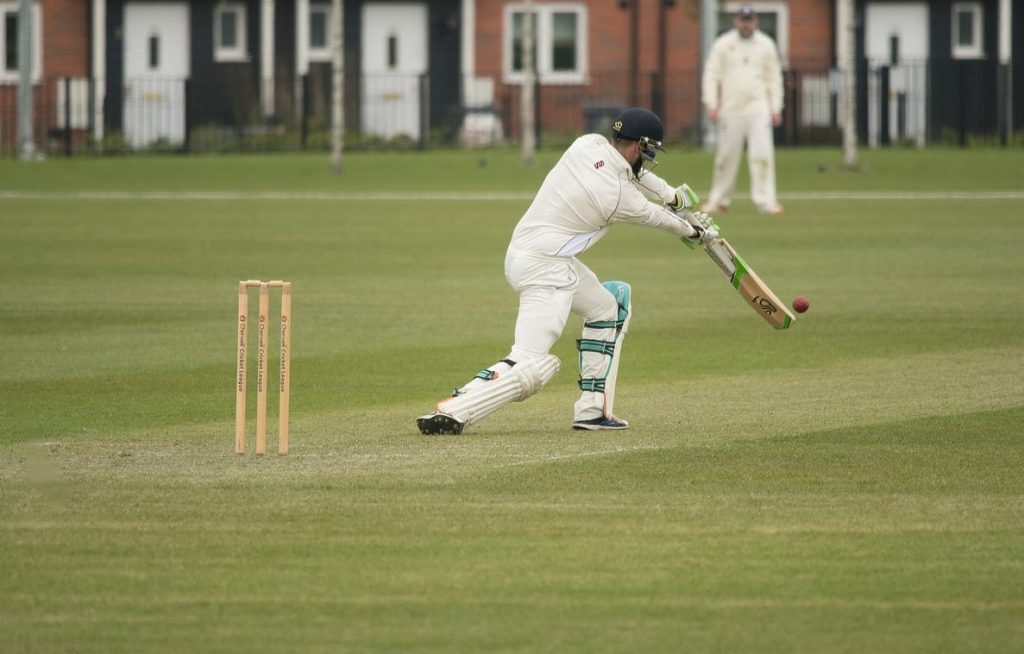
Good Batting: In cricket, the batting strike rate (SR) is a key indicator of a batsman’s ability to score quickly. It measures the number of runs a batsman scores per 100 balls faced, and it’s a useful metric to evaluate a player’s performance in various formats of the game. A good batting strike rate varies depending on the format being played – Test, One Day International (ODI), and Twenty20 (T20). This article will discuss what constitutes a “good” batting strike rate in each format, provide context on why the strike rate is important, and offer examples of great players who have excelled with high strike rates. Understanding Batting Strike Rate Good Batting: Batting strike rate is calculated using the formula Strike Rate =(Total Balls Faced / Total Runs Scored)×100 For example, if a player scores 50 runs from 40 balls, their strike rate will be (50/40)×100=125 Good Batting: The higher the strike rate, the more runs a batsman scores per ball, which is usually an indication of an aggressive and attacking style of play. However, the ideal strike rate varies depending on the format of the game. What Is a Good Batting Strike Rate in Test Cricket? Good Batting: Test cricket is a traditional and longer format where the emphasis is generally on building partnerships and playing for long durations. In this format, the batting strike rate tends to be lower because batsmen spend more time at the crease and focus on playing longer innings. Good Strike Rate in Test Cricket Strike Rate Range Performance Description Above 50 Excellent, aggressive player 40-50 Solid, competent batsman Below 40 Below average for modern Test cricket Examples of Test Cricket Batting Strike Rates Batsman Strike Rate Ben Stokes (England) 58.68 Virat Kohli (India) 52.04 Steve Smith (Australia) 51.96 Good Batting: As shown above, players with a strike rate of over 50 in Test cricket are highly regarded for their ability to score quickly without sacrificing technique or stability. What Is a Good Batting Strike Rate in One Day Internationals (ODIs)? Good Batting: ODIs are limited-overs games, where batsmen are required to score more quickly than in Test matches, but there is still a need for stability. The format is typically 50 overs, and the game rewards a good balance between controlled aggression and efficient accumulation of runs. Good Strike Rate in ODIs Strike Rate Range Performance Description Above 85 Excellent, aggressive batsman 70-85 Solid, well-balanced batsman Below 70 Slow, below average in modern ODIs Examples of ODI Batting Strike Rates Batsman Strike Rate Shahid Afridi (Pakistan) 117.00 Chris Gayle (West Indies) 87.19 Virat Kohli (India) 93.25 Good Batting: As seen, explosive players like Shahid Afridi and Chris Gayle have a strike rate above 100 in ODIs, while consistent run-scorers like Virat Kohli maintain a healthy strike rate of 93.25. What Is a Good Batting Strike Rate in Twenty20 (T20) Cricket? Good Batting: T20 cricket is a fast-paced, aggressive format that prioritizes boundary hitting and scoring quickly. With only 20 overs per side, batsmen are expected to keep a high strike rate and maintain momentum throughout their innings. Good Strike Rate in T20 Cricket Strike Rate Range Performance Description Above 130 Excellent, T20 powerhouse 120-130 Solid, consistent performer Below 120 Below average for T20 cricket Examples of T20 Batting Strike Rates Batsman Strike Rate Glenn Maxwell (Australia) 153.88 Chris Gayle (West Indies) 146.30 Rohit Sharma (India) 130.70 Good Batting: In T20 cricket, players like Glenn Maxwell and Chris Gayle have strike rates above 140, making them ideal for high-impact roles. Rohit Sharma, while more measured, still maintains an impressive strike rate of 130+. The Impact of Conditions and Role in Determining Strike Rate A player’s role within the team and the playing conditions also affect their strike rate. For example: Conclusion Batting strike rate is an essential metric to gauge a player’s ability to score quickly and effectively in all formats of cricket. A good strike rate varies depending on the format, with Test cricket generally seeing lower strike rates compared to ODIs and T20s, where aggressive batting is key to success. Players with strike rates above 50 in Tests, above 85 in ODIs, and above 130 in T20s are often considered excellent in their respective formats. While the strike rate is an important factor in evaluating a batsman, it must be considered alongside other metrics like average, consistency, and adaptability to playing conditions. Great players like Virat Kohli, Chris Gayle, and Ben Stokes have demonstrated how important it is to maintain a balance between aggression and control across all formats. Welcome to E2Bet, Play Thrilling Games And Win Exciting Bonus!
Gautam Gambhir, Ajit Agarkar at Odds Over ‘Selection’ in Heated Team Debate: Report
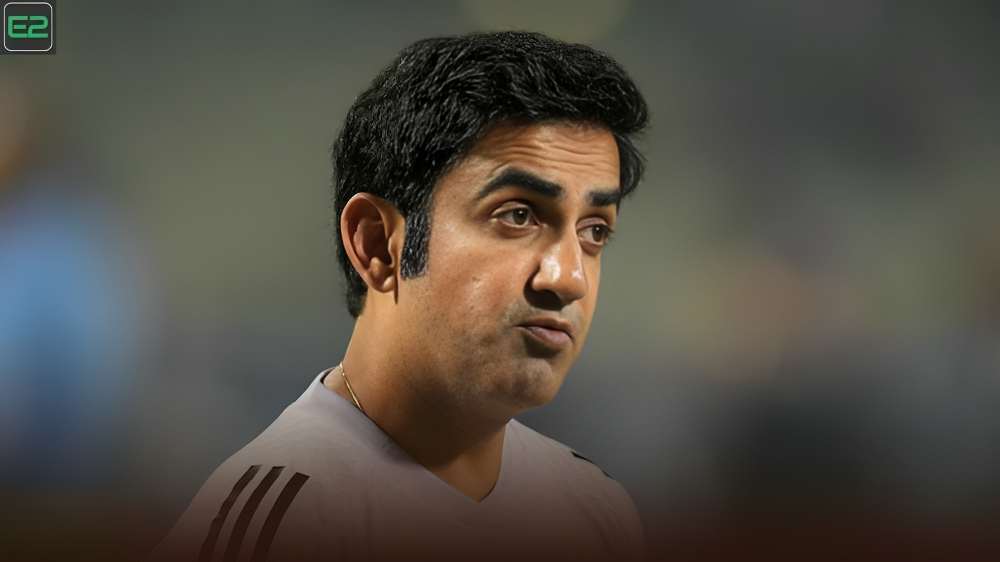
India’s head coach, Gautam Gambhir, has sparked concern among some experts with his experiments in the team’s middle-order ahead of the ICC Champions Trophy. While India’s 3-0 ODI series sweep against England boosts confidence for the upcoming tournament, and with Rohit Sharma and Virat Kohli showing signs of a return to form, the Indian team management can feel relieved. However, certain aspects of the team still raise doubts for some experts, especially the lack of clarity regarding India’s middle-order. A report has suggested that Gambhir and chief selector Ajit Agarkar are at odds over the selection of Shreyas Iyer and Rishabh Pant, leading to heated discussions within the team. Confusion in Team Management Over Wicketkeeper and Iyer’s Spot When India’s preliminary squad for the Champions Trophy was announced, Agarkar had labeled Rishabh Pant as the No. 1 wicketkeeper in the team. However, Pant did not play a single ODI against England. Following the series, head coach Gambhir stated that KL Rahul is India’s No. 1 wicketkeeper in ODIs. These conflicting statements from two key members of the management have raised questions. “Ultimately, it’s very difficult to talk about individuals, but all I can say is that if Pant is part of the squad, he will get an opportunity. But at the moment, KL is our number one wicketkeeper, and he’s delivered for us. When you have two wicketkeepers in the squad, you can’t play both with the kind of quality we’ve got. Hopefully, when Pant gets an opportunity, he’ll be ready for it,” Gambhir explained after the ODI series. Meanwhile, in the first ODI against England, the team had planned to keep Shreyas Iyer on the bench, giving Yashasvi Jaiswal a chance at the top. However, an injury to Virat Kohli forced Iyer to play at No. 3, where he scored a fiery half-century. Since then, Iyer has been a regular in the lineup for the remaining two matches. Yet, there seems to be some inconsistency in the management’s approach toward Iyer’s spot as well. In a conversation with the Times of India, former selector Devang Gandhi praised India’s coach Gautam Gambhir for successfully guiding the team through a period of transition. However, he also emphasized the need for more consistency in the middle-order selection. “Gambhir deserves credit for working with a team in transition. Under his guidance, India has regained dominance in ODIs, similar to the form they displayed from 2016-2019. What the selectors and Gambhir need to focus on now is maintaining consistency in the middle order,” Gandhi shared with TOI. “Back then, the batting was primarily driven by the top three – Rohit, Shikhar Dhawan, and Virat Kohli. The issue arose when the middle order wasn’t given enough time to settle in, leaving them uncertain of their roles. When the top order faltered in crucial matches, the rest of the batting line-up seemed clueless. Hopefully, that won’t happen this time. If they have identified Axar as the No. 5 batter, they must commit to giving him a consistent run in that role. Axar has performed well, but the management needs to decide if he can be a long-term solution who can anchor and dominate innings until the 2027 World Cup in South Africa,” Gandhi explained. Referring to the recent ODIs against England, Gandhi noted that India’s management promoted bowling all-rounder Axar Patel ahead of KL Rahul and Hardik Pandya for two of the three matches, a move that raised eyebrows. Gandhi also questioned the decision to bench Shreyas Iyer, even though it was not executed, stating it didn’t make sense. “The decision to bench Iyer at the start of the series was baffling, given that he has been outstanding in the 2023 ODI World Cup. Moreover, India has played very few ODIs since the World Cup,” Gandhi concluded. Welcome to E2Bet! Play exciting games and experience endless fun!
Top 5 Batsmen with Most Runs in ICC Champions Trophy
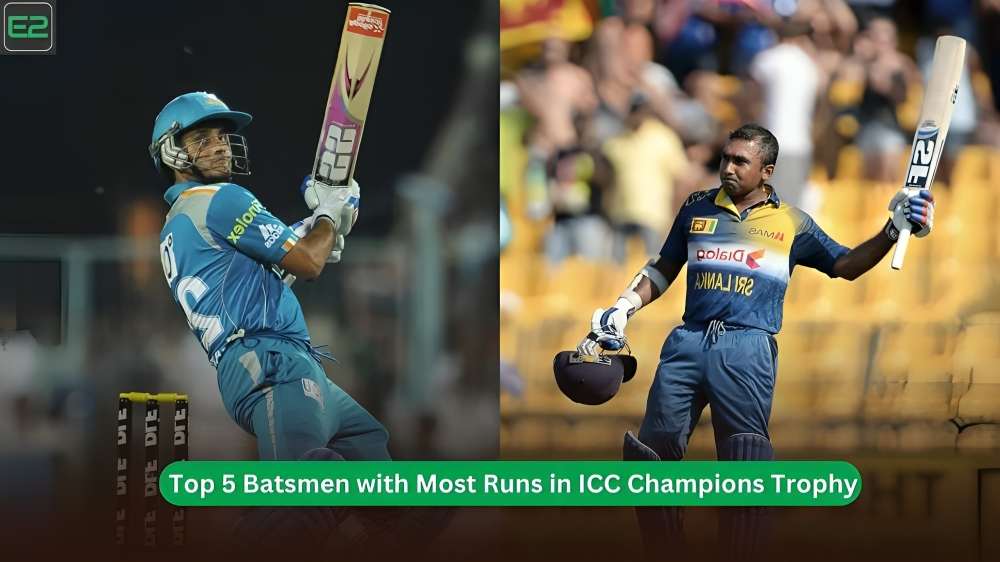
The ICC Champions Trophy is regarded as one of the toughest tournaments in international cricket. Unlike the World Cup, which offers more league matches and gives teams a chance to recover from a few losses, the Champions Trophy holds the risk of elimination after just one defeat in the entire competition. However, the tournament has faced calls for its removal, with critics claiming that it diminishes the significance of the 50-over World Cup. While the Champions Trophy was not held in 2021, it made a comeback in 2025. 5. Sourav Ganguly – 665 Runs Former India captain Sourav Ganguly was one of the most successful Indian batsmen in ICC tournaments. Over his 15-year ODI career, Ganguly scored 665 runs in 13 Champions Trophy innings, with an average of 73 and a strike rate of 83. One of his standout performances came in the 2000 semi-final against South Africa, where he scored 141 runs to help India secure a spot in the final. 4. Kumar Sangakkara – 683 Runs Regarded as one of the greatest wicket-keeper batsmen of all time, Kumar Sangakkara was a dependable force for Sri Lanka across all formats. The former captain scored 683 runs in 22 Champions Trophy innings at an average of 37.54 and a strike rate of 71.96, including one century and four half-centuries. 3. Shikhar Dhawan – 701 Runs Shikhar Dhawan is considered one of India’s most underrated batsmen in ODI cricket. Since his debut in 2010, Dhawan consistently delivered for India in ICC tournaments. He scored 701 runs in 10 Champions Trophy innings at an average of 77 and a strike rate of 101.6. Dhawan played a key role in India’s second Champions Trophy win in 2013, finishing as the tournament’s top run-scorer with 363 runs, and topped the run chart again in the 2017 edition. 2. Mahela Jayawardene – 742 Runs A Sri Lankan legend, Mahela Jayawardene was a consistent performer across all formats. In the Champions Trophy, he scored 742 runs in 22 innings at an average of 41.22 and a strike rate of 84.80. Jayawardene was pivotal in Sri Lanka’s victory in the 2002 Champions Trophy, where they were crowned joint winners with India. 1. Chris Gayle – 791 Runs West Indies opener Chris Gayle leads the list with 791 runs in 17 Champions Trophy innings, averaging 52.73 with a strike rate of 88.72. Gayle holds the record for the most centuries in the tournament, with three to his name. His highest score came in the 2006 edition when he blasted 133 runs off 135 balls against South Africa. Welcome to E2Bet! Get ready for fun and exciting gaming adventures!
ICC Increases Prize Money for Champions Trophy

The ICC has raised the prize pool for the 2025 Champions Trophy by 53%, reaching $6.9 million. This significant increase reflects the ICC’s commitment to ODI cricket’s future. It aims to boost competition, enhance financial incentives for players, and promote the sport globally, especially in emerging markets. The Numbers Game: Breaking Down the Prize Pool The ICC has taken a significant step by raising the total prize money for the Champions Trophy 2025, increasing it by 53% from the 2017 edition. The total prize pool now stands at an impressive $6.9 million (around ₹57 crore). Here’s a breakdown of the numbers to understand the magnitude of this increase: To put this into perspective, let’s break down the numbers: This increase in prize money marks a substantial rise from past tournaments, highlighting the ICC’s dedication to enhancing the sport’s appeal and preserving the global prestige of its events. It underscores the growing importance of the Champions Trophy as one of cricket’s most sought-after tournaments. The increased prize money could have a significant impact on players and the broader cricket ecosystem. Higher match fees may become the norm, while improvements in training facilities and resources could enhance team performance. Additionally, there could be greater investment in grassroots cricket, with better support systems for players, including mental health resources, becoming a key focus. This financial boost offers the potential for positive changes that benefit both elite cricketers and the sport’s future growth. The Return of the Champions Trophy: A Strategic Move? The return of the Champions Trophy after eight years signals the ICC’s commitment to the 50-over format, despite the growing dominance of T20 cricket. By boosting the prize money, the ICC is reaffirming ODI cricket’s significance and its potential for investment. The tournament’s compact, high-stakes nature offers a perfect blend of the technical demands of Test cricket and the excitement of T20s. This revival, supported by increased financial incentives, could rekindle interest in ODIs, attracting more players, fans, and broadcasters, and reinvigorating the format on the global stage. Impact on Teams and Strategies The introduction of a $34,000 reward for each group stage win in the Champions Trophy creates an added financial incentive for teams to perform, even if they’re not in contention for the semi-finals. This change could lead to more competitive matches, fewer weakened teams in dead rubbers, and heightened pressure on players to maintain consistency throughout the tournament. The financial stakes are now more evenly distributed, ensuring that every group stage match remains relevant and competitive, ultimately benefiting the tournament’s overall excitement and quality. The Player Perspective: Motivation and Pressure The Champions Trophy 2025’s increased prize money, especially the $2.24 million winner’s share, offers significant financial rewards for players, particularly those from nations with less lucrative domestic structures. This financial incentive could drive greater competition for team spots, enhance preparation, and extend careers. However, the added pressure might also impact players’ performance, making mental resilience a key factor in the tournament’s success. Managing the psychological burden of such high stakes will be crucial for teams aiming to thrive under this new, financially-driven dynamic. The Broader Impact on Cricket The ICC’s decision to increase the Champions Trophy prize money is a strategic move aimed at boosting the future of cricket. It encourages boards to prioritize ODI cricket, offers financial incentives to develop strong teams, and enhances the event’s appeal to fans and sponsors. With matches hosted in Pakistan and the UAE, the tournament serves as a global platform to showcase cricket, attracting more media attention and fan interest. This could significantly contribute to cricket’s growth, particularly in emerging markets, laying the groundwork for a broader global presence. Welcome to E2Bet! Get ready for fun and exciting gaming adventures!
What Does Strike Rate Mean In Cricket And How Is It Calculated 2025?

Strike Rate: Cricket is a game that combines strategy, technique, and athleticism, with a rich history of rules and metrics that have evolved over time. Among the many statistics that help measure a player’s performance, SR stands out as a critical and widely discussed statistic, especially when it comes to assessing a batsman’s ability to score runs quickly. In this article, we will explore what strike rate means in cricket, how it is calculated, and its significance in evaluating a player’s performance. What Is Strike Rate In Cricket? In cricket, this refers to the number of runs a batsman scores per 100 balls faced. It is a measure of how quickly a batsman scores runs. The concept is especially relevant in limited-overs formats like One Day Internationals (ODIs) and Twenty20 (T20) cricket, where scoring runs quickly is a key factor. In Test cricket, while strike rate is still important, batsmen often take a more measured approach, so the statistic is considered in conjunction with other factors like the total number of runs scored and the context of the innings. For bowlers, SR refers to the number of balls bowled per wicket taken. This gives an idea of how frequently a bowler takes wickets during a match, and it is a key metric used to evaluate the effectiveness of a bowler. When Referring To A Batsman SR When referring to a batsman’s SR, it is a measure of their scoring rate, i.e., the number of runs they make per 100 balls. A higher strike rate generally indicates a batsman is scoring runs at a faster pace. Importance For Batsmen SR A batsman’s strike rate is particularly significant in limited-overs formats. Here’s why: Increased Pressure: In limited-overs cricket, the batting team is under pressure to score as many runs as possible in a set number of overs (e.g., 50 overs in ODIs and 20 overs in T20s). A high strike rate means a batsman is able to score quickly, putting pressure on the fielding side. Role of the Batsman: Depending on the role of the batsman, their expected strike rate may vary. Top-order batsmen are often expected to anchor the innings and score at a steady rate, while lower-order batsmen and finishers are expected to score rapidly in the death overs. Contextual Performance: While a high SR is generally positive, it should also be viewed in context. For instance, a batsman playing in a situation where they need to preserve their wicket (such as chasing a low target or playing for a draw) might have a lower strike rate, but their role could be equally crucial. How SR Calculated For Batsmen? The formula for calculating a batsman’s SR is simple: Strike Rate (SR)=(Balls Faced/Total Runs Scored)×100 For example, if a batsman scores 80 runs off 60 balls, their strike rate would be: SR=(6080)×100=133.33 This means the batsman is scoring at a rate of 133.33 runs per 100 balls. Example Of SR Calculation Let’s consider a few examples of different batting performances: Batsman Runs Scored Balls Faced Strike Rate Batsman A 45 30 150.00 Batsman B 120 100 120.00 Batsman C 30 40 75.00 Batsman D 56 50 112.00 In this table, Batsman A has the highest SR, scoring 150 runs per 100 balls, which suggests they were playing aggressively. On the other hand, Batsman C has a relatively lower strike rate of 75, which could mean they were playing a more conservative or defensive role. SR For Bowlers As mentioned earlier, this term also applies to bowlers in cricket, although it is calculated differently. For a bowler, SR is defined as the number of balls they bowl per wicket taken. A lower strike rate for a bowler indicates that they take wickets more frequently. Importance Of Strike Rate For Bowlers A bowler is crucial for understanding their effectiveness in breaking partnerships and taking wickets in a match. A bowler with a low SR is usually seen as a wicket-taker who can quickly remove batsmen and turn the game in their team’s favor. On the other hand, a high strike rate may indicate that the bowler is ineffective or that they take longer to claim wickets. How SR Calculated For Bowlers? The formula for calculating a bowler’s SR is: Bowler’s Strike Rate (SR)=Wickets Taken/Balls Bowled For example, if a bowler has bowled 120 balls and taken 4 wickets, their strike rate would be: SR=41/20=30 This means the bowler takes a wicket every 30 balls. Example Of Bowler SR Calculation Let’s look at some examples of bowler performances: Bowler Balls Bowled Wickets Taken SR Bowler A 150 5 30 Bowler B 180 6 30 Bowler C 90 3 30 Bowler D 120 10 12 In this table, Bowler D has an excellent SR of 12, meaning they take a wicket every 12 balls, which shows they are very effective in breaking partnerships. On the other hand, Bowler A, Bowler B, and Bowler C all have a strike rate of 30, indicating that they take a wicket every 30 balls on average. Factors Affecting A Batsman’s SR There are several factors that can influence a batsman’s SR: Type of Match: In Test cricket, batsmen usually score at a slower pace, which leads to lower SR compared to the faster-paced ODIs and T20s. Pitch Conditions: A fast, bouncy pitch can aid aggressive batting and lead to a higher strike rate, while slow or turning pitches may result in slower scoring. Match Situation: If a team is chasing a high target, the batsman will likely aim for a higher strike rate. Conversely, if they are anchoring an innings, their strike rate may be lower. Bowler’s Skill: The quality of the bowler(s) a batsman faces can also impact their ability to score quickly. A bowler who restricts runs and maintains tight control will force the batsman to adopt a more conservative approach, leading to a lower strike rate. This is a fundamental statistic in cricket that helps evaluate the speed at which a batsman or bowler performs during a match. For batsmen, it reflects how quickly they
What Happens When a League Bowler Bowls Out of Turn?

League Bowler: In the competitive world of league bowling, rules and proper etiquette are essential to ensure fairness and a smooth, enjoyable experience for all participants. One of the most critical rules in bowling is the order in which players bowl. Bowling out of turn is a scenario that can cause confusion, disrupt the flow of the game, and lead to penalties. Understanding what happens when a bowler bowls out of turn is essential for all players in a league setting. League Bowler: This article delves into the implications of bowling out of turn, the rules governing such actions, and the steps that should be taken if it happens during a league match. Additionally, we will look at common situations where this may occur and the best practices for league bowlers. League Bowler: What Does “Bowling Out of Turn” Mean? League Bowler: Bowling out of turn refers to a situation where a player bowls their turn when it’s not their designated time. This can occur in various formats of bowling leagues, but it most often happens in team-based formats where multiple players are involved. League Bowler: For instance, in a team of four bowlers, the team captain will assign an order for the players to bowl. Each player must follow this order for the game to be conducted fairly and smoothly. If a bowler bowls before it is their turn or after they have already bowled, it is considered “bowling out of turn.” League Bowler: The Rules Governing Bowling Out of Turn League Bowler: Each bowling league may have specific rules and procedures for handling a situation where a player bowls out of turn. However, most leagues follow general guidelines that adhere to the official rules of ten-pin bowling as set by organizations like the United States Bowling Congress (USBC). League Bowler: General League Rules for Bowling Out of Turn Action Outcome/Consequence Explanation Bowler bowls out of turn (first instance) The bowler’s turn is voided, and the correct bowler bowls next. If a bowler bowls out of turn, the shot is considered invalid, and the order is restored. Bowler bowls out of turn (second instance) The team may be penalized or disqualified from that game. A repeat infraction may lead to team penalties, such as a loss of points or disqualification. Team notices out-of-turn bowling immediately The incorrect shot may be retracted, and the proper bowler takes their turn. If the infraction is caught before the next bowler has taken a turn, it can be corrected easily. Team notices out-of-turn bowling after another player bowls The outcome of the out-of-turn shot stands, and the error is noted for future reference. The result is typically not reversed, but the correct order will continue for the rest of the game. Out of turn bowler bowls after the frame ends The bowler loses the opportunity to re-bowl in that frame. Once the frame ends, no bowler can bowl again for that round. If out of turn occurs, the shot is voided. Common Situations in Which a Bowler Might Bowl Out of Turn There are various scenarios in which a bowler might bowl out of turn. Here are some common examples: 1. Incorrect Scoreboard Management 2. Miscommunication Between Teammates 3. Distraction or Lack of Focus 4. Late Arrivals or Substitutions How To Handle Bowling Out of Turn in a League When a bowler bowls out of turn, there are a few steps that should be taken, depending on the timing and circumstances of the infraction. Immediate Resolution Further Steps if the Error Is Repeated Consequences for Bowling Out of Turn The consequences of bowling out of turn can vary based on the severity and frequency of the error. Here is a general guideline of potential outcomes: Type of Infraction Consequence Notes One-time error, noticed immediately The shot is invalid, and the correct bowler takes their turn No penalties, but the error will be recorded in the scorebook One-time error, noticed after another bowler has bowled The out-of-turn shot stands, and the error is noted in the scorebook No reversal of the shot, and the game continues normally Repeated errors by the same player Potential point deduction, warning, or team disqualification Team may be penalized or disqualified from the game Severe or intentional violation Disqualification of the team from the match or league In rare cases, intentional cheating may result in expulsion from the league Best Practices to Avoid Bowling Out of Turn To avoid mistakes and maintain fairness, here are some best practices for league bowlers: Conclusion Bowling out of turn is a serious but often avoidable infraction in league bowling. It can cause confusion, disrupt the game, and lead to penalties if not addressed properly. By adhering to proper etiquette, staying focused, and utilizing technology when available, bowlers can minimize the likelihood of this happening and keep the game fair and enjoyable for all participants. Understanding the rules, taking responsibility for one’s actions, and being proactive in managing turn order are essential to maintaining a smooth and successful league experience. Welcome to E2Bet, Play Thrilling Games And Win Exciting Bonus!