

Exciting New Cricket Rules You Need To Know About 2025

Cricket Rules: Cricket, a game with a rich history and tradition, has seen several innovations and changes over the years. As the sport continues to evolve, governing bodies like the International Cricket Council (ICC) introduce new rules to enhance the game’s appeal, make it faster, fairer, and even more thrilling for fans. Whether these changes address the growing demand for more dynamic and exciting matches or are designed to ensure fairness, there are some exciting new rules that cricket enthusiasts should be aware of. Cricket Rules: In this article, we will explore some of the most recent and exciting rules in cricket, analyzing how they impact the game and enhance the viewing experience. Cricket Rules: The Introduction Of The ‘Powerplay’ In ODIs And T20s Cricket Rules: One of the most exciting rule changes in limited-overs cricket is the concept of the “Powerplay.” This rule has been in place for several years but has undergone revisions to make the game more exciting. The Powerplay refers to a set of overs during which certain fielding restrictions apply. These restrictions are designed to encourage more aggressive batting and create more scoring opportunities. Cricket Rules: In ODIs, the first 10 overs are designated as the “Powerplay” overs, during which only two fielders are allowed outside the 30-yard circle. In the T20 format, this is reduced to the first six overs, allowing only two fielders outside the circle. After the Powerplay period, the number of fielders allowed outside the circle increases, which opens up the field for more strategic play. Powerplay In ODIs vs. T20s Format Powerplay Overs Fielding Restrictions Key Objective ODI First 10 overs Only 2 fielders allowed outside the 30-yard circle Promote aggressive batting in early overs T20 First 6 overs Only 2 fielders allowed outside the 30-yard circle Maximize scoring in the powerplay period Post-Powerplay 11-50 overs (ODI) Up to 5 fielders allowed outside the 30-yard circle Strategic field placements, balance between attack and defense Cricket Rules: The Powerplay rule has made limited-overs cricket much more exciting, as it forces batsmen to take risks early on and creates a fast-paced contest. Fans have also seen higher scores and more boundaries, especially with fielding restrictions encouraging a more aggressive approach from the batsmen. The ‘Free Hit’ After A No-Ball in Limited-Overs Cricket Cricket Rules: The free-hit rule has become an iconic feature in limited-overs cricket, particularly in T20s. When a bowler delivers a no-ball (usually for overstepping), the batsman is awarded a free hit. This means that the batsman can only be dismissed in limited ways (not through being caught, bowled, or stumped), which significantly increases their chances of scoring. Cricket Rules: This rule was introduced to make the game more exciting by allowing the batsman to take full advantage of a bowler’s mistake. The free-hit makes the game more unpredictable and creates a spectacle for fans, as it gives the batsman the opportunity to unleash a more aggressive shot without the worry of being dismissed in a conventional way. Free Hit Scenarios No-Ball Offense Free Hit Consequence Impact on the Game Overstepping the line (front foot no-ball) Batsman gets a free hit for the next delivery Encourages aggressive batting and risky shots High full toss (above the batter’s waist) Free hit awarded for the next delivery Increases the risk for bowlers and adds excitement Overarm bowling (illegal action) Free hit for the next ball if illegal action is detected Forces bowlers to maintain legal actions Cricket Rules: The free hit rule has certainly added a layer of excitement and increased the intensity of limited-overs cricket. It provides a thrilling spectacle for fans, often resulting in massive sixes or bold strokes. The ‘Super Over’ In Case Of A Tie (T20s and ODIs) Cricket Rules: The Super Over rule is another recent addition to limited-overs cricket that has garnered significant attention. This rule comes into play when a match ends in a tie (equal scores for both teams) in a T20 or ODI game. The match is then decided by a one-over per side eliminator, known as the Super Over. Cricket Rules: Each team gets one over to score as many runs as possible. The team with the higher score at the end of the Super Over wins the match. This rule was introduced to add an exciting finale to tied matches, ensuring that the game always has a clear winner. Super Over In T20s And ODIs Format Super Over Rules Key Objective T20 One over for each team To break the tie and create an exciting finish ODI (Occasionally) One over for each team To determine the winner after a tie in the match Winner Highest score wins after 1 over per side Creates a dramatic and fast-paced conclusion Cricket Rules: The Super Over adds an element of unpredictability and excitement, ensuring that fans leave with an unforgettable conclusion, especially when the match has been neck-and-neck. The ‘Pitch Clock’ For Fast Bowlers (Limited-Overs) Cricket Rules: To speed up the game and reduce delays, the ICC introduced the pitch clock rule for fast bowlers. This rule dictates a strict time limit for bowlers between deliveries. Fast bowlers are given a certain amount of time (usually around 20-25 seconds) to bowl the next delivery after the previous ball is completed. Cricket Rules: The objective of this rule is to maintain the flow of the game and minimize time-wasting tactics. It has helped create faster-paced games, and while it may seem trivial, the pitch clock can have a significant impact on a team’s rhythm and momentum. Pitch Clock Rules For Fast Bowlers Rule Time Limit Impact Objective Time between deliveries 20-25 seconds Forces bowlers to speed up, reducing time-wasting Ensures quicker game flow and maintains audience engagement Overrunning the time limit 1-2 penalty runs for the fielding team Penalizes the fielding side for delay Keeps the game moving at a faster pace Umpire’s discretion Umpire monitors time, gives warning if needed Ensures fairness and consistency Prevents bowlers from delaying play Cricket Rules: While the
The Most Feared Pace Bowler of His Time

Most Feared Pace Bowler: When discussing the most feared pace bowlers in cricket history, one name that is often mentioned with awe and reverence is Wasim Akram, the Pakistani legend widely considered the “King of Swing.” However, several other fast bowlers have earned similar acclaim for their pace, fearlessness, and dominance over their eras. Players like Malcolm Marshall, Dennis Lillee, Courtney Walsh, and Shane Warne in his later years, deserve mention in this discussion. In this article, we’ll delve into the careers of the most feared pace bowlers of their time and look at the key statistics and performances that elevated them to this legendary status. 1. Most Feared Pace Bowler: Wasim Akram (Pakistan) – The Sultan of Swing Wasim Akram is, without question, one of the most revered fast bowlers of all time. His ability to swing the ball both ways, and at high speeds, made him a lethal weapon for Pakistan. With a career spanning over 18 years, he was consistently feared by batsmen across the world. Key Stats: Legacy: Wasim Akram’s pace and swing revolutionized bowling. He was often seen as Pakistan’s go-to bowler in clutch situations, capable of turning games around with a single spell. His deliveries in the 1992 World Cup final were pivotal in Pakistan’s win, and he remains a key figure in cricket history. 2. Malcolm Marshall (West Indies) – The Silent Assassin The West Indian pacer, Malcolm Marshall, was known for his lethal accuracy and searing pace. In an era when the West Indies dominated world cricket, Marshall was a key figure in their fast bowling attack. Despite being shorter in stature than many of his contemporaries, his pace, bounce, and skill made him a nightmare for any batsman. Key Stats: Legacy: Marshall’s ability to move the ball both ways, combined with his pace, made him one of the most feared fast bowlers ever. His pinpoint accuracy and ability to take wickets in clutch moments were key to West Indies’ sustained dominance during the late 1970s and early 1980s. 3. Dennis Lillee (Australia) – The Original ‘Pace’ Master A key figure in Australia’s rise to prominence in world cricket, Dennis Lillee was one of the fiercest fast bowlers of his generation. Renowned for his aggressive approach and fierce demeanor, Lillee was a pioneer of fast bowling. His ability to generate both pace and swing made him a lethal weapon, particularly in his prime. Key Stats: Legacy: Lillee’s fiery spells in the 1970s and 1980s, including his famous duels with English and West Indian batsmen, defined an era of fast bowling. His robust personality and unwavering aggression earned him a reputation as one of the toughest pacers the game has seen. 4. Courtney Walsh (West Indies) – The Long-Serving Spearhead Courtney Walsh was the leader of the West Indian fast bowling attack for over a decade. A steady bowler with immense stamina and a huge heart, Walsh’s accurate line and length made him one of the most feared bowlers of his era. His ability to bowl long spells with minimal effort set him apart from his contemporaries. Key Stats: Legacy: Walsh, alongside Curtly Ambrose, formed a deadly fast-bowling partnership that dominated world cricket throughout the 1990s. His longevity and control over the ball were crucial in setting up many victories for the West Indies. 5. Shane Warne (Australia) – The Genius of Leg Spin While Shane Warne is best known as one of the greatest leg spinners in history, his prowess in challenging fast-paced conditions deserves mention here as well. Warne was not just an extraordinary spinner but also a vital bowler capable of rattling batsmen with pace when the situation demanded. Key Stats: Legacy: Warne’s precision and his ability to vary his pace even in difficult conditions helped him become a feared opponent. While primarily a spinner, his psychological battles with batsmen, especially on fast tracks, made him one of the most intimidating bowlers of his generation. Table of Comparisons Player Test Wickets ODI Wickets Best Bowling (Test) Best Bowling (ODI) Bowling Average (Test) Bowling Average (ODI) Fastest Delivery Wasim Akram 916 916 7/119 5/15 23.62 23.52 161.3 km/h Malcolm Marshall 376 157 7/53 5/20 20.94 26.03 145.5 km/h Dennis Lillee 355 38 7/60 4/30 23.92 20.87 160.0 km/h Courtney Walsh 519 227 7/37 5/36 24.44 30.47 145 km/h Shane Warne 708 293 8/71 5/36 25.41 25.73 140 km/h Conclusion While many fast bowlers have made an indelible mark on the game, the aforementioned players stand out for their unique skills, fearsome reputation, and unmatched performances. Each of these bowlers revolutionized fast bowling in their own right, leaving a lasting legacy in world cricket. Whether it was Wasim Akram’s swing, Malcolm Marshall’s accuracy, Dennis Lillee’s aggression, Courtney Walsh’s endurance, or Shane Warne’s brilliance, these bowlers will forever be feared and respected by batsmen around the globe. Welcome to E2Bet, Play Thrilling Games And Win Exciting Bonus!
2 Reasons Why RCB Choosing Rajat Patidar Over Virat Kohli as Captain Was a Masterstroke

RCB’s decision to appoint Rajat Patidar over Virat Kohli as captain was a strategic move for the future. Patidar’s proven leadership in domestic cricket and ability to balance captaincy with batting make him ideal. Meanwhile, Kohli’s return to leadership would have been a step back, affecting team evolution and long-term success. 1. His batting form as captain has been exceptional One of the key reasons behind RCB’s decision to appoint Rajat Patidar as captain is his ability to thrive under pressure. Unlike many players who struggle to balance leadership and performance, Patidar has proven he can lead from the front without compromising his batting form. This was evident in the Syed Mushtaq Ali Trophy (SMAT) 2024-25, where he captained Madhya Pradesh and scored 428 runs in 10 matches at a striking 186.08. His five fifties and match-winning contributions guided Madhya Pradesh to the finals, highlighting his ability to handle both captaincy and batting responsibilities seamlessly. RCB sees this leadership-performance balance as a crucial asset in their quest for their maiden IPL title. 2. The future shines so brightly RCB’s decision to appoint Rajat Patidar as captain over Virat Kohli is a forward-thinking move, prioritizing future success over past nostalgia. Kohli stepped down from captaincy in 2021, choosing to focus on his batting, as leadership pressures had affected his performances. Bringing him back would have been a regression rather than progress. Patidar, on the other hand, has demonstrated his leadership credentials in domestic cricket, particularly in the 2024-25 Syed Mushtaq Ali Trophy, where he led Madhya Pradesh to the final while excelling with the bat. His ability to balance leadership and performance makes him an ideal choice. RCB’s decision reflects their vision of building a sustainable team culture with emerging leaders. It’s not just about winning now but preparing for long-term dominance. By entrusting Patidar, RCB is signaling a fresh approach, focusing on adaptability, youth, and innovation, ensuring a seamless transition beyond Kohli’s era. Welcome to E2Bet! Get ready for fun and exciting gaming adventures!
GJ-W vs BLR-W Dream11 Prediction & Playing XI, Tata WPL 2025 Match 1
The third edition of the Women’s Premier League (WPL) kicks off today, with five teams vying for the ultimate glory. The opening match of the TATA WPL 2025 will be played between Gujarat Giants Women (GJ-W) and Royal Challengers Bengaluru Women (BLR-W) on February 14 in Vadodara. This marks the first-ever WPL match to be held at the Kotambi Stadium, Vadodara. The defending champions, RCB Women, will be eager to begin their title defense with a victory, while Gujarat Giants Women, led by their new captain Beth Mooney, will look to make a strong start to their campaign. GJ-W vs BLR-W: Match Details Match: Gujarat Giants Women (GJ-W) vs Royal Challengers Bengaluru Women (BLR-W), Match 1, TATA WPL 2025 Match Date: February 14, 2024 (Friday) Time: 7:30 P.M. IST (Local Time) Venue: Kotambi Stadium, Vadodara GJ-W vs BLR-W: Head-to-Head The two teams have faced each other in four matches so far, with both sides winning two games each, making the head-to-head record perfectly even. GJ-W vs BLR-W: Weather Report The weather in Vadodara on Friday evening is forecasted to be humid. The temperature is expected to reach a high of 27°C, accompanied by 36% humidity. This combination will likely make the evening feel warm and a bit sticky, so it’s advisable to stay hydrated and wear light, comfortable clothing. GJ-W vs BLR-W: Pitch Report The Kotambi Stadium in Vadodara is expected to offer a good batting surface. In the recent ODIs between India Women and West Indies Women, the pitch proved to be a run-friendly track. The pitch is expected to be flat, offering minimal assistance to the bowlers, except for the initial swing with the new ball. As the match progresses, the conditions could become more challenging for the bowlers, especially in the second innings, with dew likely to have an impact. This could affect the grip and movement of the ball, making it harder for the bowlers to maintain control. Batting teams will look to capitalize on these conditions, while bowlers will need to adjust their strategies to counter the dew factor and limited assistance from the pitch. GJ-W vs BLR-W: Predicted XIs: Gujarat Giants Women: Laura Wolvaardt, Beth Mooney (c & wk), Simran Shaikh, Harleen Deol, Deandra Dottin, Dayalan Hemalatha, Ashleigh Gardner, Meghna Singh, Tanuja Kanwar, Sayali Satghare, Priya Mishra Royal Challengers Bengaluru Women: Smriti Mandhana (c), Danielle Wyatt-Hodge, Sabbhineni Meghana, Ellyse Perry, Richa Ghosh (wk), Georgia Wareham, Sophie Molineux, Shreyanka Patil, Ekta Bisht Asha Sobhana, Renuka Thakur Singh Suggested Dream11 Fantasy Team No. 1 GJ-W vs BLR-W Dream11: Wicket-keepers: Beth Mooney, Richa Ghosh Batters: Laura Wolvaardt, Smirti Mandhana All-rounders: Ashleigh Gardner, Deandra Dottin, Ellyse Perry, George Wareham Bowlers: Shreyanka Patil, Meghna Singh, Renuka Thakur Singh Captain First-Choice: Smirti Mandhana || Captain Second-Choice: George Wareham Vice-Captain First-Choice: Beth Mooney || Vice-captain Second-Choice: Deandra Dottin Suggested Dream11 Fantasy Team No. 2 GJ-W vs BLR-W Dream11: Wicket-keepers: Beth Mooney, Richa Ghosh Batters: Laura Wolvaardt, Smirti Mandhana All-rounders: Ashleigh Gardner, Deandra Dottin, Ellyse Perry, George Wareham Bowlers: Shreyanka Patil, Meghna Singh, Renuka Thakur Singh Captain First-Choice: Ellyse Perry || Captain Second-Choice: Laura Wolvaardt Vice-Captain First-Choice: Ashleigh Gardner || Vice-captain Second-Choice: Richa Ghosh GJ-W vs BLR-W: Dream11 Prediction – Who Will Win? Both teams appear strong on paper and will be eager to secure points in their opening game. However, after analyzing the combination of both sides, Royal Challengers Bangalore Women seem to have a more balanced lineup. Therefore, we predict RCB W to come out on top in this clash. At E2Bet, fun and excitement are guaranteed! Welcome to exciting games!
Hitting Sixes In Cricket 2025: The Ultimate Guide To The Rules For Hitting Sixes In Cricket
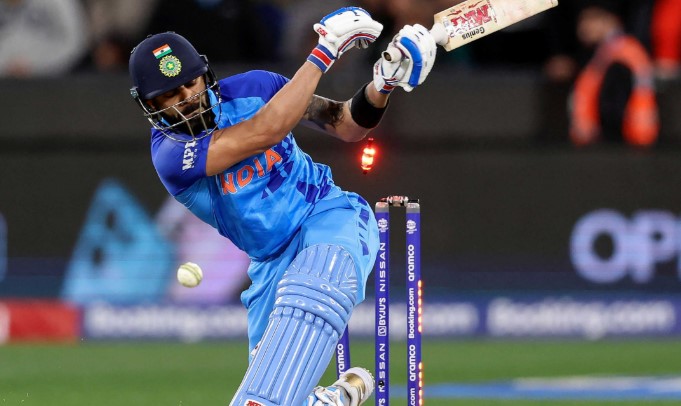
Hitting Sixes In Cricket: One of the most thrilling aspects of cricket is watching a batsman launch the ball out of the ground for a six. It’s a moment of pure excitement, captivating the crowd and often changing the course of a match. But hitting a six isn’t as simple as just striking the ball hard. There are several rules and conditions that govern what makes a six a legitimate hit in cricket. Whether you’re a budding cricketer or a passionate fan, understanding these rules is essential for fully appreciating the spectacle of sixes in cricket. Hitting Sixes In Cricket: This guide will walk you through the rules, conditions, and different scenarios that determine how a six is scored, offering you a deeper understanding of this iconic cricket achievement. What Is A Six In Cricket? Hitting Sixes In Cricket: In cricket, a six is scored when the batsman hits the ball out of the playing field boundary without the ball touching the ground. The moment the ball crosses the boundary line on the full (without bouncing), the batsman is credited with six runs. It is one of the most spectacular ways to score runs and requires not only raw power but also great timing and placement. Hitting Sixes In Cricket: It is one of the most sought-after achievements in the game, especially in limited-overs formats like T20 and ODIs, where quick runs are crucial. Conditions For Hitting A Legal Six Hitting Sixes In Cricket: There are specific rules and conditions that determine whether a hit qualifies as a six in cricket: 1. Boundary: Hitting Sixes In Cricket: For a shot to be counted as a six, the ball must cross the boundary on the full, meaning it must not touch the ground before crossing the boundary line. If the ball bounces before reaching the boundary, it is considered a four, not a six. 2. Height Of The Hit: Hitting Sixes In Cricket: The height at which the ball crosses the boundary is irrelevant. As long as it crosses the boundary without touching the ground, it is considered a six. Whether the ball is hit at ground level, over the ropes, or even as a high-flying shot, it remains six runs. 3. The Ball’s Trajectory: Hitting Sixes In Cricket: The ball must not be caught by a fielder or cross the boundary with the help of a fielder’s action. For example, if the fielder jumps to catch the ball but the ball touches the ground before crossing the boundary line, the batsman scores a four. A six is only awarded if the ball clears the boundary line without any such interference. 4. Fielder’s Position: Hitting Sixes In Cricket: If the ball is hit so high that a fielder attempts to catch it but fails, it is still considered a six if it crosses the boundary line. However, if a fielder is standing just inside the boundary rope and catches the ball, it is considered a catch, and the batsman is dismissed. The catch must happen before the ball touches the ground. 5. Boundary Markers: Hitting Sixes In Cricket: In standard cricket grounds, the boundary is marked by a rope or a line on the field. The boundary is considered the boundary line, and anything beyond it is out of play. The ball must cross this line entirely for a six to be awarded. Different Types Of Sixes In Cricket While the rules remain the same, the ways in which players hit sixes can vary widely. Different types of sixes are classified based on the technique and the type of delivery: 1. Straight Six: A straight six is hit when the batsman strikes the ball directly down the ground. It’s typically executed by drives or lofted shots and often requires excellent timing. 2. Hook Or Pull Shot Six: A batsman may hit a six by pulling or hooking the ball over the leg side, typically when the ball is delivered short. These shots are more common against pace bowlers and require quick reflexes. 3. Cut Shot Six: A cut shot six is hit when the batsman cuts a short ball (usually outside the off-stump) behind square on the off-side and sends it over the boundary. 4. Sweep Shot Six: The sweep shot is generally played to a delivery on the leg side, where the batsman uses a horizontal bat to sweep the ball over the boundary line. It’s a popular shot against spinners. 5. Slog Six: A slog six is typically a powerful, often wild shot aimed at sending the ball out of the park. This type of six can be hit on the off-side or leg side, and the focus is mainly on power rather than precision. The Role Of The Bowler In Hitting Sixes While the batsman deserves credit for hitting a six, the bowler plays a significant role in setting the stage. A bowler’s delivery type, line, and length can all influence whether the ball is hit for a six. Here’s how different types of bowling deliveries impact a batsman’s ability to hit sixes: 1. Full Toss: A full toss (a delivery that doesn’t bounce) is often easier to hit for a six, especially if it is not well-directed. Full tosses above the waist (also known as high full tosses) are considered no-balls, but a full toss that is on the stumps or the batter’s legs can be smashed for six. 2. Short Ball: A short ball (one that bounces higher than usual) can be dangerous, but a well-executed hook or pull shot can turn it into a six. Fast bowlers tend to bowl short balls to induce this kind of shot. 3. Yorker: A yorker is a low delivery aimed at the batsman’s toes. It’s one of the hardest balls to hit for a six because of its length and line, but experienced players can still manage to strike it for six with perfect timing. 4. Spin Deliveries: Spinners often bowl slower deliveries with more flight. Batsmen
Underrated Left-Arm Fast Bowlers in Cricket History

Underrated Left-Arm: Cricket, especially Test cricket, has seen some of the finest fast bowlers who have made an indelible mark on the game. While the likes of Wasim Akram, Dale Steyn, and Mitchell Johnson often dominate discussions about fast bowling, there are a number of underrated left-arm fast bowlers who have flown under the radar but are deserving of recognition. These bowlers, though not always in the limelight, have displayed remarkable skills and tenacity in their careers. This article takes a deeper dive into the world of underrated left-arm fast bowlers and their contribution to the game of cricket. 1. The Art of Left-Arm Fast Bowling Left-arm fast bowlers, due to the natural angle and movement they generate, have always been a unique asset in the world of cricket. Their ability to challenge batsmen from a different angle often provides variety and an edge to the bowling attack. Over the years, left-arm pacers have been known to trouble even the best of batsmen. While most right-arm fast bowlers dominate the headlines, there are many left-arm pacers whose contributions to the game were just as crucial, though often overlooked. 2. List of Underrated Left-Arm Fast Bowlers in Cricket History Here’s a comprehensive list of left-arm fast bowlers who might not have always been the talk of the town but made significant contributions to their teams and the sport. Bowler Name Country Career Span Test Matches ODI Matches Wickets (Test) Wickets (ODI) Best Bowling (Test) Best Bowling (ODI) Bowling Average (Test) Bowling Average (ODI) Chris Cairns New Zealand 1989-2004 62 215 218 200 7/27 7/29 29.41 32.09 Chaminda Vaas Sri Lanka 1994-2010 111 322 400 400 7/71 5/14 29.58 27.83 Ashish Nehra India 1999-2017 17 120 57 157 5/56 6/23 31.33 31.66 Mitchell Johnson Australia 2005-2015 73 153 313 239 8/61 4/33 28.40 25.00 Zaheer Khan India 2000-2014 92 200 311 282 7/87 4/41 32.94 34.73 Fidel Edwards West Indies 2003-2012 55 52 165 110 7/87 6/22 35.96 36.00 Shoaib Akhtar Pakistan 1997-2011 46 163 178 247 6/11 4/36 25.69 24.60 Mick Lewis Australia 2004-2008 4 12 7 5 4/42 2/45 41.14 48.80 3. Individual Player Contributions 4. Factors Contributing to Their Underrated Status 5. Conclusion Underrated left-arm fast bowlers have played a significant role in shaping the course of cricket history, even though they didn’t always receive the recognition they deserved. These bowlers might not have been household names in every cricketing conversation, but their skill, talent, and commitment to the game have left a lasting legacy. As time goes on, their contributions are likely to be appreciated more, and perhaps one day, these exceptional talents will finally get the credit they deserve in the cricketing world. Each of these bowlers added an invaluable edge to their respective teams and could have had an even bigger impact had the circumstances of their careers been different. Nonetheless, they remain integral to the rich history of fast bowling in cricket. Welcome to E2Bet, Play Thrilling Games And Win Exciting Bonus!
What Is the Standard Price of Bats Used in International Cricket?
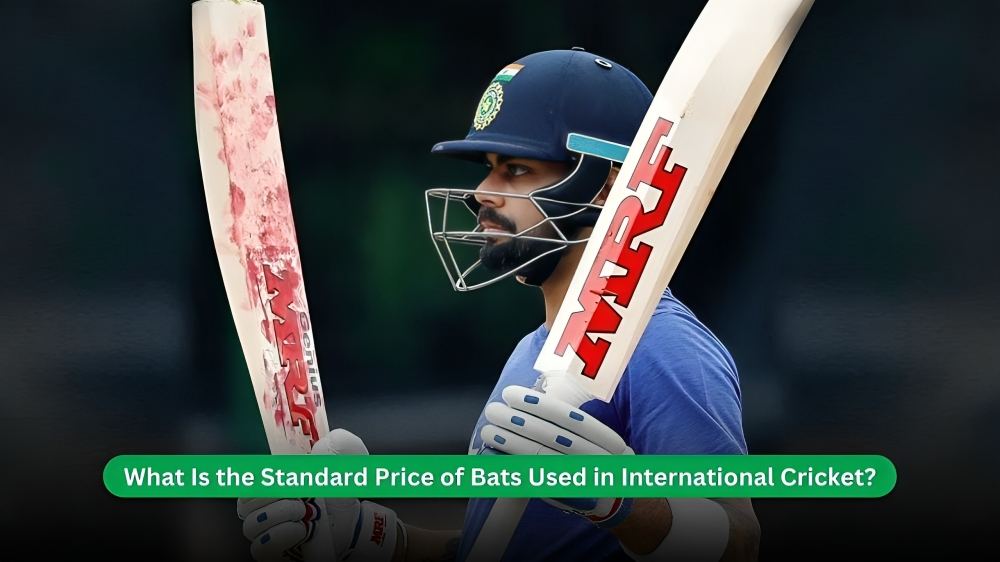
Cricket bats used in international cricket vary in price based on material, craftsmanship, and customization. Entry-level bats made from English willow start around 7,000 INR, while top-tier, player-grade bats crafted from Grade 1 willow can exceed 20,000 INR. Customization, brand reputation, and performance influence the cost. The English Willow Advantage English willow bats are the preferred choice in international cricket due to their lightweight nature and excellent balance between power and control. Unlike Kashmiri willow, which is denser and heavier, English willow provides better stroke play, making it ideal for professional cricketers. The basic price of an English willow bat starts at approximately 7,000 INR. At this range, the bats are suitable for amateur and club-level cricketers but may lack the premium craftsmanship of higher-end models. Professional-grade bats, used by international players, can cost significantly more, depending on the quality of the willow and customization. Craftsmanship and Quality As the price increases, the craftsmanship and quality of cricket bats improve significantly. Mid-range English willow bats, priced between 10,000 to 15,000 INR, offer better-quality willow, refined shaping, and superior finishing. These bats often feature enhanced handle grips, more durable edges, and sometimes customized designs. This price range caters to serious club cricketers and aspiring professionals, where bat performance can significantly impact gameplay. With better stroke play, improved balance, and durability, these bats provide an edge over entry-level models, making them a preferred choice for competitive cricket. The Elite Player-Grade Bats At the pinnacle of cricket bat manufacturing are the player-grade bats, which can easily cross the 20,000 INR mark. These bats are crafted from the finest quality English willow, often referred to as “Grade 1” or “Grade A” willow. Here’s what makes these bats so expensive: These bats are preferred by professional cricketers for their unmatched quality and performance. The Economics of Cricket Bats The cost of cricket bats in international cricket reflects not only the quality of materials and craftsmanship but also the performance demands of the players. Ranging from entry-level English willow bats starting at 7,000 INR to premium player-grade models surpassing 20,000 INR, each price point serves different player needs. Understanding this price spectrum highlights the blend of technology, tradition, and expertise involved in crafting these essential tools. Additionally, endorsements by international players, the limited supply of high-grade English willow, and the meticulous production process further elevate the cost, ensuring the bats meet rigorous international standards. Innovation and Customization Recent innovations in cricket bats, such as power compression technology for enhanced performance and advanced toe guards for durability, have elevated the game. Customization plays a major role too, as players opt for bats tailored to their specific needs—be it weight distribution, handle length, or profile. This bespoke approach not only enhances performance but also adds to the cost, as the bat becomes a direct extension of the player’s style and strategy. The Market Influence The cricket bat market is shaped by factors like brand reputation, player endorsements, and performance in high-profile matches. Renowned brands like Gray-Nicolls, Kookaburra, and Gunn & Moore set the standard for premium bats, with top models used by leading players. This combination of branding and quality justifies the premium pricing of these bats. Welcome to E2Bet! Get ready for fun and exciting gaming adventures!
Decoding +1.5 In Football Betting: What Does It Really Mean?
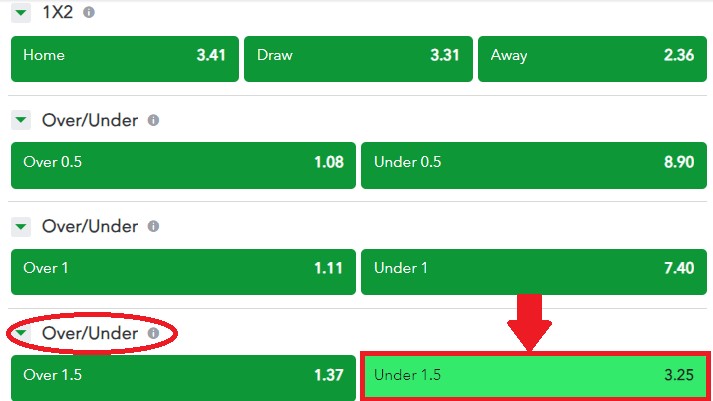
+1.5 In Football Betting: Football betting is one of the most popular forms of sports gambling, and it can be a complex world to navigate for both newcomers and experienced bettors. Among the many types of bets that exist in football, one of the most intriguing and widely used markets is the Asian Handicap. One of the most common handicap lines is +1.5, but what does this mean for a football bettor? How does this bet work, and how does it differ from other types of wagers? +1.5 In Football Betting: In this article, we’ll explore what +1.5 in football betting really means, breaking it down in simple terms so that both beginners and seasoned punters can fully understand how to approach it. What Is Asian Handicap Betting? +1.5 In Football Betting: Before diving into the specifics of +1.5, it is essential to understand the concept of Asian Handicap betting. Unlike traditional 1X2 betting (which offers three potential outcomes: home win, draw, and away win), the Asian Handicap eliminates the possibility of a draw by introducing a “handicap” to either team. This handicap is a goal adjustment applied before the match even begins. Essentially, one team is given a head start (a positive handicap), while the other team is at a disadvantage (a negative handicap). +1.5 In Football Betting: The +1.5 line is a popular form of Asian Handicap betting. When you bet on a team with a +1.5 handicap, you are essentially giving that team a 1.5 goal advantage before the match starts. What Does +1.5 Mean? +1.5 In Football Betting: When you see +1.5 next to a team, it means that team starts the match with an artificial advantage of 1.5 goals. This goal advantage is added to the team’s final score when determining the result of your bet. Therefore, in a +1.5 Asian Handicap bet, you’re betting on the team to either: Win the match outright: The team wins the match and, in essence, the handicap doesn’t even come into play. Draw or lose by a single goal: Even if the team loses the match by just 1 goal, the +1.5 goal advantage ensures that they will “win” in the betting sense. Lose by more than 1 goal: If the team loses by 2 or more goals, the bet loses. Example Of +1.5 In Football Betting +1.5 In Football Betting: Let’s go through a few examples to illustrate how a +1.5 handicap bet works in practice. Example 1: Team A vs Team B Example 2: Team A vs Team B Example 3: Team A vs Team B Summary of +1.5 Handicap Results Final Score Adjusted Score (with +1.5) Bet Outcome Team A 0 – 1 Team B Team A 1.5 – 1 Team B Win (for Team A) Team A 1 – 2 Team B Team A 2.5 – 2 Team B Win (for Team A) Team A 0 – 3 Team B Team A 1.5 – 3 Team B Loss (for Team A) Why Bet On A +1.5 Handicap? The +1.5 handicap can be appealing for several reasons, especially for bettors who are looking for value in certain types of matches: Lower-Risk Bets on Underdogs: In football, betting on an underdog to win outright can be risky, especially if the odds are long. By betting on an underdog with a +1.5 handicap, you essentially reduce the risk because the underdog team only needs to avoid a defeat by 2 or more goals for your bet to win. Attractive Odds for Stronger Teams: For those who want to back a strong team but are worried about high odds, betting on the opposition with a +1.5 handicap might provide good value. For example, if a top-tier team plays against a lower-ranked team, a +1.5 bet on the underdog might have higher odds than a simple bet on the favorite. Less Impact from Draws: Since the handicap removes the possibility of a draw, this simplifies your betting predictions, as you only need to worry about the result being either a win or a loss for the handicapped team. The Pros And Cons Of +1.5 Handicap Betting Like all betting markets, the +1.5 handicap has both advantages and disadvantages. Here’s a breakdown of what bettors should consider before placing a bet: Pros: Lower Risk: Since you’re giving the underdog team a 1.5 goal advantage, it provides an added cushion in case the favorite does not win by a large margin. Better Value: In some cases, betting on a team with a +1.5 handicap offers better value than simply betting on them to win outright, particularly for strong favorites. Reduced Likelihood of a Draw: Since the draw is eliminated, bettors only have to focus on which team wins, providing clearer betting predictions. Cons: Betting on Underdogs: While +1.5 gives the underdog a goal advantage, betting on weaker teams to avoid losing by 2 or more goals can still be a risky proposition, especially if the team faces a dominant opponent. Betting on Strong Teams: For bettors backing a top-tier team, placing a bet on the stronger side to win with a -1.5 handicap may yield better value, but it comes with higher risk since the team needs to win by at least two goals. Limited Outcome Range: The bet can only win, lose, or be void in certain scenarios. For example, a draw after adding the 1.5 goals for the underdog will result in a push. Understanding +1.5 in football betting is crucial for anyone who wants to bet smartly on football matches using the Asian Handicap market. The +1.5 handicap provides a valuable tool for betting on underdogs, offering them an artificial advantage to help them cover the spread and potentially win the bet. While it is a relatively low-risk betting option for punters betting on underdogs, it still requires an understanding of how the teams play, the expected result, and the overall context of the match. By breaking down the key aspects of +1.5 handicap betting, you’ll be
The Downfall of Pakistan Test Cricket
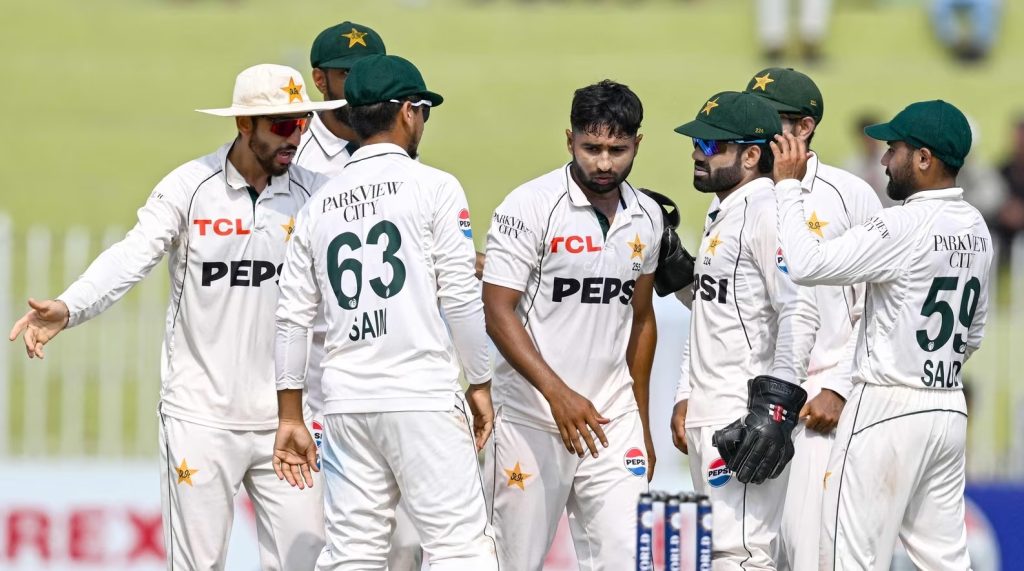
Downfall of Pakistan: The history of Pakistan Test cricket is filled with both remarkable achievements and periods of struggle. From the early days of Test cricket, Pakistan produced several world-class players, such as Imran Khan, Wasim Akram, Javed Miandad, and more, but in recent years, the team has struggled to maintain its dominance. The decline in Pakistan’s Test cricket has been marked by a range of factors, from internal issues within the team and management to external challenges. In this article, we will explore the various reasons behind the downfall of Pakistan Test cricket, using a multi-dimensional approach that includes historical context, performance analysis, and strategic shortcomings. Historical Context of Pakistan Test Cricket Before delving into the causes of the decline, it is important to reflect on Pakistan’s golden era in Test cricket. Pakistan began playing Test cricket in 1952, and by the 1980s, they had firmly established themselves as one of the most competitive teams in the world. Under the leadership of Imran Khan, Pakistan won the 1992 Cricket World Cup, and the nation saw several legendary figures who dominated both domestic and international cricket. During the late 1980s and 1990s, Pakistan produced world-class fast bowlers like Wasim Akram and Waqar Younis, as well as exceptional batsmen such as Javed Miandad and Inzamam-ul-Haq. However, in the 2000s, the team went through periods of inconsistency, largely due to internal conflicts, a lack of proper infrastructure, and unbalanced team compositions. Factors Leading to the Downfall of Pakistan Test Cricket 1. Inconsistent Leadership and Management The leadership of Pakistan cricket has been a key factor in the team’s downfall. In Test cricket, stable leadership is essential to ensure a sense of direction, proper decision-making, and motivation for players. However, Pakistan has witnessed frequent changes in captaincy over the years. From Wasim Akram to Younis Khan, Misbah-ul-Haq, and Sarfaraz Ahmed, the constant shuffle in leadership has led to a lack of long-term planning. Table 1: Changes in Pakistan’s Test Cricket Captaincy (2000–2025) Captain Period Performance Highlights Wasim Akram 2000-2003 Early 2000s struggles, inconsistency Younis Khan 2004-2007 Led team to top Test rankings, but faced internal strife Misbah-ul-Haq 2010-2017 Led Pakistan to No. 1 Test ranking, the most stable captaincy Sarfaraz Ahmed 2017-2019 Short term, inconsistent results Babar Azam 2020-Present New leadership, mixed performances Frequent captaincy changes have affected team morale and created a lack of consistency in decision-making, especially in crucial Test series. 2. Lack of Stable and World-Class Batting Line-Up One of the most significant problems with Pakistan’s Test cricket has been the inconsistency in their batting line-up. Unlike the 1980s and 1990s when Pakistan had reliable batsmen like Miandad, Inzamam, and Salim Malik, the modern team has struggled to find consistency at the top. Players like Shan Masood, Azhar Ali, and Asad Shafiq have had sporadic successes but have failed to make significant, long-term contributions. The absence of a solid, dependable batting order has been a crucial reason for Pakistan’s poor Test performances in recent years. While individual brilliance sometimes shines through, there has been a consistent inability to form partnerships, leading to batting collapses in crucial matches. Table 2: Top Batting Performers in Pakistan Test Cricket (2010–2025) Player Total Runs (2010–2025) Average (2010–2025) Century Count Notable Performances Azhar Ali 4000+ 41.25 10 Key player for Pakistan Asad Shafiq 3500+ 40.0 8 Periodic match-winning knocks Shan Masood 2000+ 32.0 3 Inconsistent, but flashes of brilliance 3. Decline in Pace Bowling Strength Pakistan was once known for producing some of the best fast bowlers in the world, including Wasim Akram, Shoaib Akhtar, and Waqar Younis. However, the current pace bowling attack lacks the potency and depth that once made Pakistan a feared force in Test cricket. The likes of Mohammad Abbas and Shaheen Afridi have shown promise but do not yet consistently perform at the level seen during the ’90s. The lack of a world-class fast bowling attack has led to a loss of edge in Test cricket, where conditions often favor pace bowlers. The current Pakistani attack, while promising, has struggled to replicate the success of the great bowlers from the past. Table 3: Pakistan’s Pace Bowling Averages (2010–2025) Bowler Matches Played Wickets Taken Bowling Average Strike Rate Mohammad Abbas 20+ 70+ 24.5 54.0 Shaheen Afridi 20+ 85+ 27.0 48.5 Naseem Shah 10+ 35+ 32.0 52.0 While Shaheen Afridi has shown considerable promise, Pakistan has lacked the depth and experience that made their bowling attack so deadly in previous decades. 4. Poor Domestic Infrastructure The domestic structure of Pakistani cricket has often been critiqued for not nurturing talent adequately. While the country has a passionate cricket fanbase, the infrastructure needed to develop world-class cricketers at the grassroots and domestic levels has been lacking. Unlike India, Australia, and England, Pakistan does not have a robust domestic system that consistently produces top-tier talent for the national team. Inadequate facilities, lack of proper academies, and an absence of structured training programs have hindered the development of Pakistan’s Test cricketers. In the long term, this has resulted in a shortage of bench strength and an inability to discover future stars capable of stepping up when needed. 5. Failure to Adapt to Changing Conditions Another challenge faced by Pakistan’s Test team is their inability to adapt to changing cricket conditions. Test cricket, especially in modern times, demands flexibility in approach. Teams need to be adaptable to various conditions, whether playing in the subcontinent or in countries like Australia, South Africa, or England. Pakistan has often struggled to adapt to conditions abroad, particularly in countries that are traditionally favorable to fast bowlers or those with tough pitches. This failure to adjust has led to heavy defeats away from home, further contributing to their downfall in Test cricket. 6. Mental Toughness and Consistency Issues Test cricket requires not only physical skill but also mental resilience. The Pakistan team has shown a lack of mental toughness during critical moments in matches, resulting in collapses and missed opportunities. The tendency to fall apart after a few wickets is lost,
Complete Schedule for Mumbai Indians in WPL 2025

Harmanpreet Kaur to Lead Mumbai Indians in WPL 2025 The Women’s Premier League (WPL) 2025 is set to kick off on February 14, 2025. The first two seasons of the tournament saw Mumbai Indians (MI) win the title in 2023, followed by Royal Challengers Bengaluru (RCB) in 2024. WPL 2025 will feature five teams: Delhi Capitals, Mumbai Indians, Royal Challengers Bengaluru, UP Warriorz, and Gujarat Giants. MI had a strong showing in WPL 2024, finishing second in the league stage with 10 points from five wins in eight matches. However, their journey ended in the eliminator against RCB. MI will begin their WPL 2025 campaign on February 15 against Delhi Capitals at Kotambi Stadium in Vadodara. Harmanpreet Kaur, who captained the side in WPL 2024, was pivotal to their success, scoring 268 runs in seven matches at an average of 53. Nat Sciver-Brunt was also outstanding, taking 10 wickets during the season. Mumbai Indians Venues for WPL 2025 Mumbai Indians will compete at four venues in WPL 2025: Vadodara, Bengaluru, Lucknow, and Mumbai. They will start with two league matches in Vadodara, then move to Bengaluru for the next three. The team will play one game in Lucknow before finishing their league stage with two matches in Mumbai. Mumbai Indians full schedule for WPL 2025 Feb 15, Sat – Mumbai Indians Women vs Delhi Capitals Women, Kotambi Stadium, Vadodara, 7:30 PM IST / 02:00 PM GMT / 07:30 PM LOCAL Feb 18, Tue – Gujarat Giants Women vs Mumbai Indians Women, Kotambi Stadium, Vadodara, 7:30 PM IST / 02:00 PM GMT / 07:30 PM LOCAL Feb 21, Fri – Royal Challengers Bengaluru Women vs Mumbai Indians Women, M.Chinnaswamy Stadium, Bengaluru, 7:30 PM IST / 02:00 PM GMT / 07:30 PM LOCAL Feb 26, Wed – Mumbai Indians Women vs UP Warriorz Women, M.Chinnaswamy Stadium, Bengaluru, 7:30 PM IST / 02:00 PM GMT / 07:30 PM LOCAL Feb 28, Fri – Delhi Capitals Women vs Mumbai Indians Women, M.Chinnaswamy Stadium, Bengaluru, 7:30 PM IST / 02:00 PM GMT / 07:30 PM LOCAL Mar 06, Thu – UP Warriorz Women vs Mumbai Indians Women, Bharat Ratna Shri Atal Bihari Vajpayee Ekana Cricket Stadium, Lucknow, 7:30 PM IST / 02:00 PM GMT / 07:30 PM LOCAL Mar 10, Mon – Mumbai Indians Women vs Gujarat Giants Women, Brabourne Stadium, Mumbai, 7:30 PM IST / 02:00 PM GMT / 07:30 PM LOCAL Mar 11, Tue – Mumbai Indians Women vs Royal Challengers Bengaluru Women, Brabourne Stadium, Mumbai, 7:30 PM IST / 02:00 PM GMT / 07:30 PM LOCAL Mumbai Indians full squad for WPL 2025 Harmanpreet Kaur (c), Akshita Maheshwari, Amandeep Kaur, Amanjot Kaur, Amelia Kerr, Chloe Tryon, Hayley Matthews, Jintimani Kalita, Keerthana Balakrishnan, Nadine de Klerk, Natalie Sciver, Pooja Vastrakar, Sajeevan Sajana, Sanskriti Gupta, G Kamalini, Yastika Bhatia, Saika Ishaque, Shabnim Ismail. Welcome to E2Bet! Where exciting games and fun are guaranteed!