

India’s First World Cup Win in Cricket: A Historic Triumph
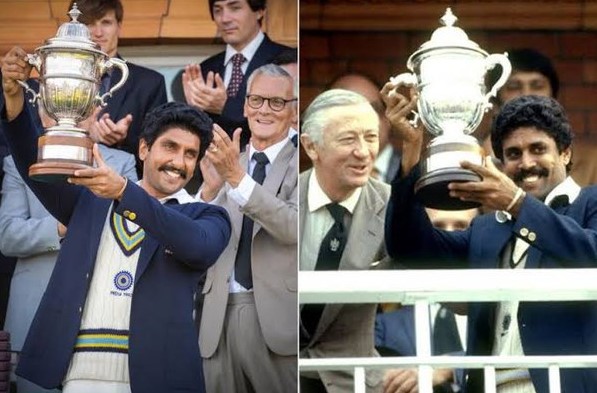
First World Cup: India’s first World Cup win in cricket is one of the most iconic moments in the history of the sport. The victory in 1983 marked a turning point in Indian cricket, transforming the game from a regional pastime into a global phenomenon. Under the leadership of Kapil Dev, India achieved what seemed almost impossible at the time: winning the prestigious ICC Cricket World Cup. This article delves into the details of India’s historic 1983 World Cup win, highlighting the key moments, players, and the impact the victory had on Indian cricket. Background: The 1983 Cricket World Cup First World Cup: The 1983 Cricket World Cup was the third edition of the tournament, held in England from June 9 to June 25, 1983. The competition had already established itself as the premier event in world cricket, with the West Indies dominating the previous two editions (1975 and 1979). The 1983 World Cup featured 8 teams, and while India was not considered one of the favorites, the team surprised the world with its remarkable performance. India’s journey to the World Cup final was filled with challenges, but the team displayed resilience, determination, and a never-give-up attitude, which ultimately led to their triumph. The Build-Up: India’s Performance in the 1983 World Cup First World Cup: India was placed in Group B alongside teams like the West Indies, Australia, Zimbabwe, and the New Zealand. While the team wasn’t the favorite to win the tournament, a few standout performances helped India make it to the final. Key Matches Leading to the Final Date Opponent Result Key Performance June 9, 1983 West Indies Lost by 34 runs India struggled in a low-scoring game, but the West Indies showed their dominance. June 11, 1983 Zimbabwe Won by 5 wickets Mohinder Amarnath’s all-round performance helped India secure a narrow win. June 14, 1983 Australia Won by 118 runs A brilliant century by Yashpal Sharma and an all-round performance set up a big win for India. June 18, 1983 New Zealand Won by 4 wickets A hard-fought victory, with a solid 48 from Sandeep Patil anchoring the chase. June 21, 1983 England Won by 35 runs A pivotal match that gave India a spot in the semifinals, thanks to superb bowling performances. India finished the group stage with 3 wins and 2 losses, which was enough to secure a place in the semifinals. Their performance in the group stages showcased their ability to compete with the best teams, especially with strong individual performances and a committed team spirit. The Semifinal: India vs. England First World Cup: India’s semifinal against England, played at Old Trafford, Manchester, was another crucial match that showcased India’s resolve. After being put in to bat, India was restricted to just 183 runs. However, the bowlers, led by Mohinder Amarnath and the fiery Kapil Dev, restricted England to 146, thus securing a remarkable 35-run victory. This victory ensured India’s place in the final, where they would face the mighty West Indies. India’s Key Performers in the Semifinal Player Batting Performance Bowling Performance Mohinder Amarnath Scored 26 runs (not out) Took 3 wickets for 12 runs Kapil Dev Did not bat (due to a collapse) Took 1 wicket for 31 runs Roger Binny Scored 22 runs Took 2 wickets for 35 runs The Final: India vs. West Indies First World Cup: The 1983 World Cup Final was played on June 25, 1983, at Lord’s Cricket Ground in London. India faced the two-time defending champions, the West Indies, who were led by Clive Lloyd. The West Indies were heavily favored to win, with a strong team that included players like Vivian Richards, Gordon Greenidge, and Michael Holding. The Match Summary First World Cup: India, led by Kapil Dev, won the toss and chose to bat first. The team struggled with the bat, facing a relentless West Indian bowling attack. India was bowled out for just 183 runs in 54.4 overs. The highest score for India came from Mohinder Amarnath, who contributed 26 runs. The team’s batting was fragile, but they had hope in their bowlers, who had been performing well throughout the tournament. Indian Batsman Runs Balls Faced Fours Sunil Gavaskar 1 8 0 Krishnamachari Srikkanth 38 57 3 Mohinder Amarnath 26 47 1 Kapil Dev 15 23 1 Yashpal Sharma 11 24 1 With a modest total on the board, India’s hopes rested on its bowlers. In response, the West Indies’ chase started off on a shaky note. The Indian bowlers, led by Mohinder Amarnath, had the West Indies struggling throughout their innings. First World Cup: Amarnath played a key role with the ball, taking 3 wickets for 12 runs in a match-winning performance. Kapil Dev, who had been a crucial all-rounder throughout the tournament, also chipped in with an important breakthrough. The West Indies, led by their star player Vivian Richards, failed to find the rhythm required to chase the total. The Indian bowlers kept their nerves and managed to bowl out the West Indies for just 140 runs, securing a stunning victory by 43 runs. Final Match Summary Team Runs Overs Result India 183 54.4 Won by 43 runs West Indies 140 52 – Key Performers in the Final Player Batting Performance Bowling Performance Mohinder Amarnath Scored 26 runs Took 3 wickets for 12 runs Kapil Dev Scored 15 runs Took 1 wicket for 35 runs Madan Lal Did not bat Took 3 wickets for 31 runs Sandeep Patil Scored 27 runs Took 1 wicket for 6 runs The Aftermath: Impact of India’s First World Cup Victory First World Cup: India’s triumph in the 1983 World Cup had far-reaching effects on the country and its cricketing landscape. The victory not only boosted the confidence of Indian cricketers but also ignited a new passion for the sport across the nation. People from all walks of life celebrated the win, and the image of Kapil Dev lifting the World Cup trophy became an indelible part of Indian sports history. First World Cup: Key
Top 5 Unforgettable Matches in Border-Gavaskar Trophy History
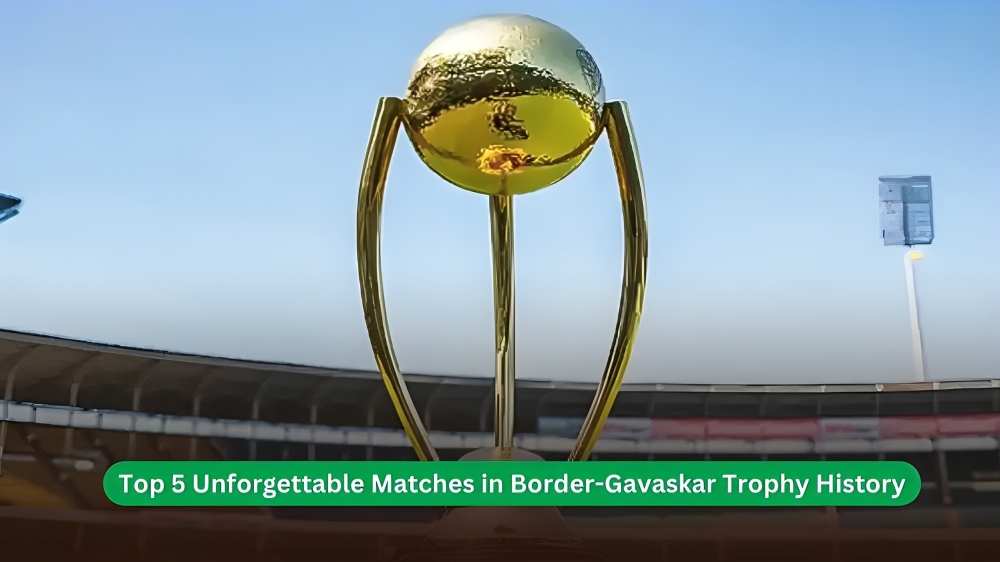
India and Australia first faced off in the Border-Gavaskar Trophy (BGT) in 1996 in Delhi, marking the beginning of a fierce and regular rivalry. Since then, India has largely dominated the BGT contest. Over the years, both teams have experienced their share of highs and lows, but their resilience and ability to overcome challenges have solidified their status as cricketing powerhouses. The ICC World Test Championship (WTC) 2023 final added another exciting chapter to this rivalry, with Australia narrowly defeating India to claim the title. While Australia holds the edge in the all-time head-to-head record in Test cricket, India leads in the Border-Gavaskar Trophy. The contests between these two cricketing giants have produced unforgettable matches that have etched their names in history. 5. Mumbai, 2004 The 2004 Mumbai Test was a gripping low-scoring encounter that highlighted India’s brilliance on a spin-friendly pitch. Defending a modest target of 107, India’s spinners, Harbhajan Singh and Murali Karthik, tore through the Australian lineup, dismissing them for just 93 runs. Karthik was named Player of the Match for his remarkable seven-wicket haul. This was India’s sole victory in the 2004 series, which they ultimately lost 2-1. 4. Mohali, 2010 The 2010 Mohali Test stands as one of the most thrilling encounters in Border-Gavaskar Trophy history. Chasing a modest target of 216 runs, India’s innings was in shambles at 124/8, with defeat looming large. However, VVS Laxman, known for his calm under pressure, stepped up once again. Partnering with Ishant Sharma, he forged an invaluable 81-run ninth-wicket stand, breathing life into India’s chances. Despite battling injury, Laxman expertly farmed the strike, shielding the tail-ender from the Australian bowlers. Ishant provided solid resistance before falling at a critical moment, leaving India just 11 runs away from victory. This brought Pragyan Ojha, the last batter, to the crease. The tension in the stadium was palpable as Australia’s bowlers relentlessly attacked, hoping to seal the win. Laxman, showing immense composure, continued to counter the bowlers with precision and guided Ojha through the nerve-wracking final moments. With every run, the crowd’s anticipation grew. Eventually, Laxman struck the winning runs, remaining unbeaten on a magnificent 73. His innings not only showcased his technical brilliance but also his mental fortitude in high-pressure situations. India’s dramatic one-wicket win at Mohali epitomized the spirit of Test cricket and highlighted Laxman’s unmatched ability to deliver in crunch moments. It was a testament to India’s resilience and remains a cherished memory in the storied rivalry between the two teams. 3. Adelaide, 2014 The 2014 Adelaide Test marked one of India’s most heartbreaking losses on foreign soil. Chasing a daunting target of 364 in the fourth innings, India looked on course for a historic win, reaching 242/2 at one point. Virat Kohli was the star of the chase, scoring twin centuries (115 & 141). However, after Murali Vijay’s near-century (99) and a dramatic collapse, India were dismissed for 315, falling short by just 49 runs. Nathan Lyon was named Player of the Match for his outstanding seven-wicket haul in the second innings. 2. Kolkata, 2001 The 2001 Kolkata Test is etched in Indian cricket history for an extraordinary turnaround. After trailing 0-1 in the series, India were asked to follow on after being bowled out for just 171 in the first innings. What followed was one of the most remarkable comebacks in Test cricket, with VVS Laxman (281) and Rahul Dravid (180) forging a record-breaking 376-run partnership. On the final day, Harbhajan Singh’s brilliant spell sealed a 171-run victory, dismissing Australia for 212 and levelling the series 1-1. 1. Brisbane, 2021 India’s historic win at the Gabba in Brisbane in 2021 remains one of the greatest victories in Indian Test cricket. Australia, undefeated at the venue for 32 years, seemed invincible. Yet, India, battered by injuries and missing key players like Ashwin, Jadeja, Shami, Bumrah, and Kohli, defied all odds. On the final day, India chased down a target of 328, with Rishabh Pant’s unbeaten 89 leading the team to an unforgettable victory, securing a historic series win and ending Australia’s unbeaten streak at the Gabba. Welcome to E2Bet! Play our exciting games and have a blast!
Cricketers Most Unorthodox Bowlers & Their Actions
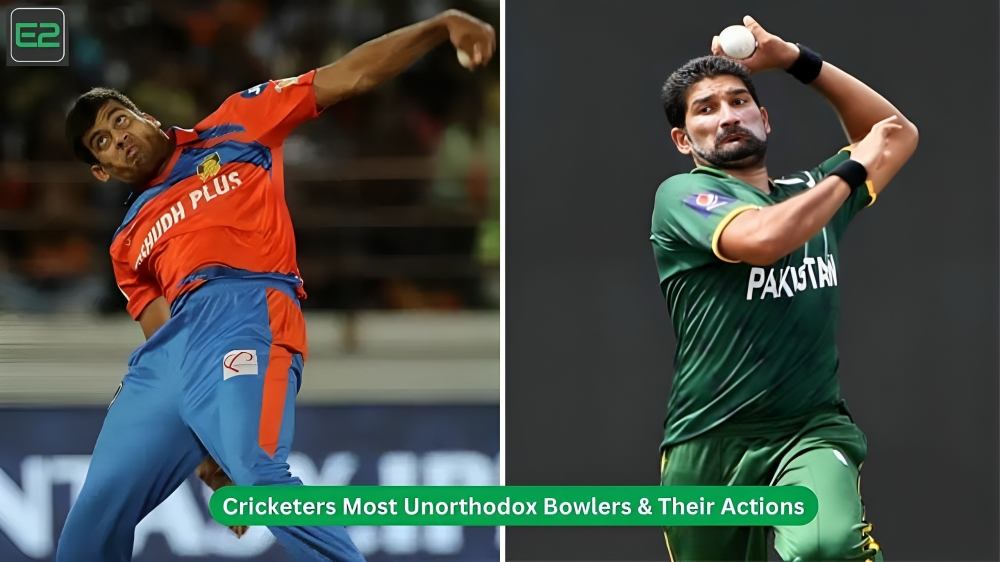
Cricketers Most Unorthodox Bowlers & Their Actions: Every bowler has their own way of bowling. Some bowlers use a traditional style with a straight arm, while others have tried different methods with different results. When a new style comes up, it often gets criticized and sometimes laughed at. This list has some of the most successful and unforgettable bowlers, as well as some who were known for their strange styles but only succeeded briefly. Lasith Malinga Bowlers ‘Malinga the Slinga’ is one of the greatest limited-overs bowlers, especially in the final overs. Known for his low round-arm action, he learned to bowl with a tennis ball, which helped him develop his unique style. Malinga has 338 ODI wickets and ranks ninth in the format. In T20Is, he ranks fifth all-time with 107 wickets. He led Sri Lanka to win the ICC World Twenty20 in 2014. Malinga’s action includes a deadly inswinging yorker, a deceptive slower ball, and a sharp bouncer. He credits his coach, Champaka Ramanayake, who helped him perfect his yorker by having him bowl at shoes placed near the crease. There were questions about the legality of his action, but it never violated the ICC’s permissible flexing angle of 15 degrees. His unique action put a lot of strain on his hips and knees, leading to injuries later in his career. Remarkably, he is the only male player to take four wickets in four balls twice in international matches, doing so against South Africa in 2007 and New Zealand in 2019. Paddy Dooley Bowlers Bowlers Australian Paddy Dooley has impressed in the Big Bash League since his debut. In the latest tournament, he took 19 wickets at an average of 12.78. The 25-year-old left-arm spinner has a unique ‘windmilling’ action, which he developed from imitating Jasprit Bumrah. This peculiar style has caught batters off guard. Dooley’s best performance was taking 4-16 for the Hobart Hurricanes against the Perth Scorchers, including the wickets of Marcus Stoinis and Faf du Plessis. He believes his action’s novelty may wear off but is prepared for when it does. Paul Adams Bowlers Bowlers Paul Adams, a South African left-arm spinner, had one of cricket’s most unusual bowling actions, described as a “frog in a blender” by Mike Gatting. He played 45 Tests from 1995 to 2004, taking 134 wickets. His action involved a blend of arms and legs, making it difficult for batters to read. Adams bowled with his head facing away from the wicket, appearing to be blind, but he insisted he could see enough to bowl effectively. Injuries and the diminishing surprise factor led to his decline after his last Test in 2004. Shivil Kaushik Bowlers Shivil Kaushik, inspired by Paul Adams, had a brief but memorable cricket career. He performed well in the Karnataka Premier League, earning an IPL contract with the Gujarat Lions in 2016. Kaushik’s action, involving a head drop and wrist spin, was unpredictable even to himself. Despite a promising start, including almost getting Steve Smith out, his inconsistency led to a short career. His most memorable moment was conceding 30 runs in an over to Virat Kohli in 2016. Sohail Tanvir Bowlers Bowlers Sohail Tanvir, a Pakistani fast bowler, is known for his unorthodox action, bowling ‘off the wrong foot.’ He has played for over 20 teams in various domestic T20 leagues and took 54 T20I wickets. Tanvir’s unique style helped him win the first IPL ‘purple cap’ for most wickets in the tournament. His Test career was short-lived, with only two matches in 2007. Frustrated during a match against India, he switched to left-arm spin but found no success. Dan Lawrence Bowlers Dan Lawrence, an English part-time off-break bowler, has an eccentric run-up. During England’s 2022 tour of the West Indies, his unusual action gained attention on social media. Lawrence’s run-up involves a winding motion and several unnecessary steps, leading to a relatively standard delivery. Mike Procter Bowlers Mike Procter, a South African all-rounder, had a brief but impactful Test career, averaging 36.01 with the bat and 19.53 with the ball in first-class cricket. Despite South Africa’s ban from Test cricket during his prime, Procter’s unconventional action, bowling just before his front foot planted, made him a standout player. Procter’s chest-on bowling style did not hinder his success, and he is remembered as one of cricket’s great talents despite limited international exposure. Join E2Bet: Best Place For Fun Games!
Imam-ul-Haq: A Rising Star in Pakistan’s Cricketing World
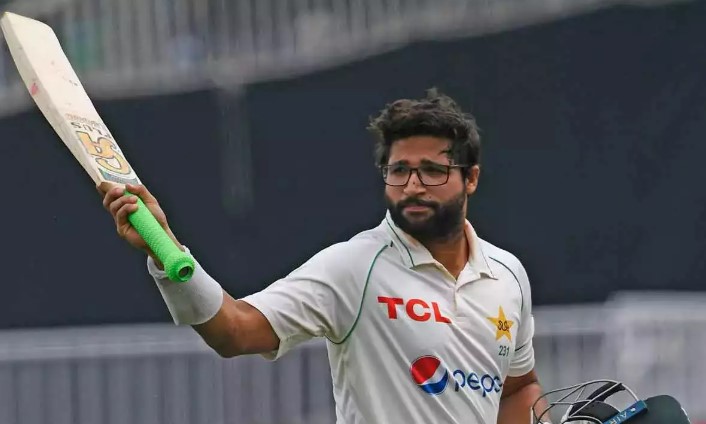
Imam-ul-Haq, a prominent opening batsman for Pakistan, has carved out a name for himself in international cricket since his debut. Known for his elegant stroke play and calm demeanor at the crease, Imam-ul-Haq has become a key figure in Pakistan’s batting lineup. One of the frequent questions cricket fans ask is about the jersey number of Imam-ul-Haq. This article will delve into the details of his cricketing journey, his performance, and most importantly, his jersey number, as well as other relevant statistics. Imam-ul-Haq’s Cricketing Background Imam was born on December 21, 1996, in Lahore, Pakistan, into a family deeply rooted in cricket. His uncle, Inzamam-ul-Haq, one of Pakistan’s greatest cricketers, played a significant role in shaping Imam’s early cricketing career. Imam’s rise to international cricket was swift, and he made his debut for Pakistan in 2017. Imam’s playing style is characterized by a solid technique and composure, particularly against fast bowlers. His ability to occupy the crease for long periods makes him a valuable asset to Pakistan in both Test and One-Day International (ODI) formats. Imam-ul-Haq’s Debut Imam-ul-Haq made his international debut for Pakistan during the 2017 ODI series against Sri Lanka. His performance in this series was impressive, and he soon established himself as a reliable opening batsman for Pakistan. Since then, Imam has represented Pakistan in numerous international matches and has contributed significantly to the team’s success in all formats. Imam-ul-Haq’s Jersey Number Imam-ul-Haq’s jersey number is 16, a number that has become synonymous with his identity in the cricketing world. The number 16 has been worn by several famous cricketers over the years, but Imam has made it his own in Pakistan cricket. Why 16? The specific reasons behind Imam-ul-Haq’s choice of the number 16 are not publicly known, but the number has become symbolic of his presence in the Pakistan national team. His uncle, Inzamam-ul-Haq, wore the number 6 during his playing days, but Imam’s choice of 16 might be a personal preference, or perhaps it could also be a way of continuing the legacy of his family in cricket. Player Jersey Number Notable Matches Inzamam-ul-Haq 6 1992 Cricket World Cup Final, 2003 ICC Cricket World Cup Imam-ul-Haq 16 2017 ODI debut against Sri Lanka, 2019 ICC Cricket World Cup Despite being relatively new to international cricket, Imam-ul-Haq’s number 16 has already become an iconic figure in the cricketing world, worn with pride and respect. Career Stats of Imam-ul-Haq To understand Imam-ul-Haq’s significance in Pakistan cricket, let’s take a closer look at his career statistics across various formats. ODI Career Statistics Format Matches Played Innings Runs Average Strike Rate 100s 50s ODI 40 39 1860 54.00 77.08 5 12 Imam-ul-Haq has proven to be a reliable opening batsman in ODIs, with an average of over 50 runs per match. His strike rate is also commendable, considering the role he plays in stabilizing the innings at the top. Test Career Statistics Format Matches Played Innings Runs Average 100s 50s Test 8 16 456 28.50 1 3 Though Imam-ul-Haq has played fewer Test matches, his average of 28.50 and a century to his name are promising signs for a player still early in his Test career. T20I Career Statistics Format Matches Played Innings Runs Average Strike Rate 100s 50s T20I 6 6 136 22.66 125.00 0 1 In T20Is, Imam-ul-Haq’s role has been limited but he has shown his ability to adapt, especially in terms of strike rate. His average in T20Is is lower, but the short-format game offers him room to improve. Imam-ul-Haq’s Impact on Pakistan Cricket Imam-ul-Haq’s contributions go beyond just numbers. His calm and composed batting at the top order has provided Pakistan with a stable platform to build big innings. His partnership with Fakhar Zaman has been key to Pakistan’s success in several series, especially in the shorter formats. His technique and ability to handle pressure in high-stakes games like the ICC Cricket World Cup 2019, where he played crucial knocks, has made him one of the most promising opening batsmen in world cricket. Conclusion Imam-ul-Haq is undoubtedly one of the brightest young talents in Pakistan cricket today. His cricketing journey is still in its early stages, but his performances in ODIs, Tests, and T20Is show great promise. His jersey number, 16, has become a symbol of his growing legacy in Pakistan cricket. As Imam continues to evolve as a player, fans can look forward to many more thrilling performances from the young star. Whether it’s wearing his jersey or watching him score runs for Pakistan, Imam-ul-Haq is here to stay in the cricketing world. Quick Facts Fact Details Full Name Imam-ul-Haq Date of Birth December 21, 1996 Place of Birth Lahore, Pakistan Debut (ODI) October 18, 2017 vs Sri Lanka Debut (T20I) April 1, 2018 vs West Indies Debut (Test) May 10, 2018 vs West Indies Jersey Number 16 Imam-ul-Haq’s steady rise in international cricket and his influence as an opening batsman is surely a testament to his dedication, skill, and determination. With his jersey number 16, he stands as a figure of promise and potential for Pakistan’s future in cricket. Welcome to E2Bet, here for you to enjoy playing fun and exciting games:
Legendary Batsmen of Indian Cricket
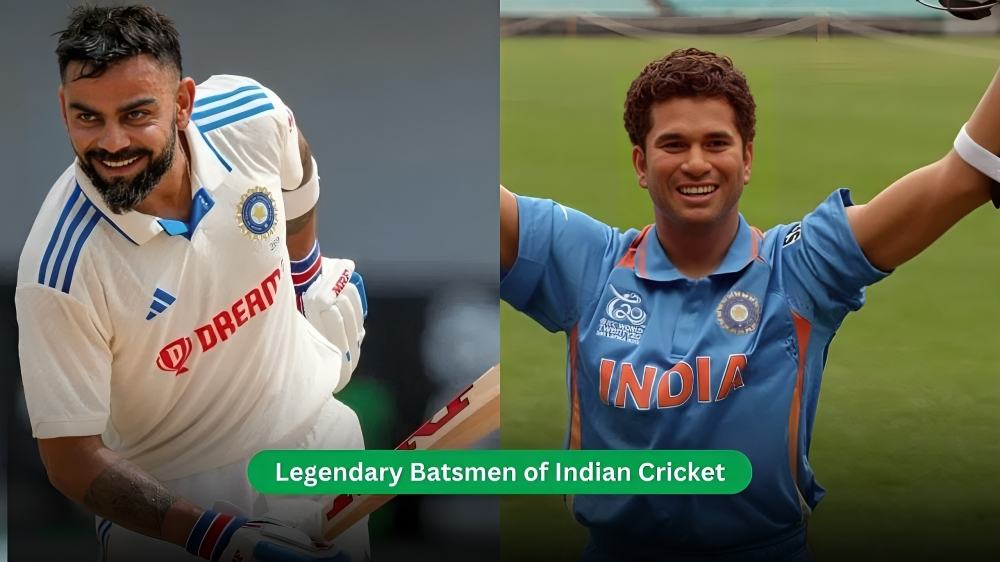
Cricket holds a special place in the hearts of millions in India, with the nation’s top players revered as icons. The Indian cricket team has achieved remarkable success on the global stage, giving rise to a series of legendary batsmen who have become household names. These players have not only made significant contributions to Indian cricket but have also left an indelible mark on the world stage. Let’s explore the careers of these batting legends who have shaped the history of Indian cricket. Virender Sehwag Virender Sehwag is undoubtedly one of the greatest opening batsmen in cricket, known for his explosive style and ability to take the game away from the opposition. In 2009, he became the first Indian to be awarded the Wisden Leading Cricketer in the World, an honor he retained the following year. With a remarkable strike rate of 82.23, Sehwag holds the record for the highest strike rate among batsmen with over 3000 Test runs. He is also one of only two players to score both a double hundred in ODIs and a triple century in Tests. While other top Indian batsmen like MS Dhoni, Sourav Ganguly, Rohit Sharma, and VVS Laxman came close, Sehwag remains a true legend in Indian cricket. Rahul Dravid Rahul Dravid, one of the top four Test run-scorers of all time, is revered for his unwavering concentration and resilience, earning him the moniker “The Wall.” Known for his defensive play, Dravid amassed over 13,000 runs in Tests, with an impressive record of performing even better abroad. His dedication was evident when he batted for an astonishing 12 hours in a Test against Pakistan. Dravid, a keen student of the game, has transitioned into coaching and is now the head coach of the Indian cricket team, where he delivered an inspiring motivational speech following India’s Test victory over England in 2024. Virat Kohli Virat Kohli, still playing at the highest level, is one of the greatest ODI players of all time, sitting in the top 5 for most runs scored in 50-over cricket. With 13,848 ODI runs and an impressive average of 58.67, he leads in the shortest format too, with over 4,000 runs in T20 internationals. Kohli holds the record for the most runs in IPL history and is the favorite to top the run charts again in 2024. His remarkable performances, like his dominance in the 2015/16 T20 series against Australia, demonstrate his unmatched talent across formats. Sunil Gavaskar Sunil Gavaskar, who made his Test debut against the West Indies in 1971, quickly made an impact by scoring a century in his second Test. The first player to reach 10,000 Test runs, Gavaskar is one of only 14 players in history to achieve this milestone, underlining his exceptional talent. Renowned for his ability to handle fast bowlers, Gavaskar thrived against the formidable West Indies pace attack. After retiring, he transitioned into commentary, offering insightful analysis, particularly on Indian players, further cementing his legacy in the cricketing world. Sachin Tendulkar Sachin Tendulkar is widely regarded as the greatest Indian batsman and one of the best in the history of the sport. With 15,921 Test runs, he tops the all-time list, and in One Day Internationals, he holds the record for most runs, surpassing his nearest competitor by over 4,000 runs. Known as the ‘Little Master,’ Tendulkar excelled in all formats before retiring in 2013. He remains involved with the Mumbai Indians in the IPL, where he continues to inspire the next generation. His exceptional balance and poise at the crease made his batting a joy for fans worldwide. E2BET: Welcome! Discover Endless Betting Possibilities!
Ravindra Jadeja: Jersey Number of Ravindra Jadeja 8
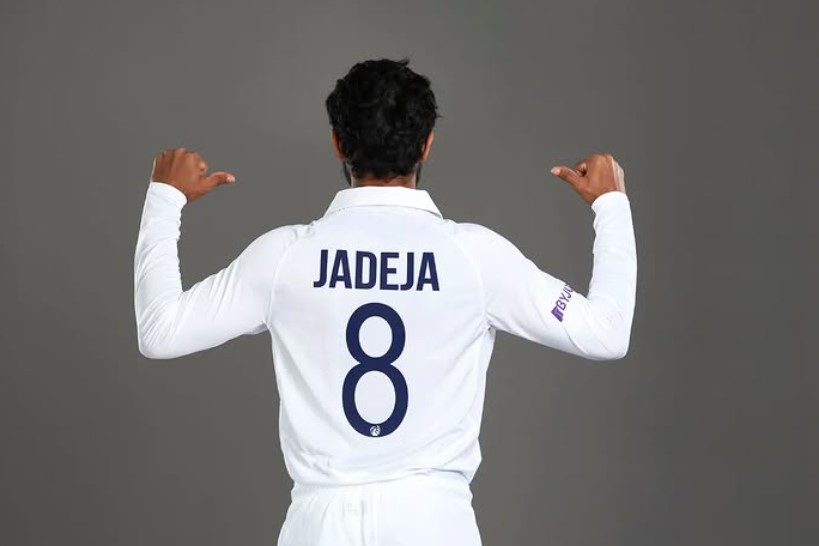
Ravindra Jadeja: Ravindra Jadeja, one of the most dynamic all-rounders in world cricket, has carved out an impressive career for himself as a bowler, batsman, and fielder. His exceptional skills in all three departments of the game, combined with his resilience and determination, have made him an integral part of the Indian national cricket team. A key aspect of his identity on the field is his jersey number, which has become synonymous with his contributions to Indian cricket. In this article, we will take an in-depth look at the jersey number of Ravindra Jadeja, its significance, and how this number has evolved alongside his career, along with his impact on Indian and international cricket. Jersey Number of Ravindra Jadeja Ravindra Jadeja’s jersey number is #8. This number has been worn by Jadeja throughout his career, and it has become an iconic symbol of his multifaceted role within the Indian cricket team. Why Number 8? Jadeja’s choice of the number 8 is often seen as one that represents his resilience and balance. The number 8 is often associated with harmony and infinite possibilities, much like Jadeja’s playing style, which blends several skills together seamlessly. While Jadeja’s exact reasoning for choosing this number is not publicly documented, it is clear that the number 8 has become symbolic of his all-round ability in cricket. Jadeja is known for his consistency with both bat and ball, and his ability to deliver key moments under pressure. The #8 represents his well-roundedness and his constant adaptability in different roles – whether as a bowler, batsman, or fielder. Ravindra Jadeja’s Career Overview Ravindra Jadeja is widely regarded as one of the finest all-rounders in modern cricket. His contributions have been pivotal in many of India’s victories, especially in overseas conditions. Let’s take a closer look at his career statistics to understand his impact on the game. Jadeja’s Career Stats Format Matches Played Innings Runs Scored Wickets Taken Batting Average Bowling Average Best Bowling Test 67 120 2,442 253 36.73 24.52 7/48 ODI 173 164 2,335 188 33.03 36.70 5/36 T20I 58 55 523 51 18.03 27.04 3/13 Ravindra Jadeja: Jadeja’s stats illustrate his value as an all-rounder. With the ball, his accuracy and ability to extract turn make him a constant threat, while with the bat, he has played several crucial innings, especially in lower-order situations. Jadeja’s performance with the ball has often been underappreciated, but his consistency in taking wickets at key moments has been invaluable. Ravindra Jadeja in the Indian Premier League (IPL) In the Indian Premier League (IPL), Ravindra Jadeja’s performances have been equally spectacular. He has been one of the key players for the Chennai Super Kings (CSK), where he has made a significant impact with both bat and ball. Throughout his IPL career, Jadeja’s jersey number #8 has been a prominent feature of his presence in the game, and he has played crucial roles in CSK’s multiple IPL titles. Year Matches Played Runs Scored Wickets Taken Best Bowling Economy Rate 2012 16 221 15 3/40 7.46 2018 16 189 11 3/9 7.44 2020 14 232 6 2/22 7.02 Jadeja’s contribution in the IPL goes beyond just his performance with the bat and ball. His fielding is world-renowned, and he is often seen producing stunning run-outs, catches, and saves, further adding value to his number 8 jersey. Career Highlights and Key Moments Jadeja’s Best Test Bowling Performance Opponent Year Bowling Figures Match Result Sri Lanka 2017 7/48 India won England 2018 5/57 India won Jadeja’s ability to take wickets in high-pressure situations is one of his defining qualities. His career has been marked by several match-winning spells, and his number 8 jersey has become symbolic of his ever-present value to the Indian team. The Role of Jersey Numbers in Cricket In cricket, jersey numbers are more than just identifiers; they often hold personal significance for players. For Ravindra Jadeja, the number 8 represents balance, versatility, and the harmony between his batting, bowling, and fielding skills. Many of the greatest cricketers of all time have made their mark with iconic jersey numbers, and Jadeja’s number 8 is no exception. In cricket, the choice of a jersey number is sometimes based on tradition, personal preference, or even the birthdate of the player. For example, legendary cricketers like Sachin Tendulkar wore number 10, and MS Dhoni is synonymous with 7. In Jadeja’s case, the number 8 reflects his well-rounded abilities and his all-around contribution to the game. Comparison with Other Notable Players Wearing Number 8 While the number 8 is not as universally iconic as numbers like 7 or 10, it has been worn by some other notable players: Player Country Career Highlights Shane Warne Australia Legendary leg-spinner, one of the greatest bowlers of all time, known for his 708 Test wickets. Michael Clarke Australia Former captain of Australia, successful batsman and leader, led Australia to victory in the 2015 World Cup. Brian Lara West Indies One of the greatest batsmen, holds the record for the highest individual score in Test cricket (400*). Conclusion Ravindra Jadeja’s jersey number 8 is a fitting representation of his remarkable cricketing journey, which has seen him evolve into one of the most versatile all-rounders in the world. From his outstanding contributions in international cricket to his crucial role in the Indian Premier League (IPL), Jadeja has made his number a symbol of excellence, adaptability, and the perfect blend of batting, bowling, and fielding. As his career progresses, Jadeja’s number 8 will continue to be associated with his legacy as one of India’s finest cricketers, and his multifaceted contributions to the game will inspire future generations of players. Whether with the bat, ball, or in the field, #8 will remain a number that fans around the world will associate with one of the most complete players in the history of cricket. Welcome to E2Bet, here for you to enjoy playing fun and exciting games:
Jersey Number 24 in Cricket

Jersey Number 24: In cricket, jersey numbers are not just a means of identification. Over time, they have come to represent a player’s unique identity, their journey, and sometimes, their legacy. The number 24 has been worn by several iconic cricketers, and over the years, it has become synonymous with exceptional performances, impactful careers, and unforgettable moments. This article delves into the significance of jersey number 24 in cricket, examining its association with famous players, the meaning behind it, and the impact these players have had on the game. The Significance of Jersey Number 24 in Cricket In the world of cricket, jersey numbers are often linked to personal preferences, birthdates, or the player’s admiration for another player. The number 24 is no exception. It is considered to be a number of balance and symmetry. Across various sports, it has been worn by players who have made a mark with their extraordinary talent and contributions. In cricket, the number 24 has been worn by some of the most recognized names, from bowlers to batsmen. Its association with prominent cricketers adds a certain mystique to the number, elevating its significance beyond just being a digit on a shirt. Iconic Cricketers Who Wore Jersey Number 24 Several notable cricketers have sported the number 24, each leaving an indelible mark on the sport. Let’s take a closer look at some of them. 1. Shaun Pollock (South Africa) One of the most iconic cricketers to wear the number 24 is Shaun Pollock, the former South African all-rounder. Pollock, who represented South Africa in all formats of the game, was renowned for his consistency, control, and leadership qualities. His jersey number became synonymous with a period of dominance for South African cricket in the late 1990s and early 2000s. Shaun Pollock’s Career Overview Format Matches Played Innings Wickets Taken Runs Scored Batting Average Bowling Average Best Bowling Test 108 186 421 3,781 32.31 23.11 7/87 ODI 303 302 393 3,781 30.30 24.50 5/30 T20I 21 21 23 220 18.33 23.60 4/11 Pollock’s all-around abilities made him a vital part of South African cricket, and his legacy as a bowler and batsman is remembered worldwide. His number 24 was emblematic of his versatility and consistency. 2. Morne Morkel (South Africa) Another South African pacer who donned the number 24 was Morne Morkel. Known for his tall frame, relentless pace, and ability to extract bounce, Morkel was a crucial part of the South African bowling attack, particularly in Test cricket. His partnership with Dale Steyn and others in the pace attack made South Africa one of the most feared bowling units in world cricket. Morne Morkel’s Career Overview Format Matches Played Innings Wickets Taken Best Bowling Average Economy Rate Test 86 162 309 7/109 26.33 3.23 ODI 117 116 188 4/24 25.50 5.09 T20I 44 44 47 4/21 28.46 8.00 Morkel’s prowess with the ball, particularly in swinging conditions, earned him a reputation as one of the best fast bowlers of his generation. His number 24 is synonymous with the success of the South African pace attack in the 2000s. 3. Chris Gayle (West Indies) Although Chris Gayle, the powerful West Indian batsman, is most famous for his explosive batting, he also wore the number 24 at various points during his career. Known for his thunderous six-hitting ability and dominance in T20 cricket, Gayle’s number 24 became iconic during his time in the IPL and international cricket, particularly in limited-overs formats. Chris Gayle’s Career Overview Format Matches Played Innings Runs Scored Batting Average Highest Score Test 103 181 7,214 42.18 333 ODI 301 294 10,480 37.83 215* T20I 75 74 1,665 29.23 117 Jersey Number 24: Gayle’s contribution to West Indian cricket and his reputation as one of the best T20 players of all time has made his number 24 jersey iconic in the cricketing world. 4. Alok Kapali (Bangladesh) Jersey Number 24: Alok Kapali is another cricketer who wore the number 24 for the Bangladesh national team. While Kapali’s career was not as illustrious as those of some other cricketers, he played a vital role in the early development of Bangladeshi cricket, contributing both with the ball and bat. Alok Kapali’s Career Overview Format Matches Played Innings Runs Scored Wickets Taken Best Bowling Test 10 18 296 19 4/66 ODI 38 38 533 29 4/29 T20I 7 7 56 5 2/26 Kapali’s contributions to Bangladesh cricket may not have received the global attention of some other players, but his number 24 remains a part of the cricketing history of the country. Other Notable Players and Their Impact with Number 24 Jersey Number 24: While the number 24 is not as universally recognized as some other numbers in cricket, it has been worn by several other notable players, such as: Player Country Career Highlights Irfan Pathan India Former Indian pacer known for his swing and seam movement, played a crucial role in India’s 2007 T20 World Cup victory. Yasir Shah Pakistan Leg-spinner who became one of Pakistan’s most prominent Test bowlers in the 2010s. The Cultural and Personal Significance of Jersey Number 24 Jersey Number 24: In cricket, as in other sports, jersey numbers carry personal and cultural significance. For the players who wore number 24, it often became more than just a uniform. It became an embodiment of their style of play, their achievements, and their connection with their fans. Conclusion Jersey Number 24: Jersey number 24 in cricket has been worn by a variety of players across different nations and formats, each contributing significantly to the sport. Whether it’s Shaun Pollock’s all-round brilliance, Morne Morkel’s fiery fast bowling, Chris Gayle’s destructive batting, or the other cricketers who wore this number, it has come to represent excellence, legacy, and impactful careers in cricket. The significance of this number lies not just in its association with individual players but in its broader representation of balance, consistency, and the pursuit of greatness. Welcome to E2Bet, here for you to enjoy playing fun and exciting games:
আন্তর্জাতিক ক্রিকেটের ইতিহাসে শীর্ষ ৫ দ্রুততম বল
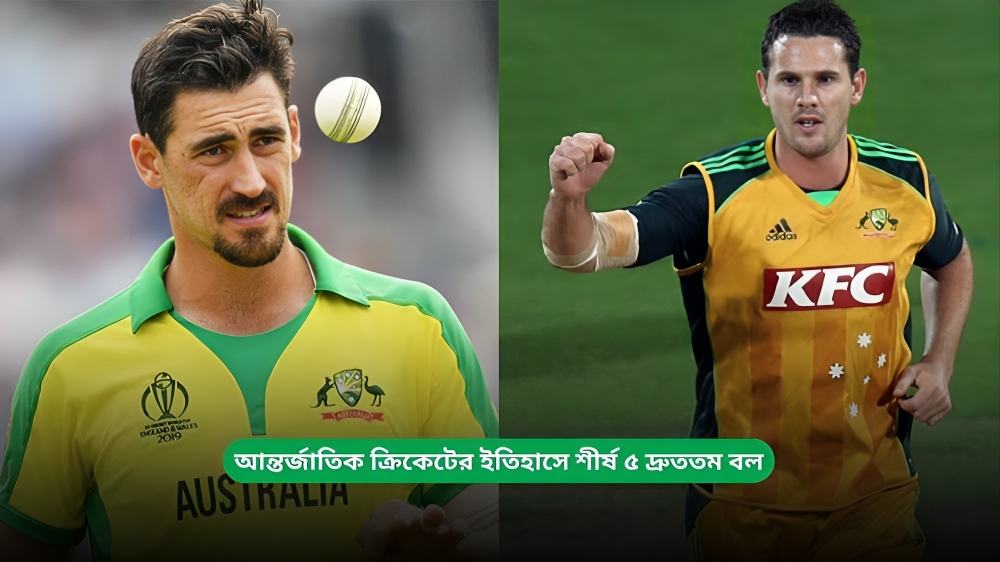
5. জেফরি থমসন (১৬০.৪ কিমি/ঘন্টা) জেফরি থমসন, যিনি ক্রিকেট ইতিহাসের অন্যতম দ্রুতগতির বোলার হিসেবে পরিচিত, তাঁর সেরা সময়ে ব্যাটসম্যানদের জন্য এক দুঃস্বপ্ন ছিলেন। সতীর্থদের কাছে “থমো” নামে পরিচিত থমসন, ১৯৭৫ সালে পার্থে ওয়েস্ট ইন্ডিজের বিপক্ষে ১৬০.৪ কিমি/ঘণ্টা গতির বল করে দ্রুততম ডেলিভারির তালিকায় পঞ্চম স্থানে রয়েছেন। 4. মিচেল স্টার্ক (১৬০.৪ কিমি/ঘণ্টা) অস্ট্রেলিয়ান পেসার মিচেল স্টার্ক বর্তমানে বিশ্বের অন্যতম সেরা সক্রিয় ফাস্ট বোলার। বামহাতি এই পেসার অস্ট্রেলিয়ার ফাস্ট বোলিং আক্রমণে বছরের পর বছর ধরে গুরুত্বপূর্ণ ভূমিকা পালন করে আসছেন। স্টার্ক ২০১৫ সালে ওয়াকায় নিউজিল্যান্ডের বিপক্ষে একটি টেস্ট ম্যাচে ১৬০.৪ কিমি/ঘণ্টা গতিবেগ রেকর্ড করেন। 3. শোন টেইট (১৬০.৭ কিমি/ঘণ্টা) প্রাক্তন অস্ট্রেলিয়ান পেসার শন টেইট আন্তর্জাতিক ক্রিকেটে বড় সাফল্য না পেলেও দ্রুততম বোলারদের মধ্যে নিজের স্থান নিশ্চিত করেছিলেন। অপ্রচলিত বোলিং অ্যাকশন এবং অতিরিক্ত গতি তৈরি করার ক্ষমতার জন্য পরিচিত টেইট দ্রুততম ডেলিভারির তালিকায় তৃতীয় স্থানে রয়েছেন। ২০১০ সালে মেলবোর্ন ক্রিকেট গ্রাউন্ডে পাকিস্তানের বিপক্ষে একটি টি-টোয়েন্টি ম্যাচে তিনি ১৬০.৭ কিমি/ঘণ্টা গতিতে বল করেছিলেন। 2. ব্রেট লি (১৬১.১ কিমি/ঘন্টা) ব্রেট লি, অস্ট্রেলিয়ার প্রতিনিধিত্বকারী অন্যতম সেরা ফাস্ট বোলার, তাঁর অসাধারণ গতি এবং সঠিকতার জন্য পরিচিত ছিলেন। ২০০০-এর দশকে অস্ট্রেলিয়ার প্রাধান্য প্রতিষ্ঠায় তিনি একটি গুরুত্বপূর্ণ অবদান রেখেছিলেন। তিনি ২০০৩ এবং ২০০৭ সালে ODI বিশ্বকাপ এবং ২০০৬ এবং ২০০৯ সালে চ্যাম্পিয়ন্স ট্রফি জয়ী দলের সদস্য ছিলেন। লি ক্রিকেটের দ্রুততম ডেলিভারির তালিকায় দ্বিতীয় অবস্থানে রয়েছেন, ২০০৫ সালে নিউজিল্যান্ডের বিরুদ্ধে একটি ম্যাচে ১৬১.১ কিমি প্রতি ঘন্টা গতিতে বল করে তিনি এই রেকর্ড গড়েছিলেন। 1. শোয়েব আখতার (১৬১.৩) অবশ্যই ক্রিকেট ইতিহাসের সবচেয়ে দ্রুত বোলার, প্রাক্তন পাকিস্তানি পেসার শোয়েব আখতার দ্রুততম ডেলিভারির তালিকার শীর্ষে রয়েছেন। সীমান্ত রেখা থেকে শুরু করে নিয়মিত ১৫৫ কিমি/ঘণ্টার বেশি গতিতে বল করার অসাধারণ ক্ষমতার জন্য তিনি বিশ্ব ক্রিকেটে একটি ভয়ঙ্কর শক্তি ছিলেন। “রাওয়ালপিন্ডি এক্সপ্রেস” ডাকনামে পরিচিত আখতার ২০০৩ সালের বিশ্বকাপে ইংল্যান্ডের বিরুদ্ধে ১৬১.৩ কিমি/ঘণ্টা গতিতে একটি ডেলিভারি রেকর্ড করেছিলেন। আরো পড়ুন: