

The Next Wicket-Taking Giant: Who Follows Anderson On The List 2025?

Wicket-Taking: In the world of cricket, wicket-takers hold a special place in history. A fast bowler who regularly claims wickets not only has a significant impact on the match but also establishes a legacy that transcends the sport. One of the most notable names in this regard is James Anderson, England’s legendary fast bowler. With a remarkable career spanning more than a decade, Anderson holds the distinction of being the highest wicket-taker among fast bowlers in Test cricket, a record he continues to add to. But with Anderson approaching the twilight of his illustrious career, the question on the minds of many cricket fans and analysts is: Who will be the next giant in the world of wicket-takers? Wicket-Taking: In this article, we explore who might follow James Anderson on the list of the greatest wicket-takers in Test cricket. We delve into the career statistics, skills, and potential of current bowlers who are capable of surpassing Anderson’s legacy and leading the charge in the future. With bowlers from all around the world displaying tremendous skill and consistency, it is an exciting time for cricket enthusiasts as the next generation of fast bowlers begins to make their mark. James Anderson’s Legacy: A Benchmark For Future Generations Wicket-Taking: Before we turn our attention to the next potential giant, it is important to acknowledge James Anderson’s remarkable achievements. Anderson, who made his Test debut for England in 2003, has been the backbone of their bowling attack for over a decade. His ability to swing the ball both ways, combined with his precision and experience, has made him one of the most successful bowlers in cricket history. Wicket-Taking: As of early 2025, Anderson has taken 690 wickets in 179 Test matches. His consistency, longevity, and skill have set a high benchmark for all fast bowlers. With every wicket Anderson claims, he inches closer to the legendary Muttiah Muralitharan’s record of 800 wickets, a record that will be hard to match or surpass, especially for fast bowlers. Wicket-Taking: Anderson’s success has been built on his adaptability, the ability to bowl in different conditions, and his tireless work ethic. His record in England, especially on seaming and swinging pitches, has been phenomenal. But even on dry and flat pitches, Anderson’s skills in reverse swing have kept him relevant well into his late 30s. As his career continues to evolve, the question remains: who will follow in his footsteps? The Rising Stars: Bowlers Who Could Challenge Anderson’s Record Wicket-Taking: While James Anderson’s dominance in Test cricket continues, several young fast bowlers across the globe are showing the potential to take the mantle from him. These bowlers, while not yet at Anderson’s level in terms of career wickets, have displayed the skills and consistency required to challenge records in the future. Let’s take a look at some of the key contenders for this mantle: 1. Pat Cummins (Australia) Wicket-Taking: Pat Cummins is widely regarded as one of the best fast bowlers of the modern era. Having made his Test debut in 2011, Cummins quickly became Australia’s leader in the fast-bowling department. His relentless pace, accuracy, and ability to generate bounce make him a highly effective bowler in all conditions. Wicket-Taking: As of early 2025, Cummins has taken 220 wickets in 49 Test matches, and at just 30 years old, he is already on an impressive wicket-taking trajectory. Cummins is expected to have a long career, and his sustained excellence in Test cricket makes him one of the leading contenders to eventually challenge Anderson’s record. 2. Kagiso Rabada (South Africa) South Africa’s Kagiso Rabada is another bowler with the potential to rise to the top of the wicket-taking charts. Rabada made his Test debut in 2016, and in a short span, he has established himself as one of the premier fast bowlers in the world. Known for his pace, bounce, and attacking mindset, Rabada has the ability to break partnerships and take wickets consistently. Rabada has taken 275 wickets in 56 Test matches, which is an impressive record for someone so young (25 years old). Given his fitness, skill set, and the ability to bowl in a variety of conditions, Rabada could be a key figure in the race for the highest wicket-taker among fast bowlers. 3. Josh Hazlewood (Australia) Another Australian bowler, Josh Hazlewood, has been a consistent performer in Test cricket since making his debut in 2010. Hazlewood’s ability to extract bounce and movement from any surface makes him a highly effective bowler, particularly in the subcontinent and in Australia. Hazlewood has taken 230 wickets in 57 Test matches. He’s been a key part of Australia’s formidable pace attack alongside Cummins, and with his precision and ability to bowl long spells, Hazlewood has the potential to keep collecting wickets in the years to come. 4. Ravichandran Ashwin (India) Though Ravichandran Ashwin is a spinner rather than a fast bowler, his incredible wicket-taking ability and consistency in all formats of the game warrant mention in this discussion. Ashwin has been a pivotal part of India’s Test success and has the ability to break partnerships with his variations and intelligent bowling. With 700 wickets in 113 Test matches, Ashwin is quickly approaching the top 10 wicket-takers in Test history. If he continues his dominant form, he could potentially surpass many great fast bowlers and carve his name as one of the most successful wicket-takers of all time. Future Stars To Watch: Emerging Bowlers While the aforementioned bowlers are already established as global superstars, there are several emerging talents who may rise to prominence in the coming years and make a serious push for Anderson’s record. Let’s look at some of the most exciting young fast bowlers in the world who could become the next wicket-taking giants. Player Country Wickets (Test) Matches (Test) Age (as of 2025) Jofra Archer England 100+ 20+ 29 Shaheen Afridi Pakistan 120+ 25+ 23 Kyle Jamieson New Zealand 60+ 15+ 28 Mohammad Siraj India 60+ 15+ 29 The Future Of Fast Bowling: How Will
The Player Who Has Played the Maximum Test Matches for India
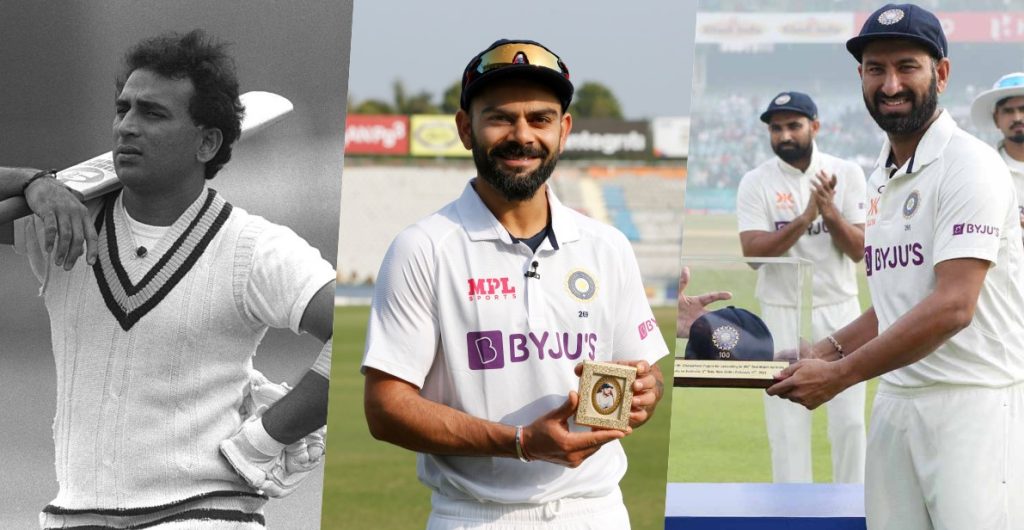
Maximum Test Matches: As of 2025, Sachin Tendulkar holds the record for playing the maximum number of Test matches for India. His illustrious career, spanning over two decades, is not only marked by his immense contributions to Indian cricket but also by his consistency and longevity in the game. Let’s explore Tendulkar’s career, his place in Indian cricket, and his record-breaking number of Test appearances. Maximum Test Matches: Sachin Tendulkar’s Career Sachin Ramesh Tendulkar is widely regarded as one of the greatest batsmen in the history of cricket. He made his Test debut for India at the age of 16 against Pakistan in 1989. Over the next 24 years, Tendulkar played 200 Test matches, a record that still stands today for any Indian cricketer. Key Milestones in Tendulkar’s Test Career Tendulkar’s record of 200 Test matches is a testament to his ability to maintain peak fitness and focus over an extended period, which is a rare achievement in the physically demanding format of Test cricket. Tendulkar’s Longevity and Impact Tendulkar’s ability to play in 200 Test matches over 24 years speaks volumes about his fitness, discipline, and passion for the game. He became the benchmark for aspiring cricketers and played an essential role in India’s rise to the top in international cricket during the 1990s and 2000s. His contributions were not only limited to his runs but also his leadership and mentoring of younger players, especially in the later stages of his career. Tendulkar’s Records in Test Matches Record Achievement Total Test Matches Played 200 Total Runs in Tests 15,921 Test Centuries 51 Test Half-Centuries 68 Highest Score in Test Cricket 248* (vs. Australia in 2004) Most Runs in a Series 1,175 runs (India in 2008 against Australia) Average in Tests 53.78 Other Players with Significant Test Careers for India While Tendulkar remains the undisputed leader in terms of Test appearances, several other cricketers have had long and impactful Test careers for India. Top 5 Indian Players with the Most Test Matches Played Rank Player Name Total Test Matches Played Debut Year Last Test Year Total Runs Centuries 1 Sachin Tendulkar 200 1989 2013 15,921 51 2 Rahul Dravid 164 1996 2012 13,288 36 3 VVS Laxman 134 1996 2012 8,781 17 4 Sunil Gavaskar 125 1971 1987 10,122 34 5 Anil Kumble 132 1990 2008 2,000+ 1 Rahul Dravid: Another Legend in Indian Test Cricket Rahul Dravid, the “Wall” of Indian cricket, is second on the list of players with the most Test matches for India. Dravid played 164 Test matches, amassing 13,288 runs at an average of 52.31. Known for his technique, patience, and ability to play under pressure, Dravid played key innings in India’s historic Test victories, including the famous 2001 Test series win against Australia in Kolkata. VVS Laxman: Master of the Subcontinent VVS Laxman, with his elegant stroke play, played 134 Test matches for India. Known for his magical innings against Australia, especially the famous 281 in Kolkata (2001), Laxman made invaluable contributions to Indian cricket over his career. He ended with 8,781 runs and 17 centuries. Sunil Gavaskar: Pioneer of Indian Test Cricket Sunil Gavaskar, one of the first global cricket icons from India, played 125 Test matches between 1971 and 1987. He was India’s first player to make a mark internationally and scored 10,122 Test runs with 34 centuries. Anil Kumble: India’s Leading Spinner Anil Kumble, India’s most successful bowler in Test cricket with 619 wickets, played 132 Test matches from 1990 to 2008. Known for his resilience and accuracy, Kumble’s contributions were vital in shaping Indian cricket’s success in the 1990s and 2000s. Other Notable Players and Their Test Career Statistics Player Test Matches Debut Year Runs/Wickets Centuries Virat Kohli 105+ 2011 8,000+ Runs 27+ Sourav Ganguly 113 1996 7,212 Runs 16 Shikhar Dhawan 35+ 2013 2,200+ Runs 6 Harbhajan Singh 103 1998 400+ wickets 1 Mohammad Azharuddin 99 1984 4,000+ Runs 9 Factors Behind Tendulkar’s Longevity Conclusion Sachin Tendulkar’s career, with its 200 Test matches, will forever stand as a pinnacle in the annals of Indian cricket. His career was a combination of unmatched skill, enduring consistency, and sheer mental toughness. While other greats like Rahul Dravid, VVS Laxman, and Anil Kumble have made their mark, it is Tendulkar who continues to be the face of Indian cricket, having played the maximum number of Test matches and setting numerous records. His legacy is not just in the numbers, but in the way he has inspired generations of cricketers and fans alike. Welcome to E2Bet, here for you to enjoy playing fun and exciting games:
India’s Top Wicket-Takers in Tests, ODIs, and T20Is
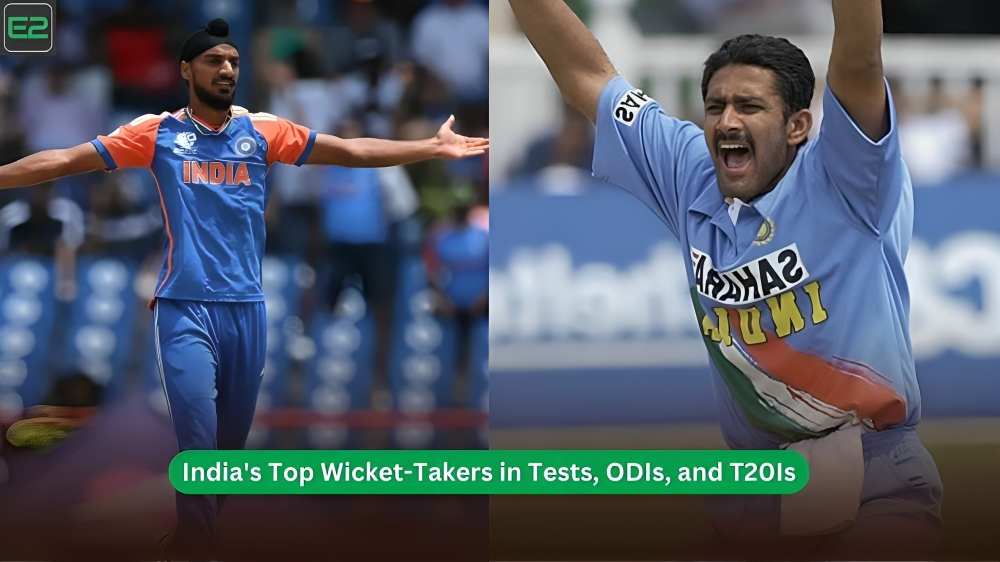
The Indian Cricket Team is widely regarded as one of the most successful teams in the history of the sport. With remarkable achievements across all three formats, they have claimed two Cricket World Cups (50 overs), two Men’s T20 World Cups, and five ICC Test Maces. India has produced some of the finest batsmen the game has ever seen, such as Sachin Tendulkar, Virat Kohli, Sunil Gavaskar, and Rahul Dravid. Their bowlers, often overshadowed, have also played a crucial role in the team’s success. Over the years, India has made significant strides in fast bowling, especially in the 21st century, helping them secure victories outside of Asia on a regular basis. While once known for their world-class spinners, India now boasts a formidable pace attack as well. Let’s take a look at India’s highest wicket-takers across the three formats – Test, ODI, and T20I cricket. 1. Test Cricket – Anil Kumble (619 wickets) Anil Kumble holds the record for the most Test wickets by an Indian bowler. Making his debut in 1990, Kumble quickly became a cornerstone of India’s bowling attack. Known for his variations, he claimed 619 wickets in 132 Test matches at an average of 29.65. His remarkable achievement includes taking 10 wickets in an innings against Pakistan in 1999 in Delhi, making him the first and only Indian to achieve this feat in Test cricket. Additionally, Kumble has 35 five-wicket hauls in Tests. He was also appointed as India’s Test captain in 2007. 2. ODI Cricket – Anil Kumble (334 wickets) Anil Kumble is also India’s highest wicket-taker in One-Day Internationals, with 334 wickets from 269 matches at an average of 30. He played a crucial role in India’s journey to the semi-finals of the 1996 Cricket World Cup, finishing as the highest wicket-taker of the tournament. Despite his success, Kumble was never part of a World Cup-winning team, with his final ODI appearance coming in the 2007 World Cup against Bermuda. 1. T20I Cricket – Arshdeep Singh (99 wickets) Left-arm pacer Arshdeep Singh has surged ahead of seasoned bowlers like Yuzvendra Chahal, Jasprit Bumrah, and Bhuvneshwar Kumar to become India’s leading wicket-taker in T20Is. Currently standing at 99 wickets in 63 T20Is, Arshdeep has impressed with his consistency, boasting an average of 18.3. He played a pivotal role in India’s triumph in the ICC Men’s T20 World Cup 2024, where he was the joint-highest wicket-taker with 17 wickets, contributing significantly to India’s title-winning campaign. Fun and excitement meet at E2Bet! Welcome to thrilling games!
Bowling Attack 2025: Which Cricket Team Has The Most Impressive Bowling Attack?
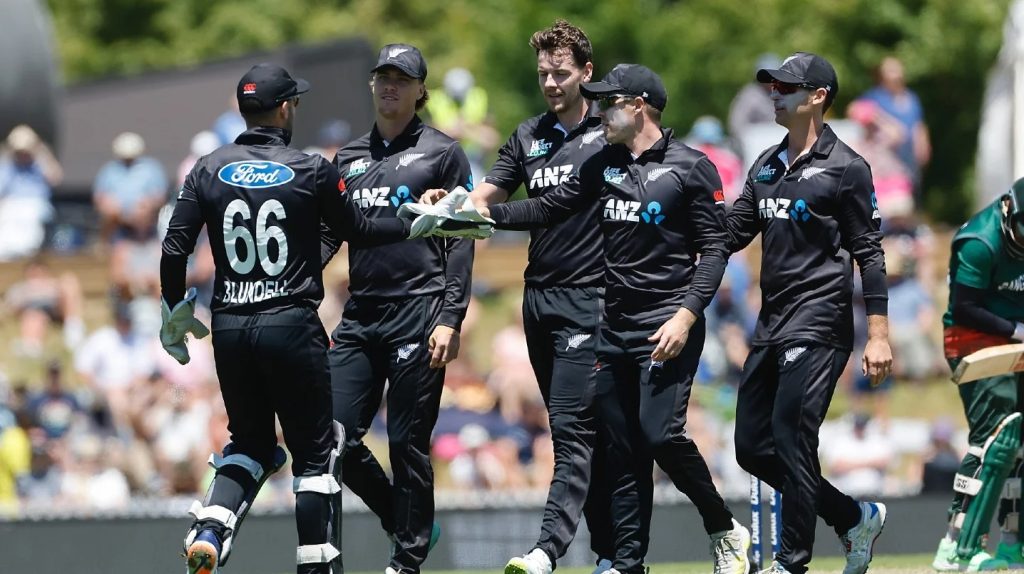
Bowling Attack: In cricket, a great bowling attack can completely change the course of a game. From fast bowlers who can break through even the most robust batting line-ups to spinners who can turn a match with a few tight overs, the strength of a team’s bowling unit often determines its success. While batting often receives the spotlight, a world-class bowling attack is equally crucial in both defending and chasing targets. Over the years, certain teams have distinguished themselves with some of the most impressive and destructive bowling line-ups. Bowling Attack: This article aims to assess which cricket team currently boasts the most impressive bowling attack. We will evaluate teams based on their recent bowling performances, key players, the versatility of their attack (pace, spin, and all-round options), and their ability to dominate in different formats and conditions. Let’s dive into a comparison of the top bowling units in modern-day international cricket. The Key Characteristics Of An Impressive Bowling Attack Bowling Attack: An impressive bowling attack is built on several key characteristics, including: Pace and Aggression: A team with top-tier fast bowlers can consistently pressure the opposition through sheer pace, bounce, and aggressive bowling tactics. Spin Precision and Control: High-quality spinners can break partnerships, control the game, and exploit conditions such as turn or flat pitches. Depth and Versatility: A diverse attack, offering multiple options—be it fast bowling, swing, spin, or all-rounders—provides flexibility, enabling teams to adapt to different conditions. Consistency and Wicket-taking Ability: A team must have bowlers who can consistently perform and take wickets, especially at crucial moments in the game. Mental Toughness: Bowlers who can perform under pressure and break through difficult situations, like getting key batsmen out when needed, make a bowling attack stand out. Top Bowling Attacks In World Cricket Bowling Attack: Here is a breakdown of some of the top bowling attacks in international cricket as of 2025. The table below highlights key players, their strengths, and the overall performance of each team. Team Key Bowlers Strengths Recent Bowling Achievements India Jasprit Bumrah, Mohammed Shami, Ravichandran Ashwin, Ravindra Jadeja Balanced pace and spin, depth in attack No. 1 Test bowling rankings, strong ODI and T20I performances Australia Pat Cummins, Mitchell Starc, Josh Hazlewood, Nathan Lyon Aggressive pace attack, strong home bowling unit Consistent success in Tests, ODI dominance, 2021-2022 Ashes win South Africa Kagiso Rabada, Anrich Nortje, Lungi Ngidi, Keshav Maharaj Fast bowling potency, bounce, swing Dominant in home conditions, top-tier fast bowling unit England James Anderson, Stuart Broad, Jofra Archer, Adil Rashid Swing bowling, pace, spin in subcontinent conditions Strong in home conditions, excellent in swing-friendly pitches New Zealand Trent Boult, Tim Southee, Neil Wagner, Mitchell Santner Consistent fast bowling, disciplined, swing bowling Excellent overseas performances, especially in Tests Pakistan Shaheen Afridi, Naseem Shah, Hasan Ali, Yasir Shah High pace, good spin options, emerging young talent Impressive performances in the UAE, excellent young fast bowlers India: A Balanced Attack With World-Class Spinners And Pacers India has established itself as one of the strongest cricketing nations with a well-rounded and powerful bowling attack. The combination of Jasprit Bumrah, Mohammed Shami, and spinners like Ravichandran Ashwin and Ravindra Jadeja gives India a perfect balance of pace and spin. Jasprit Bumrah: Known for his pinpoint yorkers, Bumrah has developed into one of the best fast bowlers in the world. His ability to bowl in all formats and under pressure makes him invaluable, especially in limited-overs cricket. Mohammed Shami: Shami is one of the most reliable fast bowlers, capable of extracting swing and bounce from any surface. He often delivers match-winning performances, especially in Test matches. Ravichandran Ashwin: A maestro in spin bowling, Ashwin’s skill and variations make him a constant threat, especially in longer formats. His ability to bowl in diverse conditions has earned him the title of one of the world’s leading spinners. Ravindra Jadeja: Jadeja offers exceptional control and accuracy with the ball. His left-arm spin has been a crucial part of India’s success, and his ability to turn the ball sharply has made him a key weapon in home conditions. India’s bowling attack has been one of the most impressive in world cricket, with their recent rise to the No. 1 spot in ICC Test rankings being a testament to their consistency and depth. Australia: Aggression And Control Australia has long been known for producing some of the fiercest fast bowlers in world cricket. The Pat Cummins, Mitchell Starc, Josh Hazlewood trio offers unmatched pace, aggression, and skill, while Nathan Lyon has been one of the most effective spinners for Australia in recent years. Pat Cummins: A captain and a world-class fast bowler, Cummins is known for his ability to generate pace and swing while maintaining impeccable accuracy. His leadership skills and bowling prowess make him one of the most formidable bowlers in the world. Mitchell Starc: Starc’s left-arm pace and deadly yorkers make him an invaluable asset, especially in limited-overs formats. His ability to reverse swing the ball has been critical to Australia’s bowling success. Josh Hazlewood: Hazlewood’s line and length are his main weapons. His ability to bowl long spells, maintain pressure, and provide breakthroughs in crucial moments makes him a key part of Australia’s attack. Nathan Lyon: Australia’s premier off-spinner, Lyon has been instrumental in breaking partnerships and has consistently delivered in home conditions, especially during the Ashes series. Australia’s attack is known for its aggressive and fearless nature, often overwhelming the opposition with pace and bounce. Their success in both Tests and limited-overs cricket proves the strength of their bowling unit. South Africa: Pace And Bounce South Africa’s pace attack is arguably one of the most lethal in the world, known for extracting bounce and seam movement, particularly on their home soil. Kagiso Rabada, Anrich Nortje, and Lungi Ngidi lead the pace attack, while Keshav Maharaj offers an excellent spin option in favorable conditions. Kagiso Rabada: Rabada is one of the best fast bowlers in the world, with the ability to generate pace and swing. He is known
The Player with the Highest Batting Average in Test Cricket Without Scoring a Century

Highest Batting Average: Test cricket, the longest and most traditional form of the game, is renowned for rewarding consistency and mental fortitude. A Test batsman’s average is often considered one of the most important metrics of their ability to perform over an extended period. Scoring centuries is seen as a benchmark of a top-tier batsman, and many players in the history of Test cricket have amassed centuries as part of their legacy. However, there is a curious case of a player who holds the record for having the highest batting average in Test cricket without ever scoring a century. This player is none other than Chris Tavare, an English cricketer, who set the record for the highest batting average in Test cricket history without a century. Who is Chris Tavare? Chris Tavare was an English cricketer who played for the national team during the late 1970s and early 1980s. A right-handed opening batsman, Tavare was known for his dogged determination, solid technique, and gritty approach to batting. While he wasn’t known for flamboyant stroke play or quick scoring, his ability to occupy the crease and wear down opposition bowlers was invaluable. Despite being a consistent performer at the international level, Tavare was never able to score a century in his Test career. Nonetheless, his ability to maintain an impressive batting average is a testament to his technique and patience. Chris Tavare’s Career Statistics To understand the significance of Tavare’s record, we need to look at his career in greater detail. Tavare played 39 Test matches for England, with a batting career that lasted from 1976 to 1983. His batting style, often described as defensive, was tailor-made for Test cricket, but ironically, it did not yield a single century. Chris Tavare’s Career Stats (Test Cricket) Matches Played Innings Runs Scored Highest Score Average Centuries Fifties 39 70 1,297 99* 26.75 0 9 As seen in the table, Tavare’s highest score was 99 not out, which is remarkably close to a century but still not a formal century. Despite this, his consistent contributions were valuable for England during his career, especially as an opening batsman, where his job was often to blunt the opposition’s new ball attack and give the middle order a platform to build on. The Unusual Case of Chris Tavare’s High Average Without a Century Chris Tavare holds the unique distinction of having the highest batting average in Test cricket for a player who did not score a century. His average of 26.75 might not seem particularly high by modern standards, but it was exceptional for a batsman who never reached three figures. His ability to hang in there, grind out runs, and remain a consistent part of the team despite failing to convert those near-centuries into the big hundreds is what made him an interesting case study. Why Tavare’s Average Stands Out To understand why Tavare’s batting average stands out, we need to take into account several factors: Other Players with Notable Test Batting Averages Without Centuries While Chris Tavare holds the highest batting average without a century, he’s not the only player to achieve a strong average without crossing the three-figure mark in Test cricket. Let’s look at a few others who have made their mark in this unusual category. Player Name Country Matches Played Innings Runs Scored Highest Score Batting Average Centuries Fifties Chris Tavare England 39 70 1,297 99* 26.75 0 9 Gary Kirsten South Africa 101 183 7,289 98 40.95 0 39 Javed Miandad Pakistan 124 215 8,832 280* 52.57 19 43 Gavin Hamilton Scotland 10 18 455 91 30.33 0 3 While players like Gary Kirsten and Javed Miandad scored runs and fifties frequently, they still managed to surpass Chris Tavare’s average while scoring centuries. Tavare’s case is unique in that despite playing for a shorter period and having a significantly lower overall average than these legends, he holds the specific record for the highest average without scoring a century. Why the Record Is So Significant Conclusion Chris Tavare’s unique record of having the highest Test batting average without scoring a century is an exceptional feat. It serves as a reminder that cricket is not always about the spectacular moments — it is also about quiet, steady contributions. Tavare may not have been a showstopper in terms of big centuries, but his ability to accumulate runs over a period of time without being dismissed cheaply speaks to his incredible value to the England team during the 1970s and 1980s. His achievement also highlights an interesting facet of cricket — while hundreds are the benchmark for measuring the success of batsmen, sometimes it is the accumulation of smaller but valuable contributions that make a true impact on the game. Chris Tavare’s legacy will always remain as a testament to the importance of consistency, resilience, and the ability to play a role in the team, even without the glamour of a century. Welcome to E2Bet, here for you to enjoy playing fun and exciting games:
How Sports Betting Works: A Simple Guide 2025

Sports Betting: Sports betting is one of the most popular forms of gambling worldwide, attracting millions of fans who enjoy the excitement of betting on real-world sporting events. Whether you’re a casual fan or a seasoned bettor, understanding how sports betting works is crucial to making informed decisions and maximizing your chances of success. In this article, we’ll explore the fundamental aspects of sports betting, from understanding odds to placing your first bet. With this simple guide, you’ll be well on your way to understanding how sports betting works and how to get started. 1. What Is Sports Betting? Sports betting involves placing a wager on the outcome of a sporting event. The goal is to predict the result of the game or event and bet money on it. If your prediction is correct, you win the bet and typically receive a payout based on the odds at the time you placed the bet. If your prediction is wrong, you lose the money you wagered. There are various types of bets you can place, ranging from simple bets on who will win a game to more complex wagers on the number of points scored, individual player performances, or even game-specific events. Types of Sports Bets Bet Type Description Moneyline Bet Betting on which team or player will win the game. Point Spread Betting on the margin of victory by which a team will win. Over/Under (Total) Betting on whether the total points scored by both teams will go over or under a specific number. Parlay Combining multiple bets into one for higher payouts, but higher risk. Futures Betting on the outcome of a season or tournament (e.g., who will win the championship). Prop Bets Betting on specific outcomes within a game, such as player performance or specific events. 2. Understanding Odds In Sports Betting One of the most important aspects of sports betting is understanding odds, as they determine how much you can win and how likely the outcome is. Odds are typically displayed in three formats: American (Moneyline), Decimal, and Fractional. American Odds (Moneyline): This format uses a plus (+) or minus (-) sign to indicate the odds. A positive number indicates how much you would win on a $100 bet, while a negative number shows how much you need to bet to win $100. Decimal Odds: This format is commonly used in Europe and Canada. It shows how much you will win per dollar bet, including your stake. For example, decimal odds of 2.00 means you will win $2 for every $1 bet, including your original stake. Fractional Odds: Often used in the UK, fractional odds show how much you will win relative to your stake. For example, 5/1 odds mean that for every $1 you bet, you will win $5 in profit (plus your original stake). Odds Formats Comparison Format Example Meaning American (Moneyline) +200 Bet $100 to win $200 (plus your initial stake). -150 Bet $150 to win $100 (plus your initial stake). Decimal 3.50 Bet $1 to win $3.50 (including your original stake). Fractional 5/1 Bet $1 to win $5 in profit (plus your initial stake). 3. Placing Your First Bet Placing a sports bet is a straightforward process once you understand the basic components. Here’s how it works step by step: Step 1: Choose a Sportsbook A sportsbook is an establishment (physical or online) where you can place sports bets. In some countries, sportsbooks are regulated and operate legally, while in others, they may only exist online or in specific regions. Step 2: Select a Sport or Event Once you’ve chosen a sportsbook, you can browse through a list of available sports and upcoming events. Most sportsbooks will feature major sports like football, basketball, baseball, and soccer, but many also offer options for niche sports like tennis, golf, and esports. Step 3: Choose a Bet Type After selecting your sport, you’ll need to choose the type of bet you want to place. This could be a moneyline bet on who will win, a point spread bet on how much a team will win by, or any other available bet type. Step 4: Set Your Stake Once you’ve chosen your bet, the next step is to decide how much money you want to wager. Most sportsbooks will display the potential payout based on your stake and the odds. Step 5: Confirm Your Bet After selecting your stake and reviewing the details, you’ll need to confirm your bet. Once confirmed, the bet is locked in, and you can watch the event unfold to see if your prediction comes true. Example of Placing a Bet Step Action Example Step 1: Choose a Sport Select the sport you want to bet on. NFL Football Step 2: Choose Bet Type Choose the type of bet (e.g., Moneyline, Point Spread). Moneyline Bet on Team A to win. Step 3: Set Stake Enter the amount of money you want to wager. $50 bet Step 4: Confirm Bet Review and confirm the bet. Bet placed on Team A with odds of -150. 4. Types Of Sports Bets Explained Now that you know how to place a bet, let’s dive deeper into some of the most common types of bets you’ll encounter. Moneyline Bets This is the simplest form of sports betting. In a moneyline bet, you simply pick the winner of the event. The odds for each team or player will vary, with favorites having negative odds (e.g., -150) and underdogs having positive odds (e.g., +200). Point Spread Bets Point spread betting is a bit more complex. In this type of bet, the sportsbook sets a spread (a number) to even out the betting between two teams. The favorite must win by more than the point spread, while the underdog can either win outright or lose by fewer points than the spread. Example: Over/Under Bets An over/under bet, also known as a total bet, involves betting on the total number of points scored in a game by both teams combined. The
How Player Form and Injuries Impact Cricket Betting

Injuries : Cricket, often referred to as a game of uncertainties, is deeply influenced by the form and fitness of players. Whether you’re placing bets on individual performances, team outcomes, or specific match events, understanding the dynamics of player form and injuries is crucial for making informed cricket betting decisions. A player’s form and health can dramatically influence a match’s result, making it essential to assess these factors before placing your bets. In this article, we’ll explore how player form and injuries impact cricket betting, discussing key factors that bettors need to consider. We’ll also highlight how these factors are quantified in cricket betting markets and provide examples of how they can alter the course of a match or series. 1. Player Form: A Key Indicator for Betting Decisions Player form refers to the current performance level of a cricketer based on recent matches or a series of performances. It is one of the most important factors to consider when placing bets, as a player’s form can dramatically affect the outcome of the match, whether it’s a batsman’s consistency or a bowler’s ability to take wickets. How Player Form Affects Betting Example: Player Form in Betting Markets Player Form (Recent Matches) Betting Odds on Player to Score 50+ Runs Betting Odds on Player to Take 3+ Wickets Joe Root (England) Consistently scoring 50+ runs in last 10 matches 2.50 5.00 Mitchell Starc (Australia) Taking regular wickets in every series 3.00 2.50 Ben Stokes (England) Recently been inconsistent, failing to score big runs 4.00 6.00 From this table, it’s clear that a player’s form will heavily influence betting odds. Joe Root, for instance, being in excellent batting form, will have lower odds for scoring 50+ runs, as bookies anticipate him to perform consistently. Conversely, a player like Ben Stokes, who has been inconsistent, might offer higher betting odds because of the uncertainty surrounding his performance. 2. The Impact of Injuries on Betting Injuries are an unavoidable part of cricket, and they can have a significant impact on the outcome of a match. Injuries can affect both the team’s overall performance and a player’s individual ability to contribute. When a key player gets injured, it can shift the momentum of the game and impact the odds, which is essential for bettors to consider. How Injuries Affect Betting Example: Impact of Injuries on Betting Markets Player (Injured) Injury Type Effect on Team Performance Betting Odds Change Virat Kohli (India) Hamstring Strain Loss of key batsman in top form Odds for India to win increase, as India might struggle to replace him Jasprit Bumrah (India) Back Injury Weakens India’s pace attack Odds for top wicket-taker and total wickets shift in favor of opposing team David Warner (Australia) Groin Injury Loss of key opening batsman Odds for Australia to score big runs drop As we can see from the table above, the injury of key players such as Virat Kohli or Jasprit Bumrah can alter betting odds significantly. Virat Kohli’s absence means India might struggle in the top order, making bets on his replacement to perform well less likely. Meanwhile, Bumrah’s injury impacts Australia’s odds of scoring runs, and also shifts betting odds for players likely to take more wickets. 3. Injury Recoveries and Their Influence In some cases, players may return from injury in time for a key match or series. The impact of such comebacks can be either positive or negative, depending on how quickly the player regains form. For example, a fast bowler who has been out with a shoulder injury might struggle to regain his rhythm, while a batsman might quickly return to peak form if the injury wasn’t severe. How Injury Recoveries Affect Betting Player Injury Type Expected Recovery Impact Betting Odds Change Steve Smith (Australia) Elbow Injury Returning to batting after rehab, likely to perform well Odds for Smith to score 50+ runs decrease Shaheen Shah Afridi (Pakistan) Knee Injury Likely to be rusty, affecting his pace bowling Odds for Afridi to take wickets increase As seen in the table, when Steve Smith returns from an elbow injury, the expectations around his form are high, leading to a lower odds for him to score well. Conversely, Shaheen Shah Afridi’s return from a knee injury suggests a period of rustiness, making betting on him to take wickets riskier. 4. Analyzing the Overall Team Performance When assessing cricket betting odds, the team’s overall performance and how injuries affect the team as a whole must be considered. A key player’s injury might reduce the team’s overall potential, while several injuries can significantly harm a team’s ability to win. Example: Team Injury Impact on Betting Team Key Players Injured Impact on Betting Odds Betting Markets Affected India Virat Kohli, Rohit Sharma India’s batting weakened, odds for total runs drop Team win, total runs, top scorer Australia Steve Smith, Josh Hazlewood Australia’s batting and bowling impacted Odds for team win, top wicket-taker Injuries to multiple players in a team, like the case of India losing key batsmen like Virat Kohli and Rohit Sharma, can drastically alter the betting landscape. The odds for India to win might increase for the opposition, while the odds for total runs or top batters might shift accordingly. Conclusion: The Crucial Role of Player Form and Injuries in Cricket Betting In cricket betting, player form and injuries are two of the most critical factors that bettors must consider. Whether it’s betting on individual performances or overall match outcomes, understanding the nuances of player fitness, form, and recovery can greatly enhance the chances of making successful bets. Players in form tend to perform consistently well, while injuries to key players can have unpredictable and game-altering effects. To make informed decisions, bettors must stay up to date with injury reports, player fitness, and recent form trends. A comprehensive understanding of these factors, combined with knowledge of cricket betting markets, will increase your chances of success in cricket betting. Key Takeaways: Welcome to E2Bet, here for you to enjoy playing fun and exciting
Sports Betting 2025: Advantages And Disadvantages Of Online Sports Betting: A Complete Overview

Online sports betting has transformed the way people engage with their favorite sports. With the growth of digital technology and the increasing popularity of online gambling, sports enthusiasts now have easier access to betting platforms than ever before. However, as with any form of gambling, there are both advantages and disadvantages associated with online sports betting. This article provides a comprehensive overview of the benefits and drawbacks, offering a balanced perspective for those interested in participating in this activity. Advantages Of Online Sports Betting Convenience And Accessibility The most significant advantage of online sports betting is the convenience it offers. Bettors no longer need to travel to physical betting shops or casinos; they can place bets from the comfort of their homes or on the go using their smartphones. Key Benefits of Convenience: Anytime, Anywhere: Online betting platforms are available 24/7, enabling users to place bets at any time and from virtually any location. Mobile Compatibility: With mobile apps, bettors can wager during a live game, travel, or relax at home without any hassle. No Geographical Restrictions: Unlike traditional betting shops, online betting platforms are accessible globally, which means you can participate in betting events regardless of where you live. Convenience Factor Online Betting Traditional Betting Availability 24/7 Limited hours Location Anywhere, any time Requires physical presence Mobile Access Yes No Global Reach Yes Limited to local area Wide Range Of Betting Options Online sports betting platforms offer a wide variety of betting markets that cater to every type of sports fan. While physical bookmakers generally have a limited selection, online platforms allow bettors to place a diverse array of bets on a range of sports events. Types of Bets Available: Match Result: Betting on the winner of a particular match or event. Over/Under Bets: Predicting whether the total points, goals, or runs will be over or under a specific number. Prop Bets: Betting on specific outcomes during a match, such as the first player to score or the number of corner kicks. Live Betting: Placing bets during an ongoing match, with odds fluctuating in real-time based on the event’s progress. Futures: Wagering on long-term outcomes, like which team will win a championship or a league. The range of betting options, along with specialized markets for specific sports, makes online sports betting highly attractive to both casual and experienced bettors. Type of Bet Online Betting Traditional Betting Match Result Available Available Over/Under Bets Available Available Prop Bets Available Limited Live Betting Available Rare Futures Available Available Better Odds And Bonuses Online sports betting platforms are highly competitive, and this benefits bettors. Compared to traditional betting outlets, online sportsbooks typically offer better odds, which means bettors can potentially win more for the same stake. Additional Financial Incentives: Welcome Bonuses: Many online sportsbooks offer attractive sign-up bonuses for new users, such as free bets or deposit matches. Loyalty Programs: Some platforms reward long-term users with points or bonus bets, which can be used for future wagers. Promotions and Free Bets: Regular promotions and special offers allow bettors to increase their potential returns. No Transaction Fees: Unlike some physical casinos, many online sportsbooks don’t charge transaction fees for deposits and withdrawals. With all these financial advantages, bettors can get more value for their money when engaging in online sports betting. Financial Factor Online Betting Traditional Betting Odds Competitive, better Fixed, less favorable Welcome Bonuses Available Rare Loyalty Programs Available Rare Promotions Frequent, regular Occasional Transaction Fees Often none May apply Live Streaming And In-Play Betting One of the most exciting features of online sports betting is the ability to place live bets while watching games unfold in real-time. Many online platforms offer live streaming of events, and bettors can place in-play wagers as the action progresses. Benefits of Live Betting: Real-Time Engagement: In-play betting allows users to place bets based on the current dynamics of the match, such as predicting the next goal scorer or whether a penalty will be awarded. Immediate Feedback: Bettors can see their bets’ outcomes almost instantly, adding excitement to the experience. Odds Change: The odds change dynamically during a match, creating new opportunities to make profitable bets based on the current scenario. Live betting, combined with the ability to watch matches live, offers a thrilling experience that traditional betting methods simply cannot replicate. Feature Online Betting Traditional Betting Live Streaming Available Rare In-Play Betting Available No Real-Time Betting Yes No Immediate Feedback Yes No Security And Payment Flexibility Reputable online sports betting platforms use advanced encryption technology to ensure the security of their users’ data and financial transactions. They offer multiple secure payment methods, making it easy for bettors to deposit and withdraw money. Security Features: SSL Encryption: Most online betting platforms use SSL encryption to safeguard personal and financial data. Multiple Payment Options: Users can choose from a variety of secure payment methods, including credit/debit cards, e-wallets, and bank transfers. Fraud Prevention: Leading platforms implement strict verification processes to prevent fraudulent activity, including identity verification and secure payment methods. With these features in place, online sports betting offers a high level of safety and peace of mind for users. Security Feature Online Betting Traditional Betting Encryption SSL Encryption Limited Payment Options Wide range of options Limited Fraud Prevention Advanced checks Basic checks Disadvantages Of Online Sports Betting Risk of Addiction One of the most significant disadvantages of online sports betting is the potential for addiction. The ease of access, convenience, and availability of betting options can make it easier for some individuals to develop a compulsive gambling habit. Key Concerns: 24/7 Access: The ability to bet at any time of day or night can lead to irresponsible gambling, especially for individuals who struggle with self-control. Escalating Losses: The ease of depositing funds into online accounts can encourage users to chase losses, which may lead to financial problems. Online platforms have taken steps to address these concerns, but the risk of addiction remains a serious issue. Risk Factor Online Betting Traditional Betting Availability 24/7, constant access Limited
The Difference Between Fast, Medium Fast, and Fast Medium Bowlers in Cricket
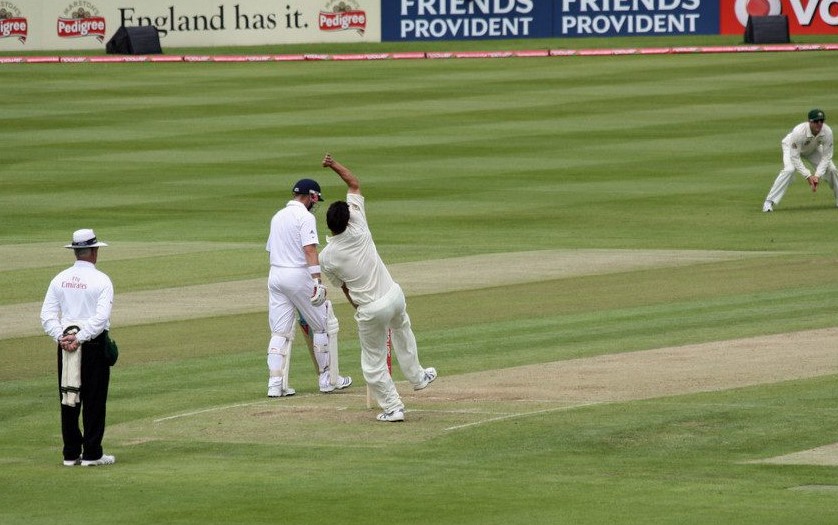
Difference : Cricket is a highly strategic game, with various roles contributing to the team’s success. Among these roles, bowlers stand out as they are responsible for taking wickets and controlling the flow of runs. Bowlers can be categorized based on the speed and style of their deliveries. Broadly, bowlers are classified as fast bowlers, medium-fast bowlers, and fast-medium bowlers. These classifications, though overlapping in some areas, have distinct differences based on delivery speed, technique, and style of bowling. In this article, we will explore the differences between fast, medium-fast, and fast-medium bowlers in cricket, and how each type influences the game. Overview of Bowling Categories in Cricket Bowlers are generally classified into three main categories based on their bowling speed and style: Each category of bowler brings a different challenge to the batsman, and these bowlers play a unique role on the field. 1. Fast Bowlers (Pace Bowlers) Characteristics of Fast Bowlers Fast bowlers, also referred to as pace bowlers, are the quickest bowlers in cricket. They bowl deliveries at speeds exceeding 140 km/h (87 mph), with some bowlers capable of reaching speeds up to 160 km/h (99 mph). Key Characteristics: Famous Fast Bowlers: Bowler Speed Range Typical Length Swing Type Strengths Brett Lee 150 – 160 km/h Short/Full Reverse Swing Pace, Bounce Dale Steyn 140 – 155 km/h Full Conventional Swing Accuracy, Pace Shoaib Akhtar 155 – 160 km/h Full/Short Reverse Swing Speed, Aggression 2. Medium-Fast Bowlers Characteristics of Medium-Fast Bowlers Medium-fast bowlers bowl at speeds ranging between 126 km/h to 140 km/h (78 to 87 mph). This category includes bowlers who are not as fast as pace bowlers but still bowl quicker than traditional medium bowlers. Key Characteristics: Famous Medium-Fast Bowlers: Bowler Speed Range Typical Length Swing Type Strengths Chris Woakes 130 – 140 km/h Full/Good Length Conventional Swing Accuracy, Movement Kapil Dev 126 – 135 km/h Full/Good Length Conventional Swing Accuracy, Bounce Craig White 130 – 135 km/h Good Length Conventional Swing Consistency 3. Fast-Medium Bowlers Characteristics of Fast-Medium Bowlers Fast-medium bowlers bowl at speeds between 130 km/h and 140 km/h (81 to 87 mph). They represent a middle ground between fast bowlers and medium-fast bowlers. Fast-medium bowlers are often considered the bridge between pure pace and swing/medium-paced deliveries. Key Characteristics: Famous Fast-Medium Bowlers: Bowler Speed Range Typical Length Swing Type Strengths Glenn McGrath 130 – 135 km/h Full Conventional Swing Line & Length Mohammad Asif 130 – 140 km/h Full/Good Length Conventional Swing Seam Movement John Topley 130 – 140 km/h Full Conventional Swing Accuracy Comparison of Fast, Medium-Fast, and Fast-Medium Bowlers To summarize the differences, let’s look at a comparative table: Category Speed Range Key Characteristics Common Techniques Typical Role Fast Bowlers > 140 km/h (87 mph) High pace, bounce, aggression Pace, Reverse Swing, Bouncers Attack, Create Pressure Medium-Fast Bowlers 126 – 140 km/h Accuracy, swing, movement off the pitch Conventional Swing, Seam Movement Control, Support Fast Bowlers Fast-Medium Bowlers 130 – 140 km/h Medium pace, subtle movement, consistency Conventional Swing, Seam Movement Control, Take Wickets in Middle Overs Conclusion Each of the three categories of bowlers — fast, medium-fast, and fast-medium — plays a crucial role in cricket. Fast bowlers are the spearheads of the attack, using their pace and aggression to take wickets and set the tone. Medium-fast bowlers offer a more measured approach, using swing and accuracy to apply pressure. Fast-medium bowlers sit in between, providing a mix of pace, movement, and control, and are often crucial in maintaining pressure during long spells. Understanding the differences between these types of bowlers allows players, analysts, and fans to appreciate the subtleties of cricket’s bowling attack. Whether it’s the raw speed of a fast bowler, the accuracy of a medium-fast bowler, or the subtle control of a fast-medium bowler, each brings a unique challenge to the game. Welcome to E2Bet, here for you to enjoy playing fun and exciting games:
Why Aren’t Today’s Fast Bowlers As Quick As Those From The ’70s And ’80s?
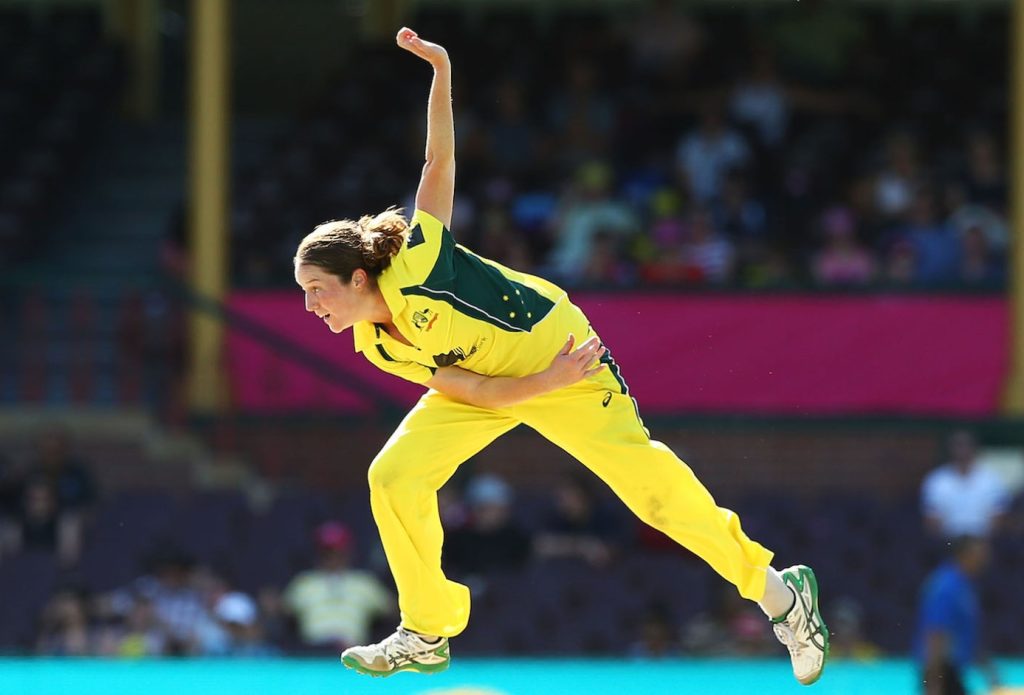
Cricket has always had its legends, and one of the most talked-about aspects of the game is the speed at which the ball is bowled. Fast bowlers from the 1970s and 1980s—such as the likes of Dennis Lillee, Geoff Thomson, and Michael Holding—are still remembered for their extraordinary pace and their ability to bowl at speeds exceeding 150 km/h regularly. Fast forward to today, and while there are still bowlers like Shoaib Akhtar, Brett Lee, and Dale Steyn who can bowl at blistering speeds, it’s often debated whether today’s fast bowlers are as quick as those who played decades ago. So, why aren’t today’s fast bowlers as quick as those from the ’70s and ’80s? There are a variety of factors that contribute to the apparent decline in pace over the years. From changes in training methods and pitch conditions to the evolution of cricketing technology, there are multiple reasons why the fastest bowlers of yesteryear might appear to have an edge over their modern counterparts. In this article, we will explore the key reasons behind the differences in pace between past and present fast bowlers, discussing aspects like advancements in fitness, changes in the game, and the evolving nature of fast bowling. 1. Changes In Training And Fitness One of the major reasons modern fast bowlers might not reach the same speeds as those from the ’70s and ’80s is the evolution of fitness and training regimes. While bowlers in the past were undoubtedly talented, the focus on fitness and conditioning in modern cricket has drastically changed. Fast bowlers today focus more on endurance, recovery, and injury prevention rather than sheer speed alone. Past Training Methods: Lack of Specialized Training: During the ’70s and ’80s, fast bowlers didn’t have the benefit of specialized strength and conditioning programs. The training mostly revolved around cricketing skills and fitness, but modern practices like gym-based strength training or explosive power exercises were not prevalent. Unstructured Conditioning: Bowlers of the past often relied on natural athleticism, playing multiple forms of the game like Test matches, One-Day Internationals, and domestic cricket to keep their fitness up. Modern Training Regimes: Focus on Fitness & Recovery: Today, there is a significant emphasis on fitness regimes, including gym workouts, cardio, and flexibility to help maintain speed and prevent injuries. Modern training is more structured and tailored to the specific needs of fast bowlers. Recovery Practices: The advent of ice baths, physiotherapy, and rest periods has resulted in fast bowlers of today focusing on managing their workload rather than maintaining the same intensity over long periods. Attribute 1970s-80s Fast Bowlers Modern Fast Bowlers Fitness Focus Cricket-based training Strength, conditioning, recovery Training Method Less structured, based on natural ability Gym, sprinting, and advanced techniques Injury Management Limited focus on recovery Dedicated injury management programs 2. Injury Concerns And Reduced Workload Fast bowlers are prone to injuries due to the high-impact nature of their bowling actions. Over the years, the toll on the body has become a significant concern, and modern cricket boards have adapted by managing the workloads of fast bowlers much more carefully. The introduction of injury prevention and rehabilitation techniques has reduced the number of injuries, but it has also meant that fast bowlers are no longer bowling at their maximum capacity in every match. Past Approach to Injuries: Higher Injury Rates: Fast bowlers in the ’70s and ’80s often bowled long spells, sometimes exceeding 20 overs a day, and didn’t have the same support systems to recover from injuries quickly. The aggressive nature of their bowling meant that their careers were often shorter due to repeated injuries. High-Intensity Bowling: Bowlers like Dennis Lillee and Jeff Thomson were known for bowling long spells and for their intense pace, despite their physical limitations and the lack of recovery methods. Modern Approach to Workload: Managed Workload: Today, fast bowlers’ workloads are carefully managed, with specific plans for rest and rehabilitation. This often means that modern fast bowlers are not able to maintain the same level of intensity in each match, as their bodies are preserved for longer careers. Focus on Longevity: Modern bowlers are expected to deliver a long career with sustainable performance, which often means bowling at speeds that are lower than their historical counterparts. Attribute 1970s-80s Fast Bowlers Modern Fast Bowlers Bowling Load High, with long spells Managed load with shorter spells Injury Rate High, frequent injuries Reduced injury rates due to careful management Workload Management Less consideration for rest Strategic workload for longevity 3. Changes In Pitch Conditions And Playing Surfaces Another crucial factor in the perceived decrease in pace is the evolution of pitch conditions. Fast bowlers thrive on pitches that offer pace and bounce, such as those found in Australia and South Africa. However, the pitches in modern cricket, particularly in subcontinental regions, have become much slower and lower, which does not help fast bowlers generate the same level of pace as they did on the pitches of the past. Past Conditions: Pace-Friendly Pitches: During the ’70s and ’80s, pitches in countries like Australia and the West Indies were often faster, offering more bounce and pace for fast bowlers to exploit. These conditions encouraged fast bowlers to bowl at higher speeds, making it easier for them to generate intimidating pace. Ball Quality: Older balls used to stay harder for longer, which allowed bowlers to maintain higher speeds. Over time, the ball quality has changed, and modern balls are softer, making it more difficult for bowlers to maintain velocity over long spells. Modern Conditions: Slower, Low-Bouncing Tracks: The introduction of pitches designed for spin bowling, especially in subcontinent regions, has reduced the opportunities for fast bowlers to bowl at high speeds. Wear and Tear on Balls: Modern cricket balls often wear out faster than in the past, limiting their ability to maintain pace through the latter stages of a spell. Attribute 1970s-80s Conditions Modern Conditions Pitch Speed Fast and bouncy (e.g., Australia, West Indies) Slower, lower, often spinner-friendly (e.g., India, Sri Lanka) Ball Wear Harder