

The Brand Value of the Big Bash League (BBL)
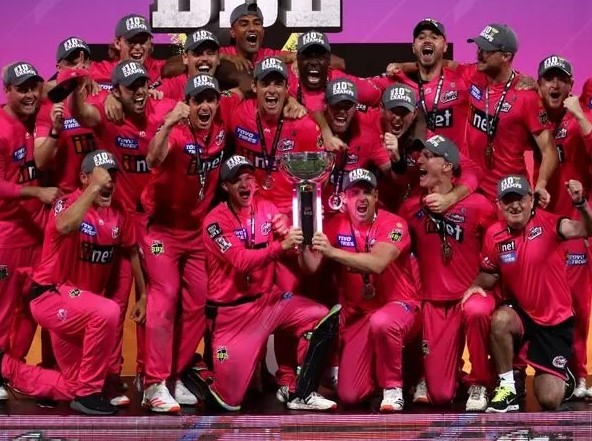
Brand Value: The Big Bash League (BBL), Australia’s premier Twenty20 cricket competition, has emerged as one of the most popular and commercially successful T20 leagues globally. Since its inception in 2011, the league has captivated audiences with its entertaining format, top-tier players, and family-friendly appeal. In this article, we delve into the brand value of the BBL, analyzing key factors that contribute to its commercial success, revenue streams, sponsorships, and overall market influence. Key Components of the BBL’s Brand Value 1. Market Position and Popularity The BBL is recognized as one of the top T20 leagues in the world, competing with global giants like the Indian Premier League (IPL) and Pakistan Super League (PSL). Its success is driven by: 2. Financial Metrics The league’s brand value is underpinned by its revenue streams, including broadcasting rights, sponsorship deals, ticket sales, and merchandise. The following table outlines estimated figures: Revenue Source Estimated Contribution (AUD) Details Broadcasting Rights $120 million per season Partnership with Seven Network and Foxtel. Sponsorship Deals $50 million per season Major brands include KFC as the title sponsor. Ticket Sales $25 million per season High attendance at iconic venues. Merchandise and Licensing $10 million per season Team jerseys, caps, and other merchandise. Digital and Social Media Ads $5 million per season Revenue from online engagement platforms. Total Annual Revenue $210 million Broadcasting Deals The broadcasting rights for the BBL represent one of its largest revenue streams. In a landmark deal in 2018, Cricket Australia secured a $1.2 billion agreement with Seven Network and Foxtel, covering both the BBL and international cricket. This agreement underscores the league’s immense popularity and its ability to attract significant investment. Table: Comparison of T20 League Broadcasting Revenue League Broadcasting Revenue per Season (USD) Broadcast Partner Indian Premier League $600 million Star Sports Big Bash League $90 million Seven Network, Foxtel Pakistan Super League $36 million PTV Sports, ARY Digital Caribbean Premier League $10 million ESPN, SportsMax Sponsorships and Partnerships Sponsorship deals are a cornerstone of the BBL’s financial model. With KFC as the title sponsor since the league’s inception, the BBL has built a strong association with the fast-food giant. Additional sponsorships come from various sectors, including automotive, banking, and retail, further diversifying its revenue base. Notable Sponsors in the BBL Audience Engagement and Attendance The BBL’s focus on family-friendly entertainment has been a major factor in its popularity. High-energy matches, innovative marketing strategies, and celebrity endorsements have ensured packed stadiums and high engagement rates. Key Statistics Metric Figure Notes Average Match Attendance 20,000+ Among the highest in global T20 leagues. Peak TV Viewership 2.2 million (Final, 2020) Record-breaking domestic audience. Social Media Followers 5 million+ across platforms Significant growth in digital engagement. Global Recognition and Player Influence The BBL’s global appeal is enhanced by the participation of international cricket stars and its adherence to high broadcasting standards. The league’s ability to attract overseas players, such as Rashid Khan, Chris Lynn, and Alex Hales, has further bolstered its brand value. Comparison of Player Salaries League Top Player Salary (USD) Average Player Salary (USD) Indian Premier League $2.4 million $400,000 Big Bash League $380,000 $120,000 Pakistan Super League $200,000 $80,000 Challenges and Opportunities While the BBL has established itself as a major T20 league, it faces challenges such as competition from the IPL and managing scheduling conflicts with international cricket. However, opportunities for growth include expanding international broadcasting deals, leveraging digital platforms, and hosting marquee players to enhance global viewership. Conclusion The Big Bash League’s brand value is a testament to its innovative approach to cricket, combining entertainment and sport to create a unique product. With its robust financial model, strong audience base, and global recognition, the BBL continues to grow as a major force in the world of cricket. Its ability to adapt to market trends and attract investment will be key to sustaining its success in the years to come. Welcome to E2Bet, here for you to enjoy playing fun and exciting games:
The Youngest Captain in WBBL History
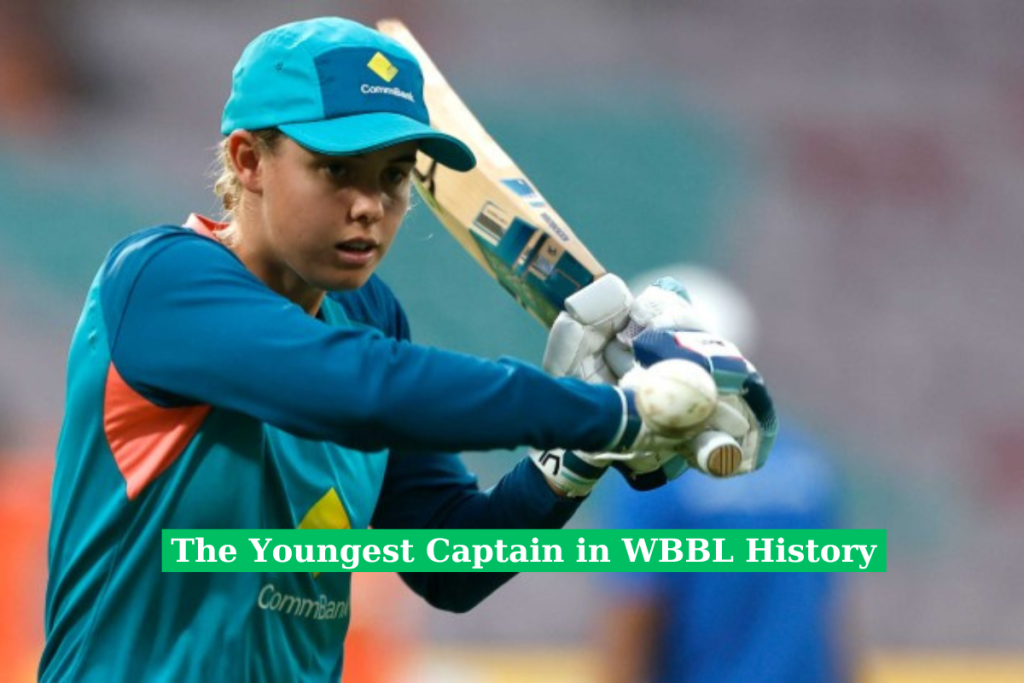
Youngest Captain: The Women’s Big Bash League (WBBL) has consistently provided a platform for young players to shine on a global stage. Over the years, it has also become a breeding ground for future leaders in women’s cricket. One of the most exciting aspects of WBBL is the opportunity for young players to take on leadership roles and captaining their teams. Leading a team at such a young age is a testament to both their skill and maturity on the field. In this article, we explore the youngest captain in WBBL history and provide an in-depth look at their journey, leadership qualities, and their impact on the league. The Youngest Captain in WBBL History: Rachael Haynes As of the 10th season of the WBBL, Rachael Haynes is the youngest player to have captained a team in the history of the competition. Haynes, a stalwart of Australian women’s cricket, became captain of the Sydney Thunder in 2016 at the age of just 28 years and 112 days. While many players had captained their sides at a later stage in their careers, Haynes’ appointment as captain at a relatively young age was seen as a bold and progressive decision, recognizing her leadership qualities and ability to influence a game both tactically and emotionally. Her time as captain has been marked by success and immense growth for the team, making her a standout leader and one of the most respected figures in women’s cricket. Rachael Haynes: A Rising Leader Rachael Haynes has long been a cornerstone of Australian women’s cricket. Her leadership qualities became evident early in her career, and her appointment as captain of Sydney Thunder came when she had already established herself as a reliable player, both with the bat and in the field. Under her captaincy, Sydney Thunder won their first WBBL title in 2016-17, proving her leadership credentials. Key Achievements Under Rachael Haynes’ Leadership: Rachael Haynes is an ideal example of the balance between strong leadership and excellent cricketing skills. Her appointment as the youngest captain in WBBL history paved the way for more young players to take on similar roles and has had a significant impact on the league. Table: Youngest Captains in WBBL History Rank Player Team Age (at Captaincy) Date of Appointment 1 Rachael Haynes Sydney Thunder 28 years, 112 days 2016-17 Season 2 Meg Lanning Melbourne Stars 28 years, 182 days 2016-17 Season 3 Alyssa Healy Sydney Sixers 29 years, 46 days 2017-18 Season 4 Beth Mooney Perth Scorchers 29 years, 154 days 2020-21 Season 5 Sophie Devine Adelaide Strikers 29 years, 177 days 2018-19 Season Rising Stars: Young Captains of WBBL The WBBL has seen a trend in young, dynamic players stepping up as leaders, and in recent years, more players have captained their respective sides at an early age. Following Haynes’ path, other players like Meg Lanning, Alyssa Healy, and Beth Mooney have also captained WBBL teams in their late 20s. Meg Lanning – A Young Leader with a Record-Breaking Career Meg Lanning, one of the most successful Australian cricketers of all time, was appointed captain of the Melbourne Stars in 2016-17, just shortly after Rachael Haynes. At the age of 28 years and 182 days, Lanning was one of the youngest to take on the role, and her captaincy has been marked by a mix of aggressive batting and strategic leadership. Lanning has also captained Australia with great success, further solidifying her position as one of the brightest stars in women’s cricket. Alyssa Healy – A Leader with Grit Another player who has displayed leadership at a young age is Alyssa Healy, who captained the Sydney Sixers at 29 years old. Known for her aggressive wicket-keeping and attacking batting, Healy’s leadership style is dynamic and fearless, reflecting her personality on and off the field. Healy’s stint as captain helped establish her credentials as a leader, although she was later succeeded by the experienced Ellyse Perry. Beth Mooney – Perth Scorchers’ Aggressive Captaincy Beth Mooney took the captaincy of the Perth Scorchers at 29 years and 154 days, and her leadership style has been characterized by a calm and composed approach. A key player for Australia and in the WBBL, Mooney’s strategic insights and adaptability on the field have played an instrumental role in Perth Scorchers’ continued success in the competition. Leadership Styles of WBBL Captains Rachael Haynes – Calm and Tactical Rachael Haynes is often described as a calm and composed leader. She brings a tactical approach to the game, focusing on the strengths of her team while strategically planning her moves. Her leadership is more about guiding her players through challenges rather than pushing them to perform under pressure. This calm demeanor has been key to Sydney Thunder’s success. Meg Lanning – Aggressive and Assertive Meg Lanning’s leadership is characterized by her aggressive approach to both batting and captaincy. She instills a fearless attitude in her team, encouraging players to take risks and challenge their limits. Lanning’s leadership has been highly successful, especially when combined with her exceptional cricketing skills. Alyssa Healy – Energetic and Fearless Healy’s leadership is energetic and fearless, much like her approach to the game. She leads from the front, with her aggressive wicket-keeping and explosive batting. Her style of leadership is inspiring for younger players who admire her tenacity and commitment to the game. Beth Mooney – Composed and Inspirational Beth Mooney’s leadership is composed, measured, and inspirational. She leads by example, both in the way she plays and in the way she handles challenges. Her calm leadership style allows her players to perform without feeling pressured. Youngest Captain: Impact of Young Captains on WBBL Youngest Captain: The presence of young captains in the WBBL has contributed significantly to the evolution of the league. These captains not only bring fresh perspectives but also serve as role models for aspiring cricketers worldwide. They showcase that age is not a limiting factor when it comes to leadership, and their experiences encourage younger generations to step into leadership
The Weight of a Cricket Ball
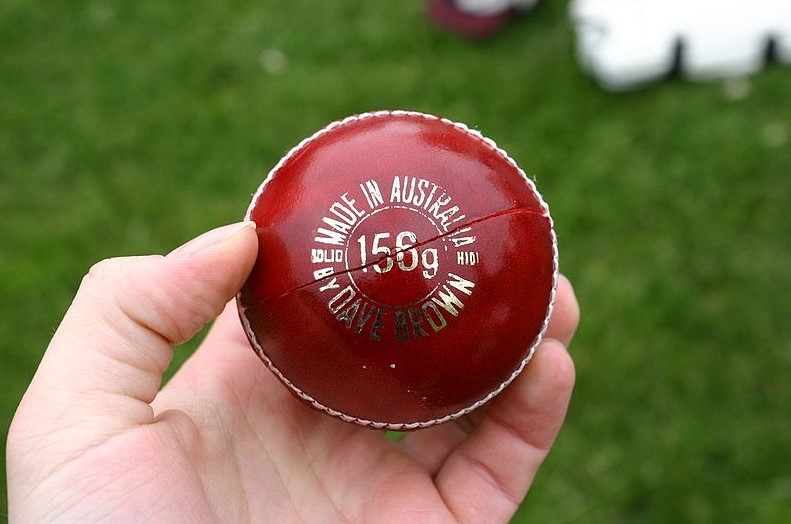
Cricket is a sport known for its precision, intricacy, and technicality. One of the most important aspects of the game is the cricket ball, an essential tool used by both bowlers and fielders to play the game. The weight of the cricket ball plays a crucial role in the sport, as it affects various aspects of the game, including the speed of delivery, swing, and spin. This article will explore the standard weight of a cricket ball, how it is regulated, and why it matters in different formats of the game. Standard Weight of a Cricket Ball The weight of a cricket ball is determined by the International Cricket Council (ICC) and other governing bodies like the Marylebone Cricket Club (MCC). These organizations ensure that the ball conforms to specific dimensions and weight standards, promoting consistency and fairness across matches, tournaments, and cricket formats globally. Table 1: ICC and MCC Regulations on Cricket Ball Weight Regulating Body Weight Range Ball Type ICC (International Cricket Council) 155.9 to 163 grams Standard Test Match Ball MCC (Marylebone Cricket Club) 155.9 to 163 grams Traditional Ball (used in both Test and Limited Overs formats) Women’s Cricket 140 to 150 grams Women’s Cricket Ball As per ICC and MCC regulations, the weight of a standard cricket ball for men is between 155.9 grams and 163 grams. For women’s cricket, the weight is slightly lighter, ranging from 140 grams to 150 grams. The weight can be affected slightly depending on the type of ball used—whether it’s a Test match ball, an ODI ball, or a T20 ball—but the variation is minimal. Cricket Ball Construction and Factors Affecting Weight A cricket ball consists of several parts, all of which contribute to its overall weight: The weight of the ball is primarily determined by the combination of the cork or rubber core, the winding, and the leather cover. The leather is tightly stitched around the ball, which can add a little bit to its overall weight. Table 2: Components of a Cricket Ball and Their Role in Weight Component Material Role in Weight and Performance Core Cork or Rubber Provides bounce and shape to the ball, affecting speed. Winding String or Yarn Adds weight and ensures the ball maintains its round shape. Leather Cover Dyed Leather (Red/White) Provides durability and surface for seam movement and spin. Stitching Cotton Thread Enhances grip for bowlers and aids in swing and spin. Weight and its Impact on the Game 1. Effect on Bowling Speed The weight of the cricket ball is one of the key factors influencing the speed at which it can be bowled. A heavier ball will typically be slower in terms of speed, but it will have a more significant impact when it reaches the batsman. Lighter balls, on the other hand, can be bowled faster but may lack the force of a heavier ball. Table 3: Speed vs. Weight of the Cricket Ball Ball Weight Effect on Speed Common Usage 155.9 to 163 grams Moderate Speed (slower) Typically used in Test matches 140 to 150 grams Higher Speed (faster) Used in Women’s Cricket and T20 formats 2. Impact on Swing and Spin 3. Effect on Fielding Fielders need to be quick and precise, and a cricket ball’s weight impacts how well they can handle it. A heavier ball requires more energy to catch or throw, while a lighter ball is easier to handle. Cricket Ball Weight by Format In modern cricket, the format of the game can dictate some differences in the ball used. Test matches, One Day Internationals (ODIs), and T20 formats all use cricket balls that generally fall within the weight ranges outlined by the ICC and MCC. However, slight variations can occur based on manufacturer preferences. Table 4: Weight of Cricket Balls in Different Formats Cricket Format Weight of Ball (grams) Other Specifications Test Match (Men) 155.9 to 163 grams Red ball with prominent seam and swing capabilities. One Day International 155.9 to 163 grams White ball with less swing but more emphasis on speed and accuracy. T20 Match 155.9 to 163 grams White ball, designed for higher speed and more aggressive bowling. Women’s Cricket 140 to 150 grams Lighter balls suited for the women’s game. Conclusion The weight of a cricket ball, whether in a Test, ODI, or T20 format, plays a vital role in influencing the style and strategy of the game. Weighing between 155.9 to 163 grams for men’s cricket, the ball affects the speed, swing, spin, and overall performance of both the bowlers and the fielders. The weight standards set by the ICC and MCC ensure that there is uniformity in play, promoting fairness in matches across different formats of the game. By understanding how the weight of the cricket ball affects various aspects of the sport, players and coaches can better strategize their game plans, whether they’re focusing on pace, spin, or swing. This makes the cricket ball not just a tool of the game, but an integral part of cricket’s intricate and thrilling nature. Welcome to E2Bet, here for you to enjoy playing fun and exciting games:
6 Retired Indian Cricketers from ICC Champions Trophy 2017 Squad
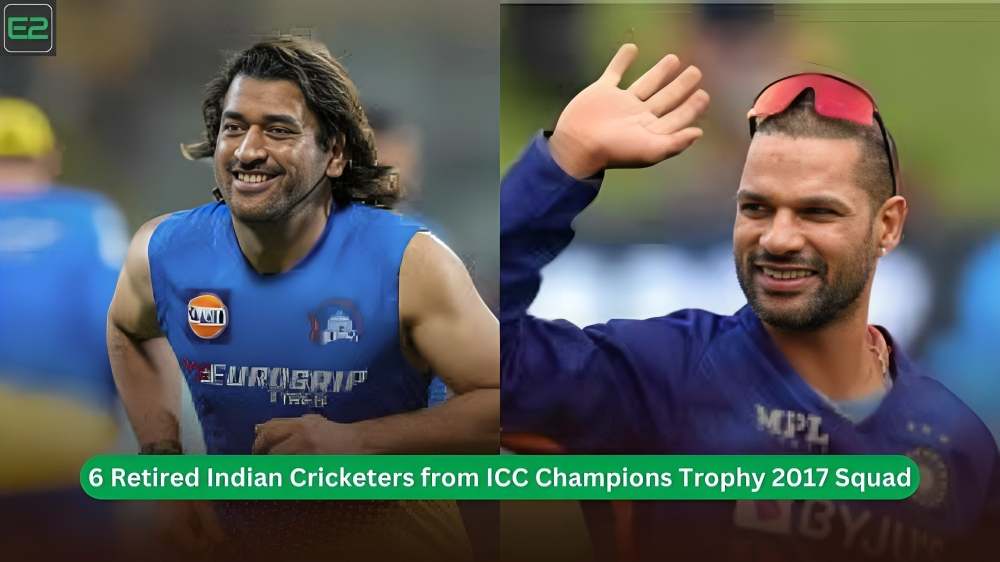
The ICC Champions Trophy 2025 is set to return in February after an eight-year hiatus, with the last edition held in 2017 in England. India finds itself in Group A, alongside rivals Pakistan, New Zealand, and Bangladesh. India’s previous Champions Trophy campaign in 2017 was a rollercoaster. They won four consecutive matches to reach the final, only to be outclassed by Pakistan, suffering a heavy 180-run defeat in the final. 1. Shikhar Dhawan Shikhar Dhawan was India’s third-highest run-scorer in the 2017 Champions Trophy, accumulating 338 runs in five innings at an average of 67.6 and a strike rate of 101.80. His partnership with Rohit Sharma at the top of the order was pivotal to India’s dominance up until the final. Dhawan retired from international cricket on August 24, 2024, following his last ODI against Bangladesh in 2022. 2. MS Dhoni The legendary wicketkeeper-batter and former Indian captain MS Dhoni retired from international cricket on August 15, 2020. His last match was the semi-final of the 2019 ICC Cricket World Cup against New Zealand, where his runout ended India’s hopes of reaching the final. Dhoni scored 63 runs across two innings in the 2017 ICC Champions Trophy at a strike rate of 98.52. 3. Dinesh Karthik Dinesh Karthik was part of India’s squad for the 2017 ICC Champions Trophy but did not play any matches, with Kedar Jadhav and Yuvraj Singh preferred in the playing XI. He was a key member of India’s victorious 2013 Champions Trophy squad. Karthik retired on June 1, 2024, with his final international appearance coming against Bangladesh in the ICC Men’s T20 World Cup 2022. 4. Yuvraj Singh Yuvraj Singh, the legendary all-rounder, retired from international cricket on June 10, 2019. His last appearance for India was against the West Indies in 2017 at North Sound. In the 2017 Champions Trophy, he contributed 105 runs in five innings at an average of 35 and a strike rate of 99, including a crucial 53 against Pakistan in the group stage. 5. Ravichandran Ashwin Ravichandran Ashwin, India’s second-choice spinner behind Ravindra Jadeja in the 2017 Champions Trophy, had a challenging campaign, taking just one wicket in three appearances at an average of 167. Despite being dropped from the white-ball teams, Ashwin made a successful comeback in later years. He retired from international cricket on December 18, 2024, after India’s Test match against Australia in Brisbane. 6. Kedar Jadhav Kedar Jadhav retired from international cricket on June 3, 2024, after a brief but memorable career. He made his debut in 2014 and played his last ODI in 2020 against New Zealand. In the 2017 Champions Trophy, Jadhav batted twice, scoring 26 runs at an average of 26, and also contributed with the ball, taking three wickets during the tournament. Welcome to E2Bet! Get ready for fun and exciting gaming adventures!
Top 6 India Women Cricketers with Most WODI Centuries
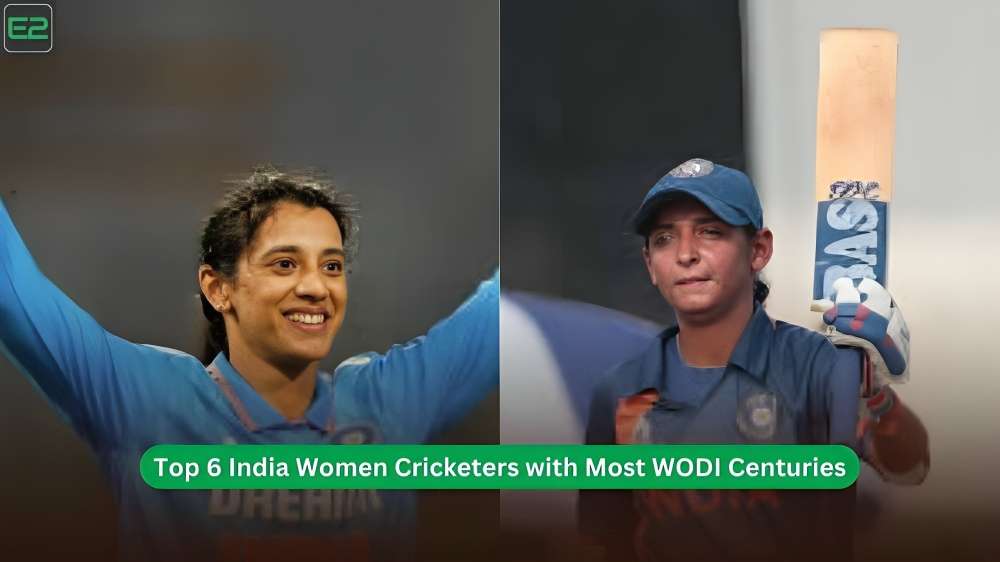
India’s women’s cricket team made their debut in Women’s One Day Internationals (WODIs) in 1978. While they have yet to claim the Women’s ODI World Cup title, India has produced several exceptional batters in this format over the years. Reshma Gandhi made history in 1999 by becoming the first Indian woman cricketer to score a century in WODI cricket. Since then, 13 other Indian women have achieved the feat, with six of them registering WODI centuries multiple times. 6. Jaya Sharma – 2 Centuries Jaya Sharma, the former India opener, retired with two centuries in WODI cricket. Over her career from 2002 to 2008, Sharma featured in 77 matches, scoring 2091 runs at an average of 30.75. Her centuries came against Pakistan and Australia, with her highest score of 138* standing as the third-highest by an Indian in WODIs. 5. Thirush Kamini – 2 Centuries Thirush Kamini, a key figure in Indian women’s cricket, is one of the few players to score centuries in both WODIs and Tests. The left-handed opener played for India from 2006 to 2017, participating in 39 WODIs. She scored 825 runs at an average of 25.78, with two centuries—against West Indies and Ireland—along with three half-centuries. 4. Punam Raut – 3 Centuries Punam Raut is one of only three Indian women cricketers to score multiple centuries in a calendar year. Between 2009 and 2021, she played 73 WODIs, accumulating 2299 runs at an average of 34.83. Her three centuries came against Ireland, Australia, and South Africa, with two of those centuries scored in 2017, when she averaged 59. 3. Harmanpreet Kaur – 6 Centuries Harmanpreet Kaur, one of the most prominent names in Indian women’s cricket, is the only Indian player to score multiple WODI centuries in two different calendar years. Since her debut in 2009, Kaur has played 138 matches, amassing 3715 runs at an average of 37.52. Her six centuries came against England (twice), Bangladesh, Australia, West Indies, and South Africa. 2. Mithali Raj – 7 Centuries Mithali Raj, a legendary figure in women’s cricket, retired with seven WODI centuries, along with a host of records. A pioneer in women’s cricket, Raj played 232 WODIs, scoring 7805 runs at an impressive average of 50.68. She also holds the record for the longest career in WODIs and the most consecutive half-centuries, among other milestones. 1. Smriti Mandhana – 10 Centuries Smriti Mandhana holds the record for the most centuries by an Indian women’s cricketer in WODIs, with 10 centuries to her name. One of the finest openers in modern women’s cricket, Mandhana has been a consistent run-scorer for India. Since her debut in 2013, she has played 97 WODIs, scoring 4209 runs at an average of 46.25, and remains a key figure in India’s batting lineup. E2Bet welcomes you! Get ready for fun and excitement with our games!
Understanding LBW in Cricket
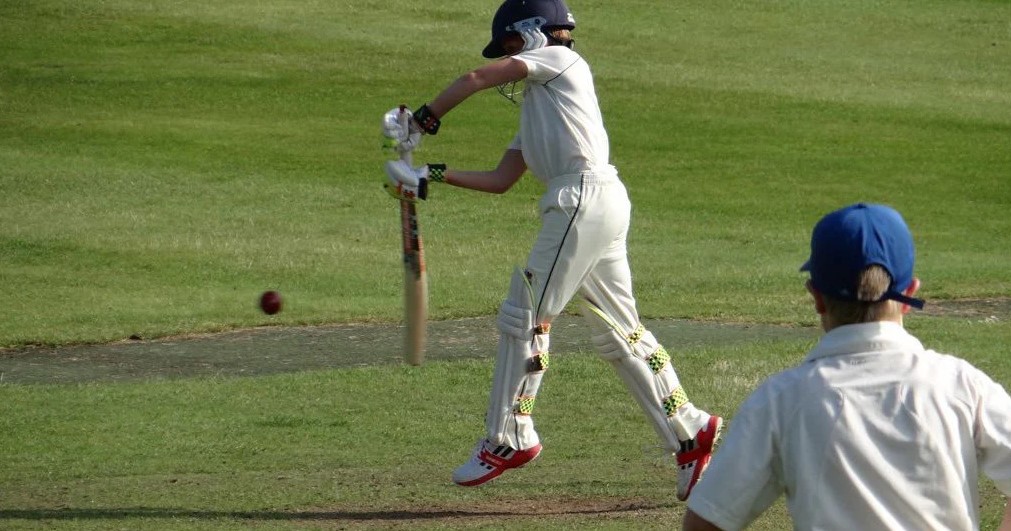
In cricket, LBW (Leg Before Wicket) is one of the most debated and intricate laws of the game. It plays a crucial role in determining how a batsman can be dismissed. However, LBW is not always easily understood, especially for new fans or players of the game. In this article, we will break down the concept of LBW, explore its mechanics, and discuss how it is adjudicated in both traditional and modern cricket settings. What is LBW? The acronym LBW stands for Leg Before Wicket. It is one of the 11 modes of dismissal in cricket, where the batsman is dismissed if the ball hits any part of the batsman’s body (typically the leg) and, in the umpire’s judgment, would have gone on to hit the stumps. If the ball pitches in line with the stumps and hits the batsman’s leg, the umpire must decide if the ball would have hit the stumps had it not struck the batsman. This form of dismissal is an essential part of a bowler’s arsenal and can occur in both Test and limited-overs formats. The Laws of LBW The Laws of Cricket, maintained by the Marylebone Cricket Club (MCC), dictate the conditions under which an LBW decision can be made. The following factors must be considered for a dismissal to be ruled as LBW: Law Criteria Description Ball Pitching The ball must pitch either in line with the stumps or outside the off-stump (if the batsman isn’t offering a shot). Ball Hitting the Body The ball must strike any part of the batsman’s body (typically the leg) and not the bat. Impact in Line with Stumps The ball must strike the batsman in line with the stumps or slightly outside, and the batsman must not be playing a shot. Ball’s Path The ball must be predicted to hit the stumps had it not struck the batsman’s leg. This is often determined using technology in modern cricket. Batsman’s Position The batsman must not be standing outside the crease. If they are outside the line, the decision might be overturned. Key Elements to Consider How is LBW Decided by the Umpire? In traditional cricket, it is the umpire’s responsibility to decide whether an LBW dismissal is valid. The umpire must consider several factors, such as the ball’s pitch, its impact on the batsman, and whether it would have hit the stumps. Here is a step-by-step breakdown of the decision-making process: In modern cricket, technology like Hawk-Eye is often used to predict the path of the ball and provide a more accurate decision-making process. LBW Technology in Cricket In recent years, technology has revolutionized the way LBW decisions are made. Systems like Hawk-Eye, Ball Tracking, and UltraEdge have been introduced to assist on-field umpires in making more accurate decisions. Technology Tool Purpose/Use Hawk-Eye Used to predict the trajectory of the ball, including where it pitched and where it would have gone. Ball-Tracking Systems Tracks the ball’s movement and predicts whether it would have hit the stumps. Provides a visual representation of the predicted path. UltraEdge Detects any contact between the bat or gloves and the ball, which helps in confirming or ruling out an LBW dismissal. In the Decision Review System (DRS), players have the right to challenge an on-field umpire’s decision, with the help of the technology mentioned above. This has added a new layer of transparency and accuracy to LBW calls. Common Scenarios Leading to LBW Dismissals While LBW is a relatively rare form of dismissal compared to catches or bowled-out scenarios, it still remains a common way for bowlers to get batsmen out. Here are some of the common situations where an LBW may be given: Scenario Description Fast Bowler Attacking the Stumps A fast bowler delivering an aggressive delivery that hits the batsman on the pads in line with the stumps. Spin Bowler Drawing the Batsman Forward A spinner getting the batsman to play forward, with the ball pitching in line and hitting them on the pads. Reverse Swinging Yorker A fast bowler delivering a yorker, with the ball striking the batsman’s pads after swinging late. Batsman Missing a Full Delivery A batsman missing a full delivery aimed at the stumps and getting struck on the pads in front of the stumps. Batsman Playing a Defensive Shot The batsman is caught on the pads while attempting to block a delivery, which is then judged to have hit the stumps. Famous LBW Decisions in Cricket History Some LBW decisions have become famous due to their controversial nature or impact on the outcome of a match. Below are a few memorable examples: Year Match Players Involved Controversy/Significance 2005 Ashes Series (England vs Australia) Michael Kasprowicz (Australia) vs England A contentious LBW decision in the final moments, leading to England’s victory in a historic Ashes series. 2010 India vs Australia (Test Match) Ricky Ponting (Australia) vs India Ponting controversially given out LBW, a decision that sparked debates about Umpire Decision Review System. 2013 ICC Champions Trophy (Final) Eoin Morgan (England) vs India A key LBW decision overturned by DRS, leading to England’s defeat. Conclusion The Leg Before Wicket (LBW) rule is one of cricket’s most complex and vital elements. It requires precise judgment and an understanding of several factors like ball pitching, impact, and trajectory. Over time, technology has played an increasing role in making LBW decisions more accurate, particularly through the use of Hawk-Eye and DRS. While LBW may not be the most common form of dismissal, it remains one of the most discussed and debated aspects of cricket. In the end, the LBW law exemplifies the beauty of cricket: a game of skill, precision, and decision-making, with a constant evolution of rules and technologies aimed at making the game fairer and more exciting for all players and fans alike. Welcome to E2Bet, here for you to enjoy playing fun and exciting games:
BPL 2023: The Journey of the Most Wickets Taker
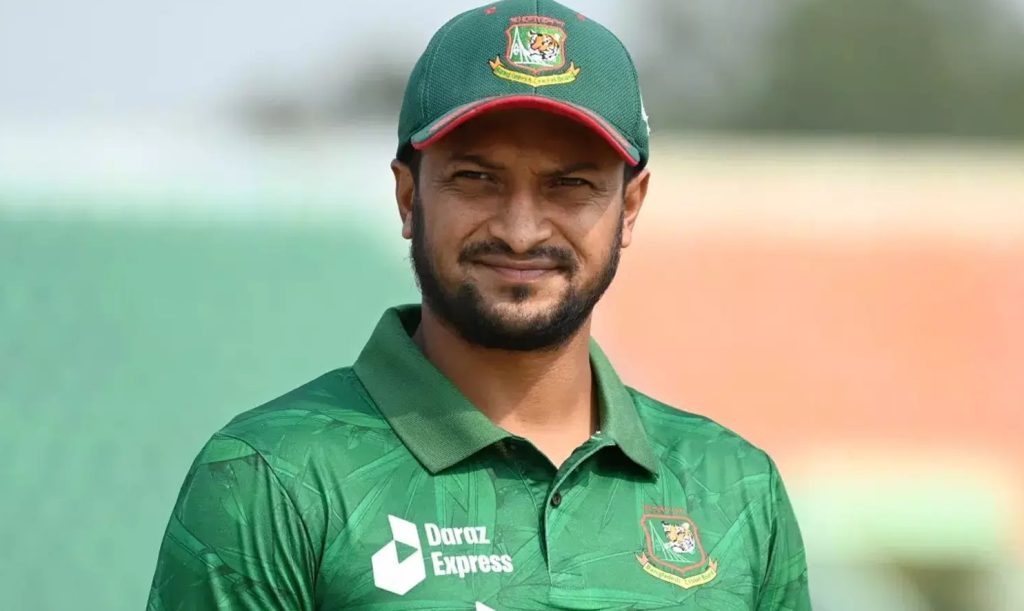
BPL 2023: The Bangladesh Premier League (BPL) 2023, one of the most anticipated T20 leagues in the world, provided fans with thrilling moments, intense competition, and outstanding individual performances. One of the standout aspects of this year’s tournament was the brilliant bowling displays, particularly from the bowlers who dominated the wickets tally. Among them, a few bowlers stood head and shoulders above the rest, claiming the most wickets in BPL 2023 and leaving a lasting impression on the tournament. This article delves into the performances of the top wicket-takers of BPL 2023, highlighting their impact on the tournament, key performances, and overall contributions to their teams. BPL 2023 Most Wickets Taker Overview The 2023 edition of the BPL saw several outstanding bowling performances across all teams. Whether it was the spinners dominating the middle overs or the pacers taking crucial wickets at the death, the BPL 2023 was a testament to the incredible variety and quality of bowlers participating in the competition. Here is a look at the most wickets taken by bowlers in the BPL 2023: Rank Bowler Name Team Matches Played Wickets Taken Economy Rate Best Bowling Performance 1 Shakib Al Hasan Fortune Barishal 11 23 6.45 4/17 2 Mustafizur Rahman Sylhet Strikers 10 21 7.34 4/31 3 Taskin Ahmed Comilla Victorians 12 20 7.10 3/26 4 Mahedi Hasan Khulna Tigers 11 18 7.20 3/25 5 Nadif Chowdhury Dhaka Dominators 10 16 6.80 3/22 Key Observations: Detailed Analysis of Top Performers Shakib Al Hasan: The Dominant Force Shakib Al Hasan’s performance in BPL 2023 was nothing short of spectacular. As a seasoned player and a leader of Fortune Barishal, Shakib dominated with both bat and ball. His ability to bowl in all phases of the game—whether in the powerplay, middle overs, or death—made him one of the most valuable players in the tournament. Mustafizur Rahman: The Master of Variations Mustafizur Rahman, known for his deadly cutters and yorkers, was once again a standout bowler in the BPL 2023. Playing for Sylhet Strikers, Mustafizur’s control over his deliveries was a key factor in his success. He was instrumental in taking wickets at crucial moments and often bowled in the death overs, where his yorkers made the difference. Taskin Ahmed: The Reliable Paceman Taskin Ahmed, one of Bangladesh’s premier fast bowlers, was exceptional for Comilla Victorians. Known for his pace and bounce, Taskin was a menace to opposing batsmen throughout the tournament. His ability to bowl in both the powerplay and at the death, coupled with his consistency, made him a key figure in Comilla Victorians’ bowling attack. Mahedi Hasan: The Silent Destroyer Mahedi Hasan, who is more recognized for his utility with the bat, took his bowling to the next level in BPL 2023. He played a pivotal role for Khulna Tigers, particularly in controlling the middle overs. His accuracy and ability to get key wickets at vital moments was one of the reasons Khulna remained competitive throughout the tournament. Nadif Chowdhury: The Unsung Hero Nadif Chowdhury was one of the surprise packages of the tournament. Although not as well-known as some of the other bowlers, Nadif consistently provided breakthroughs for Dhaka Dominators. His disciplined line and length, combined with his ability to bowl in the right areas, made him one of the standout performers in terms of wickets. Comparison of Key Stats: Top 5 Wicket-Takers The following table compares the top 5 wicket-takers of BPL 2023 in terms of key bowling statistics: Bowler Name Matches Played Wickets Taken Economy Rate Best Bowling Performance Average Wickets per Match Shakib Al Hasan 11 23 6.45 4/17 2.09 Mustafizur Rahman 10 21 7.34 4/31 2.10 Taskin Ahmed 12 20 7.10 3/26 1.67 Mahedi Hasan 11 18 7.20 3/25 1.64 Nadif Chowdhury 10 16 6.80 3/22 1.60 Conclusion The Bangladesh Premier League 2023 was a thrilling contest, and the bowlers played a crucial role in shaping the outcomes of matches. Shakib Al Hasan, Mustafizur Rahman, Taskin Ahmed, Mahedi Hasan, and Nadif Chowdhury were the standout bowlers, showcasing a mixture of pace, spin, and intelligent variations. Shakib’s all-round brilliance and Mustafizur’s mastery of the T20 format set them apart as the most impactful bowlers in the tournament. However, Taskin, Mahedi, and Nadif also had significant contributions, providing crucial breakthroughs and making their mark in BPL 2023. As the league continues to grow, these players have proven that with skill, consistency, and the right strategies, they can become the key game-changers for their teams in the ever-exciting world of T20 cricket. Welcome to E2Bet, here for you to enjoy playing fun and exciting games:
International Cricketers Who Bid Farewell in 2025
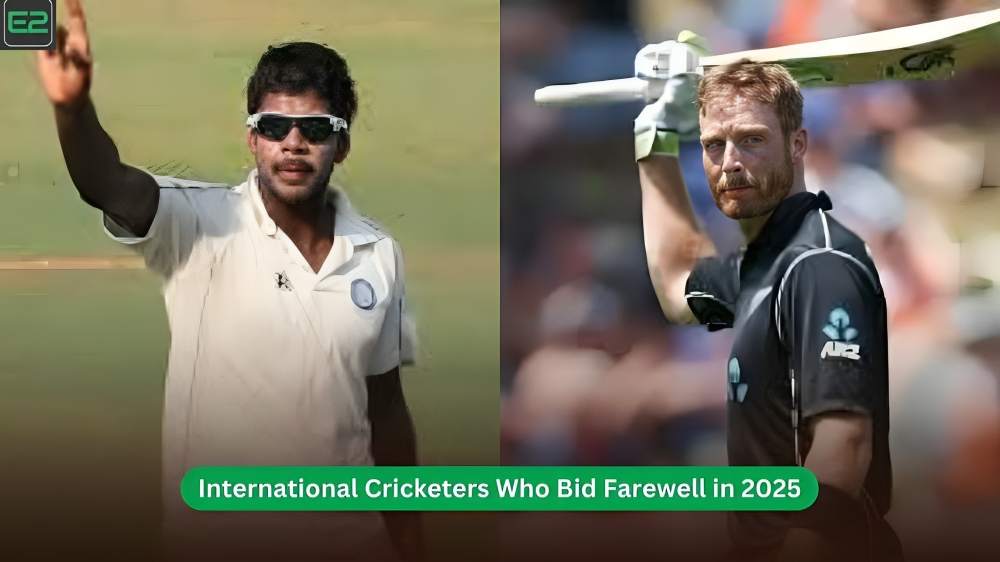
The year 2024 witnessed the retirement of over two dozen international cricketers, either from all formats or specific ones. Among the notable names were India’s legendary duo, Rohit Sharma and Virat Kohli, who stepped away from T20Is after leading the nation to victory in the ICC T20 World Cup 2024. By year’s end, another Indian great, Ravichandran Ashwin, also bid farewell to international cricket. Veteran openers David Warner and Shikhar Dhawan retired from all formats, while cricketing stalwarts like James Anderson, Shakib Al Hasan, and Tim Southee also announced their exits from the international stage. Pakistan’s Mohammad Amir and Imad Wasim made headlines by retiring from international cricket for the second time. Meanwhile, seasoned wicketkeepers Wriddhiman Saha and Matthew Wade chose to call time on their illustrious careers. 3. Rishi Dhawan (White-ball) Pace-bowling all-rounder Rishi Dhawan became the first cricketer to officially retire from Indian limited-overs cricket in 2025. The 34-year-old played three ODIs and one T20I for India in 2016, taking just two wickets. Known for his domestic cricket exploits, Rishi captained Himachal Pradesh to their maiden Vijay Hazare Trophy win in the 2021-22 season. Over his career spanning from 2007 to January 2025, he played 134 List-A matches and 135 T20s. In the IPL, Dhawan represented Mumbai Indians and Punjab Kings across 39 matches, taking 25 wickets and scoring 210 runs. He was part of the MI squad that won the IPL 2013. Despite retiring from limited-overs cricket, Rishi will continue to play First-Class cricket. 2. Martin Guptill (All formats) New Zealand’s prolific opener Martin Guptill announced his retirement from international cricket on January 8, 2025. Making his debut in 2009, Guptill amassed an illustrious career, playing 198 ODIs, 122 T20Is, and 47 Tests. He is New Zealand’s highest scorer in T20Is with 3531 runs and their third-highest scorer in ODIs with 7346 runs, including 23 centuries. Guptill also holds the record for New Zealand’s only men’s ODI double century, an unbeaten 237 against the West Indies in the 2015 World Cup quarter-final. His remarkable achievements have cemented his legacy as one of New Zealand’s finest batters. 1. Varun Aaron (All formats) Jharkhand pacer Varun Aaron retired from representative cricket on January 10, 2025. Known for his express pace, Aaron was once India’s fastest bowler, clocking speeds over 150 KPH during his debut years. Between 2011 and 2015, he played nine Tests and nine ODIs for India, claiming 29 wickets. Injuries, however, hampered his career significantly. Aaron’s domestic cricket journey began in 2008, and he featured in 66 First-Class matches, 88 List-A games, and 95 T20s, collecting over 400 wickets. In the IPL, Aaron played across nine seasons for teams like Delhi Daredevils, Kings XI Punjab, Kolkata Knight Riders, Rajasthan Royals, Royal Challengers Bangalore, and Gujarat Titans. He was part of the Gujarat Titans squad that clinched the IPL 2022 title. Welcome to E2Bet! Get ready for fun and exciting gaming adventures!
Sylhet International Cricket Stadium BPL Records
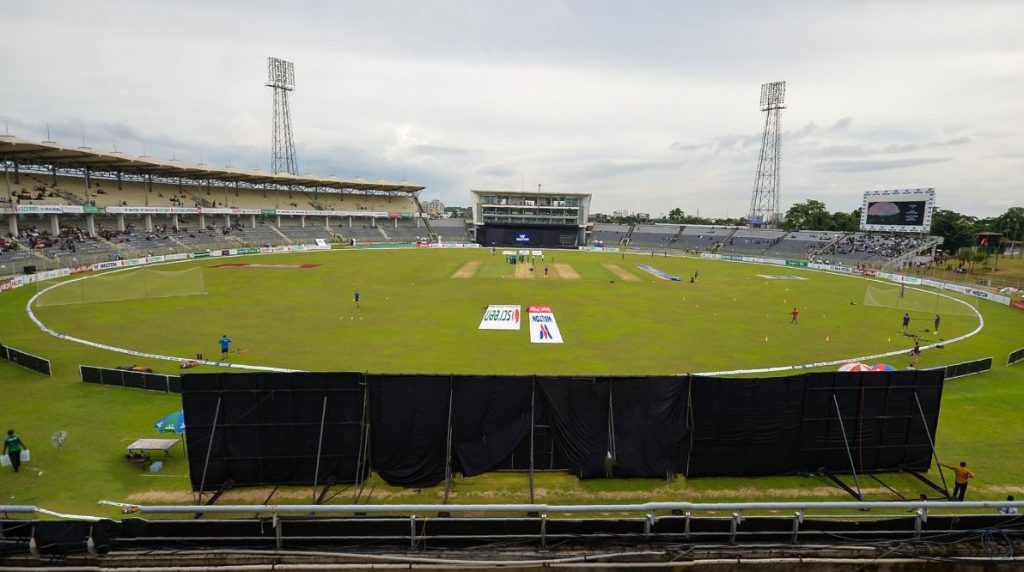
The Sylhet International Cricket Stadium, located in the northeastern part of Bangladesh, is one of the most iconic cricket grounds in the country. Since its inauguration in 2007, the stadium has played host to numerous international and domestic cricket matches, including several high-profile Bangladesh Premier League (BPL) games. As one of the premier venues in the country, Sylhet International Cricket Stadium has witnessed some of the most exciting moments in BPL history, with thrilling matches, outstanding individual performances, and historic team achievements. In this article, we will delve into the BPL records at Sylhet International Cricket Stadium, highlighting the performances of key players, memorable team achievements, and key statistics that make this venue an essential part of the BPL story. 1. Introduction to Sylhet International Cricket Stadium The Sylhet International Cricket Stadium is located in Sylhet, a picturesque city in northeastern Bangladesh. The stadium was established in 2007 and has since hosted a number of domestic and international cricket matches. With a seating capacity of over 20,000, the stadium has been the home ground for several teams during the BPL, including the Sylhet Sixers and Sylhet Thunder, as well as hosting neutral matches. The pitch at Sylhet is generally known for being conducive to both spin and pace bowling, offering balance to both batsmen and bowlers. This makes it a venue that regularly produces exciting T20 contests, and it has earned a reputation for thrilling encounters during the BPL seasons. 2. BPL Matches at Sylhet International Cricket Stadium Over the years, Sylhet International Cricket Stadium has hosted numerous BPL matches. The venue has consistently produced competitive cricket, and it is considered one of the most picturesque grounds in Bangladesh. While it has hosted several seasons of the BPL, it has been especially prominent in the 2016, 2017, and 2020 editions of the tournament. Total BPL Matches at Sylhet Stadium: BPL Season Number of Matches Host Team 2012 2 Sylhet Royals 2016 10 Sylhet Super Stars 2017 9 Sylhet Sixers 2020 8 Sylhet Thunder In the 2020 season, Sylhet Thunder was one of the prominent teams playing home games here, bringing a new level of excitement to the venue. The variety of matches and teams that have played at Sylhet International Cricket Stadium has made it an integral part of the BPL’s legacy. 3. Top Performances at Sylhet International Cricket Stadium This section will focus on the standout performances by both individuals and teams in BPL matches at Sylhet International Cricket Stadium. From spectacular batting innings to incredible bowling spells, the stadium has witnessed numerous record-breaking moments. Top Wicket-Takers at Sylhet International Cricket Stadium Bowling has played a significant role at Sylhet Stadium, with both spinners and fast bowlers having great success. The following are the top wicket-takers in BPL matches at Sylhet International Cricket Stadium: Player Team Matches Played Wickets Average Best Bowling Figures Shakib Al Hasan Dhaka Dynamites 6 15 18.56 4/14 Mohammad Amir Comilla Victorians 5 10 20.75 3/21 Rubel Hossain Rangpur Riders 6 12 22.33 3/18 Sohail Tanvir Karachi Kings 7 11 24.67 3/19 Mustafizur Rahman Sylhet Sixers 5 9 18.33 3/12 Top Run-Scorers at Sylhet International Cricket Stadium Sylhet International Cricket Stadium has seen several explosive batting performances in the BPL, with some of the biggest names in T20 cricket taking to the field. The following table highlights the top run-scorers at the stadium: Player Team Matches Played Runs Average Strike Rate Highest Score Chris Gayle Barisal Bulls 5 215 53.75 163.58 105* Tamim Iqbal Chittagong Vikings 7 248 41.33 124.19 88 Kieron Pollard Dhaka Dynamites 6 184 46.00 137.20 72* Shakib Al Hasan Dhaka Dynamites 6 170 28.33 118.45 64 Mushfiqur Rahim Sylhet Thunder 5 145 36.25 125.56 73 Highest Team Scores at Sylhet International Cricket Stadium BPL matches at Sylhet have seen some high-scoring affairs, with several teams putting up massive totals. The following table shows the highest team scores at the venue: Rank Team Opponent Season Total Score Result 1 Dhaka Dynamites Sylhet Sixers 2016 201/6 Dhaka Won 2 Rangpur Riders Sylhet Thunder 2017 190/4 Rangpur Won 3 Comilla Victorians Chittagong Vikings 2019 185/5 Comilla Won 4 Sylhet Sixers Barisal Bulls 2018 182/4 Sylhet Won 5 Chittagong Vikings Rajshahi Kings 2017 179/7 Chittagong Won Best Bowling Figures at Sylhet International Cricket Stadium Several bowlers have claimed remarkable figures at Sylhet, but the following are the best-ever bowling performances: Player Team Season Bowling Figures Opponent Match Result Shakib Al Hasan Dhaka Dynamites 2016 4/14 Sylhet Sixers Dhaka Won Rubel Hossain Rangpur Riders 2017 3/18 Sylhet Thunder Rangpur Won Mustafizur Rahman Sylhet Sixers 2018 3/12 Barisal Bulls Sylhet Won Mohammad Amir Comilla Victorians 2017 3/21 Chittagong Vikings Comilla Won 4. Memorable Moments at Sylhet International Cricket Stadium Sylhet International Cricket Stadium has been the site of numerous thrilling moments in the history of the Bangladesh Premier League: These moments have added to the mystique of Sylhet International Cricket Stadium as one of the most exciting venues in the BPL. 5. Conclusion Sylhet International Cricket Stadium has firmly established itself as a key venue in the history of the Bangladesh Premier League. From breathtaking performances by individual players like Chris Gayle and Shakib Al Hasan to memorable team performances and thrilling encounters, the stadium has witnessed the unfolding of many iconic moments in T20 cricket. With its picturesque setting, dynamic pitch conditions, and enthusiastic crowd support, Sylhet International Cricket Stadium remains one of the most cherished venues in the BPL, and it is expected to continue playing a vital role in the tournament’s success for years to come. Welcome to E2Bet, here for you to enjoy playing fun and exciting games:
Who Was the Greatest Batsman in the World?
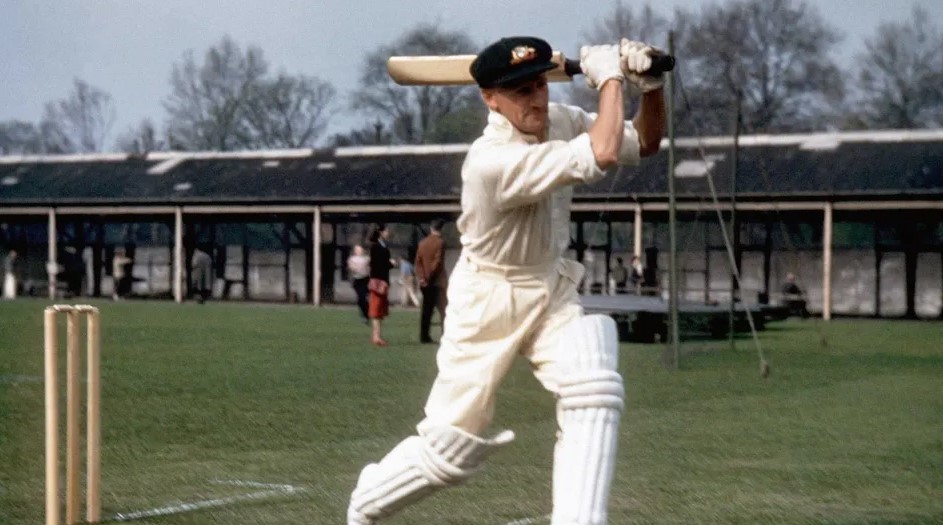
Greatest Batsman: Cricket, often called a sport of gentlemen, has witnessed some of the finest batsmen the world has ever known. From graceful strokes to aggressive power hitting, these players have made their mark in the cricketing world. Determining the “greatest” batsman in cricket history is no easy task, as the game has evolved over the years, and comparisons across eras can be challenging due to varying conditions, playing styles, and formats. However, there are a few players who stand out as the greatest in their respective eras, and their records and contributions to the game make them legends. In this article, we will explore and compare some of the greatest batsmen to have ever played the game, focusing on different aspects of their careers and performances, including Test cricket, One Day Internationals (ODIs), and Twenty20 Internationals (T20Is). We will also discuss their remarkable records and achievements that have made them icons in world cricket. Key Metrics for Ranking the Greatest Batsmen To determine the greatest batsman, we must consider several key metrics and records, including: The Greatest Batsmen in Cricket History Let’s dive into a comparative look at some of the greatest batsmen in the world, each of whom is considered a legend in his own right. 1. Sir Donald Bradman (Australia) Arguably the greatest batsman in the history of cricket, Sir Donald Bradman holds an unparalleled record in Test cricket. His career is a study in dominance and consistency, making him the gold standard for batsmanship. Bradman’s astonishing batting average of 99.94 in Test cricket has remained unchallenged for over 70 years, and he is often referred to as “The Don” in the cricketing world. Bradman’s Career Statistics: Format Matches Runs Average Centuries High Score Test Cricket 52 6,996 99.94 6 334 ODI Cricket – – – – – T20I Cricket – – – – – Bradman’s dominance in Test cricket, especially during the pre-World War II era, made him a mythical figure in the sport. His consistency and ability to perform in challenging conditions set him apart from any other batsman. 2. Sachin Tendulkar (India) Often referred to as the “Little Master” or “Master Blaster,” Sachin Tendulkar is arguably the most beloved cricketer of all time. With an international career that spanned over two decades, Tendulkar broke nearly every record in the book. His records in both Tests and ODIs are legendary, and his impact on the game is immeasurable. Tendulkar’s Career Statistics: Format Matches Runs Average Centuries High Score Test Cricket 200 15,921 53.78 51 248* ODI Cricket 463 18,426 44.83 49 200* T20I Cricket 1 10 10.00 0 10 Tendulkar’s sheer volume of runs, ability to score centuries in both formats, and his longevity make him one of the greatest batsmen to have ever played the game. His 100 international centuries remain a record to this day. 3. Virat Kohli (India) Currently one of the finest batsmen in world cricket, Virat Kohli has already established himself as one of the modern-day greats. Known for his impeccable technique, aggressive approach, and ability to chase down targets, Kohli’s statistics in all formats are extraordinary. Kohli’s Career Statistics: Format Matches Runs Average Centuries High Score Test Cricket 111 8,262 53.62 27 254* ODI Cricket 273 12,169 59.07 46 183 T20I Cricket 99 3,859 52.65 0 90 Kohli’s adaptability to different formats and his remarkable consistency in chasing targets in ODIs make him one of the greatest modern-day players. His aggressive yet controlled style of batting has won him accolades worldwide. 4. Brian Lara (West Indies) Known for his elegant stroke play, Brian Lara was one of the most prolific run-scorers of his time. Lara’s ability to score massive centuries was unmatched, and his knock of 400* in a single innings of Test cricket remains the highest individual score in the format. Lara’s Career Statistics: Format Matches Runs Average Centuries High Score Test Cricket 131 11,953 52.88 34 400* ODI Cricket 299 10,405 40.48 19 169 T20I Cricket – – – – – Brian Lara’s ability to score big centuries, including his record-breaking 400* in a Test match, and his elegance at the crease make him one of the most admired batsmen in the history of cricket. 5. Jacques Kallis (South Africa) While Jacques Kallis is often regarded as one of the greatest all-rounders in cricket history, his batting achievements deserve special mention. With over 10,000 runs in both Test and ODI formats, Kallis combined consistency with power and was a key player for South Africa for nearly two decades. Kallis’s Career Statistics: Format Matches Runs Average Centuries High Score Test Cricket 166 10,289 45.27 45 224 ODI Cricket 328 11,579 44.36 17 139* T20I Cricket 25 666 33.30 0 48 Kallis’ ability to excel with the bat and ball, especially in Test cricket, makes him a remarkable player, and his longevity in both formats highlights his enduring quality. Conclusion The title of the “greatest batsman in the world” is subjective and varies depending on the criteria we use to evaluate these legends. Sir Donald Bradman is often considered the greatest due to his unparalleled batting average and dominance in the pre-modern era. However, in the modern game, Sachin Tendulkar and Virat Kohli are often regarded as the greatest, based on their statistical dominance and longevity across multiple formats. Each of these batsmen has redefined excellence in their era, and their contributions to the game have made cricket a more exciting and storied sport. While we may never definitively decide who is the “greatest,” we can agree that these players have significantly shaped the history of cricket and will forever be remembered as the titans of the game. Welcome to E2Bet, here for you to enjoy playing fun and exciting games: