

The Downfall of Pakistan Test Cricket
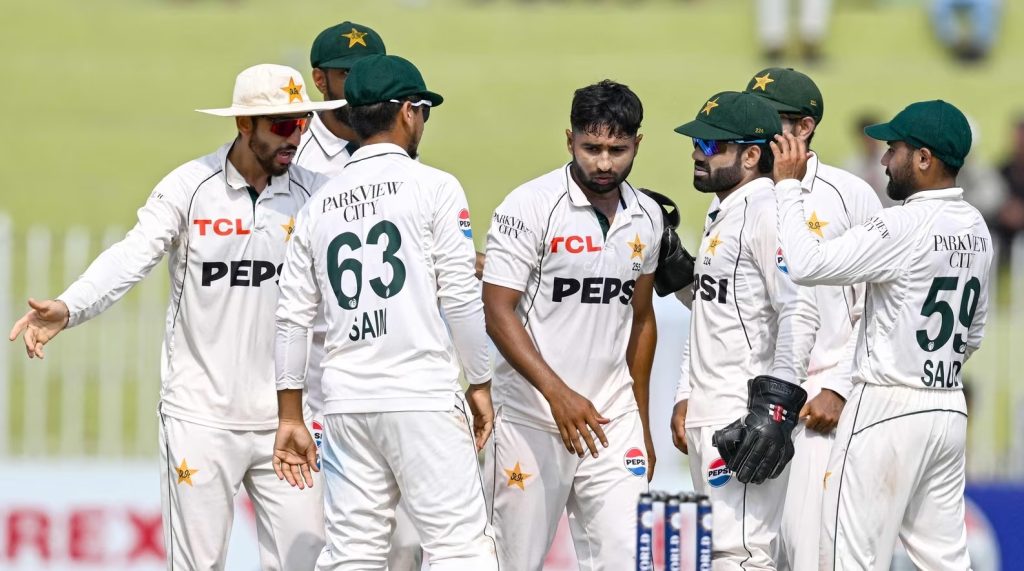
Downfall of Pakistan: The history of Pakistan Test cricket is filled with both remarkable achievements and periods of struggle. From the early days of Test cricket, Pakistan produced several world-class players, such as Imran Khan, Wasim Akram, Javed Miandad, and more, but in recent years, the team has struggled to maintain its dominance. The decline in Pakistan’s Test cricket has been marked by a range of factors, from internal issues within the team and management to external challenges. In this article, we will explore the various reasons behind the downfall of Pakistan Test cricket, using a multi-dimensional approach that includes historical context, performance analysis, and strategic shortcomings. Historical Context of Pakistan Test Cricket Before delving into the causes of the decline, it is important to reflect on Pakistan’s golden era in Test cricket. Pakistan began playing Test cricket in 1952, and by the 1980s, they had firmly established themselves as one of the most competitive teams in the world. Under the leadership of Imran Khan, Pakistan won the 1992 Cricket World Cup, and the nation saw several legendary figures who dominated both domestic and international cricket. During the late 1980s and 1990s, Pakistan produced world-class fast bowlers like Wasim Akram and Waqar Younis, as well as exceptional batsmen such as Javed Miandad and Inzamam-ul-Haq. However, in the 2000s, the team went through periods of inconsistency, largely due to internal conflicts, a lack of proper infrastructure, and unbalanced team compositions. Factors Leading to the Downfall of Pakistan Test Cricket 1. Inconsistent Leadership and Management The leadership of Pakistan cricket has been a key factor in the team’s downfall. In Test cricket, stable leadership is essential to ensure a sense of direction, proper decision-making, and motivation for players. However, Pakistan has witnessed frequent changes in captaincy over the years. From Wasim Akram to Younis Khan, Misbah-ul-Haq, and Sarfaraz Ahmed, the constant shuffle in leadership has led to a lack of long-term planning. Table 1: Changes in Pakistan’s Test Cricket Captaincy (2000–2025) Captain Period Performance Highlights Wasim Akram 2000-2003 Early 2000s struggles, inconsistency Younis Khan 2004-2007 Led team to top Test rankings, but faced internal strife Misbah-ul-Haq 2010-2017 Led Pakistan to No. 1 Test ranking, the most stable captaincy Sarfaraz Ahmed 2017-2019 Short term, inconsistent results Babar Azam 2020-Present New leadership, mixed performances Frequent captaincy changes have affected team morale and created a lack of consistency in decision-making, especially in crucial Test series. 2. Lack of Stable and World-Class Batting Line-Up One of the most significant problems with Pakistan’s Test cricket has been the inconsistency in their batting line-up. Unlike the 1980s and 1990s when Pakistan had reliable batsmen like Miandad, Inzamam, and Salim Malik, the modern team has struggled to find consistency at the top. Players like Shan Masood, Azhar Ali, and Asad Shafiq have had sporadic successes but have failed to make significant, long-term contributions. The absence of a solid, dependable batting order has been a crucial reason for Pakistan’s poor Test performances in recent years. While individual brilliance sometimes shines through, there has been a consistent inability to form partnerships, leading to batting collapses in crucial matches. Table 2: Top Batting Performers in Pakistan Test Cricket (2010–2025) Player Total Runs (2010–2025) Average (2010–2025) Century Count Notable Performances Azhar Ali 4000+ 41.25 10 Key player for Pakistan Asad Shafiq 3500+ 40.0 8 Periodic match-winning knocks Shan Masood 2000+ 32.0 3 Inconsistent, but flashes of brilliance 3. Decline in Pace Bowling Strength Pakistan was once known for producing some of the best fast bowlers in the world, including Wasim Akram, Shoaib Akhtar, and Waqar Younis. However, the current pace bowling attack lacks the potency and depth that once made Pakistan a feared force in Test cricket. The likes of Mohammad Abbas and Shaheen Afridi have shown promise but do not yet consistently perform at the level seen during the ’90s. The lack of a world-class fast bowling attack has led to a loss of edge in Test cricket, where conditions often favor pace bowlers. The current Pakistani attack, while promising, has struggled to replicate the success of the great bowlers from the past. Table 3: Pakistan’s Pace Bowling Averages (2010–2025) Bowler Matches Played Wickets Taken Bowling Average Strike Rate Mohammad Abbas 20+ 70+ 24.5 54.0 Shaheen Afridi 20+ 85+ 27.0 48.5 Naseem Shah 10+ 35+ 32.0 52.0 While Shaheen Afridi has shown considerable promise, Pakistan has lacked the depth and experience that made their bowling attack so deadly in previous decades. 4. Poor Domestic Infrastructure The domestic structure of Pakistani cricket has often been critiqued for not nurturing talent adequately. While the country has a passionate cricket fanbase, the infrastructure needed to develop world-class cricketers at the grassroots and domestic levels has been lacking. Unlike India, Australia, and England, Pakistan does not have a robust domestic system that consistently produces top-tier talent for the national team. Inadequate facilities, lack of proper academies, and an absence of structured training programs have hindered the development of Pakistan’s Test cricketers. In the long term, this has resulted in a shortage of bench strength and an inability to discover future stars capable of stepping up when needed. 5. Failure to Adapt to Changing Conditions Another challenge faced by Pakistan’s Test team is their inability to adapt to changing cricket conditions. Test cricket, especially in modern times, demands flexibility in approach. Teams need to be adaptable to various conditions, whether playing in the subcontinent or in countries like Australia, South Africa, or England. Pakistan has often struggled to adapt to conditions abroad, particularly in countries that are traditionally favorable to fast bowlers or those with tough pitches. This failure to adjust has led to heavy defeats away from home, further contributing to their downfall in Test cricket. 6. Mental Toughness and Consistency Issues Test cricket requires not only physical skill but also mental resilience. The Pakistan team has shown a lack of mental toughness during critical moments in matches, resulting in collapses and missed opportunities. The tendency to fall apart after a few wickets is lost,
Which Sports Team Is Known For Having The Best Fans 2025?

Sports Team: In the world of professional sports, the bond between a team and its fanbase is integral to the culture and success of the franchise. Fans are often referred to as the lifeblood of a team, bringing energy, passion, and unwavering support. The question of which sports team has the best fans is subjective, but some fanbases have earned a reputation for their loyalty, dedication, and unique culture. Whether through the sheer size of their following, the energy they bring to stadiums, or the unyielding support they provide through thick and thin, these teams have established themselves as having some of the most passionate and devoted fanbases in the world. Sports Team: This article will explore some of the sports teams known for having the best fans, considering factors such as loyalty, passion, support in difficult times, and overall fan experience. 1. Green Bay Packers (NFL) Sports Team: The Green Bay Packers, a professional football team in the National Football League (NFL), are widely regarded as having one of the best and most loyal fanbases in sports. The Packers are unique in that they are the only publicly owned team in the NFL, which fosters a deep sense of community and ownership among their fans. Why Are They Considered The Best? Loyalty and Tradition: Packers fans, also known as “Cheeseheads,” are known for their unwavering support of the team, even in the face of adversity. The franchise’s long history, dating back to 1919, has cultivated a sense of tradition that is passed down through generations. The city of Green Bay is small compared to other NFL cities, but the fanbase is massive and spreads well beyond the state of Wisconsin. Community Ownership: Unlike most NFL teams, the Packers are publicly owned by thousands of fans, which creates a sense of collective ownership and responsibility. This has made the Packers fanbase incredibly unique and tied to the community’s identity. Tailgating Culture: Packers fans are known for their dedication, especially when it comes to the cold-weather games at Lambeau Field. Tailgating in sub-zero temperatures is a beloved tradition, and fans embrace the cold as part of the game-day experience. Packers Fans In Numbers Aspect Details Ownership Structure Publicly owned by over 360,000 shareholders Fanbase Loyalty Long-standing fan loyalty, even during tough seasons Fan Culture Known for wearing cheesehead hats, supportive in all conditions Notable Traditions Famous for their tailgating culture and the “Lambeau Leap” celebration 2. Borussia Dortmund (Football/Soccer) Sports Team: Borussia Dortmund, a football club in the Bundesliga, has one of the most passionate fanbases in Europe. Known for their vibrant yellow and black colors, Dortmund fans are famous for their energy, support, and commitment to the club, even through tough seasons. Why Are They Considered The Best? The Yellow Wall: The fanbase of Borussia Dortmund is often referred to as the “Yellow Wall,” a reference to the electrifying atmosphere in their home stadium, Signal Iduna Park. The South Stand (Südtribüne) is the largest terrace for standing spectators in European football and is known for its noise, flags, and unwavering support throughout the entire match. Passionate and Loyal: Dortmund fans are known for their loyalty, even during periods when the team struggles. Their support is not contingent on immediate success but rather on their deep connection to the club’s history and values. Community Engagement: Borussia Dortmund’s supporters have an emotional connection to the club that goes beyond the sport itself. Fans are actively involved in the club’s operations, and there is a strong sense of belonging and camaraderie among the supporters. The club also emphasizes social responsibility, which resonates with its fanbase. Dortmund Fans In Numbers Aspect Details Stadium Capacity Signal Iduna Park (81,365) Fan Atmosphere Famous for the “Yellow Wall,” constant noise, flags, and singing Loyalty Fans continue to support through highs and lows, even without recent league titles Community Involvement Active fan engagement and social responsibility efforts 3. Chicago Blackhawks (NHL) Sports Team: The Chicago Blackhawks, a professional ice hockey team in the National Hockey League (NHL), have one of the most devoted fanbases in the sport. Their fans have been consistently recognized for their passion, especially during the team’s championship runs. Why Are They Considered The Best? Rich History: The Blackhawks have a storied history dating back to 1926, and their fans remain fiercely loyal through decades of success and rebuilding. Chicago is a passionate sports city, and the Blackhawks’ fans play a huge role in that reputation. Support Through Hard Times: While the Blackhawks experienced long stretches of mediocrity, their fans remained supportive, helping to elevate the team once they regained prominence in the NHL. Fan Loyalty and Noise: The Blackhawks’ home crowd at the United Center is notorious for being one of the loudest and most energetic in the league. The “Chelsea Dagger” song played after goals has become iconic, and fans can be seen on their feet celebrating the team’s every move. Championship Success: The Blackhawks won three Stanley Cups in six years (2010, 2013, and 2015), and their success only strengthened the loyalty of their fans. Blackhawks Fans In Numbers Aspect Details Championships 6 Stanley Cups, with three in recent years (2010, 2013, 2015) Fanbase Loyalty Supported the team through lean years, with a resurgence in recent decades Fan Atmosphere Known for their loud, enthusiastic crowd at the United Center Famous Chant “Chelsea Dagger” song after each goal, an iconic anthem for fans 4. FC Barcelona (Football/Soccer) Sports Team: FC Barcelona, one of the most successful football clubs in Europe, has a global fanbase that is known for its dedication and passion. The Catalan club is famous for its phrase “Més que un club” (More than a club), reflecting the deep emotional connection between the team and its supporters. Sports Team: Why Are They Considered The Best? Global Fanbase: FC Barcelona’s fans span the globe, with millions of supporters from every corner of the world. While many football clubs have passionate local followings, Barcelona’s success has turned it into a worldwide brand.
What Professional Sport Has The Most Rules?
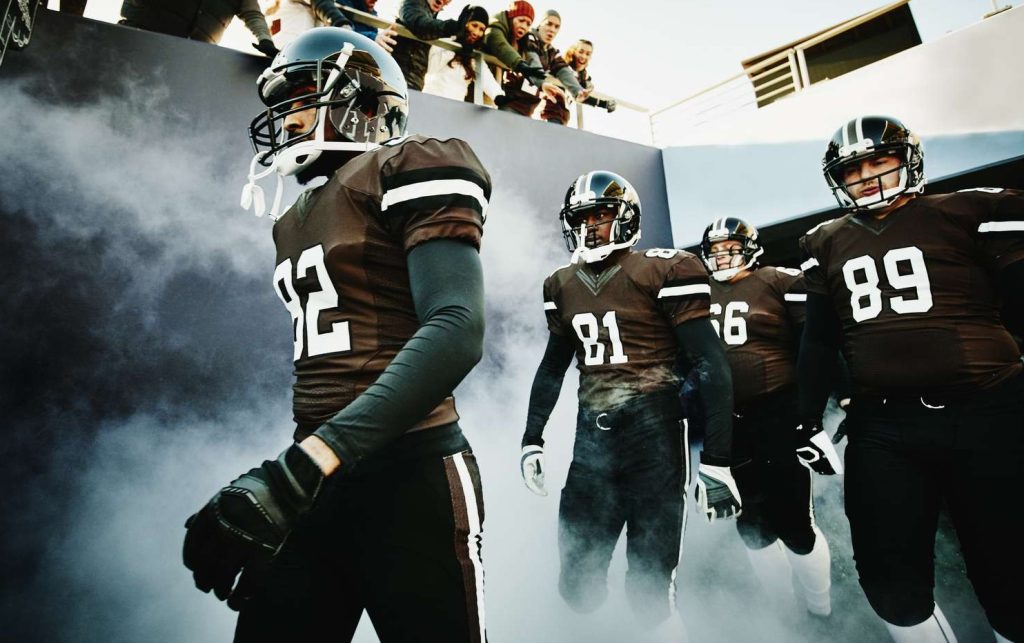
The world of professional sports is vast and varied, with each sport having its own set of rules, regulations, and governing bodies. While each sport requires a different skill set and level of competition, one might wonder which professional sport has the most rules. The answer to this is not straightforward, as it depends on how one defines and counts “rules.” Rules can encompass everything from player conduct, scoring systems, to penalties and strategies. In this article, we’ll examine several sports that are known for having an extensive set of rules and regulations, discuss the depth and complexity of these rules, and provide comparisons through tables. 1. American Football: A Complex System of Play and Penalties American football is known for having a highly intricate set of rules. The game itself is a combination of strategy, athleticism, and precise execution. From the structure of the field to player formations and even the various penalties, the rules in American football are vast. Key Features of Football Rules Table: Key Rules in American Football Rule Category Description Game Time Four 15-minute quarters, with a 12-minute halftime. Field Size 120 yards long (including end zones), 53.33 yards wide. Scoring Touchdown (6 points), Field Goal (3 points), Safety (2 points). Penalties Holding, Offside, Pass Interference, etc. Time Rules 40-second play clock, 2-minute warning before the end of the half. Substitutions Unlimited substitutions, but must be made during stoppages in play. Offensive Rules Must have at least 7 players on the line of scrimmage at the start of a play. 2. Cricket: A Game of Fine Details Cricket is one of the oldest sports, with a long and detailed history of rules. It has evolved into a highly structured sport, particularly with modern formats such as One Day Internationals (ODIs) and Twenty20 (T20). The traditional Test match format can last up to five days, further adding to the complexity of the game’s rules. Key Features of Cricket Rules Table: Key Rules in Cricket Rule Category Description Match Duration Test (up to 5 days), ODI (50 overs), T20 (20 overs). Field Size Varies but typically around 150 meters in diameter. Scoring Runs scored by batsmen, boundaries (4 or 6), extras (no-balls, wides). Bowling Rules Must bowl overarm, maximum of 6 balls per over, no underarm bowling. Player Conduct Laws on sportsmanship, warnings, fines for misconduct. Substitutions Limited substitutions allowed, especially in injury cases. 3. Formula 1 Racing: A World of Technical Rules Formula 1 (F1) racing is perhaps one of the most rule-heavy sports due to the extreme level of technical detail involved in each race. The rules cover not only how cars are built and how the race is conducted but also complex regulations about driver conduct, pit stops, and race strategies. Key Features of F1 Rules Table: Key Rules in Formula 1 Rule Category Description Race Format Typically 305 kilometers or 2 hours, whichever comes first. Car Specifications Strict guidelines on car size, engine capacity, fuel types, etc. Pit Stops Mandatory tire changes, strict time limits for stopping. Driver Conduct Rules on overtaking, track limits, blocking, and corner cutting. Scoring Points are awarded to the top 10 finishers in each race. Penalties Time penalties, grid penalties, or disqualification for rule violations. 4. Rugby: A Game of Structure and Discipline Rugby, much like American football, has a large number of rules that dictate how the game is played. Whether it’s the union or league version, rugby features distinct rules regarding tackling, ball possession, and player conduct. Key Features of Rugby Rules Table: Key Rules in Rugby Rule Category Description Game Time Two 40-minute halves. Field Size 100 meters long, 70 meters wide. Scoring Try (5 points), Conversion (2 points), Penalty (3 points), Drop Goal (3 points). Tackling Must be below the shoulders, no high tackles. Scrums and Lineouts Restarting play after certain stoppages or infringements. Penalties For infringements like offside, high tackles, or foul play. 5. Basketball: A Fast-Paced Sport with Precise Rules Basketball, particularly the NBA, is another sport that has a large set of rules. While the game may appear simple to the untrained eye, there is a vast array of detailed regulations governing how the game is played. Key Features of Basketball Rules Table: Key Rules in Basketball Rule Category Description Game Time Four 12-minute quarters. Scoring Field goals (2 or 3 points), Free throws (1 point). Fouls Personal fouls, technical fouls, and flagrant fouls. Team Composition 5 players on the court for each team. Timeouts Each team is allowed 7 timeouts per game (limited during the second half). Conclusion: The Sport with the Most Rules While each of these sports has an extensive set of rules, American Football and Formula 1 stand out as the two most rule-heavy sports due to the depth and technicality involved in the game’s execution. American football is particularly complex because of the numerous penalties, substitutions, and strategies involved. Formula 1, on the other hand, has a combination of strict technical rules regarding car design, race conduct, and driver behavior, all of which contribute to its status as one of the most regulated sports. The key takeaway is that rules in professional sports are crucial for ensuring fair play, safety, and structure, but the complexity and number of rules vary dramatically depending on the sport. Welcome to E2Bet, Play Thrilling Games And Win Exciting Bonus!
What Was The Worst Cricket Match In Terms Of Quality 2025?
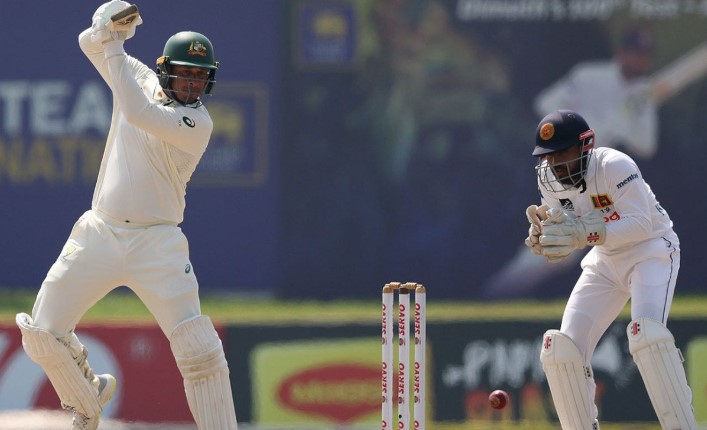
Worst Cricket Match: Cricket, often referred to as a game of skill, strategy, and grit, is celebrated for its competitive edge, thrilling moments, and outstanding performances. However, like any other sport, there have been instances where the quality of a match has been less than ideal. Poor-quality cricket matches can arise from various factors, including weather conditions, unprepared pitches, controversial umpiring decisions, and even questionable player performances. Worst Cricket Match: In this article, we will explore some of the worst cricket matches in terms of quality, examining the reasons behind their poor standard and the impact they had on the sport. We will also include a detailed analysis of specific matches where factors such as unbalanced teams, awful pitch conditions, or low-quality cricket led to underwhelming contests. Factors That Contribute To Poor-Quality Matches Worst Cricket Match: Before diving into specific examples, let’s first look at some of the reasons that contribute to cricket matches of low quality: Poor Pitch Conditions: One of the most significant factors in determining the quality of a cricket match is the condition of the pitch. A pitch that is too flat, too dry, or overly wet can lead to unexciting cricket. For example, a flat pitch can result in a high-scoring game, but with minimal excitement if the bowlers cannot get any assistance from it. Conversely, a pitch with excessive turn or bounce may favor only one type of player, rendering the contest lopsided. Weather Interference: Bad weather, such as rain or extreme heat, can cause disruptions, delay matches, or even reduce the number of overs. In some cases, the weather can make conditions unplayable, leading to subpar cricket or abandoned games. Unbalanced Teams: Matches that feature a significant skill disparity between the two teams often result in one-sided encounters, which diminish the quality of the competition. When one team is heavily outclassed by the other, the match lacks the excitement of a competitive contest. Controversial Umpiring Decisions: Incorrect or biased umpiring decisions can often mar a match, especially when crucial decisions affect the outcome of a game. When the quality of decision-making is poor, it can lead to frustration, controversy, and a sense that the match was unfair. Player Injuries and Inexperience: The absence of key players or the involvement of inexperienced or out-of-form cricketers can lead to low-quality cricket. Injuries can alter the balance of the team, and inexperience often leads to unrefined play. Low Team Morale: A team with poor morale, possibly due to internal issues or poor performances, may not perform to the best of its ability, leading to a match lacking in quality. The Worst Cricket Matches In Terms Of Quality Worst Cricket Match: Now that we’ve identified the factors that affect the quality of a cricket match, let’s examine a few examples of matches that are considered to be among the worst in terms of quality. 1. The 1996 World Cup Quarterfinal: Sri Lanka vs. England (Colombo) Worst Cricket Match: One of the most infamous matches in cricket history in terms of quality was the 1996 World Cup quarterfinal between Sri Lanka and England in Colombo. The match was marred by controversial circumstances and weather disruptions. Key Issues: Rain Interruption: The match was repeatedly interrupted by rain, with Sri Lanka batting first and struggling due to the weather. This led to a reduced number of overs for both sides. The Controversial “No Result”: England, having been set a revised target by the umpires, felt that they were at a disadvantage, and the match eventually ended in a no result. There were accusations that the conditions were unfair and not conducive to a good game of cricket. Impact: This match is often remembered not for the cricket played but for the external factors that ruined what could have been an exciting contest. The poor weather conditions left both teams at a disadvantage, and the lack of clear decision-making by the officials led to widespread disappointment. 2. Australia vs. South Africa, 2006 (The ‘Underarm’ Incident) Worst Cricket Match: While not a conventional match, the infamous “underarm” incident during the 1981 series between Australia and New Zealand remains one of the most controversial and low-quality moments in cricket history. However, another match in 2006 between Australia and South Africa also stands as an example of poor-quality cricket due to shocking umpiring decisions. Key Issues: Inconsistent Umpiring: The match was plagued by bizarre decisions, including wrongly disallowed wickets and incorrect no-ball calls. One of the more notable mistakes was when a crucial delivery by a South African bowler was incorrectly called a no-ball by the on-field umpires, leading to confusion and frustration from players and fans. Match Ends in Controversy: The result of the match came under scrutiny, and it was widely accepted that the poor umpiring overshadowed the cricket. Impact: This match is a textbook example of how poor umpiring decisions can lower the quality of cricket and lead to an unsatisfactory experience for both players and spectators. 3. New Zealand vs. Australia, 2019 ICC World Cup (Boring Encounter) Worst Cricket Match: The 2019 ICC World Cup match between New Zealand and Australia was a one-sided affair that lacked the excitement typically expected from a high-profile game in a World Cup setting. Key Issues: Uncompetitive Contest: Australia’s complete dominance over New Zealand during the match resulted in a low-quality contest. With a high-quality team like Australia dominating, the match felt one-sided from start to finish. Inconsistent Batting: New Zealand, after being bowled out for a low score, struggled to put up a fight against Australia’s bowlers. The match lacked the usual back-and-forth excitement. Impact: Although Australia’s bowling attack was on point, the match lacked any real competition or unpredictable moments. It became a game of domination, leading to many fans questioning the competitive balance in certain World Cup games. Statistical Analysis Of The Worst Matches In Terms Of Quality Worst Cricket Match: To further understand what makes a match low in quality, let’s compare various metrics like team performance, number of
Which Country Has The Best-Behaved Cricket Fans?

Best-Behaved: Cricket is a game that brings together millions of passionate fans worldwide. The level of enthusiasm and loyalty that fans show toward their teams is unparalleled in many sports. However, the behavior of fans can vary widely from country to country, influenced by cultural norms, the intensity of rivalries, and the level of respect fans have for the spirit of the game. While some countries have struggled with unruly and sometimes even violent fan behavior, others have earned a reputation for having the most well-behaved supporters, demonstrating sportsmanship and respect for players, officials, and opposing teams. In this article, we will explore which country has the best-behaved cricket fans. We’ll analyze various factors such as respect for the game, fan interactions with players, adherence to fair play, and the efforts made by cricket boards and associations to promote positive fan behavior. Characteristics of Well-Behaved Cricket Fans Before identifying the countries with the most well-behaved cricket fans, it’s important to establish the key characteristics that define good fan behavior: 1. Australia Although Australia has had a history of rowdy fan behavior during intense rivalries, they have worked hard to create an atmosphere of positive support, especially in recent years. Australia is known for its well-mannered cricket fans who are deeply passionate about the game but have a strong sense of fair play. Key Attributes: Aspect Rating Actions Taken by Authorities Respect for Players Very High Zero tolerance policies, campaigns against abuse Fair Play High Fan behavior monitoring, education programs Racial/Religious Abuse Low Strict penalties for offenders, sensitivity workshops Stadium Etiquette Very High Cultural sensitivity campaigns, fan behavior codes 2. New Zealand New Zealand has gained a reputation as a country with some of the most respectful and well-behaved cricket fans. The Kiwi supporters are known for their genuine love of the game, their sporting spirit, and their unpretentious approach to cricket. Key Attributes: Aspect Rating Actions Taken by Authorities Respect for Players Very High Strong anti-abuse policies, education on respect Fair Play High Clear guidelines on fair competition, fan etiquette Racial/Religious Abuse Very Low Campaigns and zero-tolerance for discriminatory remarks Stadium Etiquette High Fan etiquette training, cooperation with schools 3. England England, the birthplace of cricket, has a long and storied tradition of good fan behavior, particularly when it comes to respecting the history and values of the game. Their fans, though passionate, are known for their ability to maintain decorum and create an atmosphere that celebrates cricket as a cultural heritage. Key Attributes: Aspect Rating Actions Taken by Authorities Respect for Players Very High “Spirit of Cricket” campaigns, zero tolerance for abuse Fair Play High Umpire’s authority respected, fair play promoted Racial/Religious Abuse Low Strong laws against racism, diversity initiatives Stadium Etiquette High Education programs for kids, fair play promotion 4. Sri Lanka Sri Lankan fans are often described as some of the most gracious and supportive in the cricketing world. Despite their deep passion for the game, Sri Lankan supporters have a reputation for creating a warm and welcoming atmosphere at matches. They are also known for their respect for players and officials, making them one of the best-behaved fan bases. Key Attributes: Aspect Rating Actions Taken by Authorities Respect for Players High Focus on inclusivity and sportsmanship Fair Play High Education on the spirit of cricket, fan etiquette Racial/Religious Abuse Very Low Strong stance against racism, multi-ethnic fanbase Stadium Etiquette Very High Training for fans, focus on positive cheering 5. South Africa South African fans are known for their intense loyalty and love for the game, but they also exhibit admirable sportsmanship. Their behavior in the stands is generally positive, characterized by encouragement and supportive cheering, and South Africa has taken significant steps to promote respectful interactions. Key Attributes: Aspect Rating Actions Taken by Authorities Respect for Players High Fan behavior monitoring, campaigns on respect Fair Play High Strict policies against misconduct, fan etiquette Racial/Religious Abuse Low Strong anti-racism efforts, inclusive fanbase Stadium Etiquette High Cultural and sensitivity training programs Conclusion: The Pinnacle of Cricket Fan Behavior While several countries have exemplary cricket fanbases, New Zealand, England, Sri Lanka, Australia, and South Africa stand out as some of the best in terms of fan behavior. These nations excel at promoting a positive atmosphere in the stands, respect for players and officials, and maintaining fair play. Ultimately, good fan behavior is about creating an environment where cricket is celebrated for its spirit of competition, mutual respect, and unity. While cricketing nations have made impressive strides toward encouraging good behavior, there is always room for improvement, and the global cricketing community continues to foster an environment where respectful and passionate support for the game thrives. Welcome to E2Bet, Play Thrilling Games And Win Exciting Bonus!
Why Is Fantasy Cricket Gaining Popularity In India 2025?

Cricket is more than just a sport in India; it is an emotion that unites millions. Over the years, fantasy cricket has emerged as a new way for fans to engage with the game, allowing them to create their own teams and compete based on real match performances. The rise of fantasy cricket in India has been remarkable, with platforms like Dream11, My11Circle, and MPL attracting millions of users. But what makes fantasy cricket so popular in India? In this article, we will explore the key reasons behind its massive growth and how it has become a favorite pastime for cricket enthusiasts. Fantasy cricket is an online game where users form virtual teams consisting of real players from upcoming matches. These players earn points based on their real-life performances in those matches. The goal is to select the best-performing players to maximize points and win cash prizes or rewards. How This Works Step Description 1. Register Sign up on a fantasy cricket platform. 2. Select a Match Choose an upcoming cricket match from different leagues. 3. Create a Team Pick 11 players within a virtual budget. 4. Join Contests Enter different leagues, including free and paid contests. 5. Earn Points Players earn points based on their real-match performances. 6. Win Prizes The best-performing teams receive cash rewards or other prizes. Now, let’s explore why fantasy cricket is gaining popularity in India. The Passion For Cricket In India India is a cricket-crazy nation. With a massive fan following, cricket dominates television, social media, and discussions among friends and family. The popularity of fantasy cricket is directly linked to this deep love for the sport. Fantasy cricket allows fans to participate actively rather than just watch matches. By creating their own teams and competing against others, fans feel more involved in the game. Every run, wicket, and catch becomes significant when players have chosen those cricketers in their fantasy teams. Rise Of Digital Platforms And Internet Access The digital revolution in India has played a crucial role in the rise of fantasy cricket. With the availability of affordable smartphones and cheap internet data (thanks to Jio’s entry in 2016), millions of people now have access to fantasy sports apps. Year Internet Users in India Smartphone Penetration (%) 2010 100 million 10% 2015 300 million 35% 2020 700 million 60% 2024 900 million+ 75%+ With faster internet speeds and increased smartphone usage, fantasy cricket platforms have gained immense traction across urban and rural India. The Growth Of The Indian Premier League (IPL) The Indian Premier League (IPL) has been a game-changer for fantasy cricket. The league’s fast-paced action, star-studded teams, and global appeal make it perfect for fantasy gaming. How IPL Boosts Fantasy Cricket Popularity During IPL, fantasy cricket apps see a 300-400% increase in user participation compared to other tournaments. Opportunity To Earn Real Money One of the biggest attractions of fantasy cricket is the ability to win cash prizes. Many platforms offer contests with entry fees as low as ₹10, making it accessible to all. Here’s an example of a prize distribution for a ₹50,000 prize pool contest: Rank Prize Amount (₹) 1st 20,000 2nd 10,000 3rd 5,000 4th-10th 1,000 each 11th-50th 500 each The thrill of earning money by using cricket knowledge attracts many fans to fantasy cricket. However, responsible gaming is essential to avoid excessive spending. The Influence Of Advertisements And Celebrity Endorsements Fantasy cricket platforms have heavily invested in marketing, featuring top cricketers and Bollywood celebrities as brand ambassadors. These advertisements, especially during IPL and international matches, increase brand trust and attract new users to fantasy cricket platforms. Engaging And Interactive Gameplay Fantasy cricket is not just about luck; it requires skill, research, and strategy. Players must analyze: This strategic element makes the game more interactive and appealing to fans who enjoy making predictions and analyzing cricket matches. Example Of Fantasy Points System Action Points Awarded Run Scored +1 Boundary Bonus +1 Half-Century +8 Wicket Taken +25 Catch Taken +8 Captain Bonus 2x Points This structure encourages users to think deeply before selecting their team, making fantasy cricket a fun and engaging experience. Social And Competitive Nature This is not just about winning money—it’s also about competition among friends, colleagues, and online users. Many platforms allow users to create private leagues where they can compete with friends and family. This social aspect increases engagement, as users enjoy bragging rights when they outperform their peers. Legal And Safe Gaming Experience In India operates under skill-based gaming laws, making it legal in most states. Platforms ensure secure transactions, fair play policies, and user-friendly interfaces, providing a safe gaming experience. However, players should always check the legality of fantasy cricket in their state, as a few states like Tamil Nadu and Telangana have imposed restrictions. This has become a massive phenomenon in India due to the country’s love for cricket, digital growth, and the rise of IPL. The opportunity to win real cash, combined with strategic gameplay and social competition, makes it an exciting experience for cricket enthusiasts. With technological advancements and increasing smartphone penetration, fantasy cricket is expected to grow even further in the coming years. Whether you’re a casual fan or a cricket expert, fantasy cricket offers a unique way to engage with the sport while testing your skills and knowledge. Are you ready to create your ultimate fantasy team and join the action? Try fantasy cricket today and experience the thrill for yourself! E2BET: Luck Is Just A Bet Away
Is Kagiso Rabada One of the Best Fast Bowlers Ever, or Just an Ordinary One?

Kagiso Rabada, one of the most exciting fast bowlers in contemporary cricket, has established himself as a leading figure in world cricket. However, as with any player who rises to the top, the question arises: Is Rabada one of the best fast bowlers of all time, or is he simply another talented but ordinary bowler whose career will fade into obscurity? This article explores Rabada’s career, his key attributes, his statistical achievements, and compares his standing among the great fast bowlers in cricketing history. By examining his career in detail, we will attempt to answer whether Rabada truly belongs in the conversation of the best fast bowlers ever, or if he is just a brilliant but ultimately fleeting talent. Key Factors That Define a “Great” Fast Bowler Before analyzing Kagiso Rabada’s career, it’s important to first define what makes a fast bowler “great” in the context of cricket. Great fast bowlers are typically defined by: Kagiso Rabada: The Making of a Star Kagiso Rabada burst onto the scene as a teenager, quickly establishing himself as one of the most promising fast bowlers in world cricket. His rise has been remarkable for several reasons: his raw pace, his ability to swing the ball, his consistency, and his success in all formats of the game. Let’s break down his career in terms of the above criteria: 1. Longevity While Rabada is still early in his career at 29 years old, his first significant impact on international cricket was in 2015, which means he has already been active for nearly a decade. The fact that he has maintained such a high level of performance over this period, especially as a fast bowler, suggests that he has the potential for a long and productive career. Year of Debut Current Age Years Active Total International Wickets (as of 2025) 2015 29 10 years 400+ Despite facing injuries (as is typical for fast bowlers), Rabada has largely managed to maintain his fitness, giving him the ability to keep performing consistently at the highest level. 2. Impact in Big Moments Rabada has repeatedly shown that he thrives under pressure. His performances in key moments of high-stakes matches are a testament to his ability to rise to the occasion. A standout example was the 2018 series against Australia, where Rabada’s ferocious pace and skill led to several match-winning performances, including a critical role in South Africa’s win at Port Elizabeth, where he claimed key wickets in tough conditions. His match-winning spells in the 2019 ICC World Cup further established his reputation as a bowler for big moments. Key Series Performance Highlights Result 2018 vs Australia 23 wickets in 4 matches, including match-winning spells South Africa won series 2-1 2019 ICC World Cup 15 wickets in 8 matches, including key breakthroughs South Africa reached semi-finals 3. Wicket-Taking Ability Kagiso Rabada’s wicket-taking ability is one of his most defining characteristics. With a career average of under 30 in both Tests and ODIs, he consistently takes wickets in all formats. Rabada has the ability to bowl long spells, generate pace, and swing the ball, making him a potent threat to any batting lineup. Format Matches Wickets Average Best Bowling Strike Rate Test 47 220+ 23.5 7/112 47 ODI 92 130+ 27.4 6/23 32 T20I 37 50+ 25.0 4/14 20 Rabada’s ability to take wickets in various formats and conditions—whether on green, pace-friendly tracks or in slower, spin-friendly conditions—sets him apart from many other fast bowlers who have specialized in one particular format or type of pitch. 4. Adaptability Across Conditions One of Rabada’s greatest strengths is his adaptability. In the 2017-2018 season, Rabada proved that he could excel in all types of conditions. In South Africa, where conditions are typically conducive to fast bowling, Rabada thrived by exploiting the bounce and pace. However, he also showed his skill in more subcontinent-like conditions, where the ball doesn’t swing as much, by adjusting his line and length to extract bounce and pace from flat pitches. Series Performance in Different Conditions 2017-2018 India Took 20 wickets in 3 matches, adapting well in spin-friendly conditions 2019 England Leading wicket-taker with 15 wickets, showcasing his skill in overcast conditions 5. Physical and Mental Toughness Rabada has often been commended for his physical fitness and his ability to bowl long, demanding spells at high pace. He is also known for his fiery temperament, which, while occasionally leading to disciplinary issues (e.g., his suspension in 2018), has also made him a bowler who can intimidate batsmen and put them under constant pressure. His mental resilience in challenging situations, such as during an injury or in difficult conditions, shows his ability to endure and overcome setbacks. Comparing Kagiso Rabada with Other Great Fast Bowlers To truly understand Rabada’s place in cricketing history, it’s essential to compare him with other fast bowling legends. Some of the most iconic fast bowlers of all time include Shane Warne, Wasim Akram, Glenn McGrath, Dale Steyn, Courtney Walsh, and Richard Hadlee. Bowler Career Length Matches Played Wickets Bowling Average Key Strengths Shane Warne 15 years 145 708 25.4 Spin wizard, clever variations Wasim Akram 19 years 110 916 23.5 Swing master, great with the new ball Glenn McGrath 14 years 124 563 21.6 Accuracy, consistency, pressure Dale Steyn 15 years 93 439 22.9 Pace, swing, aggression Courtney Walsh 17 years 132 519 24.4 Consistency, longevity Kagiso Rabada 10 years 160+ 400+ 23.0 Pace, aggression, versatility Rabada’s Legacy in the Context of Cricket History While Rabada’s career is still ongoing, and comparisons with the greatest fast bowlers of all time are difficult to make, his potential to become one of the all-time greats is clear. His early achievements and ability to consistently perform at the highest level place him among the best in modern-day cricket, but he is still in the process of establishing his legacy. Conclusion: Is Rabada One of the Best Fast Bowlers Ever? The debate about whether Kagiso Rabada is one of the best fast bowlers in history is complex. While
Does A Player Who Hits A Home Run Have To Touch A Home Plate 2025?

Home Run: In the game of baseball, a home run is one of the most thrilling moments, offering both the batter and the team a sense of accomplishment and excitement. A home run occurs when a batter hits the ball out of the playing field, allowing them to round the bases and score a run. While many aspects of the game are clear-cut, one question that sometimes arises in the heat of the moment is whether a player who hits a home run has to touch home plate. The answer to this question involves a deeper understanding of the rules surrounding base running, the importance of touching each base, and the consequences of skipping any of them. This article will explore the rules of base running following a home run and the implications of missing home plate. The Basics Of A Home Run A home run is one of the most celebrated feats in baseball, defined as a hit that allows the batter to complete a full circuit around the bases and return to home plate. It’s typically achieved by hitting the ball out of the playing field and over the outfield fence. This hit gives the batter the opportunity to round the bases: first base, second base, third base, and finally, home plate. If a player is able to round all the bases successfully and without interference, they score one run for their team. However, while the concept of a home run seems simple, the execution involves adherence to a specific set of rules, particularly when it comes to base running. One important rule is that the batter, and any other base runners, must touch each base in order. This includes home plate. The Rule: Touching Home Plate After A Home Run In baseball, every runner, whether they are the batter or a base runner, is required to touch each base in order, in a counter-clockwise direction. This means that after hitting a home run, the batter must run the full circuit—starting at first base and continuing through second base, third base, and finishing at home plate. Does a batter have to touch home plate after hitting a home run? The answer is yes—if the batter fails to touch home plate after rounding all the other bases, the run is nullified. This is true even if the batter has already passed the other bases and crossed the plate in what would seem to be a legitimate home run. The rule is clear: all bases must be touched, including home plate, for the run to count. Missing home plate means that the batter has not completed the necessary actions to score a legitimate run. The Appeal Play: When A Batter Misses Home Plate In baseball, if a player misses a base, including home plate, it can result in an appeal. The opposing team has the right to appeal to the umpire that the batter did not properly touch the base. In this case, the appeal is made by the defensive team by throwing the ball to the base the batter missed. If the batter misses home plate, the defensive team would throw the ball to home plate to make the appeal. The umpire then decides whether the batter truly missed home plate. If so, the umpire will declare the batter out, and the run will not count, regardless of the fact that the batter has already crossed the plate. This rule applies to all home runs, whether the batter hits a solo home run or a multi-run home run. What Happens When A Player Misses Home Plate During A Home Run? The Run Is Nullified: If the batter hits a home run and misses home plate, the most significant consequence is that the home run is effectively nullified. The batter’s failure to touch home plate means they have not completed the process of scoring a run. The Batter Is Out: After the opposing team makes an appeal by throwing the ball to home plate, the umpire will call the batter out. This results in the batter being removed from the base-running sequence. The batter must return to the dugout, and they are no longer eligible to score a run. Impact on Other Base Runners: In the case of a multi-run home run (where other players are also on base when the batter hits the home run), the appeal play may also affect the other base runners. If the batter is out, the other runners must return to their previous base, and the runs they might have scored are not counted either. Real-World Examples Of Missing Home Plate There have been a few notable instances in professional baseball where a player hit a home run but missed home plate, resulting in the nullification of the run. One of the most famous examples occurred during the 1986 MLB season when Darryl Strawberry of the New York Mets hit a home run and failed to touch home plate. His mistake was noticed by the opposing team, and an appeal was made, nullifying the run. Another example occurred in 2007 when Gary Sheffield of the Detroit Tigers hit a home run, and after rounding the bases, it was discovered that he had missed first base. The opposing team appealed, and Sheffield was ruled out, causing the home run to be invalidated. This incident highlighted how missing a base—even home plate—can have major consequences for a team. Why Is Touching Home Plate Important? The rule that requires players to touch home plate serves as an essential part of ensuring fairness and consistency in the game. Baseball is a game that emphasizes precision, discipline, and the following of the rules. The act of touching each base ensures that all players, whether they are hitting home runs or advancing on the base paths, are following the proper sequence of events. From a strategic standpoint, requiring players to touch home plate prevents a situation where a player could potentially try to bypass the rules to gain an
The First Test Match Between India and South Africa: A Historic Encounter
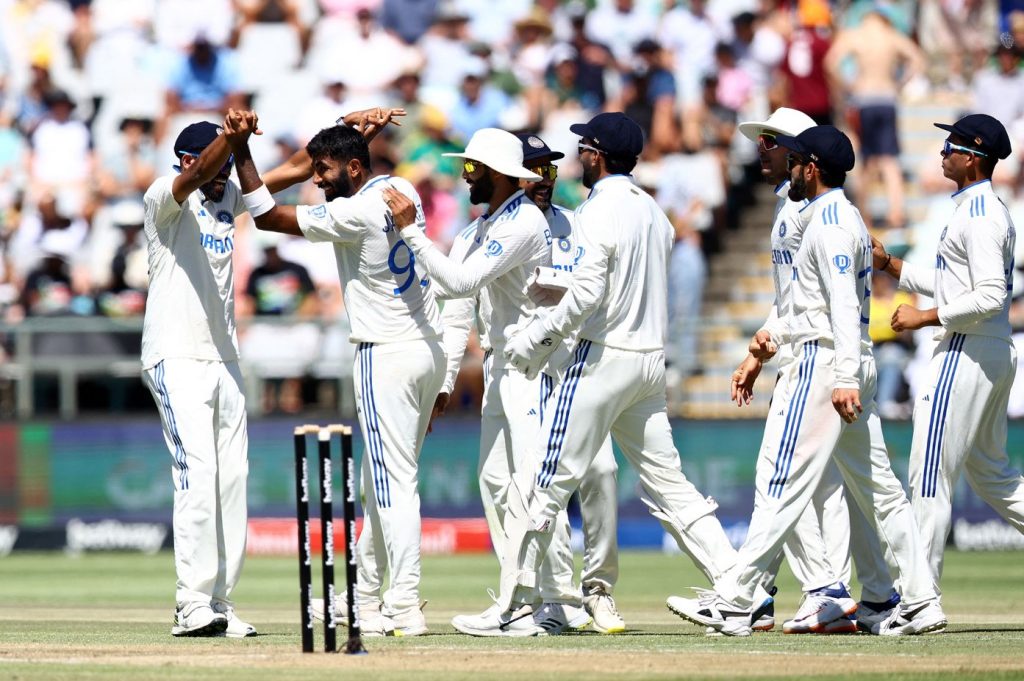
First Test Match: India and South Africa share a strong cricketing rivalry, marked by memorable matches and key moments that have shaped both teams’ cricketing history. The first Test match between these two cricketing powerhouses was an important milestone in the evolution of cricket between the two nations. Background: Setting the Stage for the First Test The first-ever Test match between India and South Africa took place in 1992, during India’s tour of South Africa. This tour was significant for several reasons, as it marked India’s first-ever trip to South Africa after the country’s return to international cricket following the end of apartheid. South Africa, under captain Hansie Cronje, was eager to make a statement on their home turf after being isolated from international cricket for many years. India, on the other hand, led by Mohammad Azharuddin, was ready to take on one of the strongest teams in world cricket at that time. The Historic Match: India vs South Africa – 1st Test The first Test match of the series was held at the Newlands Cricket Ground in Cape Town from November 26 to 30, 1992. The match was part of India’s tour of South Africa, which also included One-Day Internationals (ODIs) and other Test matches. Match Details: South Africa’s Performance in the First Innings: South Africa won the toss and elected to bat first. The South African batsmen were determined to make a strong statement in their return to Test cricket. Their opening pair of Andrew Hudson and Gary Kirsten provided a solid foundation. Hudson was dismissed for a duck, but Kirsten went on to score an important half-century (61). The middle order, however, faced intense pressure from India’s bowlers. India’s bowling was led by Kapil Dev and Anil Kumble, who were the main threats. Kumble’s spin and Kapil’s seam movement troubled the South African batsmen. Kumble finished with 4 wickets, and Kapil Dev claimed 3 wickets. India’s Performance in the First Innings: India’s response came with a solid effort from the top order. Mohammad Azharuddin, the Indian captain, led from the front with a brilliant knock of 115 runs. The middle order provided valuable contributions, but India was bowled out for 252 runs in the first innings. South Africa’s Performance in the Second Innings: South Africa’s second innings was a different story. The Indian bowlers came out with renewed determination, aiming to restrict South Africa to a manageable total. Kapil Dev led the charge once again, and Anil Kumble continued his dominance. Despite a valiant effort from Brian McMillan (54 runs), South Africa was dismissed for just 174 runs in their second innings. India’s Chase: India needed 215 runs to win the first Test match. The Indian batsmen, however, faced a tough challenge, as the South African bowlers came out firing in the second innings. Despite a brave effort from Azharuddin, who once again led with a knock of 40 runs, India fell short, managing only 138 runs before being bowled out. Match Summary Details South Africa India First Innings Score 292 all out 252 all out Top Scorer Gary Kirsten (61) Mohammad Azharuddin (115) Second Innings Score 174 all out 138 all out Top Scorer Brian McMillan (54) Mohammad Azharuddin (40) Bowling Performance (South Africa) Allan Donald (5/32) Kapil Dev (4/39) Bowling Performance (India) Anil Kumble (4/75) Allan Donald (3/22) Result South Africa won by 20 runs – Analysis of the Match: This historic Test match showcased not just the skills of individual players but also highlighted the competitive nature of both teams. Despite the loss, India showed immense resilience, with Azharuddin playing two important knocks in both innings. However, South Africa’s bowlers, especially Allan Donald, turned out to be the decisive factor. Donald’s five-wicket haul in the second innings was a match-winning performance that handed South Africa their first-ever Test victory against India. Significance of the Win: Conclusion: The first-ever Test match between India and South Africa in Cape Town in 1992 remains a historic encounter. South Africa’s 20-run victory in this game not only marked a new era for the Proteas but also set the stage for more thrilling encounters between the two cricketing nations. Both teams have gone on to develop a fierce rivalry, but this match will always hold a special place in the hearts of cricket fans as the beginning of a new chapter in international Test cricket. Welcome to E2Bet, Play Thrilling Games And Win Exciting Bonus!
Most Home Runs Hit in One Season Against a Single MLB Team
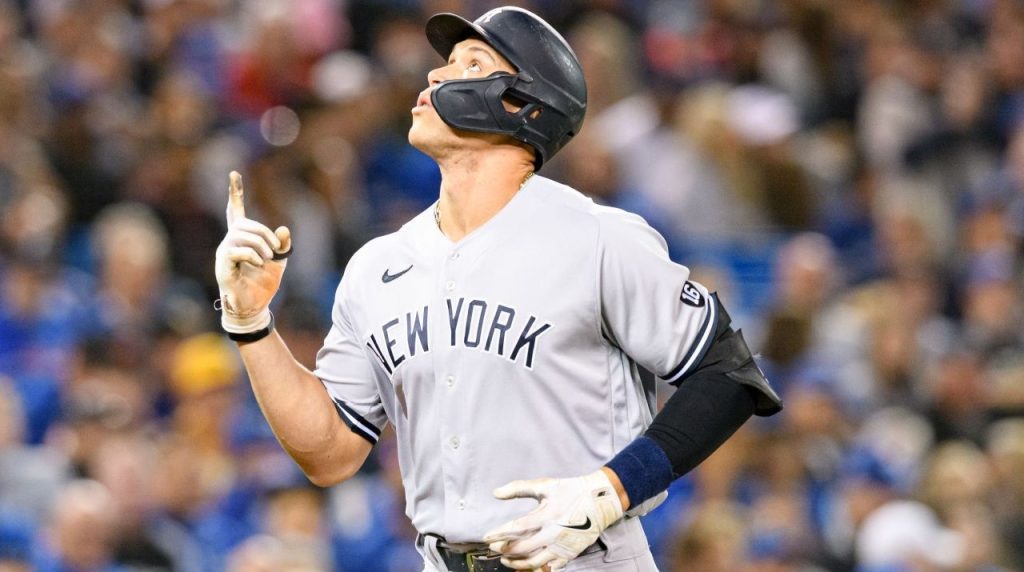
Most Home Runs: Baseball is often referred to as a game of numbers, and one of the most thrilling statistics is the home run. The long ball has always been a symbol of power, excitement, and dominance at the plate. Over the years, there have been several players who have not only hit a remarkable number of home runs in a season but have also dominated specific teams with their power. The feat of hitting the most home runs against one team in a single season is a special accomplishment that highlights both a player’s consistency and ability to target certain pitchers or ballparks. In this article, we will explore the MLB player who holds the record for the most home runs hit in a single season against one team, analyzing their achievements and the significance of this feat in the context of baseball history. Defining the Feat: Home Runs Against One Team in a Single Season Before diving into the details of the record, it’s important to understand the context. A player who hits a large number of home runs against one particular team in a single season has shown exceptional power and consistency. This could be due to a variety of reasons, including: The Record Holder: Mickey Mantle’s Feat Against the Chicago White Sox While numerous players have had impressive single-season performances against one team, the record for the most home runs hit in a single season against one team is held by none other than Mickey Mantle. Mantle, one of the most iconic players in MLB history, had an extraordinary career that spanned from 1951 to 1968. In 1961, Mantle set a remarkable record by hitting 15 home runs against the Chicago White Sox in a single season. Why Mantle’s Feat is So Significant Mantle’s 15 home runs against the White Sox in 1961 stand as a testament to his power, consistency, and ability to dominate a single opponent. The fact that he hit so many home runs against one team in a single season speaks volumes about his skill and dominance during that period of his career. Mantle’s ability to target a team as proficiently as he did against Chicago is a rare accomplishment in MLB history. In the 1961 season, Mantle had an outstanding year, finishing with 54 home runs, a career-high, and leading the Yankees to the American League pennant. While his 54 home runs were a remarkable total, his success against the White Sox stands out as one of the most impressive aspects of his season. His power display against Chicago helped solidify his reputation as one of the greatest sluggers of all time. Table 1: Mickey Mantle’s 1961 Home Runs Against the Chicago White Sox Date Opponent Home Runs Hit Final Score Mantle’s Home Run Totals for 1961 May 1 Chicago White Sox 2 Yankees 6, White Sox 5 15 total HRs vs. White Sox in 1961 June 2 Chicago White Sox 1 Yankees 10, White Sox 4 June 12 Chicago White Sox 2 Yankees 7, White Sox 3 July 23 Chicago White Sox 3 Yankees 14, White Sox 1 August 5 Chicago White Sox 1 Yankees 5, White Sox 2 September 17 Chicago White Sox 2 Yankees 8, White Sox 6 Table 2: Mickey Mantle’s 1961 Home Run Season Overview Year Home Runs Batting Average RBIs OPS Team 1961 54 .317 128 1.137 New York Yankees Analyzing the Significance of Mantle’s Achievement Mantle’s ability to hit 15 home runs against one team in a single season is impressive, especially given the quality of competition in the American League at the time. The 1961 season was particularly historic because it was the year that Mantle and teammate Roger Maris both pursued and broke Babe Ruth’s single-season home run record. Maris eventually finished the season with 61 home runs, while Mantle, despite battling injuries, hit 54 home runs and became one of the most feared hitters in the league. Mantle’s dominance over the White Sox was not just about the total number of home runs, but also the timing and circumstances in which he hit them. Several of these home runs came during key moments in the season, providing a spark for his team when needed. His performances were often integral to the Yankees’ victories, showcasing his ability to rise to the occasion. Other Notable Single-Season Home Run Performances Against One Team While Mickey Mantle’s 15 home runs against the White Sox in 1961 remains the benchmark, there are a few other impressive performances worth noting, although none have yet matched Mantle’s feat. 1. Carlos Delgado (2003) – 10 Home Runs Against the Florida Marlins In the 2003 season, Carlos Delgado of the Toronto Blue Jays had an incredible power display against the Florida Marlins (now the Miami Marlins). Delgado belted 10 home runs against the Marlins that year, a remarkable accomplishment, especially given the level of pitching talent in the National League at the time. Delgado’s power display helped him earn a spot among the top sluggers of the early 2000s. 2. Todd Helton (2001) – 10 Home Runs Against the San Francisco Giants In 2001, Todd Helton, known for his consistency and power, had a stellar season with the Colorado Rockies, and part of that included hitting 10 home runs against the San Francisco Giants. Helton’s ability to consistently hit against one team helped his team stay competitive in the National League West division that year. 3. Barry Bonds (2001) – 9 Home Runs Against the Los Angeles Dodgers In 2001, when Barry Bonds was having his record-breaking home run season, he also managed to hit 9 home runs against the Los Angeles Dodgers. This was part of his legendary performance that saw him hit a total of 73 home runs that year, setting the MLB single-season record for home runs. Bonds’ dominance against the Dodgers was just one of many highlights in his record-breaking campaign. Table 3: Top Single-Season Home Run Performances Against One Team Rank Player Name Year