

Sports Betting 2025: Advantages And Disadvantages Of Online Sports Betting: A Complete Overview

Online sports betting has transformed the way people engage with their favorite sports. With the growth of digital technology and the increasing popularity of online gambling, sports enthusiasts now have easier access to betting platforms than ever before. However, as with any form of gambling, there are both advantages and disadvantages associated with online sports betting. This article provides a comprehensive overview of the benefits and drawbacks, offering a balanced perspective for those interested in participating in this activity. Advantages Of Online Sports Betting Convenience And Accessibility The most significant advantage of online sports betting is the convenience it offers. Bettors no longer need to travel to physical betting shops or casinos; they can place bets from the comfort of their homes or on the go using their smartphones. Key Benefits of Convenience: Anytime, Anywhere: Online betting platforms are available 24/7, enabling users to place bets at any time and from virtually any location. Mobile Compatibility: With mobile apps, bettors can wager during a live game, travel, or relax at home without any hassle. No Geographical Restrictions: Unlike traditional betting shops, online betting platforms are accessible globally, which means you can participate in betting events regardless of where you live. Convenience Factor Online Betting Traditional Betting Availability 24/7 Limited hours Location Anywhere, any time Requires physical presence Mobile Access Yes No Global Reach Yes Limited to local area Wide Range Of Betting Options Online sports betting platforms offer a wide variety of betting markets that cater to every type of sports fan. While physical bookmakers generally have a limited selection, online platforms allow bettors to place a diverse array of bets on a range of sports events. Types of Bets Available: Match Result: Betting on the winner of a particular match or event. Over/Under Bets: Predicting whether the total points, goals, or runs will be over or under a specific number. Prop Bets: Betting on specific outcomes during a match, such as the first player to score or the number of corner kicks. Live Betting: Placing bets during an ongoing match, with odds fluctuating in real-time based on the event’s progress. Futures: Wagering on long-term outcomes, like which team will win a championship or a league. The range of betting options, along with specialized markets for specific sports, makes online sports betting highly attractive to both casual and experienced bettors. Type of Bet Online Betting Traditional Betting Match Result Available Available Over/Under Bets Available Available Prop Bets Available Limited Live Betting Available Rare Futures Available Available Better Odds And Bonuses Online sports betting platforms are highly competitive, and this benefits bettors. Compared to traditional betting outlets, online sportsbooks typically offer better odds, which means bettors can potentially win more for the same stake. Additional Financial Incentives: Welcome Bonuses: Many online sportsbooks offer attractive sign-up bonuses for new users, such as free bets or deposit matches. Loyalty Programs: Some platforms reward long-term users with points or bonus bets, which can be used for future wagers. Promotions and Free Bets: Regular promotions and special offers allow bettors to increase their potential returns. No Transaction Fees: Unlike some physical casinos, many online sportsbooks don’t charge transaction fees for deposits and withdrawals. With all these financial advantages, bettors can get more value for their money when engaging in online sports betting. Financial Factor Online Betting Traditional Betting Odds Competitive, better Fixed, less favorable Welcome Bonuses Available Rare Loyalty Programs Available Rare Promotions Frequent, regular Occasional Transaction Fees Often none May apply Live Streaming And In-Play Betting One of the most exciting features of online sports betting is the ability to place live bets while watching games unfold in real-time. Many online platforms offer live streaming of events, and bettors can place in-play wagers as the action progresses. Benefits of Live Betting: Real-Time Engagement: In-play betting allows users to place bets based on the current dynamics of the match, such as predicting the next goal scorer or whether a penalty will be awarded. Immediate Feedback: Bettors can see their bets’ outcomes almost instantly, adding excitement to the experience. Odds Change: The odds change dynamically during a match, creating new opportunities to make profitable bets based on the current scenario. Live betting, combined with the ability to watch matches live, offers a thrilling experience that traditional betting methods simply cannot replicate. Feature Online Betting Traditional Betting Live Streaming Available Rare In-Play Betting Available No Real-Time Betting Yes No Immediate Feedback Yes No Security And Payment Flexibility Reputable online sports betting platforms use advanced encryption technology to ensure the security of their users’ data and financial transactions. They offer multiple secure payment methods, making it easy for bettors to deposit and withdraw money. Security Features: SSL Encryption: Most online betting platforms use SSL encryption to safeguard personal and financial data. Multiple Payment Options: Users can choose from a variety of secure payment methods, including credit/debit cards, e-wallets, and bank transfers. Fraud Prevention: Leading platforms implement strict verification processes to prevent fraudulent activity, including identity verification and secure payment methods. With these features in place, online sports betting offers a high level of safety and peace of mind for users. Security Feature Online Betting Traditional Betting Encryption SSL Encryption Limited Payment Options Wide range of options Limited Fraud Prevention Advanced checks Basic checks Disadvantages Of Online Sports Betting Risk of Addiction One of the most significant disadvantages of online sports betting is the potential for addiction. The ease of access, convenience, and availability of betting options can make it easier for some individuals to develop a compulsive gambling habit. Key Concerns: 24/7 Access: The ability to bet at any time of day or night can lead to irresponsible gambling, especially for individuals who struggle with self-control. Escalating Losses: The ease of depositing funds into online accounts can encourage users to chase losses, which may lead to financial problems. Online platforms have taken steps to address these concerns, but the risk of addiction remains a serious issue. Risk Factor Online Betting Traditional Betting Availability 24/7, constant access Limited
The Difference Between Fast, Medium Fast, and Fast Medium Bowlers in Cricket
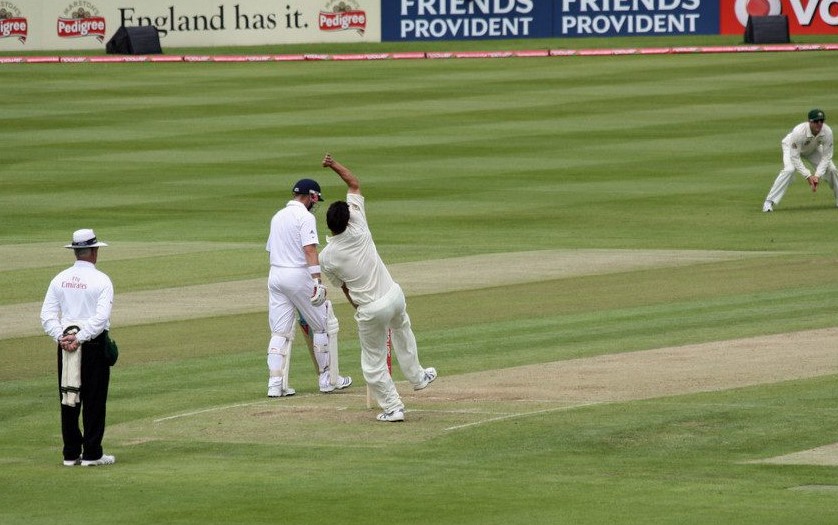
Difference : Cricket is a highly strategic game, with various roles contributing to the team’s success. Among these roles, bowlers stand out as they are responsible for taking wickets and controlling the flow of runs. Bowlers can be categorized based on the speed and style of their deliveries. Broadly, bowlers are classified as fast bowlers, medium-fast bowlers, and fast-medium bowlers. These classifications, though overlapping in some areas, have distinct differences based on delivery speed, technique, and style of bowling. In this article, we will explore the differences between fast, medium-fast, and fast-medium bowlers in cricket, and how each type influences the game. Overview of Bowling Categories in Cricket Bowlers are generally classified into three main categories based on their bowling speed and style: Each category of bowler brings a different challenge to the batsman, and these bowlers play a unique role on the field. 1. Fast Bowlers (Pace Bowlers) Characteristics of Fast Bowlers Fast bowlers, also referred to as pace bowlers, are the quickest bowlers in cricket. They bowl deliveries at speeds exceeding 140 km/h (87 mph), with some bowlers capable of reaching speeds up to 160 km/h (99 mph). Key Characteristics: Famous Fast Bowlers: Bowler Speed Range Typical Length Swing Type Strengths Brett Lee 150 – 160 km/h Short/Full Reverse Swing Pace, Bounce Dale Steyn 140 – 155 km/h Full Conventional Swing Accuracy, Pace Shoaib Akhtar 155 – 160 km/h Full/Short Reverse Swing Speed, Aggression 2. Medium-Fast Bowlers Characteristics of Medium-Fast Bowlers Medium-fast bowlers bowl at speeds ranging between 126 km/h to 140 km/h (78 to 87 mph). This category includes bowlers who are not as fast as pace bowlers but still bowl quicker than traditional medium bowlers. Key Characteristics: Famous Medium-Fast Bowlers: Bowler Speed Range Typical Length Swing Type Strengths Chris Woakes 130 – 140 km/h Full/Good Length Conventional Swing Accuracy, Movement Kapil Dev 126 – 135 km/h Full/Good Length Conventional Swing Accuracy, Bounce Craig White 130 – 135 km/h Good Length Conventional Swing Consistency 3. Fast-Medium Bowlers Characteristics of Fast-Medium Bowlers Fast-medium bowlers bowl at speeds between 130 km/h and 140 km/h (81 to 87 mph). They represent a middle ground between fast bowlers and medium-fast bowlers. Fast-medium bowlers are often considered the bridge between pure pace and swing/medium-paced deliveries. Key Characteristics: Famous Fast-Medium Bowlers: Bowler Speed Range Typical Length Swing Type Strengths Glenn McGrath 130 – 135 km/h Full Conventional Swing Line & Length Mohammad Asif 130 – 140 km/h Full/Good Length Conventional Swing Seam Movement John Topley 130 – 140 km/h Full Conventional Swing Accuracy Comparison of Fast, Medium-Fast, and Fast-Medium Bowlers To summarize the differences, let’s look at a comparative table: Category Speed Range Key Characteristics Common Techniques Typical Role Fast Bowlers > 140 km/h (87 mph) High pace, bounce, aggression Pace, Reverse Swing, Bouncers Attack, Create Pressure Medium-Fast Bowlers 126 – 140 km/h Accuracy, swing, movement off the pitch Conventional Swing, Seam Movement Control, Support Fast Bowlers Fast-Medium Bowlers 130 – 140 km/h Medium pace, subtle movement, consistency Conventional Swing, Seam Movement Control, Take Wickets in Middle Overs Conclusion Each of the three categories of bowlers — fast, medium-fast, and fast-medium — plays a crucial role in cricket. Fast bowlers are the spearheads of the attack, using their pace and aggression to take wickets and set the tone. Medium-fast bowlers offer a more measured approach, using swing and accuracy to apply pressure. Fast-medium bowlers sit in between, providing a mix of pace, movement, and control, and are often crucial in maintaining pressure during long spells. Understanding the differences between these types of bowlers allows players, analysts, and fans to appreciate the subtleties of cricket’s bowling attack. Whether it’s the raw speed of a fast bowler, the accuracy of a medium-fast bowler, or the subtle control of a fast-medium bowler, each brings a unique challenge to the game. Welcome to E2Bet, here for you to enjoy playing fun and exciting games:
Why Aren’t Today’s Fast Bowlers As Quick As Those From The ’70s And ’80s?
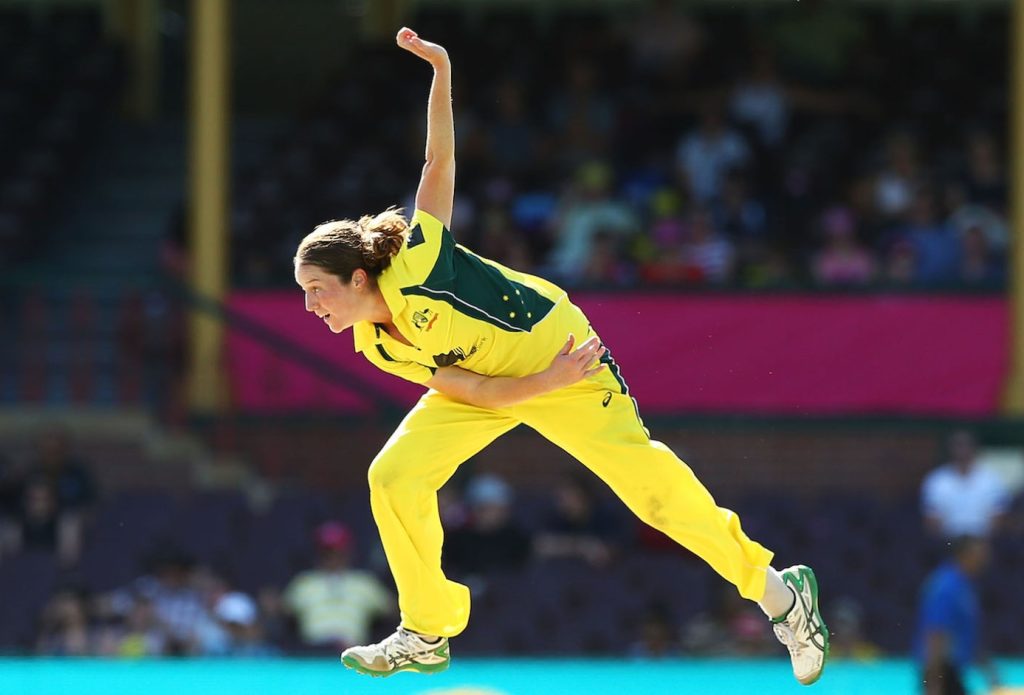
Cricket has always had its legends, and one of the most talked-about aspects of the game is the speed at which the ball is bowled. Fast bowlers from the 1970s and 1980s—such as the likes of Dennis Lillee, Geoff Thomson, and Michael Holding—are still remembered for their extraordinary pace and their ability to bowl at speeds exceeding 150 km/h regularly. Fast forward to today, and while there are still bowlers like Shoaib Akhtar, Brett Lee, and Dale Steyn who can bowl at blistering speeds, it’s often debated whether today’s fast bowlers are as quick as those who played decades ago. So, why aren’t today’s fast bowlers as quick as those from the ’70s and ’80s? There are a variety of factors that contribute to the apparent decline in pace over the years. From changes in training methods and pitch conditions to the evolution of cricketing technology, there are multiple reasons why the fastest bowlers of yesteryear might appear to have an edge over their modern counterparts. In this article, we will explore the key reasons behind the differences in pace between past and present fast bowlers, discussing aspects like advancements in fitness, changes in the game, and the evolving nature of fast bowling. 1. Changes In Training And Fitness One of the major reasons modern fast bowlers might not reach the same speeds as those from the ’70s and ’80s is the evolution of fitness and training regimes. While bowlers in the past were undoubtedly talented, the focus on fitness and conditioning in modern cricket has drastically changed. Fast bowlers today focus more on endurance, recovery, and injury prevention rather than sheer speed alone. Past Training Methods: Lack of Specialized Training: During the ’70s and ’80s, fast bowlers didn’t have the benefit of specialized strength and conditioning programs. The training mostly revolved around cricketing skills and fitness, but modern practices like gym-based strength training or explosive power exercises were not prevalent. Unstructured Conditioning: Bowlers of the past often relied on natural athleticism, playing multiple forms of the game like Test matches, One-Day Internationals, and domestic cricket to keep their fitness up. Modern Training Regimes: Focus on Fitness & Recovery: Today, there is a significant emphasis on fitness regimes, including gym workouts, cardio, and flexibility to help maintain speed and prevent injuries. Modern training is more structured and tailored to the specific needs of fast bowlers. Recovery Practices: The advent of ice baths, physiotherapy, and rest periods has resulted in fast bowlers of today focusing on managing their workload rather than maintaining the same intensity over long periods. Attribute 1970s-80s Fast Bowlers Modern Fast Bowlers Fitness Focus Cricket-based training Strength, conditioning, recovery Training Method Less structured, based on natural ability Gym, sprinting, and advanced techniques Injury Management Limited focus on recovery Dedicated injury management programs 2. Injury Concerns And Reduced Workload Fast bowlers are prone to injuries due to the high-impact nature of their bowling actions. Over the years, the toll on the body has become a significant concern, and modern cricket boards have adapted by managing the workloads of fast bowlers much more carefully. The introduction of injury prevention and rehabilitation techniques has reduced the number of injuries, but it has also meant that fast bowlers are no longer bowling at their maximum capacity in every match. Past Approach to Injuries: Higher Injury Rates: Fast bowlers in the ’70s and ’80s often bowled long spells, sometimes exceeding 20 overs a day, and didn’t have the same support systems to recover from injuries quickly. The aggressive nature of their bowling meant that their careers were often shorter due to repeated injuries. High-Intensity Bowling: Bowlers like Dennis Lillee and Jeff Thomson were known for bowling long spells and for their intense pace, despite their physical limitations and the lack of recovery methods. Modern Approach to Workload: Managed Workload: Today, fast bowlers’ workloads are carefully managed, with specific plans for rest and rehabilitation. This often means that modern fast bowlers are not able to maintain the same level of intensity in each match, as their bodies are preserved for longer careers. Focus on Longevity: Modern bowlers are expected to deliver a long career with sustainable performance, which often means bowling at speeds that are lower than their historical counterparts. Attribute 1970s-80s Fast Bowlers Modern Fast Bowlers Bowling Load High, with long spells Managed load with shorter spells Injury Rate High, frequent injuries Reduced injury rates due to careful management Workload Management Less consideration for rest Strategic workload for longevity 3. Changes In Pitch Conditions And Playing Surfaces Another crucial factor in the perceived decrease in pace is the evolution of pitch conditions. Fast bowlers thrive on pitches that offer pace and bounce, such as those found in Australia and South Africa. However, the pitches in modern cricket, particularly in subcontinental regions, have become much slower and lower, which does not help fast bowlers generate the same level of pace as they did on the pitches of the past. Past Conditions: Pace-Friendly Pitches: During the ’70s and ’80s, pitches in countries like Australia and the West Indies were often faster, offering more bounce and pace for fast bowlers to exploit. These conditions encouraged fast bowlers to bowl at higher speeds, making it easier for them to generate intimidating pace. Ball Quality: Older balls used to stay harder for longer, which allowed bowlers to maintain higher speeds. Over time, the ball quality has changed, and modern balls are softer, making it more difficult for bowlers to maintain velocity over long spells. Modern Conditions: Slower, Low-Bouncing Tracks: The introduction of pitches designed for spin bowling, especially in subcontinent regions, has reduced the opportunities for fast bowlers to bowl at high speeds. Wear and Tear on Balls: Modern cricket balls often wear out faster than in the past, limiting their ability to maintain pace through the latter stages of a spell. Attribute 1970s-80s Conditions Modern Conditions Pitch Speed Fast and bouncy (e.g., Australia, West Indies) Slower, lower, often spinner-friendly (e.g., India, Sri Lanka) Ball Wear Harder
কুলদীপ যাদব এমপির বিপক্ষে রঞ্জি ট্রফি ম্যাচের জন্য উত্তর প্রদেশের স্কোয়াডে অন্তর্ভুক্ত, তিন মাস পর প্রত্যাবর্তন।
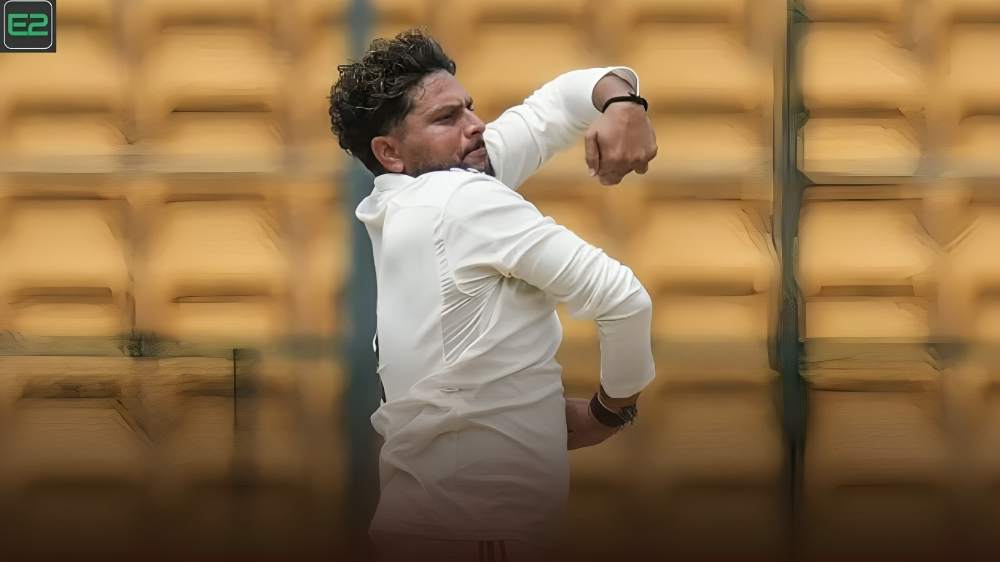
হস্তশিল্পী কুলদীপ যাদব তিন মাস পর প্রতিযোগিতামূলক ক্রিকেটে ফিরে আসতে যাচ্ছেন, কারণ তাকে ২০২৪-২৫ মৌসুমের শেষ রঞ্জি ট্রফি ম্যাচের জন্য Uttar Pradesh (UP) দলের সদস্য হিসেবে নির্বাচিত করা হয়েছে, যেখানে তারা মাধ্য প্রদেশ (MP) এর বিরুদ্ধে ইনদোরের হোলকর ক্রিকেট স্টেডিয়ামে ৩০ জানুয়ারি থেকে খেলবে। কুলদীপ যাদব একটি হার্নিয়া সার্জারির কারণে মাঠের বাইরে ছিলেন। কুলদীপ শেষবার অক্টোবর মাসে নিউজিল্যান্ডের বিপক্ষে টেস্ট সিরিজে ভারতের হয়ে খেলেছিলেন। এরপর, তিনি অস্ট্রেলিয়ায় অনুষ্ঠিত বর্ডার-গাভাসকার ট্রফি (BGT) ২০২৪/২৫ মিস করেছিলেন কারণ তিনি হার্নিয়া সার্জারি করিয়েছিলেন। উত্তর প্রদেশ ইতিমধ্যেই নকআউটের দৌড় থেকে বাদ পড়েছে, তবে এই ম্যাচ কুলদীপ যাদবকে ইংল্যান্ডের বিরুদ্ধে আসন্ন ওডিআই সিরিজের আগে গেম টাইম দেবে। এই রঞ্জি ম্যাচ নির্বাচকদের কুলদীপের ফিটনেস এবং ছন্দ মূল্যায়নের জন্য একটি উপযুক্ত সুযোগ দেবে, যা তিন ম্যাচের ওডিআই সিরিজের আগে হবে, যা ৬ ফেব্রুয়ারি থেকে ইংল্যান্ডের বিরুদ্ধে শুরু হবে। কুলদীপ সোশ্যাল মিডিয়াতে NCA স্টাফদের ধন্যবাদ জানিয়েছেন। “পুনরুদ্ধারের জন্য একটি দল প্রয়োজন। নকশা ও এর দলের প্রতি কৃতজ্ঞ, যারা পর্দার আড়ালে এত কাজ করেছেন,” কুলদীপ টুইট করেছেন। Recovery takes a team. Grateful to the NCA and it’s team for all the work behind the scenes! 💪🏻🙏🏻 pic.twitter.com/dHhwngvpaG — Kuldeep yadav (@imkuldeep18) January 27, 2025 উত্তর প্রদেশের দল বনাম মধ্য প্রদেশ: অ্যার্যন জুয়াল (ক্যাপ্টেন, উইকেটকিপার), করণ শর্মা, অভিষেক গোস্বামী, মাধব কৌশিক, প্রিয়ম গর্গ, রিতুরাজ শর্মা, আদিত্য শর্মা (উইকেটকিপার), শিবম মাভি, সৌরভ কুমার, শিবম শর্মা, কৃতজ্ঞ কুমার সিং, বিজয় কুমার, অতল বিহারি রাই, বৈভব চৌধুরী, জীশান আনসারি, কার্তিকেয়া জৈসওয়াল, কার্তিক ত্যাগী, কুলদীপ যাদব। কুলদীপ ছাড়া, আরও কিছু ভারতীয় তারকা রঞ্জি ট্রফিতে ফিরে আসবেন। বিরাট কোহলি এবং কেএল রাহুল তাদের যথাক্রমে ডমেস্টিক দলের জন্য শেষ রাউন্ডের লিগ ম্যাচে খেলবেন। Welcome to E2Bet! Experience endless excitement with our games!
How Do Fast Bowlers Lose Their Pace?
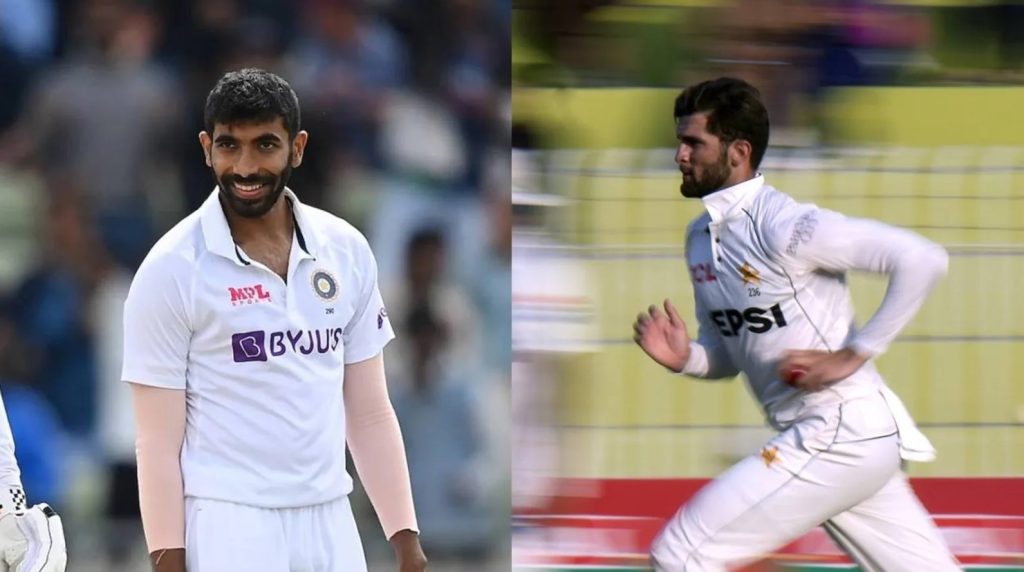
Fast bowlers are among the most exciting players in cricket, often captivating audiences with their sheer speed and aggression. However, one of the most unfortunate aspects of a fast bowler’s career is the inevitable decline in pace that many face as they age or encounter injuries. The loss of pace can significantly affect a bowler’s performance, and it often marks the end of an era for many talented players. This article will explore the reasons why fast bowlers lose their pace, the physiological and psychological factors involved, and the strategies employed by players and teams to maintain or regain their speed. Additionally, we will provide insight into the different stages in a fast bowler’s career when they are most susceptible to losing pace. The Anatomy of Fast Bowling: Why Pace is Hard to Maintain Fast bowling requires the combination of power, technique, and endurance. The delivery of a ball at high speeds puts immense strain on the body, particularly the shoulders, knees, and back. Over time, this repetitive stress can take its toll, leading to injuries and a natural decline in pace. Here are the main reasons why fast bowlers lose their pace: Key Stages in a Fast Bowler’s Career When Pace Declines Fast bowlers typically lose their pace over time due to physical and mental factors. However, the decline is often more pronounced at specific stages in a bowler’s career. The table below outlines the general career stages when bowlers are most vulnerable to losing pace: Stage of Career Age Range Factors Contributing to Pace Loss Early Career 18-25 years Players are at their physical peak, but injuries and learning curve could impact their pace. Prime Years 26-30 years The bowler is at their fastest, but repetitive strain from bowling and the demands of international cricket can start taking a toll on the body. Late Career (Mid Career) 30-35 years As a bowler approaches their 30s, slight loss of pace is common due to wear and tear on the body. Injury recovery might also become slower. End of Career 35+ years A noticeable loss of pace is expected due to aging, injuries, and physical decline. Some bowlers might adapt by becoming more economical or using variations. Injuries and Conditions That Lead to a Loss of Pace Fast bowlers often face a wide array of injuries due to the sheer physical demands of their craft. Below is a table that outlines the common injuries that can result in the loss of pace: Injury Impact on Pace Typical Recovery Time Rotator Cuff Injury Affects the shoulder’s ability to generate power and speed. 4-6 months of rehab or longer. Stress Fractures (Spine) Affects the bowler’s ability to generate explosive energy from the core. 6-12 months depending on severity. Knee Ligament Damage Alters the bowler’s running and landing, affecting pace. 6-9 months depending on the injury. Elbow Tendonitis Results in reduced arm speed and strain during delivery. 4-6 months depending on treatment. Hamstring Strain Affects the run-up and overall pace due to lack of explosive leg power. 3-4 weeks of recovery for mild strains. Back Stress or Disc Issues Severe impact on overall movement, causing pain and reduced speed. 3-12 months depending on severity. Notable Fast Bowlers Who Lost Their Pace Many legendary fast bowlers have faced the challenge of losing their pace over time. Below is a table showing how some famous fast bowlers experienced a decline in their pace: Bowler Country Peak Speed (km/h) Age at Pace Decline Strategy to Compensate Shane Warne Australia 150 km/h (93 mph) 32 years Focused on spin variations and accuracy rather than pace. Wasim Akram Pakistan 161.3 km/h (100 mph) 33 years Shifted to a more controlled and slower pace with swing. Curtly Ambrose West Indies 150 km/h (93 mph) 33 years Adapted his action to bowl more economically and with precision. Glenn McGrath Australia 145 km/h (90 mph) 35 years Relied on accuracy, seam movement, and consistency over sheer pace. Dale Steyn South Africa 160 km/h (99 mph) 33 years Focused on maintaining fitness and speed through wrist position and aggression. Maintaining or Regaining Pace: Strategies and Solutions Although fast bowlers inevitably experience some loss of pace with age or injury, some players employ strategies to either maintain or regain their speed. These strategies include: Conclusion Losing pace is a natural part of a fast bowler’s career trajectory. Whether due to aging, injuries, or wear and tear, fast bowlers often find themselves unable to bowl at the speeds they once did. However, with the right combination of physical conditioning, technical adaptation, and mental adjustments, many bowlers are able to extend their careers and remain successful even as their pace diminishes. The loss of pace doesn’t necessarily mean the loss of effectiveness, as many bowlers transition to a more tactical, skill-based style that can continue to pose challenges for batsmen. Understanding how fast bowlers lose their pace can help players, coaches, and fans better appreciate the challenges these athletes face over the course of their careers. Welcome to E2Bet, here for you to enjoy playing fun and exciting games:
Why Do Batsmen Dominate Captaincy Roles In Cricket Over Bowlers 2025?

Captaincy: In the world of cricket, the captaincy role is one of the most prestigious and influential positions within a team. Captains are not just responsible for making on-field tactical decisions, but they also carry the weight of the team’s morale, strategy, and overall performance. Interestingly, a pattern has emerged over the years where batsmen, rather than bowlers, dominate the captaincy roles. While there are several exceptions, the trend remains consistent across most cricketing nations. Captaincy: This article delves into the reasons why batsmen are more likely to become captains than bowlers, examining factors such as game dynamics, leadership traits, and tactical demands. 1. Tactical Control And Involvement Captaincy: One of the primary reasons why batsmen are often chosen as captains over bowlers lies in the nature of their role in the game. Batsmen are typically involved in the game for a longer period during a match, especially in Test cricket. A batsman is present at the crease for longer periods, which gives them a more comprehensive understanding of the game’s evolving nature. Average Time Spent On The Field By Batsmen And Bowlers In Test Matches Role Average Time Spent on Field (Minutes) Batsman 180-300+ Bowler 60-120 Captaincy: Batsmen can observe and assess the conditions, the field setup, and the opposition’s strengths and weaknesses in real time. This exposure allows them to make informed decisions, such as when to declare, how to set fields, and when to introduce changes in the batting order. On the other hand, bowlers typically spend a significant portion of the game off the field, especially in formats like Test cricket where batting sessions can last for hours. This reduced time spent in the game limits their ability to gather the same level of insights into the game’s flow. 2. Leadership And Decision-Making Skills Captaincy: Batsmen, particularly those in the top order, often have to demonstrate excellent decision-making skills. The mental fortitude required to stay at the crease for long periods is closely linked to leadership qualities. Captains are often required to make quick decisions under pressure, a trait that can be honed while batting. The ability to read the game, control emotions, and make strategic decisions are key components of effective leadership. Since batsmen spend more time on the field, they tend to develop these skills more thoroughly than bowlers. Leadership Skills By Role Skill Batsman Bowler Decision-Making High Medium Emotional Control High Medium Game Awareness High Medium Strategic Thinking High Low Captaincy: Bowling, by its nature, is often more focused and physically demanding, limiting the bowler’s capacity to engage in broader strategic thinking. A bowler is typically on the field for short bursts, usually focusing intensely on their next delivery or over. This limited involvement in the overall game can sometimes make bowlers less suitable for the role of a captain, which requires a wider view of the game’s development. 3. Player Consistency And Longevity Batsmen often enjoy longer careers than bowlers, as bowling tends to be more physically demanding. A bowler’s career can be interrupted by injuries, especially with the high impact and stress on the body. Fast bowlers, in particular, face risks of injuries to their shoulders, knees, and back, often curtailing their playing time. As a result, selecting a bowler as a captain might present challenges regarding the consistency of leadership over a long period. On the other hand, batsmen are less prone to injuries that would affect their ability to captain over time. Even though batting can be demanding mentally, the physical toll is often less severe than that on bowlers. Batsmen, therefore, have the potential for longer leadership tenures, offering greater stability to the team. Career Longevity And Fitness Impact Role Average Career Length (Years) Injury Impact (Frequency) Batsman 12-18 Low to Medium Bowler 8-14 High (Frequent Injuries) 4. Psychological Traits And Captaincy The psychological traits that are often associated with effective leadership, such as calmness under pressure, the ability to handle complex situations, and the mental strength to bounce back from setbacks, are often cultivated through the experience of batting. Batsmen are regularly required to recover from challenging situations — whether it’s being on the brink of dismissal or facing a hostile bowling attack. A bowler, in contrast, may not face such sustained pressure. While a bowler can experience tense moments during a match, they are often off the field for long stretches, meaning they have less exposure to the full spectrum of pressure that a captain must face. The role of captain requires a wide range of psychological attributes, and batsmen, having spent significant time in high-pressure situations, often display the emotional resilience and decision-making abilities required for captaincy. 5. Cultural And Historical Factors Historically, cricket has been a sport dominated by batsmen, particularly in the traditional contexts of the game. Most cricketing legends who have captained teams — such as Sir Donald Bradman, Sachin Tendulkar, Ricky Ponting, and Virat Kohli — have been batsmen. Over time, this historical trend has shaped perceptions about leadership in cricket. The selection of batsmen as captains has been normalized, and this practice continues today, even as the game evolves. Bowlers who have captained teams, such as Kapil Dev, Courtney Walsh, and Shane Warne, are notable exceptions, but they are fewer in number. Captains In Cricket’s History (Batting vs. Bowling Captains) Type of Captain Number of Captains (Past 50 Years) Batsman 80% Bowler 20% 6. Ability To Influence The Game While bowlers can change the course of a match through critical breakthroughs, batsmen have more control over the game’s tempo. In cricket, particularly in Test matches, a team’s batting order sets the pace of the game. A captain who is a top-order batsman has a direct influence on the score and can dictate how quickly the game progresses or stalls. By declaring innings or choosing when to attack, a batsman-captain can steer the course of a match more comprehensively. Bowlers, while important for key moments, do not usually control the pacing of the game to the same extent. Their role
The Charismatic and Pleasing Personality of Virat Kohli
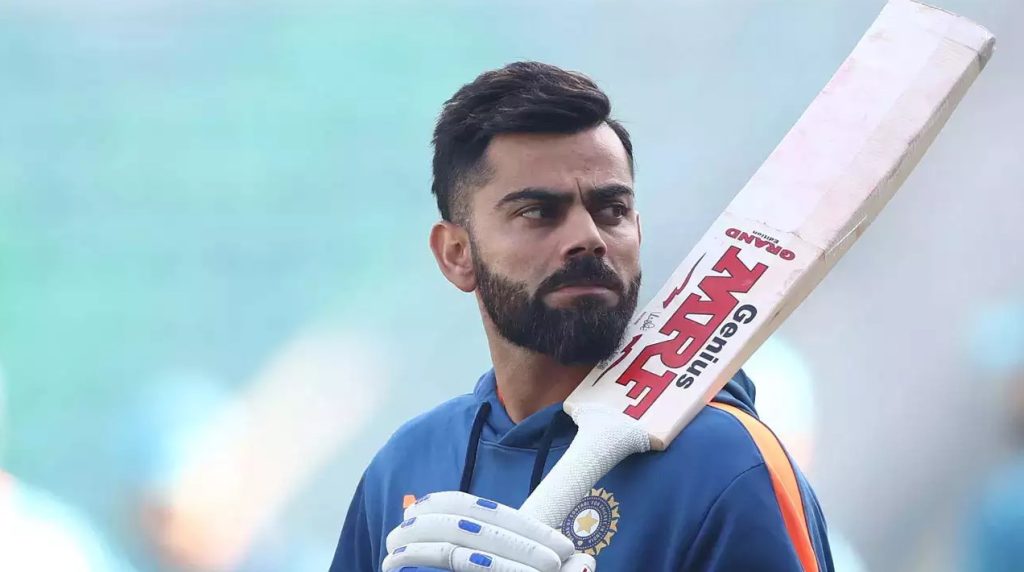
Charismatic : Indian cricket has been graced by numerous legends, each bringing their unique flair and personality to the sport. Among the contemporary cricketers, Virat Kohli stands out not only for his incredible batting skills and leadership qualities but also for his magnetic and pleasing personality. Known for his passion, charisma, and connection with fans, Kohli’s persona transcends the cricket field, making him a global icon. Why Virat Kohli is Known for His Pleasing Personality 1. Dynamic and Passionate Leader Kohli’s leadership is marked by his intense passion and commitment to the game. His ability to lead from the front, combined with his expressive nature, makes him a compelling figure on and off the field. 2. Authentic and Transparent Virat Kohli’s authenticity shines through his candid interactions with the media and fans. Whether it’s celebrating a victory or discussing a tough loss, he remains honest and forthright, which resonates with many. 3. Fashion Icon and Trendsetter Beyond cricket, Kohli is a fashion icon known for his sharp dressing sense and grooming. His style appeals to the younger generation, setting trends in fitness, fashion, and lifestyle. 4. Engaging with Fans Kohli’s connection with fans is unparalleled. Through social media, public appearances, and personal interactions, he actively engages with his supporters, making them feel valued and appreciated. 5. Supportive Teammate While his aggressive nature is evident on the field, Kohli is equally supportive and encouraging towards his teammates, fostering a strong team spirit. A Glimpse into Virat Kohli’s Career and Charisma Category Details Full Name Virat Kohli Nicknames Chiku Birthdate November 5, 1988 Captaincy Tenure 2013–2021 (ODIs and T20Is), 2014–2022 (Tests) Major Achievements – Most Test wins as Indian captain– Fastest to 8,000, 9,000, 10,000 ODI runs– Multiple ICC Awards Notable Qualities Passionate, authentic, stylish, approachable Charismatic Gestures – Regular interaction with fans on social media– Celebrates teammates’ achievements– Transparent and candid interviews Stories Reflecting Kohli’s Pleasing Personality 1. Charity and Social Causes Virat Kohli is actively involved in philanthropy through the Virat Kohli Foundation. He has supported numerous causes, including child welfare, education, and healthcare, demonstrating his compassionate side. 2. Respect for the Opposition Despite his aggressive approach on the field, Kohli has shown immense respect for opponents. A notable instance was when he applauded Steve Smith after the Australian batsman returned from a ban, encouraging Indian fans to appreciate Smith’s talent. 3. Motivating Youngsters Kohli often mentors young players, offering them guidance and support. His positive interactions with emerging talents like Prithvi Shaw and Shubman Gill have been well-documented. Comparison of Virat Kohli with Other Cricketers on Personality Player Name Key Trait Pleasing Personality Aspects Virat Kohli Charismatic and Passionate Engages fans, transparent, supportive Rohit Sharma Calm and Amiable Easygoing, approachable, humorous MS Dhoni Calm and Humble Grounded, composed, respectful Hardik Pandya Energetic and Fun-loving Dynamic, fashionable, lively social presence KL Rahul Stylish and Calm Soft-spoken, fashion-forward, supportive Impact of Virat Kohli’s Personality on Indian Cricket Kohli’s Influence Beyond Cricket Apart from his on-field exploits, Kohli’s influence extends to various spheres: Conclusion Virat Kohli’s journey from a talented youngster to one of the most influential cricketers in the world is a testament to his hard work, dedication, and charismatic personality. His ability to connect with people, whether through his aggressive gameplay, candid interviews, or philanthropic efforts, makes him a truly pleasing personality in Indian cricket. Kohli continues to inspire, entertain, and lead by example, leaving a lasting impact on cricket and beyond. Welcome to E2Bet, here for you to enjoy playing fun and exciting games:
Controversial Behavior: Pakistan Cricketers With A Reputation For Bad Manners 2025

Cricket is more than just a sport in Pakistan; it is a national obsession. Over the decades, Pakistani cricketers have captured the imagination of fans with their extraordinary talent and passion for the game. However, alongside their sporting achievements, some players have garnered a reputation for controversial behavior and questionable manners on and off the field. While their skills cannot be denied, their antics have often led to criticism and disciplinary action. This article delves into the controversial behavior of some Pakistan cricketers, offering an objective look at incidents that have marred their otherwise illustrious careers. The Role Of Aggression In Cricket Cricket, despite being labeled as a “gentleman’s game,” often sees players displaying aggression, particularly in high-stakes matches. For some Pakistani cricketers, this aggression has crossed the line, leading to confrontations with opponents, umpires, and even teammates. A combination of pressure, national pride, and personal temperament has often resulted in heated moments. Controversial Players And Incidents Player Name Notable Controversy Outcome Shahid Afridi Ball tampering incident in 2010 Fined and suspended for two T20 matches Shoaib Akhtar Physical altercation with Mohammad Asif in 2007 Sent home from T20 World Cup squad Umar Akmal Repeated disciplinary issues, including a leaked video rant Banned for three years (later reduced) Sarfaraz Ahmed Racial comment during an ODI against South Africa in 2019 Suspended for four matches Javed Miandad On-field spat with Dennis Lillee in 1981 Criticized for unsportsmanlike behavior Waqar Younis Ball tampering allegations in 2000 Fined 50% of match fee Mohammad Amir Spot-fixing scandal in 2010 Five-year ban and imprisonment Shahid Afridi: The Eccentric Star Shahid Afridi, also known as “Boom Boom Afridi,” is one of the most iconic cricketers in Pakistan’s history. However, his career has not been without controversy. In 2010, Afridi was caught on camera biting the ball during an ODI against Australia, an act of blatant ball tampering. Afridi later justified his actions by saying he was trying to “smell the ball.” This incident led to widespread criticism and a two-match suspension. Despite this, Afridi’s charisma and match-winning performances have often overshadowed his controversial moments. Shoaib Akhtar: The Rawalpindi Express Known for his fiery pace and equally fiery temperament, Shoaib Akhtar has been involved in numerous controversies throughout his career. One of the most infamous incidents occurred in 2007 when he was sent home from the inaugural T20 World Cup after physically assaulting teammate Mohammad Asif with a bat. Akhtar’s aggressive personality often clashed with team management, leading to suspensions and fines. Despite his controversies, Akhtar’s record-breaking speed and match-winning spells have secured his place as one of the most exciting fast bowlers in cricket history. Umar Akmal: The Troubled Talent Umar Akmal’s career is a textbook case of wasted potential. The younger Akmal brother burst onto the international scene with immense talent but soon became known more for his off-field antics than his cricketing exploits. From altercations with coaches to unprofessional conduct during training sessions, Umar Akmal’s disciplinary issues have been a constant problem. In 2020, he was banned for failing to report approaches by bookies, a ban that was initially set at three years but later reduced to 12 months. Umar remains a polarizing figure in Pakistani cricket. Sarfaraz Ahmed: Crossing The Line Sarfaraz Ahmed, who led Pakistan to its first ICC Champions Trophy victory in 2017, faced a major backlash in 2019 for making a racial comment directed at South African player Andile Phehlukwayo during an ODI. The comment, caught on the stump microphone, led to Sarfaraz being suspended for four matches and issuing a public apology. While Sarfaraz is generally regarded as a humble and hardworking player, this incident tarnished his reputation to some extent. Factors Contributing To Controversial Behavior Several factors contribute to the controversial behavior of cricketers: Pressure to Perform: The expectations from fans and media can sometimes lead players to act impulsively. Cultural and Temperamental Differences: Aggression is often seen as a means to assert dominance, but it can sometimes be misdirected. Lack of Professional Guidance: Poor management and lack of proper mentorship have also been cited as reasons for some players’ behavior. Media Scrutiny: With the rise of social media, every action is amplified, often blowing minor incidents out of proportion. The Impact Of Controversies On Pakistani Cricket The controversies surrounding Pakistani cricketers have had both positive and negative impacts: Impact Description Negative Damaged the image of Pakistani cricket on the global stage. Positive Raised awareness about the need for better player management and stricter disciplinary measures. Mixed Generated media attention, sometimes drawing more viewers and fans to the sport. Steps Taken To Improve Discipline The Pakistan Cricket Board (PCB) has taken several measures to address behavioral issues among players: Code of Conduct: Implementing strict rules and penalties for misconduct. Education Programs: Conducting workshops on professionalism and ethical behavior. Psychological Support: Offering mental health support to help players manage stress and aggression. Leadership Roles: Appointing experienced players as mentors to guide younger talent. While Pakistani cricketers’ controversial behavior has often been a talking point, it is essential to view these incidents in context. These players are human, prone to mistakes, and operate under immense pressure. Efforts by the PCB to instill discipline and professionalism have shown promise, but there is still work to be done. Ultimately, the goal should be to channel their aggression and passion into performances that inspire fans and uphold the spirit of the game. The legacy of Pakistan cricket is built on a blend of brilliance and chaos. If managed effectively, these moments of controversy can serve as lessons, paving the way for a more professional and respectful generation of cricketers. E2BET: Welcome! Discover Endless Betting Possibilities!
Babar Azam’s Salary: A Detailed Analysis
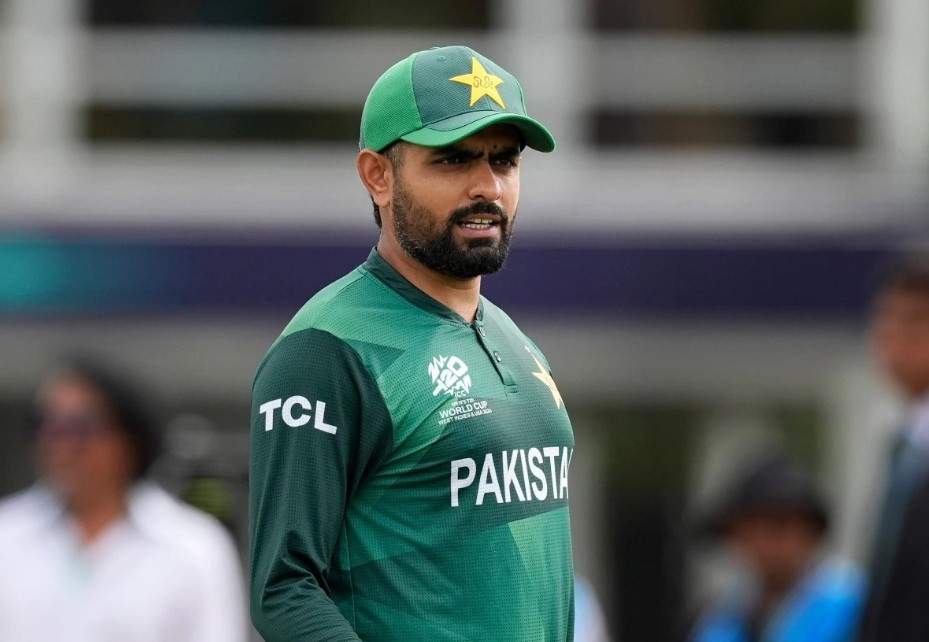
Babar Azam, Pakistan’s cricketing superstar, is not only celebrated for his elegant batting but also for being one of the highest-paid cricketers in the country. As the backbone of Pakistan’s cricket team and a global ambassador for the sport, his earnings include a central contract from the Pakistan Cricket Board (PCB), match fees, endorsements, and other income streams. This article delves into the components of Babar Azam’s salary, highlighting his earnings from cricket and other ventures, and compares it to players worldwide. Components of Babar Azam’s Salary Babar Azam’s salary is divided into several categories: Breakdown of Babar Azam’s Earnings (Estimated) The following table provides an approximate breakdown of Babar Azam’s annual earnings: Category Source Estimated Annual Earnings (PKR) Estimated Annual Earnings (USD) PCB Central Contract Monthly Salary (Category A) 13.2 million ~45,000 Match Fees Tests (8 matches/year) 6.4 million ~22,000 ODIs (15 matches/year) 3.75 million ~13,000 T20Is (20 matches/year) 3.6 million ~12,500 Performance Bonuses Centuries, Wins, Awards 5 million ~17,000 PSL Salary Multan Sultans 40 million ~140,000 Endorsements Pepsi, Oppo, H&S, etc. 60 million ~210,000 Miscellaneous Appearances, Ads, etc. 10 million ~35,000 Total Annual Earnings All Sources 141.95 million ~494,500 Central Contract Details The PCB offers central contracts in three categories: A, B, and C. Babar Azam, being in Category A, receives the highest monthly salary. Here’s a breakdown of the central contract earnings for 2024: Category Monthly Salary (PKR) Annual Salary (PKR) Annual Salary (USD) Category A 1.1 million 13.2 million ~45,000 Category B 750,000 9 million ~31,000 Category C 550,000 6.6 million ~23,000 Babar’s position in Category A reflects his status as a key player and a captain during his tenure. Match Fees (Format-Wise) The PCB pays players match fees for representing Pakistan in international matches. Babar Azam’s match fees for each format are as follows: Format Match Fee per Game (PKR) Estimated Annual Games Total Match Fees (PKR) Total Match Fees (USD) Test 800,000 8 6.4 million ~22,000 ODI 250,000 15 3.75 million ~13,000 T20I 180,000 20 3.6 million ~12,500 Endorsements Babar Azam’s popularity extends beyond the cricket field, making him one of the most sought-after sports personalities in Pakistan. He is endorsed by several major brands: Brand Estimated Annual Deal (PKR) Estimated Annual Deal (USD) Pepsi 25 million ~87,000 Oppo 15 million ~52,000 Head & Shoulders 10 million ~35,000 Miscellaneous Brands 10 million ~35,000 Total 60 million ~210,000 These endorsements significantly contribute to Babar’s total income, surpassing his earnings from cricket in some cases. Comparison with International Cricketers To put Babar Azam’s earnings in perspective, here’s how his salary compares to other prominent cricketers: Player Country Annual Earnings (USD) Remarks Virat Kohli India ~4 million Top Indian cricketer, major endorsements Joe Root England ~1.5 million Central contract and endorsements Kane Williamson New Zealand ~500,000 Smaller cricket market Babar Azam Pakistan ~494,500 Mix of cricket and endorsements While Babar earns significantly less than players from larger markets like India, his income reflects his status as Pakistan’s premier cricketer. Conclusion Babar Azam’s salary, comprising central contracts, match fees, PSL earnings, and endorsements, positions him among the top earners in Pakistan cricket. Despite earning less compared to Indian cricketers due to market dynamics, his value in the global cricketing landscape is undisputed. As his career progresses, Babar’s earnings are expected to grow, solidifying his position as a modern-day cricketing icon. Welcome to E2Bet, here for you to enjoy playing fun and exciting games:
Ben Stokes: The Greatest Clutch Player Of His Generation 2025?

Ben Stokes has redefined what it means to be a clutch player in modern cricket. Known for his extraordinary performances under pressure, he has delivered some of the most iconic moments in cricketing history. This article evaluates whether Ben Stokes deserves the title of the greatest clutch player of his generation, analyzing his performances, mental resilience, and statistical contributions in high-pressure situations. Defining A Clutch Player Ben Stokes: In sports, a “clutch player” is someone who consistently delivers exceptional performances when it matters the most—during high-stakes moments, under intense pressure. These players often thrive when their team is in dire need of a match-winning contribution. Key attributes of a clutch player include: Mental Resilience: Staying calm under pressure. Versatility: Excelling in multiple roles as per the team’s needs. Consistency: Delivering high-impact performances regularly. Decisive Actions: Turning games around in crunch moments. Ben Stokes’ Iconic Performances Ben Stokes: Ben Stokes’ career is filled with standout performances that exemplify his ability to deliver when the stakes are highest. Below, we highlight a few of his most remarkable moments: Match Format Performance Impact 2019 World Cup Final (vs. New Zealand) ODI 84* (98) and 8 runs in Super Over Guided England to their first-ever World Cup win in an intense final. 2019 Headingley Test (vs. Australia) Test 135* (219) One of the greatest Test innings; saved England from near defeat. 2022 T20 World Cup Final (vs. Pakistan) T20I 52* (49) Anchored the chase to secure England’s second T20 World Cup. 2016 T20 World Cup (vs. West Indies) T20I 4 consecutive sixes conceded in the final over A learning moment that fueled his rise as a clutch player later on. Statistical Analysis: Performance Under Pressure Ben Stokes: While cricket is as much about moments as it is about numbers, Stokes’ statistics in pressure situations further reinforce his reputation as a clutch player. Test Cricket In Tests, Stokes has often turned the tide in England’s favor with both bat and ball. Below is a table showcasing his performance in successful fourth-innings chases: Match Runs Scored Balls Faced Result Opposition Headingley, 2019 135* 219 England won by 1 wicket Australia Cape Town, 2020 72 47 England won by 189 runs South Africa Colombo, 2018 62 99 England won by 57 runs Sri Lanka ODI Cricket Ben Stokes: Stokes has been pivotal in England’s rise in ODI cricket, particularly during the 2019 World Cup. His performances in high-pressure matches are reflected in his stats: Match Context Innings Runs Strike Rate Result 2019 WC Final vs. NZ 84* 85.71 England won (Super Over) 2019 WC Semi-final vs. Aus 57 109.43 England won by 8 wickets 2021 vs. India (Chennai) 99 127.27 England lost narrowly T20 Cricket Ben Stokes: Despite being remembered for conceding four consecutive sixes in the 2016 T20 World Cup final, Stokes has shown resilience and a marked improvement in high-pressure T20 matches: Tournament Runs Scored Wickets Taken Impact 2022 T20 WC Final 52* – Match-winning knock in the final 2020 IPL (vs. MI) 107* – Guided Rajasthan Royals to a critical win 2022 T20 WC Semi-Final 38* 1 wicket Steady chase in a tricky situation Mental Resilience: Learning From Setbacks Ben Stokes: Stokes’ career is as much about his triumphs as it is about his ability to recover from setbacks. His low point came in the 2016 T20 World Cup final when Carlos Brathwaite hit him for four consecutive sixes in the last over, snatching the trophy away from England. For many players, such a moment could be career-defining in a negative sense. However, for Stokes, it became a turning point. Following this, he worked on his skills, improved his death bowling, and refined his approach under pressure. The mental fortitude displayed by Stokes after the 2016 incident demonstrates why he is regarded as one of the toughest players mentally. Leadership In Pressure Situations Stokes’ impact extends beyond his personal performances; his leadership qualities under pressure have been equally noteworthy. As England’s Test captain, Stokes has revitalized the team with a bold and aggressive approach, particularly during the “Bazball” era alongside coach Brendon McCullum. Some key examples of his captaincy under pressure include: 2022 England vs. New Zealand Test Series: Stokes’ proactive declarations and attacking field placements led to a series win. Ashes 2023: Despite losing the series, Stokes’ tactical brilliance and inspiring performances, including his 155 in the second Test at Lord’s, showcased his ability to lead by example. Comparing Stokes With Other Clutch Players To evaluate whether Stokes is the greatest clutch player of his generation, it’s essential to compare him with other modern greats: Player Format Notable Clutch Performance Comparison with Stokes Virat Kohli ODI/T20I 82* vs. Pakistan, T20 WC 2022 Kohli excels in chases but lacks Stokes’ all-round impact. MS Dhoni ODI/T20I 91* in 2011 WC Final Dhoni’s calmness rivals Stokes’ aggression. Steve Smith Test/ODI Ashes 2019 (774 runs in 4 Tests) Smith dominates Tests but doesn’t match Stokes’ versatility. Shakib Al Hasan All Consistent all-round performances in ICC events Shakib is consistent but hasn’t delivered iconic moments like Stokes. Is Stokes The Greatest Clutch Player? Ben Stokes has carved out a unique niche in cricket history. His ability to deliver in high-stakes moments, both as a batter and bowler, combined with his mental toughness and leadership, sets him apart. While comparisons with contemporaries like Virat Kohli and MS Dhoni are inevitable, Stokes’ versatility as an all-rounder gives him an edge. Whether it’s smashing sixes at Headingley, guiding England to a World Cup win, or anchoring a tricky chase, Stokes has consistently proven himself as a player who thrives under pressure. His journey from heartbreak in the 2016 T20 World Cup to redemption in subsequent years makes him not just a great clutch player but arguably the greatest of his generation. E2BET: Welcome! Discover Endless Betting Possibilities!