

Biggest Rivalry in BBL: Melbourne Stars vs. Sydney Sixers

Biggest Rivalry in BBL: In the Big Bash League (BBL), where excitement, entertainment, and competitive spirit define the very nature of the competition, one rivalry stands out as the most intense, storied, and widely followed by fans — the rivalry between the Melbourne Stars and the Sydney Sixers. This rivalry is not just about cricket; it’s a clash of the two biggest cities in Australia, Melbourne and Sydney. The high-stakes games between these two teams consistently deliver thrilling performances, dramatic finishes, and memorable moments. The competition between the Stars and the Sixers represents much more than just the fight for the BBL title; it encapsulates the essence of Australian domestic T20 cricket. Biggest Rivalry in BBL: Historical Background of the Rivalry The rivalry between the Melbourne Stars and the Sydney Sixers began in the inaugural season of the BBL in 2011. Both teams have enjoyed a great deal of success over the years, and their meetings have often been the highlight of each season. The competition has become a microcosm of the larger rivalry between Melbourne and Sydney — two cities with distinct identities and massive followings in cricket and sports in general. From the start, their encounters have been marked by fierce competition, with both teams regularly pushing each other to the limit. As the years progressed, the matches between the Stars and Sixers became more than just a contest for points — they became a battle for supremacy in the Big Bash League. Key Moments in the Rivalry Over the years, this rivalry has produced some unforgettable moments that have further intensified the competition between these two teams. 1. BBL 2011–12 Final: A Historic Clash In the inaugural season of the BBL, the Sydney Sixers took on the Melbourne Stars in the BBL Final. This match is often remembered for its significance in setting the tone for the rivalry. The Sixers won the first-ever Big Bash League title, defeating the Stars in a high-pressure final, which made this the first chapter in their ongoing battle for dominance. 2. BBL 2015–16: The Sixers’ Tight Win In the 2015–16 season, the two teams faced off in a crucial match that went down to the wire. The Sydney Sixers emerged victorious by a narrow margin, securing a win that reinforced their reputation as a powerhouse of the BBL. This match was marked by an extraordinary performance from the Sixers’ bowlers, who successfully restricted the Stars in a tense chase. 3. The 2019–20 Season: A Thriller at the MCG In the 2019–20 season, the Melbourne Stars and the Sydney Sixers locked horns in an iconic encounter at the Melbourne Cricket Ground (MCG). This match showcased the attacking prowess of both teams and featured a remarkable knock from Marcus Stoinis of the Stars, who single-handedly carried his team. However, the Sixers were too strong in the end, and their all-around performance clinched the win. 4. BBL 2020–21: The Stars’ Resurgence During the 2020–21 season, the rivalry between the teams reached new heights, with both teams at the top of the points table. This year, the Melbourne Stars bounced back to challenge the Sixers, but the Sixers maintained their dominance in the competition, defeating the Stars in yet another crucial encounter, reaffirming their position as one of the league’s most consistent teams. Team Comparison: Melbourne Stars vs. Sydney Sixers To understand the rivalry more deeply, it’s crucial to compare the two teams in terms of their performance, strength, and records in the league. The following table provides an overview of each team’s key stats and highlights. Aspect Melbourne Stars Sydney Sixers Founded 2011 2011 Home Ground Melbourne Cricket Ground (MCG) Sydney Cricket Ground (SCG) Total Titles Won 0 3 Highest Total (Innings Total) 219/1 (2020–21 vs Hobart Hurricanes) 210/6 (2019–20 vs Melbourne Renegades) Most Wins in a Season 9 (2015–16) 10 (2020–21) Notable Players Glenn Maxwell, Marcus Stoinis, Adam Zampa Moises Henriques, Josh Philippe, Daniel Hughes Biggest Win (Margin) 44 runs (2020–21 vs Brisbane Heat) 9 wickets (2011–12 vs Perth Scorchers) BBL Finals Reached 4 (2012, 2015, 2020, 2021) 5 (2012, 2014, 2016, 2020, 2021) Biggest Rivalry in BBL: Head-to-Head Record: Melbourne Stars vs. Sydney Sixers The contests between the Stars and Sixers have often been closely contested, with both teams winning their fair share of encounters. The head-to-head record below reflects the thrilling nature of their rivalry. Season Result BBL 2011–12 Sydney Sixers won the final (Stars lost) BBL 2012–13 Sydney Sixers won BBL 2013–14 Melbourne Stars won BBL 2014–15 Sydney Sixers won BBL 2015–16 Sydney Sixers won by 5 wickets (Stars lost) BBL 2016–17 Melbourne Stars won by 7 wickets BBL 2017–18 Sydney Sixers won by 7 runs BBL 2018–19 Melbourne Stars won by 10 runs BBL 2019–20 Sydney Sixers won by 5 wickets (final match) BBL 2020–21 Sydney Sixers won by 3 wickets Biggest Rivalry in BBL: Key Players in the Rivalry Several players have been instrumental in defining this rivalry. Their performances, whether with the bat, ball, or in the field, have added to the drama and intensity of these encounters. Biggest Rivalry in BBL: Glenn Maxwell (Melbourne Stars) Glenn Maxwell is the captain of the Melbourne Stars and is known for his explosive batting and leadership. His flair and creativity on the field make him a constant threat to the Sixers. Maxwell has played several match-winning knocks in this rivalry, most notably his brilliant 154 runs in the 2020–21 season against the Hobart Hurricanes, which helped the Stars set a huge target. Biggest Rivalry in BBL: Josh Philippe (Sydney Sixers) Josh Philippe, the wicketkeeper-batsman for the Sydney Sixers, has been one of the most consistent performers in this rivalry. His aggressive batting and solid technique have helped the Sixers get the better of the Stars in many contests. Philippe’s performances have often set the tone for the Sixers in their encounters with Melbourne. Biggest Rivalry in BBL: Marcus Stoinis (Melbourne Stars) Marcus Stoinis has been a standout all-rounder for the Melbourne Stars in the rivalry against the Sixers.
BBL: How Are Players Selected in the Big Bash League?

The Big Bash League (BBL) is one of the most popular T20 cricket leagues in the world, known for its exciting matches, thrilling atmosphere, and emphasis on domestic Australian talent. The selection process for players in the BBL is a detailed and well-structured system that ensures a mix of local and international talent for each team. This process involves a combination of drafts, auctions, and player retainment systems, with a focus on creating balanced and competitive teams. In this article, we will explore how players are selected for the Big Bash League, covering the various stages, criteria, and systems used for player recruitment, as well as the role of domestic and international players in the tournament. 1. Overview of the Selection Process The player selection process in the BBL is designed to ensure that teams are competitive and balanced, with a mix of experienced international stars, Australian domestic players, and emerging talents. Teams must adhere to a salary cap, and various rules dictate how players are chosen and contracted for the season. The key components of the player selection process include: 2. Player Draft and Signings The player draft system is the cornerstone of how teams in the Big Bash League select players, particularly for the incoming season. While the IPL has its famous auction, the BBL operates with a draft system where franchises select players based on their needs and budget. Key Features of the Draft: Draft Example Here is an illustrative example of how the draft could work in the BBL: Round Player Type Player Role Team Selection 1 International Player Top-order Batsman Sydney Sixers 2 Domestic Player All-rounder Melbourne Stars 3 International Player Spin Bowler Brisbane Heat 4 Domestic Player Fast Bowler Perth Scorchers 5 International Player Wicketkeeper/Batsman Adelaide Strikers In this example, the teams select players based on their needs and team composition. International players are often selected in the earlier rounds, while domestic players may be chosen later in the draft. 3. Player Retention Another key aspect of the BBL selection process is player retention. Each team can choose to retain a certain number of players from the previous season. This system allows teams to maintain consistency in their lineups and continue building team chemistry. Retention Rules: Example of Retained Players: Player Team Role Retention Status Glenn Maxwell Melbourne Stars All-rounder Retained Chris Lynn Brisbane Heat Opening Batsman Retained Josh Philippe Sydney Sixers Wicketkeeper-Batsman Retained Nathan Lyon Adelaide Strikers Spinner Retained 4. Domestic and International Players The Big Bash League strikes a balance between domestic Australian talent and international players, creating a competitive environment for both. Domestic Players: Domestic players are cricketers who are part of Australia’s state cricket system. These players often play for local teams and have extensive experience in Australia’s domestic tournaments, such as the Sheffield Shield or the One-Day Cup. International Players: International players, on the other hand, add global flair to the tournament. These players are typically highly experienced T20 specialists who bring a wealth of knowledge to the league. International players in the BBL are often selected based on their form in global T20 leagues like the Indian Premier League (IPL), Caribbean Premier League (CPL), and Pakistan Super League (PSL). 5. Contract Types in the BBL The BBL offers different types of contracts to players, which vary in terms of duration and monetary value. Types of Contracts: Contract Type Description Typical Salary Range Full Contract Guaranteed spot in the team for the season. $100,000–$200,000 Replacement Contract Replaces an injured or unavailable player. Varies, typically lower Development Contract Given to emerging players for development. $50,000–$80,000 6. Conclusion The player selection process in the Big Bash League (BBL) is a well-organized and competitive system that ensures teams have the right mix of domestic talent, international stars, and emerging players. Through a structured draft system, player retention rules, and a salary cap, the BBL ensures fairness and balance across the competition. The inclusion of both local and international players is one of the key factors that make the BBL exciting for fans. With a focus on developing Australian cricket talent and attracting top-tier international players, the Big Bash League continues to grow as a major global T20 competition. Welcome to E2Bet, here for you to enjoy playing fun and exciting games:
Team with the Most CPL Titles: A Comprehensive Overview
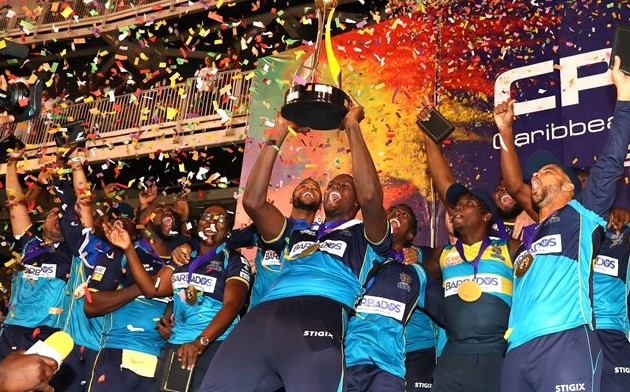
Most CPL Titles: The Caribbean Premier League (CPL), established in 2013, has quickly become one of the most exciting and widely followed T20 leagues in the world. The tournament has seen thrilling cricket, passionate fans, and some of the best T20 players showcase their skills. With the CPL’s growing success, numerous teams have vied for supremacy, but one team stands out in terms of winning the most titles. In this article, we will explore the team with the most CPL titles, their journey through the league, and a breakdown of the CPL’s historical winners. We’ll also dive into some statistics and records to shed light on the team’s dominance in the league. Overview of the CPL Before delving into the team with the most titles, let’s look at the structure of the CPL. The CPL is a franchise-based T20 cricket league held in the West Indies. Each year, teams compete for the coveted CPL Trophy. The tournament typically runs from August to September, and it involves a round-robin group stage followed by knockout rounds. The Team with the Most CPL Titles Trinbago Knight Riders is the team with the most Caribbean Premier League titles. The franchise has been dominant in the league, securing four titles (2015, 2017, 2018, and 2020). Their consistent performances over the years have established them as one of the most successful teams in CPL history. The Trinbago Knight Riders (TKR) are based in Trinidad and Tobago, and they have played an instrumental role in the success of the CPL. The franchise has been led by some of the best players in T20 cricket, including Dwayne Bravo, Kieron Pollard, and Sunil Narine, making them a formidable side in the competition. Let’s take a closer look at the titles won by Trinbago Knight Riders and their achievements: Trinbago Knight Riders: CPL Champions Year Opponent in Final Final Score Captain Key Performers Venue 2015 Barbados Tridents TKR 160/7, BT 94 Dwayne Bravo Dwayne Bravo, Sunil Narine Queen’s Park Oval, Port of Spain 2017 St Kitts and Nevis Patriots TKR 148/7, SKP 135 Dwayne Bravo Sunil Narine, Colin Munro Brian Lara Stadium, Tarouba 2018 Guyana Amazon Warriors TKR 174/3, GA 147/9 Dwayne Bravo Kieron Pollard, Denesh Ramdin Brian Lara Stadium, Tarouba 2020 St Lucia Zouks TKR 154/7, SLZ 154/9 Kieron Pollard Kieron Pollard, Dwayne Bravo The Brian Lara Cricket Academy Trinbago Knight Riders: Key Players and Impact Most CPL Titles: Over the years, Trinbago Knight Riders have been blessed with some of the most dynamic and influential players in the T20 format. Some of the key performers who have played pivotal roles in their success include: 1. Dwayne Bravo (Captain and All-Rounder) One of the most experienced and successful T20 cricketers globally, Dwayne Bravo has been a cornerstone for TKR’s success. His all-round performances—both with the bat and the ball—have been crucial in the team’s title victories. Bravo has also been a leader on the field, motivating his teammates and ensuring they perform under pressure. 2. Sunil Narine (Spin Bowler) The mystery spinner from Trinidad and Tobago, Sunil Narine, has been a key figure for TKR since its inception. Narine’s ability to bowl in the powerplay and take crucial wickets has made him one of the most feared bowlers in the CPL. 3. Kieron Pollard (Captain) A dynamic all-rounder, Kieron Pollard took over the captaincy in 2020, leading the team to another title. Known for his explosive batting and leadership qualities, Pollard has played an instrumental role in the team’s success in recent years. Most CPL Titles: Other Notable CPL Winners Most CPL Titles: While the Trinbago Knight Riders hold the record for the most CPL titles, other teams have also had their share of success in the league. Below is a list of other teams that have won the CPL title, as well as the years in which they won: Team Number of Titles First Title Most Recent Title Trinbago Knight Riders 4 2015 2020 Jamaica Tallawahs 2 2013 2016 Barbados Royals 2 2014 2019 Guyana Amazon Warriors 0 N/A N/A St Kitts and Nevis Patriots 1 2015 2021 St Lucia Zouks 0 N/A N/A Most CPL Titles: Performance of Other CPL Teams Most CPL Titles: Although Trinbago Knight Riders have been dominant, other teams like the Jamaica Tallawahs, Barbados Royals, and St Kitts and Nevis Patriots have also left their mark on the competition. Most CPL Titles: Conclusion Most CPL Titles: The Trinbago Knight Riders remain the most successful team in the history of the Caribbean Premier League, with four titles to their name. Their consistent performances, stellar leadership from players like Dwayne Bravo and Kieron Pollard, and the presence of key match-winners like Sunil Narine have helped them maintain dominance in the CPL. As the CPL continues to grow in stature and popularity, the Trinbago Knight Riders are likely to remain a force to reckon with. Other teams like the Jamaica Tallawahs, Barbados Royals, and St Kitts and Nevis Patriots also contribute to the exciting competition in the league, and fans can look forward to even more thrilling seasons in the future. Welcome to E2Bet, here for you to enjoy playing fun and exciting games:
Lowest Score in BBL History
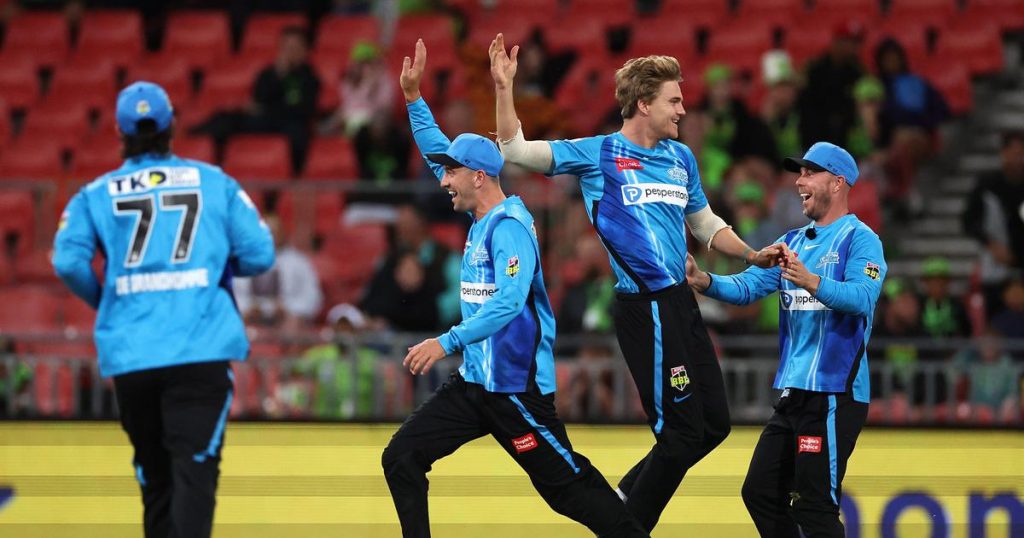
The Big Bash League (BBL), launched in 2011, has become one of the most exciting Twenty20 cricket leagues globally. Known for its fast-paced, high-scoring matches and entertaining cricket, the BBL has produced numerous thrilling moments, including some spectacular batting performances. However, as with any sport, there have also been instances where teams struggled to score, leading to some exceptionally low totals. In this article, we will delve into the lowest score in BBL history, exploring the details of the match, the teams involved, and the circumstances surrounding the underperformance. We will also look at some other notably low scores in BBL history, analyze the key factors that contribute to low totals, and examine the impact such performances can have on teams. The Lowest BBL Score Ever: A Record Set in 2020 The lowest score in BBL history was recorded on December 10, 2020, during a match between the Hobart Hurricanes and the Sydney Thunder at Bellerive Oval in Hobart. The match ended with the Hobart Hurricanes managing to score just 15 runs in their innings, setting a new record for the lowest score in the tournament’s history. Let’s break down the details of this match and how the Hurricanes’ poor performance unfolded. 1. Overview of the Record-Breaking Match The match was part of the 2020-2021 Big Bash League season, and it became infamous for one of the most dramatic collapses in T20 cricket history. The Hurricanes’ innings lasted just 5.5 overs, with their batting line-up being blown away by the Thunder’s bowlers. Key Events of the Match: Table 1: Match Details of the Lowest BBL Score Date Teams Venue Result Total Score Top Scorer (Hobart Hurricanes) December 10, 2020 Hobart Hurricanes vs Sydney Thunder Bellerive Oval, Hobart Sydney Thunder won by 9 wickets Hobart Hurricanes 15 all out Ben McDermott – 4 runs A Closer Look at the Batting Collapse The collapse of Hobart Hurricanes was a result of several factors, including excellent bowling from the Sydney Thunder and a lack of concentration from the batsmen. Here’s a closer look at how the Hurricanes’ batting performance unfolded: The Thunder’s bowlers, led by Daniel Sams and Chris Green, exploited the conditions perfectly. Sams, in particular, was the standout performer, taking four crucial wickets, while Green’s tight bowling kept the pressure on the Hurricanes’ batters. 2. Other Notable Low Scores in BBL History While the Hobart Hurricanes’ 15 remains the lowest score in BBL history, other teams have also suffered heavy batting collapses over the years. Below are some of the other lowest scores in the league’s history: Year Match Teams Involved Total Score Result 2011 Melbourne Renegades vs Sydney Sixers Melbourne Renegades vs Sydney Sixers 57 all out Sydney Sixers won by 7 wickets 2012 Adelaide Strikers vs Perth Scorchers Adelaide Strikers vs Perth Scorchers 70 all out Perth Scorchers won by 50 runs 2013 Brisbane Heat vs Melbourne Renegades Brisbane Heat vs Melbourne Renegades 98 all out Melbourne Renegades won by 4 wickets 2015 Melbourne Stars vs Sydney Thunder Melbourne Stars vs Sydney Thunder 79 all out Sydney Thunder won by 4 wickets 2016 Perth Scorchers vs Brisbane Heat Perth Scorchers vs Brisbane Heat 80 all out Perth Scorchers won by 5 wickets Key Highlights of Other Low Scores: Factors Contributing to Low Scores in the BBL There are several factors that can contribute to low totals in the Big Bash League, some of which include: 1. Exceptional Bowling Performances: 2. Pressure Situations: 3. Inexperienced Batting Line-ups: 4. Pitch Conditions: Impact of Low Scores on Teams and the League Low scores in the BBL can have significant consequences for both the teams involved and the tournament as a whole: Conclusion The lowest score in Big Bash League history, Hobart Hurricanes’ 15 runs in the 2020-2021 season, remains one of the most shocking moments in BBL history. It highlights how a team can sometimes falter, despite the presence of quality players, when faced with exceptional bowling or tough conditions. However, this is just one example of many low scores in the tournament, where bowlers have often dominated and disrupted batting line-ups. As the BBL continues to evolve, teams will undoubtedly strive to avoid such collapses, while fans will continue to cherish the drama and excitement that come with the highs and lows of this thrilling T20 competition. Welcome to E2Bet, here for you to enjoy playing fun and exciting games:
BBL: Structure of a Big Bash League (BBL) Squad

The Big Bash League (BBL) is one of Australia’s premier domestic T20 competitions, and like any major cricket league, it follows a structured approach when it comes to squad formation. The BBL squad consists of a mix of domestic and international players, providing teams with a blend of talent, experience, and power. In this article, we will explore how many players are typically in a BBL squad, the structure of the squad, and the rules governing player selection. This includes the total number of players, the inclusion of international players, the role of the marquee players, and the guidelines surrounding injuries and replacements. How Many Players are in a BBL Squad? The standard number of players in a BBL squad has evolved over time, depending on the league’s regulations and team strategies. As of the 2023-24 season, each team is allowed a maximum of 18 players in their squad. This includes both domestic and international players. Here’s a breakdown of the structure: Category Total Players Total Squad Size 18 Players Domestic Players 12 Players International Players 6 Players Key Guidelines for Squad Composition The BBL squad composition is governed by several key rules, which aim to maintain a balance of domestic and international players and ensure that the league showcases the best of Australian talent, while also allowing international stars to participate. 1. Domestic Players (12 Players) 2. International Players (6 Players) 3. Marquee Players 4. Injury and Replacement Players Table: BBL Squad Structure Overview Category Domestic Players International Players Total Players Number Allowed 12 6 18 Max. in Playing XI 11 3 (International) 11 Marquee Players 1-2 (Domestic or International) 1-2 (International) 1-2 per team Replacement Players Available as needed Available as needed As needed Additional Squad Considerations Changes and Flexibility in Squad Regulations While the squad structure remains relatively constant, the BBL is known for evolving its rules based on feedback and the changing landscape of T20 cricket. The number of international players allowed per team has fluctuated in the past, and changes to marquee player status have been made to further enhance the league’s appeal. Additionally, the introduction of more emerging players and the implementation of the player draft in recent seasons have ensured that the league continues to innovate and improve. Conclusion The BBL squad structure allows for a competitive blend of domestic and international players, ensuring teams are diverse in terms of talent, experience, and global appeal. Teams are allowed a maximum of 18 players, with 12 domestic players and 6 international players, providing a dynamic mix for each franchise to choose from. The introduction of marquee players, flexible injury replacements, and evolving squad rules contributes to the overall growth and excitement of the competition. Welcome to E2Bet, here for you to enjoy playing fun and exciting games:
Highest T20I Batting Averages (Minimum of 1000 Runs)
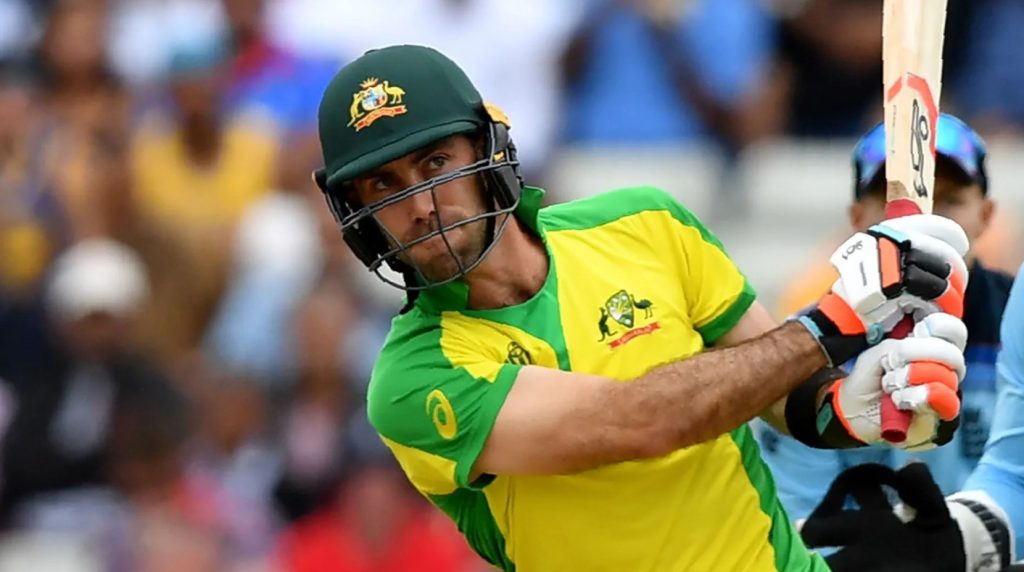
Highest T20I Batting Averages: T20 International (T20I) cricket has transformed the way the game is played, with aggressive batting and entertainment at the core. Unlike the longer formats, T20I cricket demands quick, explosive innings with little room for failure. A player’s batting average in this format is a reflection of their consistency and ability to score runs while facing the constant pressure of limited overs. A batting average in T20I cricket is calculated similarly to other formats: it’s the total number of runs scored divided by the number of times a player has been dismissed. In T20I cricket, maintaining a high average while playing the fast-paced game is a sign of exceptional skill and temperament. In this article, we will explore the highest batting averages in T20I cricket, focusing on players who have scored at least 1,000 runs, a minimum benchmark that indicates both longevity and consistent performance in the format. Let’s dive into the top players who have excelled in T20I cricket, not just with their flamboyant shots but also through consistency. Highest T20I Batting Averages: Understanding T20I Batting Average Highest T20I Batting Averages: In T20I cricket, the batting average is a key statistic for assessing a player’s efficiency and consistency. The format, characterized by its aggressive nature and quick-paced innings, means that players must score rapidly while minimizing their dismissals. A high average in T20Is suggests that a batsman can maintain an impressive level of performance across various conditions and match situations. Given the volatility of T20 cricket, a batting average of above 40 is considered exceptional, with only the very best players managing to maintain such high standards. Highest T20I Batting Averages: The Best T20I Batting Averages (1000+ Runs) Here is a list of the top players with the highest batting averages in T20I cricket, having scored a minimum of 1000 runs (as of December 2024). These players have excelled in the shortest format of the game, combining flair and consistency. Rank Player Name Matches Innings Runs Average Strike Rate 100s 50s 1 Suresh Raina 226 203 1605 39.58 134.87 1 10 2 Virat Kohli 115 103 3773 52.65 138.24 1 37 3 Babar Azam 74 73 3180 49.69 130.41 2 30 4 Jos Buttler 88 85 1998 38.70 142.40 1 16 5 Martin Guptill 120 111 3497 33.46 131.91 2 20 6 Mohammad Rizwan 80 78 2487 44.45 134.89 1 23 7 Kane Williamson 76 75 2282 40.03 130.92 1 21 8 Glenn Maxwell 85 81 2172 33.65 152.26 1 11 9 Shikhar Dhawan 80 77 1765 33.73 126.77 1 14 10 David Warner 91 86 2890 31.89 142.71 3 23 1. Suresh Raina: The Backbone of India’s Middle Order Highest T20I Batting Averages: Suresh Raina, known for his aggressive stroke play and key contributions in India’s middle order, has been one of the best T20I players over the years. With a career average of 39.58, he is one of the most successful Indian players in T20I cricket. Though he didn’t hit many centuries, his 10 half-centuries played an instrumental role in building partnerships and providing stability to the Indian batting line-up. Raina’s strike rate of 134.87 is also an indication of his attacking style, especially in the middle overs of T20 matches. 2. Virat Kohli: The Consistent Master Highest T20I Batting Averages: Virat Kohli is arguably one of the finest modern-day cricketers, and his success in T20Is is no different. With an impressive batting average of 52.65, Kohli is one of the most consistent T20I batsmen, having scored over 3,700 runs in just 115 matches. His ability to chase down targets and anchor innings has set him apart from many of his contemporaries. Kohli has also maintained an astonishing strike rate of 138.24, showcasing his balance between consistency and aggression. 3. Babar Azam: Pakistan’s T20I Prodigy Highest T20I Batting Averages: Babar Azam, the captain of Pakistan, has emerged as one of the top batsmen in world cricket across all formats. His T20I batting average of 49.69 is among the highest for players with more than 1000 runs. With over 3,000 runs in T20Is, including 2 centuries and 30 half-centuries, Babar’s technique, timing, and composure make him a standout player in the shortest format. His strike rate of 130.41 is reflective of his ability to play aggressive yet controlled cricket. 4. Jos Buttler: The Explosive English Finisher Highest T20I Batting Averages: Jos Buttler is one of the most destructive T20I batsmen in the world. While his batting average of 38.70 might seem slightly lower compared to others on this list, his strike rate of 142.40 tells the story of his explosive batting. Buttler’s ability to finish matches, especially in the death overs, has made him an invaluable asset for England. He has accumulated over 1,900 runs in 88 T20Is, with several match-winning performances. 5. Martin Guptill: New Zealand’s T20I Powerhouse Highest T20I Batting Averages: Martin Guptill is one of the most reliable opening batsmen in T20I cricket. With a career average of 33.46, Guptill has scored 3,497 runs in 120 matches, making him one of the highest run-scorers in T20I cricket. Guptill has also been known for his record-breaking performances in ICC tournaments and his ability to hit big shots under pressure. His consistency at the top of the order, combined with his powerful hitting, makes him a key figure in New Zealand’s T20I team. 6. Mohammad Rizwan: Pakistan’s Rising Star Highest T20I Batting Averages: Mohammad Rizwan has made a name for himself as one of the most consistent T20I batsmen in recent years. With an average of 44.45 and over 2,400 runs in 80 matches, Rizwan has proven his ability to perform under pressure. His steady accumulation of runs, combined with a strike rate of 134.89, has been vital for Pakistan’s success in T20 cricket. Rizwan’s ability to anchor innings and accelerate when required has made him one of the most promising talents in world T20 cricket. 7. Kane Williamson: The Elegant Captain Highest T20I Batting Averages: Kane Williamson, known for his calm demeanor
Michael Bevan: The Cricketer with a Very Good Batting Average but Not So Many Centuries
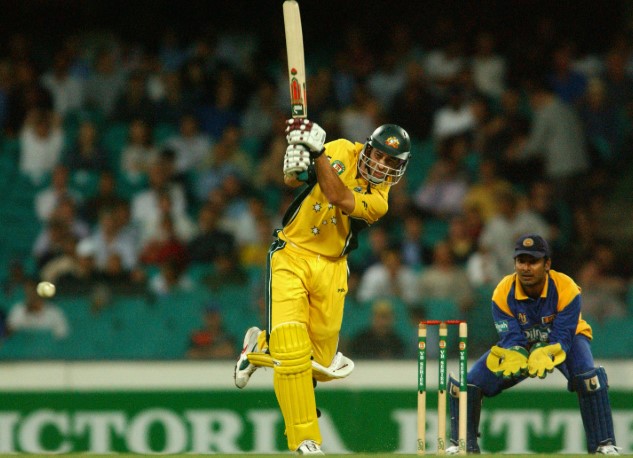
Michael Bevan: In the world of cricket, players are often compared based on a number of statistics such as batting averages, centuries, and match-winning contributions. Among these statistics, the batting average is one of the most significant indicators of a batsman’s consistency and ability to perform at the highest level. A player with a very good batting average can be seen as someone who consistently scores runs, but this doesn’t necessarily mean they have a high number of centuries to their name. One such player is Michael Bevan, the former Australian cricketer who is widely regarded as one of the finest finishers in One-Day International (ODI) cricket. Bevan’s ability to score runs consistently, despite not having a huge number of centuries, makes him a fascinating case study in the history of cricket. Michael Bevan: Consistency Over Centuries Michael Bevan: Michael Bevan, who played for Australia between 1994 and 2004, is best known for his role as a middle-order batsman and his remarkable ability to finish matches, particularly in ODIs. While his career didn’t see him amass a large number of centuries, his batting average is one of the best in ODI history, a testament to his ability to churn out runs consistently over his career. Career Overview: Bevan’s career batting average of 53.58 in ODIs is one of the best among cricketers with significant career runs. However, what stands out about Bevan’s career is the contrast between his excellent batting average and his relatively low number of centuries. He scored just six centuries in 232 matches, which is notably fewer than other players with similar averages. Why Bevan Had Fewer Centuries There are several reasons why Bevan’s centuries tally remained low despite his excellent batting average: Bevan’s Key ODI Contributions Michael Bevan: Even though Bevan’s centuries were few, his consistency and ability to handle pressure in the middle overs helped Australia to win numerous matches. He was particularly noted for his calmness in chasing difficult targets, and his partnerships with other lower-order batsmen often saw Australia through in tight situations. Year Opponent Runs Scored Match Result Details 1997 New Zealand 105* Australia won Bevan’s century guided Australia in a successful chase 2000 South Africa 50* Australia won A vital match-winning performance at number 6 2003 India 85* Australia won A match-winning knock in a high-pressure chase 2002 England 92 Australia won Bevan’s 92 helped Australia reach a challenging target 1999 Pakistan 56* Australia won Anchored the chase with an unbeaten knock 2001 Sri Lanka 57* Australia won Played an important knock in a tight chase Comparing Bevan’s Batting Average with Centuries Michael Bevan: To better understand the contrast between Bevan’s batting average and his lack of centuries, we can compare his numbers with other prominent cricketers who have similar career averages but significantly more centuries. For example, players like Shane Watson and Younis Khan both had batting averages in the 40s but scored far more centuries than Bevan. Player Matches Played Runs Scored Batting Average Centuries Half-Centuries Michael Bevan 232 6,912 53.58 6 43 Shane Watson 190 5,759 40.54 9 40 Younis Khan 265 10,099 52.05 34 33 Darren Bravo 40 2,581 47.75 3 19 Ian Bell 161 5,416 42.69 7 30 As shown in the table, Michael Bevan’s batting average of 53.58 is exceptional, but his six centuries are relatively low when compared to cricketers who have averages in the 40s but have scored a significantly higher number of centuries. Despite not having many centuries, Bevan’s ability to perform under pressure and his remarkable consistency in scoring runs make him one of the finest middle-order batsmen in ODI cricket history. The Importance of Bevan’s Contribution Michael Bevan’s contributions to Australian cricket cannot be understated. He was often the calm in the storm, especially when chasing big totals or when wickets fell at regular intervals. His cool-headedness and ability to build partnerships in tight situations were vital for Australia’s success during the late 1990s and early 2000s. His batting style might not have led to a large number of centuries, but he was the backbone of Australia’s middle order, providing stability and composure when it was needed the most. A Legacy of Stability: Bevan’s legacy lies in his consistency rather than his big scores. In many ways, he demonstrated the value of being a dependable player who can contribute to match-winning partnerships and ensure the team stays afloat during difficult times. As a middle-order batsman, his primary role was often to anchor the innings, which naturally resulted in fewer centuries, but many vital, match-winning contributions. Conclusion While cricketers with higher centuries might often grab the headlines, players like Michael Bevan serve as a reminder that consistency is equally, if not more, important in a cricketer’s career. Bevan’s impressive batting average of 53.58, coupled with his relatively low number of centuries, highlights his exceptional ability to score runs regularly without necessarily going for big hundreds. His role as a finisher and the calm presence he brought to Australia’s middle order was crucial in many of their victories. Therefore, Bevan’s story is a perfect example of a cricketer who contributed immensely to his team’s success, despite not having the centuries tally typically associated with greats of the game. Welcome to E2Bet, here for you to enjoy playing fun and exciting games:
England: India’s Last Test Match Win Against England
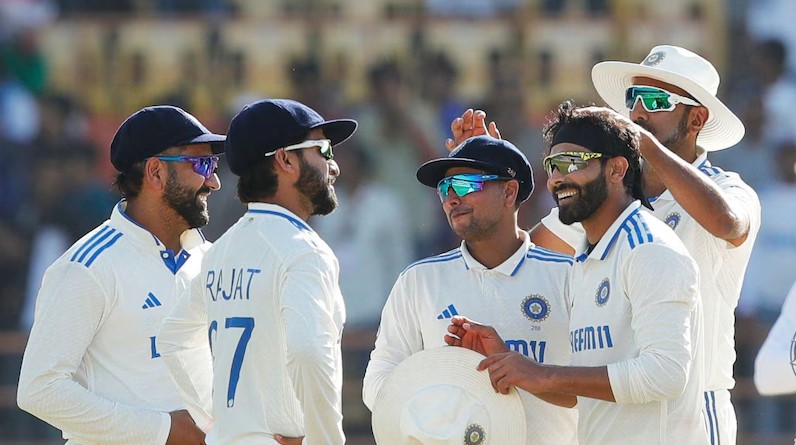
India’s cricketing rivalry with England is one of the oldest and most fiercely contested in international cricket. Over the years, the two nations have faced off in countless memorable Test matches. However, India’s most recent Test win against England was a historic one, and it took place during the 2021 series, which also marked India’s triumph in England after 14 years. The Context: India’s Last Test Series Win in England (2021) India’s victory in the 2021 Test series in England was part of the ICC World Test Championship 2019-21, and it was the culmination of a historic tour that saw India register their first Test series win in England since 2007. This victory was a major milestone for Indian cricket, as it not only demonstrated their growing prowess in foreign conditions but also showed their resilience and adaptability in challenging English conditions. The 5-Match Test Series: India vs. England (2021) The series was played from August 4 to September 14, 2021, with the final match being held at Old Trafford, Manchester. The series comprised five Test matches, and it was characterized by fluctuating fortunes, dramatic twists, and individual brilliance from both teams. India won the series 2-1, with the final match being a rain-affected draw, which allowed India to seal their historic series win with one match to spare. The victory was significant because, before this, India had not won a Test series in England since 2007, when Rahul Dravid led India to a 1-0 victory in the three-match series. Detailed Overview of the 2021 Series Let’s take a closer look at the matches in the 2021 series and highlight India’s most recent win in that context. Match Date Venue Result India’s Key Performers England’s Key Performers 1st Test August 4-8, 2021 Trent Bridge, Nottingham Draw KL Rahul (84, 26), Rishabh Pant (25) Rory Burns (132), Joe Root (64) 2nd Test August 12-16, 2021 Lord’s Cricket Ground, London India won by 151 runs KL Rahul (129), Mohammed Siraj (4/32) Joe Root (180), James Anderson (3/30) 3rd Test August 25-29, 2021 Headingley, Leeds England won by an innings and 76 runs Ajinkya Rahane (61) Joe Root (121), Craig Overton (3/14) 4th Test September 2-6, 2021 The Oval, London India won by 157 runs Rishabh Pant (125), Shardul Thakur (60, 3/64) Joe Root (36), Ollie Pope (81) 5th Test September 10-14, 2021 Old Trafford, Manchester Draw Shubman Gill (50), Ajinkya Rahane (61) Joe Root (56), Ollie Robinson (3/42) Key Highlights of India’s Victory in the 2021 Series 1. India’s Win at Lord’s: A Historic Triumph (2nd Test) The second Test match at Lord’s was a landmark win for India. India secured a memorable victory by 151 runs, taking a 1-0 lead in the series. The match was particularly remarkable because of India’s spirited fightback after a shaky start in the first innings. 2. The Oval Victory: India Takes Unassailable Lead (4th Test) The 4th Test at The Oval was another historic win for India. India defeated England by 157 runs, which gave them an unassailable 2-1 lead in the series. The match was notable for several key performances: With this victory, India secured the series with a 2-1 lead, and the final match at Old Trafford was rendered inconsequential in terms of the series outcome, though it was still an exciting draw. The Last Test Match: The Draw at Old Trafford (5th Test) The 5th Test at Old Trafford, Manchester, was scheduled to be the decider, but due to rain and weather disruptions, the match ended in a draw. Despite not winning the match, India had already sealed their historic series win with the 2-1 lead. Key Performances in the Final Test Match: India’s series win was confirmed, and they took home the Pataudi Trophy after 14 long years. Impact of the 2021 Series on India’s Cricketing History India’s win in England in 2021 was a game-changer. The victory marked the end of an era of inconsistency in England and confirmed India’s status as one of the premier Test teams in the world. India’s resilience, tactical brilliance, and the team’s depth in both batting and bowling were the driving forces behind their series win. It was a complete team effort, with each player contributing to the series victory. Series Stats: India vs. England, 2021 Match Venue India’s Runs England’s Runs India’s Key Players England’s Key Players 1st Test Trent Bridge, Nottingham 278 (1st innings) 183 (1st innings) KL Rahul (84), Pant (25) Joe Root (64) 2nd Test Lord’s, London 364 (1st innings) 119 (2nd innings) KL Rahul (129), Mohammed Siraj (4/32) Joe Root (180) 3rd Test Headingley, Leeds 78 (2nd innings) 432 (1st innings) Ajinkya Rahane (61) Joe Root (121) 4th Test The Oval, London 466 (1st innings) 210 (2nd innings) Rishabh Pant (125), Shardul Thakur (60 & 3/64) Ollie Pope (81) 5th Test Old Trafford, Manchester India: 0 (Draw) England: 0 (Draw) Shubman Gill (50), Ajinkya Rahane (61) Joe Root (56) Conclusion India’s 2021 Test series win against England is etched in the annals of Indian cricket history. It was not only a landmark achievement because of the 14-year wait but also because it showed the growing dominance of Indian cricket on foreign soil. With the right combination of youth and experience, India displayed remarkable consistency and skill, outclassing England in their own backyard. This win was a testament to India’s evolving cricketing culture and their ability to thrive in the toughest conditions. The 2021 victory will be remembered as one of India’s finest moments in Test cricket history. Welcome to E2Bet, here for you to enjoy playing fun and exciting games:
First Cricket Match in the World: A Historical Overview
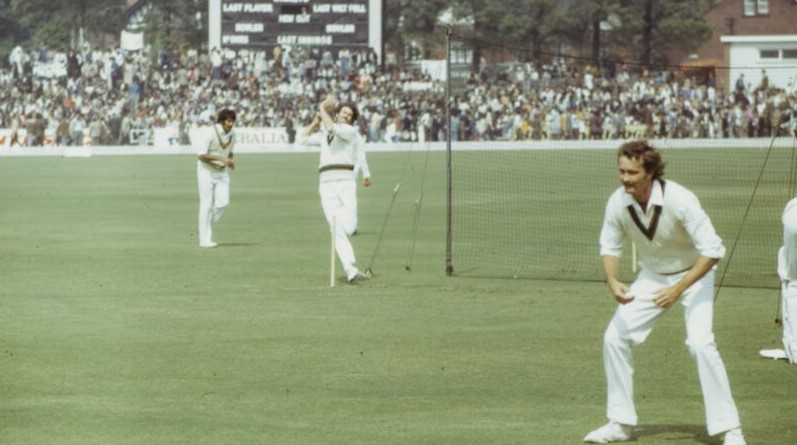
First Cricket Match: Cricket, often regarded as one of the oldest team sports in the world, has a rich and storied history. The origins of cricket date back to the 16th century in England, but it was not until the 19th century that the sport truly began to formalize and spread to other parts of the world. The first official international cricket match, however, was played between England and Australia in 1877, a landmark event that marked the beginning of international cricket as we know it today. This article explores the historical context of the first-ever international cricket match, the teams involved, the format of the game, and its significance in shaping the future of cricket. The Birth of International Cricket First Cricket Match: The history of cricket can be traced back to the 16th century in England, where the game was played informally in villages. It wasn’t until the 18th century that the sport began to gain popularity and evolve into a more organized and structured form. By the mid-19th century, the sport had spread beyond England’s borders, particularly to countries within the British Empire. Australia, which had begun playing cricket with England’s settlers in the early 1800s, quickly developed a strong cricketing culture. England and Australia were rivals in many sports, but cricket was one of the first to formalize into an international contest. Key Developments Leading to the First Match The First Cricket Match: England vs Australia in 1877 First Cricket Match: The first official international cricket match, also known as a “Test match,” took place at the Melbourne Cricket Ground (MCG) in Australia from March 15 to 19, 1877. The match was played between England and Australia, and is often referred to as the first Ashes series because it marked the beginning of the rivalry between the two nations that continues to this day. Key Details of the 1877 Match Match Date March 15–19, 1877 Teams England vs. Australia Venue Melbourne Cricket Ground (MCG) Format Test Match (First-ever Test) Result Australia won by 45 runs Match Highlights: Team Line-ups: England Australia 1. James Lillywhite (C) 1. Dave Gregory (C) 2. Allen Hill 2. Charles Bannerman 3. Fred Theobald 3. Billy Murdoch 4. George Tarrant 4. Tom Horan 5. Frank Horan 5. Harry Boyle 6. Richard Daft 6. W. L. Murdoch 7. Edmund Mynn 7. James Southerton 8. John Selby 8. Hugh Massie 9. Thomas Emmett 9. Fred “Ferd” Wilks 10. William Hillyer 10. Jack Blackham 11. Alfred Shaw 11. Ted Peate Scoring and Result: First Cricket Match: Australia won by 45 runs, taking their first Test match victory. This match also marked the first century in Test cricket, with Charles Bannerman becoming the first player to score 100 runs in a Test match. Significance of the Match First Cricket Match: The match between England and Australia in 1877 holds immense significance in the history of cricket for several reasons: Evolution of International Cricket Since 1877 First Cricket Match: Since the first Test match between England and Australia in 1877, the sport of cricket has seen tremendous evolution. The introduction of other formats, such as One Day Internationals (ODIs) and Twenty20 (T20) cricket, has allowed for a broader global expansion. Conclusion First Cricket Match: The first cricket match between England and Australia in 1877 was more than just a game; it was the dawn of international cricket and set the stage for the development of the sport into what it is today. The match not only introduced the world to Test cricket but also initiated one of the most iconic rivalries in sports history—the Ashes series. Today, the game has evolved into a global phenomenon with millions of fans worldwide. However, the significance of that first match at the Melbourne Cricket Ground will always remain a pivotal moment in cricket history, symbolizing the birth of the sport as a global competition. The Journey of Cricket from 1877 to Today Year Key Event Significance 1877 First-ever Test Match: England vs. Australia Birth of international cricket and Test format. 1882 The Ashes series begins after Australia’s victory. Creation of the iconic Ashes rivalry. 1909 Formation of the Imperial Cricket Conference Establishment of the governing body for world cricket. 1975 First-ever ODI World Cup Introduction of One-Day International cricket. 2003 Introduction of T20 cricket Revolutionized the game, bringing fast-paced formats. 2019 The 2019 ICC Cricket World Cup Final (England vs. New Zealand) One of the most thrilling cricket matches in history. Welcome to E2Bet, here for you to enjoy playing fun and exciting games:
India’s First World Cup Win in Cricket: A Historic Triumph
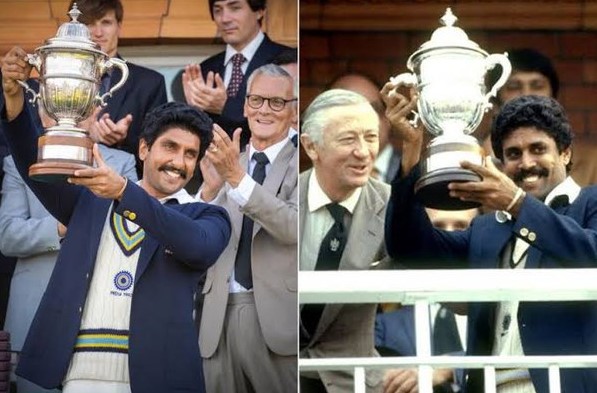
First World Cup: India’s first World Cup win in cricket is one of the most iconic moments in the history of the sport. The victory in 1983 marked a turning point in Indian cricket, transforming the game from a regional pastime into a global phenomenon. Under the leadership of Kapil Dev, India achieved what seemed almost impossible at the time: winning the prestigious ICC Cricket World Cup. This article delves into the details of India’s historic 1983 World Cup win, highlighting the key moments, players, and the impact the victory had on Indian cricket. Background: The 1983 Cricket World Cup First World Cup: The 1983 Cricket World Cup was the third edition of the tournament, held in England from June 9 to June 25, 1983. The competition had already established itself as the premier event in world cricket, with the West Indies dominating the previous two editions (1975 and 1979). The 1983 World Cup featured 8 teams, and while India was not considered one of the favorites, the team surprised the world with its remarkable performance. India’s journey to the World Cup final was filled with challenges, but the team displayed resilience, determination, and a never-give-up attitude, which ultimately led to their triumph. The Build-Up: India’s Performance in the 1983 World Cup First World Cup: India was placed in Group B alongside teams like the West Indies, Australia, Zimbabwe, and the New Zealand. While the team wasn’t the favorite to win the tournament, a few standout performances helped India make it to the final. Key Matches Leading to the Final Date Opponent Result Key Performance June 9, 1983 West Indies Lost by 34 runs India struggled in a low-scoring game, but the West Indies showed their dominance. June 11, 1983 Zimbabwe Won by 5 wickets Mohinder Amarnath’s all-round performance helped India secure a narrow win. June 14, 1983 Australia Won by 118 runs A brilliant century by Yashpal Sharma and an all-round performance set up a big win for India. June 18, 1983 New Zealand Won by 4 wickets A hard-fought victory, with a solid 48 from Sandeep Patil anchoring the chase. June 21, 1983 England Won by 35 runs A pivotal match that gave India a spot in the semifinals, thanks to superb bowling performances. India finished the group stage with 3 wins and 2 losses, which was enough to secure a place in the semifinals. Their performance in the group stages showcased their ability to compete with the best teams, especially with strong individual performances and a committed team spirit. The Semifinal: India vs. England First World Cup: India’s semifinal against England, played at Old Trafford, Manchester, was another crucial match that showcased India’s resolve. After being put in to bat, India was restricted to just 183 runs. However, the bowlers, led by Mohinder Amarnath and the fiery Kapil Dev, restricted England to 146, thus securing a remarkable 35-run victory. This victory ensured India’s place in the final, where they would face the mighty West Indies. India’s Key Performers in the Semifinal Player Batting Performance Bowling Performance Mohinder Amarnath Scored 26 runs (not out) Took 3 wickets for 12 runs Kapil Dev Did not bat (due to a collapse) Took 1 wicket for 31 runs Roger Binny Scored 22 runs Took 2 wickets for 35 runs The Final: India vs. West Indies First World Cup: The 1983 World Cup Final was played on June 25, 1983, at Lord’s Cricket Ground in London. India faced the two-time defending champions, the West Indies, who were led by Clive Lloyd. The West Indies were heavily favored to win, with a strong team that included players like Vivian Richards, Gordon Greenidge, and Michael Holding. The Match Summary First World Cup: India, led by Kapil Dev, won the toss and chose to bat first. The team struggled with the bat, facing a relentless West Indian bowling attack. India was bowled out for just 183 runs in 54.4 overs. The highest score for India came from Mohinder Amarnath, who contributed 26 runs. The team’s batting was fragile, but they had hope in their bowlers, who had been performing well throughout the tournament. Indian Batsman Runs Balls Faced Fours Sunil Gavaskar 1 8 0 Krishnamachari Srikkanth 38 57 3 Mohinder Amarnath 26 47 1 Kapil Dev 15 23 1 Yashpal Sharma 11 24 1 With a modest total on the board, India’s hopes rested on its bowlers. In response, the West Indies’ chase started off on a shaky note. The Indian bowlers, led by Mohinder Amarnath, had the West Indies struggling throughout their innings. First World Cup: Amarnath played a key role with the ball, taking 3 wickets for 12 runs in a match-winning performance. Kapil Dev, who had been a crucial all-rounder throughout the tournament, also chipped in with an important breakthrough. The West Indies, led by their star player Vivian Richards, failed to find the rhythm required to chase the total. The Indian bowlers kept their nerves and managed to bowl out the West Indies for just 140 runs, securing a stunning victory by 43 runs. Final Match Summary Team Runs Overs Result India 183 54.4 Won by 43 runs West Indies 140 52 – Key Performers in the Final Player Batting Performance Bowling Performance Mohinder Amarnath Scored 26 runs Took 3 wickets for 12 runs Kapil Dev Scored 15 runs Took 1 wicket for 35 runs Madan Lal Did not bat Took 3 wickets for 31 runs Sandeep Patil Scored 27 runs Took 1 wicket for 6 runs The Aftermath: Impact of India’s First World Cup Victory First World Cup: India’s triumph in the 1983 World Cup had far-reaching effects on the country and its cricketing landscape. The victory not only boosted the confidence of Indian cricketers but also ignited a new passion for the sport across the nation. People from all walks of life celebrated the win, and the image of Kapil Dev lifting the World Cup trophy became an indelible part of Indian sports history. First World Cup: Key