

How Much Do England Cricketers Get Paid?
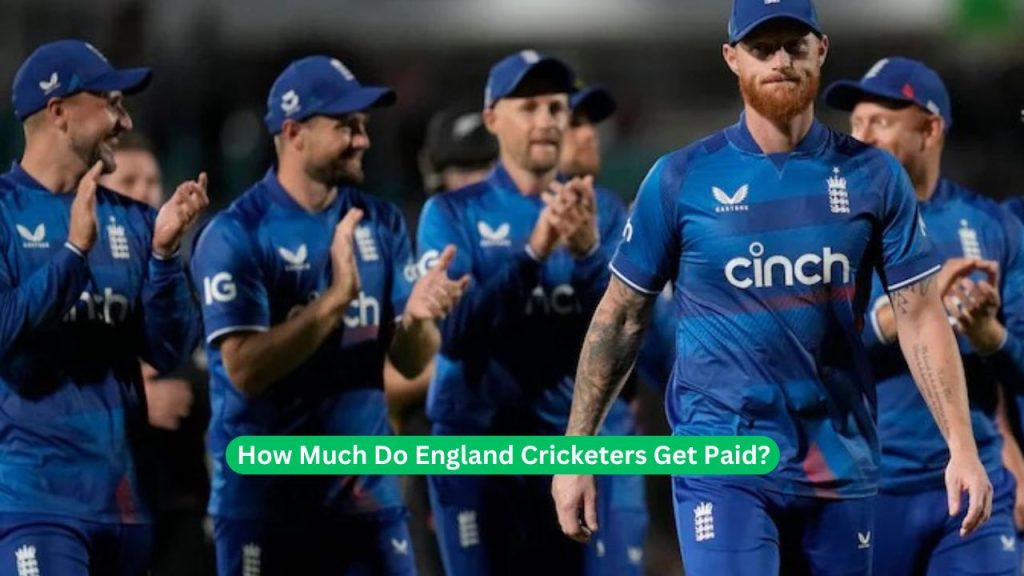
How Much Do England Cricketers Get Paid: Cricket is probably one of the highest paying sport of the world because of its wide audience throughout the different parts of the world. Therefore, the players who represents their respective countries in international cricket also enjoys a pretty good amount of salaries from their cricket board. The founding nation of cricket, England is stands on 3rd place in terms of providing highest salary to England cricket players. However, the terrible back to back failures of England’s white ball cricket in 2015 and 2016 t20 world cup made them to change their white ball and red ball cricket team separately. Therefore, let’s talk about how much do England cricketers get paid both in white ball and red ball format. England Cricket Players Salary In Test The salary of any player essentially depends on his performance and level of experience in the team. Players like Smith, Virat, Root, and many more big players are usually falls in the category of highest earned players because of their continuous performance for their respective countries. Coming on to the salary of England cricket players in test cricket, which is 70,00,00 Euros annually for the players who has the ECB central test contract it includes some prominent players of England like Ben Stokes, Joss Buttler, Joe Root, James Anderson, Stuart Boards any many more. Moreover, the per match salary for a test match is 1,65,40 Euros as it is the longest format of the cricket. The annual salary of English cricket player major depends on the number of matches he plays for his country every year. Furthermore, All the international cricket player of England are divided into three types of central contracts based on their performance and to manage the workload of the players. One Year – Central Contract Two Year – Central Contract Three Year – Central Contract How Much Do England Cricketers Get Paid In ODI And T20I Cricket Now moving towards the white ball cricket which includes both One day international and T20I format. England’s white ball cricket team consists some of the most entertaining and destructive batters like Buttler, Livingstone, Bairstow, Stokes etc. If a England cricketer plays a ODI or T20 game, he earns 5100 Euros per match whereas, players who are sitting in the dugout or not in the playing 11 earns half of 5100 Euros, which is 2550 Euros for every white ball match. The numbers might vary a bit from every year’s new contract but essentially the following are the salaries of English player in white ball cricket. Moreover, there are many England cricket players who plays the couple of league tournaments of the world like IPL, PSL, and BBL in a year apart from their national duty matches, therefore we can also consider the salary they get from by playing league matches are the additional. Top 5 England Cricket Player With Highest Salaries 1) Ben Stokes – $3.36 Million Not only England but also one of the best all-rounder in world, Ben Stokes have been one of the most essential player in White and Red ball cricket for England from years. Therefore, the overall impact and value he provides to the team makes him the top paid English cricket player with the annual salary of $3.36 Million dollars. The reason behind the Ben Stokes top paid cricketer of England is the impact of his all-round performance and some of the biggest clutch innings which he has delivered for his nation. The Headingley inning of 135* runs against Australia in Ashes, 2019 CWC Final knock, and 2022 T20 WC final inning are enough to explain why he deserves to be highest earning cricketer of England. 2) Jos Buttler -$2.60 Million Wicket-keeper batsman, Joss Buttler essentially knows for his destructive batting display not only in white ball but also in test cricket when it requires. He is actively the part of ECB’s Test central and White ball contract, therefore the annual salary of Jos Buttler is $2.60 million dollars which is the second most after Ben Stokes in whole England cricket squad. However after becoming the England’s white ball captain, Jos Butttler is not regularly playing the test format for his nation in order to manage the workload. Apart from national duty, he is one of the main player for IPL franchise named Rajasthan Royals where he enjoys a massive payout which adds in his overall salary. 3) Jofra Archer – $2.56 Million Every batsman would love to avoid the bouncers of Jofra Archer as he can click the speed of 90-93 MPH effortlessly. Jofra played key role and emerge as England’s main fast bowler in the 2019 Ashes where he put the players like Warner and Steve Smith on back foot with his lethal hard length bowling. The yearly salary of Jofra Archer is $2.56 Million Dollars with Test central and White ball contract which makes him the most earned earned bowler of England. However, Jofra Archer is going through some injury concerns from last 1 and half year that’s the reason behind his exclusion in ongoing ODI world cup 2023. Likewise every other England player, Jofra is also the part of IPL Franchise Mumbai Indians with the annual contract of $80 Million dollars to play along with Indian fast bowler Jasprit Bumrah as a deadly combo for opponents. 4) Jonny Bairstow – $1.88 Million England’s prominent opener in white ball cricket and middle order batter in test cricket, Jonny Bairstow has been exceptional in his role by managing the different batting position and play style according to the format of the game. As a essential and main opening batsman, he gets the annual salary of $1.88 million dollars from his both test central and white ball game contract by ECB. Being a 4th highest paid cricketer of England, Jonny Bairstow always looks up to provide his value by giving a magnificent start in ODI and T20I’s whereas in test cricket he plays in middle order where his main
How much does an Indian domestic cricketer earn?
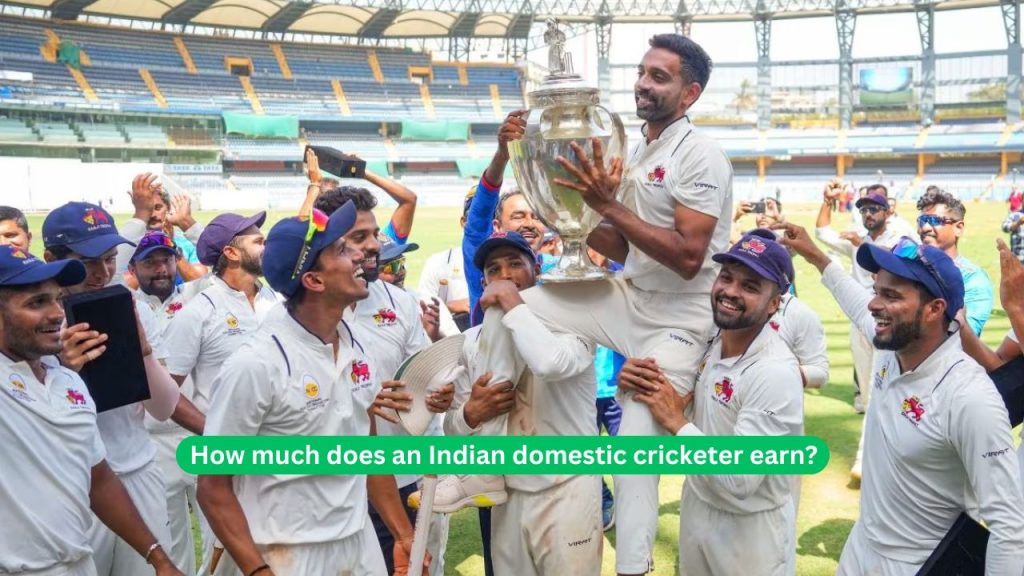
How much does an Indian domestic cricketer earn: The 2021 revision in the pay structure came as a source of many smiles – a long overdue that was overlooked multiple times in dispute BCCI racking up the coffers with billions of dollars. According to the salary revision, since the 2021-22 season, Ranji cricketers, who have played more than 40 matches, are receiving ₹60,000 per day, while those who have played 21 to 40 matches are paid ₹50,000. Players with experience less than that are entitled to a remuneration of ₹40,000 per day. Then how was that different from the previous one? Between 2016 to 2020, a senior domestic cricketer used to earn INR 1,40,000 from a four-day Ranji Trophy game if he was in the playing XI and exactly half the amount if on the bench. This structure was brought forward by the Vinod Rai-led Committee of Administrators, and players were given a hike of 250% from the previous match-fees model that was in operation for 10 years between 2007 to 2016. The 2021 model, introduced by the BCCI, was designed as an equitable force with players with 40-plus caps to their name standing to gain a 71% hike and players with less than 20 games on their resume gaining a 14.28% raise. Once players bag 20 caps, they will receive 50,000 rupees per day before jumping to the next bracket. Where do women’s cricketers stand? Last year, the BCCI decided to bring the equal pay policy for all the women’s international matches, who now, like the men, earn 15 lakh for a Test, 6 lakh for an ODI, and 3 lakh for a T20I. Earlier, players used to make a flat INR 1 lakh for an ODI or T20I appearance and 2.5 lakhs for a Test match. However, the stories of the women’s domestic cricketers are contrastingly different. After the 2021 revision, senior women’s players are now paid ₹20,000 per match instead of ₹12,500 earlier for a domestic one-day game. Given there is no first-class women’s competition in India, the overall income of a domestic women’s cricketer in a year is approximately similar to what a men’s first-class cricketer would earn in a match and a half. That doesn’t paint a rosy picture, does it? Age-group cricketers smile The revision brought smiles to the faces of budding cricketers because it meant men’s Under-23 players now earning 25,000 rupees per day from 17,500 earlier, whereas Under-19s in the playing XIs getting 20,000 rupees per day. The youngest members in the system – the under-16 players – are now securing 7000 rupees per day. This structure is applicable only for players in the playing XIs, with the reserve players receiving the 50% of match fees. For the women’s age-group category – irrespective of the age group – players will get 10,000 rupees per day, with the reserves earning 5000 rupees. E2Bet : Welcome! Join Us for Non-Stop Betting Action!
List of Indian cricketers to play 100 or more matches in test cricket
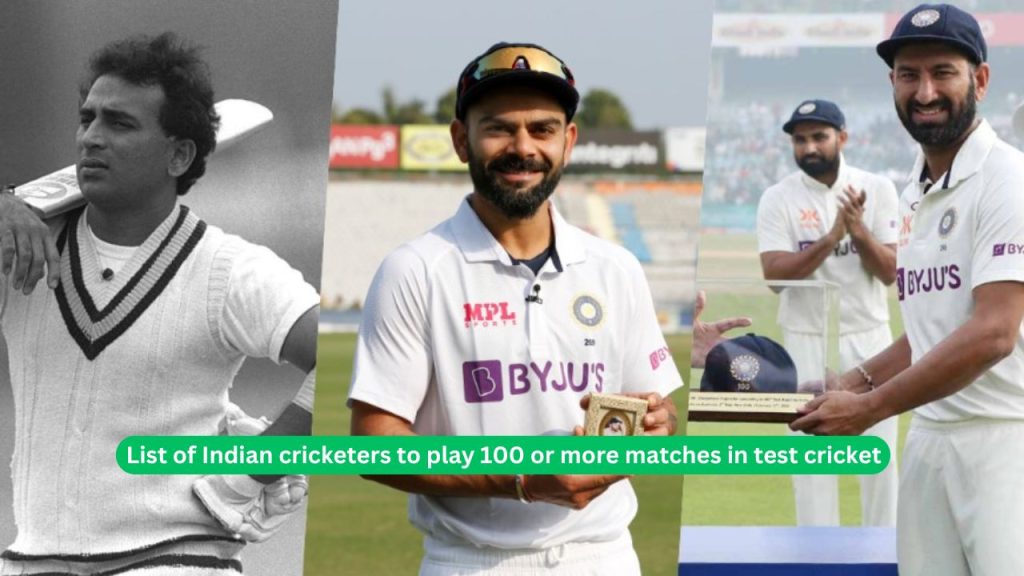
Indian cricketers to play 100 matches in test cricket: Indian legendary cricketer Sachin Tendulkar is the only cricketer in the world to have played 200 test matches. While every cricketer dreams to represent their national side in test cricket, only talented ones backed with some luck get that golden opportunity and among them, only a few play more than 100 test matches. There are number of cricketers who went on to represent their country in more than 100 test matches. For India, the list includes a few big names who have played more than 100 test matches. Former Indian opener Sunil Gavaskar was the first Indian cricketer to play 100 or more matches in test cricket. Since then, 12 more have played 100 or more tests for India. On that note, let’s have a look at the Indian cricketers to have played 100 or more matches in test cricket. Here are the Indian cricketers to have played 100 or more matches in test cricket: Sunil Gavaskar: Former Indian opener Sunil Gavaskar was the first player to play 100 test matches for India. Sunil Gavaskar began his cricketing career at the age of 22 and went on to represent Indian team for 16 years in test cricket. Sunil Gavaskar also finished his career as the leading run-scorer in test cricket. Sunil Gavaskar played 125 test matches in his career and scored 10,122 runs at an average of 51.12. He also held the record for most number of centuries in test cricket for a long time. Gavaskar hit 34 test tons in his 16-year-long career. He made his test debut against West Indies in 1971 and played his last test match against arch-rivals Pakistan in Bengaluru in 1987. Kapil Dev: The 1983 World Cup winning Indian captain, Kapil Dev was the second player from India to breach the 100 test matches barrier. Kapil Dev had a glorious international career and finished as the then leading wicket-taker in test cricket, overtaking Sir Richard Hadlee. Kapil Dev played 131 test matches for India and picked up 434 wickets. Kapil Dev scored 5248 runs in the 131 test matches he played for India. He is the only Indian all-rounder with a double of 5000 Runs and 400 test wickets. He made his test debut against Pakistan in 1978 and played his final test match against New Zealand in 1994. Dilip Vengsarkar: Fondly known as ‘Colonel,’ Dilip Vengsarkar is also among Indian players who have played more than 100 test matches in their career. Dilip Vengsarkar is widely credited for his brilliant batting performances in test cricket. Dilip Vengsarkar played 116 test matches for team India and scored 6868 runs in 185 innings. His career batting average was 42.13 with 17 test centuries. Dilip Vengsarkar made his test debut for India against New Zealand at Eden Park in Auckland during India’s tour of NZ in 1976. His final test match for India came in 1992 against Australia at WACA Stadium in Perth. Sachin Tendulkar: Matching his longevity in test cricket will be an unachievable task for any player in the current era. Sachin Tendulkar made his debut at the age of 16, but retired after inspiring two different generations of cricketers. In his 24-year long cricketing career, Sachin Tendulkar played 200 test matches and scored 15921 test runs. He is still the leading run-scorer in test cricket. He also holds the record for most centuries in test cricket. He scored 51 test hundreds in his career. Sachin Tendulkar made his debut against Pakistan in 1989 and played his last test match against West Indies in 2013. Anil Kumble: Indian cricket’s ‘Jumbo,’ made his entry during India’s tour of England in 1990. The tall Indian leg-spinner went on to pick 619 test wickets with just marginal turn in his leg-break bowling. Anil Kumble played 132 test matches and ended his career as the leading wicket-taker for India with 619 wickets. Kumble made his test debut against England at Old Trafford in 1990 and played his last test match against Australia in 2008. He also led Indian cricket team in test cricket. He captained India in 14 test matches and India won three games under his leadership, including the iconic Perth test win against Australia in 2008. E2Bet : Welcome! Join Us for Non-Stop Betting Action!
The batsmen to have hit six sixes in an over
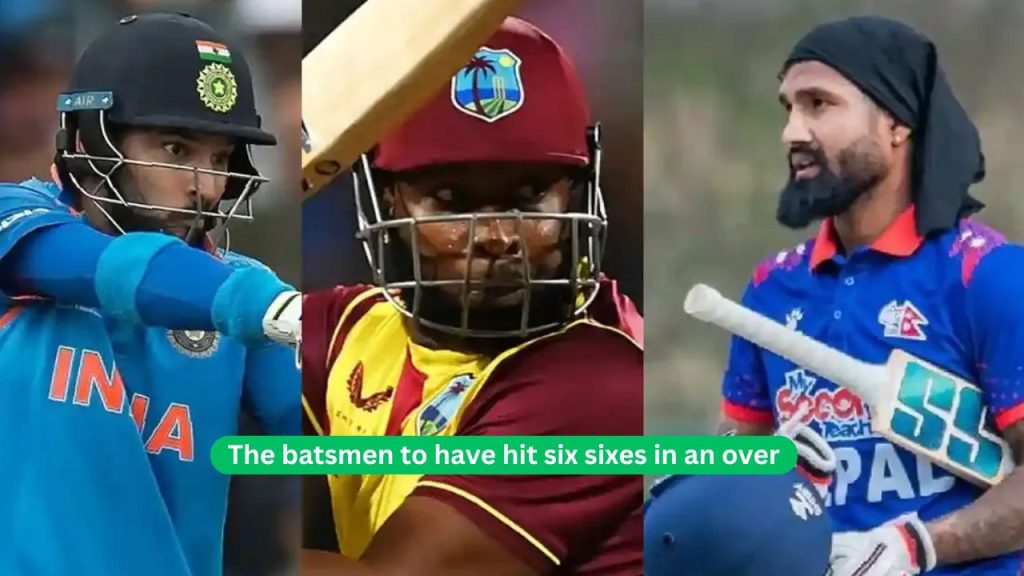
The batsmen to have hit six sixes in an over: The cricketing equivalent of snooker’s 147, or the nine-dart leg, hitting six sixes in an over is a semi-mythical achievement that remains rarely realised, even in the big-hitting era of T20 batsmanship. Some 17 years passed between the first and second times six successive sixes were hit in a first class over and the feat has since been emulated in an international ODI, an international T20 and three domestic top flight 20-over matches – the perfect Test Match over remains unconquered. Below, we list every willow wielding wizard to have posted six sixes in an over in top level domestic or international cricket. Sir Garfield Sobers The flamboyant West Indian all-rounder was the first player to achieve the feat on 31st August 1968. Sobers was playing as captain for Nottinghamshire against Glamorgan when Malcolm Nash came on to bowl. Nash had little idea when running up to the crease that, unfortunately, the over would represent the bulk of his cricket legacy. Sobers smashed five clean hits in a row for six, but on the sixth, was caught on the boundary. Glamorgan relief was short-lived, however, as fielder Roger Davis carried the ball over the rope, resulting in the first over to have ever been hit for six sixes and adding to the mythical nature of the achievement. Carlos Braithwaite looked on course to become the second West Indies international to hit six sixes in a row, in the T20 World Cup final in 2016, but ran out of runs to get. He smashed Ben Stokes for four consecutive sixes off the first four balls of the final over, winning the title in the process. Ravi Shastri On 19th January 1985, Shastri, more commonly known as a defensive player, became the second ever cricketer to hit six sixes in an over. The current India coach is also known for calling the action from the commentary box and has developed a reputation as one of the finest in the business, but it was with willow in hand which he first wrote his name into the history books. Playing for Bombay against Baroda, he hit left-arm spinner Tilak Raj for 36 in six balls. Shastri’s personal connection with the feat of six sixes in an over would not stop there and, 22 years later, on a warm spring evening in Durban, he would be the man to call the action during another completion of this remarkable feat. Herschelle Gibbs For Gibbs, hitting six sixes in an over seemed to be written in the stars. He was South Africa’s most exciting and explosive batsman during the mid-1990s through to 2010. It was during the World Cup in 2007, when he hit Daan van Bunge of the Netherlands for the full complement of six sixes in the over. The ostentatious right-hander bludgeoned van Bunge’s deliveries with breath-taking skill, hitting them flat and high. Gibbs is still the only man to have completed the feat in a 50-over World Cup game and the first to do it internationally. Yuvraj Singh Few will forget Singh’s assault on the England cricket team and a hapless Stuart Broad during a World Cup T20 game in South Africa in spring 2007. Before Broad bowled the 19th over, Yuvraj had entered into a heated altercation with Andrew Flintoff. However, it was Broad who would pay the ultimate price over the next six balls as an annoyed Singh carried out his brilliant retribution. ‘Yuvi’ didn’t break sweat once and, with the most exquisite timing and shot selection, dispatched a shell-shocked England seamer over the Kingsmead boundary six times in a row. Once again, Shastri was the man behind the mic at the time of Singh’s brilliance, and who better to be calling the action. Singh has since retired, but his brilliance that night will be remembered for as long as the game is played. Ross Whitely In July 2017, Worcestershire Rapids’ Whitely joined the select club with six successive maximums off the bowling of Yorkshire Vikings spinner Karl Carver in a T20 Blast match at Headingley. Agonisingly for the Sheffield-born batsman his efforts were in vain as the Rapids lost, with David Willey, the man who eventually sent him back to the dressing room, also smashing a match-winning 118 off 55 balls in a remarkable contest. Hazratullah Zazai The next addition to this list comes from the less-heralded cricketing climes of the Afghanistan Premier League (T20), where Zazai bludgeoned his way into the history books off the deliveries of the hapless Abdullah Mazari. On multiple occasions the Kabul Zwanan batsman’s mighty strokes came perilously close to departing the stadium altogether in a display of brutal hitting. Leo Carter Canterbury Kings batsman Leo Carter made history in January 2020 following his stunning six sixes in an over during his side’s T20 match against the Northern Knights to join this elite club. Carter, taking part in New Zealand’s Super Smash competition, hit six successive sixes on his way to racking up an impressive tally of 70 not out off just 29 balls, which inspired Canterbury Kings to a seven-wicket victory with seven balls to spare. Kieron Pollard We had to wait over a year for the next player to ink their name into the history books, with Kieron Pollard achieving the feat in March 2021 for West Indies against Sri Lanka. Pollard became the first player to hit six sixes in an international over since Singh in 2007, while he was also just the third player to do it in international cricket following Yuvraj and Herschelle Gibbs. Pollard’s feat was even more impressive given bowler Akila Dananjaya had just taken a hat-trick in his previous over. Thisara Perera Like waiting for a bus, two then came at once in March 2021, with Thisara Perera following Pollard just a few weeks later. All-rounder Perera was batting for Army Sports CC against Bloomfield Cricket and Athletic Club in a List-A fixture. Perera’s stunning effort took
World’s Top Cricketers With Hair Transplant
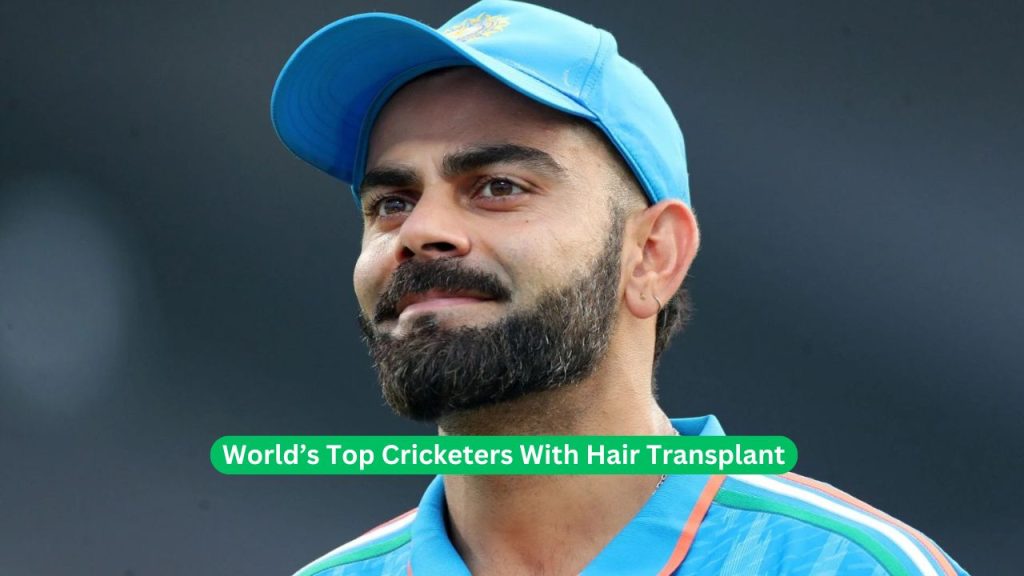
Top Cricketers With Hair Transplant: Not only do the actors in the Bollywood industry undergo hair transplants but so do some cricket players in an effort to get a better look. Let’s take a look at some Indian cricket stars who went through this procedure: Virat Kohli Some time back, the former Indian cricket team captain after an open discussion revealed his hair transplant surgery which took place in 2015 to rectify his thinning hair. Talking about his life-changing experience, he also stated that it positively influenced both the professional and private spheres, breaking the stigma around Kohli hair transplants. MS Dhoni MS Dhoni, the former Indian cricket captain, underwent a hair transplant in 2020 to address his receding hairline and low hair density. After the procedure, he appeared with a fuller and more youthful hairline post-lockdown, which caught the attention of many fans and observers. Sourav Ganguly The world-renowned cricketer from India, the previous skipper of the team, had a hair loss due to stress. He did a hair transplant and this procedure did what it was supposed to do for him. Gautam Gambhir Being a batsman for the team’s starting innings proved to be too much of a task for Gambhir which made him lose his hair. For that reason, he decided to have hair patch surgery to enhance his hair thickness. Virender Sehwag Mostly remembered for his jaw-dropping batting style Sehwag was diagnosed with a severe form of hair loss in 2007. He was quite open about his problem of hair loss and opted for an FUE process for his hair transplant which was actually very successful. Hardik Pandya Not only does this star spinner lose hair like other cricketers but also succumb to a rare condition. He got the treatment and regrew his hair. This made him a more confident person. Hardik Pandya’s hair transplant is successful and now you can see the difference in his look. Axar Patel Axar Patel’s hair transplant journey showcases his successful battle against hair loss, boosting his confidence with a fuller, natural hairline. Using the FUE technique, he achieved impressive results, seamlessly returning to his cricket career. His story is an inspiration for anyone considering hair restoration. Shane Warne The Australian legend, the bowler underwent the hair transplant in 2006 to stop the thinning of the hair. He shared a good example, and he was trying to influence others to take the process if it would make them better and improve their confidence. Jacques Kallis Jacques Kallis, the legendary South African cricketer who dominated the game as an all-rounder, took a step beyond the pitch to address a personal battle – hair loss. His decision to undergo hair transplant surgery wasn’t just about aesthetics; it reflected a deeper desire for a refreshed appearance and a confidence boost. Kallis’s story transcends the world of cricket, highlighting how even the most accomplished individuals seek ways to feel good about themselves. Doug Bollinger Aussie paceman Doug Bollinger, once nicknamed “The Rug,” wasn’t always known for his head of hair. But a hair transplant procedure changed things for the cricketer, boosting his confidence on and off the field. It just goes to show the difference a new look can make. Mohammed Shami Mohammed Shami, the acclaimed Indian fast bowler, chose Eugenix Hair Sciences for his Direct Hair Transplant procedure, highlighting the advanced solutions available for hair restoration today. Shami’s decision reflects his confidence in cutting-edge techniques to achieve optimal results, demonstrating his commitment to maintaining his image both on and off the field. Mohammad Azharuddin Mohammad Azharuddin, the former Indian captain known for his elegant wristy strokes, opted for Eugenix Hair Sciences for his hair transplant. Azharuddin’s choice underscores the timeless importance of preserving a youthful appearance, even after retiring from the sport. His decision to undergo this procedure reveals a dedication to personal grooming that extends well beyond his playing days. Michael Bevan Michael Bevan, one of Australia’s greatest finishers in limited-overs cricket, also chose Eugenix Hair Sciences for his hair transplant. Bevan’s decision is a testament to the clinic’s esteemed reputation and underscores the significant role that appearance and self-confidence play in the lives of sports professionals. Ravi Shastri Cricket legend Ravi Shastri’s full head of hair might surprise some fans who remember him in his playing days. But Shastri’s secret weapon isn’t a magic potion – it’s a trip to Eugenix Hair Sciences for a Direct Hair Transplant. His decision reflects a growing trend in sports, where athletes are increasingly open about addressing hair loss and choosing top-notch clinics for natural-looking results. E2Bet : Welcome! Join Us for Non-Stop Betting Action!
Top 5 cricketers who played football
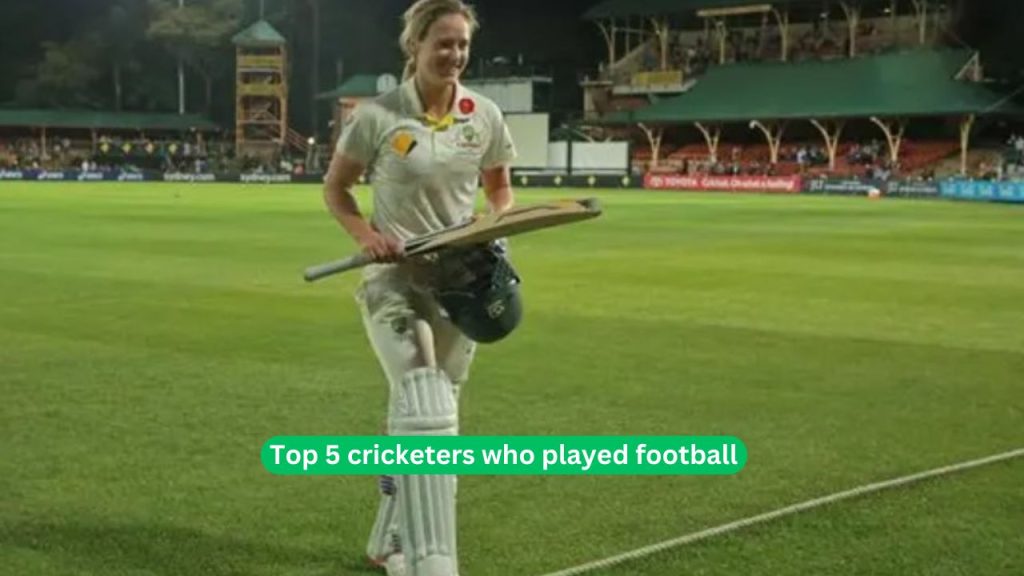
cricketers who played football: It requires sheer talent to become a successful sportsman. Years of diligence and an extraordinary level of perseverance are required to represent your country at the highest level of sports. In the history of sports, there have been some exceptional names who are multi-talented and have played multiple sports. Cotar Ramaswami, who played two international matches in 1936, was one such remarkable talent who played both tennis and cricket for India. Apart from India, some cricketers played football and broke into the record books for having their careers in both illustrious sports. Discussing more, let’s know five eminent cricketers who played football. Here are five cricketers who represented their countries in Football Arnie Sidebottom Arnie Sidebottom was a renowned name in England’s domestic circle during the 1970s and 1980s. Representing Yorkshire for 18 years from 1973-1991, he racked up 4’508 runs and 596 wickets in 228 appearances in first-class cricket. In July 1985, he got a chance to play a Test match for England against Australia in Nottingham. Following that game, he never got an opportunity to play for his nation again in international cricket. Before playing cricket for Yorkshire, Arnie also played football for Manchester United (MU). He served MU as a defender from 1972-75 and later joined Huddersfield Town. His last football appearance was for Halifax Town in 1979. In 2007, he got the 50th spot in a ‘50 Worst Footballers’ poll by the Times. Ellyse Perry Ellyse Perry has won a lot of matches for Australia Women’s international cricket team since her debut in 2008. After 15 years of her distinguished international career, she has established herself as one of the most successful cricketers in women’s internationals. In 2011, Perry scripted history with her appearance for the Australian women’s football team in the 2011 FIFA Women’s World Cup. Her side’s journey ended with the quarter-final defeat at the hands of Sweden. However, the match became memorable for Perry’s fans as she was seen scoring a goal for her team. Denis Compton Late Denis Compton was an essential part of England’s Test squad from 1937 to 1957. In his vast 20-year cricketing career, he played 78 Tests for England and notched up 5807 runs with 17 centuries and 28 fifties in 131 innings. Compton was not just a superb cricketer but was also a skilled footballer, who played for a quality side Arsenal. He was a part of the Arsenal team that won the 1947-48 Football League and FA Cup in 1950. Compton would have added more achievements to his football career had the Second World War not negatively impacted it. Sir Vivian Richards Sir Vivian Richards was known for instilling fear in bowlers during his playing days. Riding on his magnificent batting excellence, the West Indies cricket team tasted success in the 1970s and 1980s. In 1991, he retired from international cricket with more than 15000 international runs across all formats. The West Indies legend made his international debut in 1974. In the same year, he was also a part of Antigua’s squad that participated in the 1974 FIFA World Cup qualifiers. His team ended the campaign at the bottom of the table in that competition. Following this debacle, Richards never featured in Antigua’s football squad. Sir Ian Botham Sir Ian Botham was one of the most loyal servants of English cricket in the 1980s. The adept all-rounder helped the English side bag a lot of games during his 16-year international career. In 1992, he brought down the curtains on his prestigious career. The Englishman played 102 Tests and scored 5200 runs. With the ball, he grabbed 383 wickets in 168 innings. As a One-Day International (ODI) player, he hit 2113 runs and got 145 wickets in 116 games. With these numbers, he retired as one of the greats of England. Between 1979 and 1985, he also played 11 matches for Scunthorpe United as a contracted player. During those six years, he also represented Yeovil Town in a few games. E2Bet : Welcome! Join Us for Non-Stop Betting Action!
5 Cricketers Who Fought Cancer Bravely
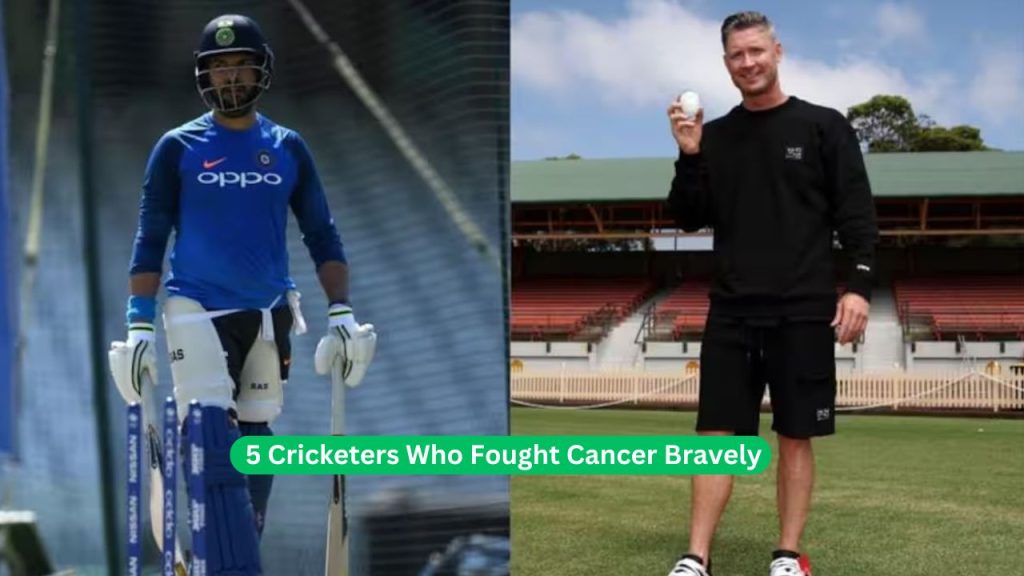
5 Cricketers Who Fought Cancer Bravely: Ups and downs are a part of our lives. Just like us, cricketers also share their own highs and lows. In the cricket world, there have been a few cricketers who suffered life-threatening health conditions. Here, we bring you a list of 5 cricketers who battled with cancer. Have a look: Yuvraj Singh India’s World Cup hero, Yuvraj Singh suffered the darkest phase in his life when he was diagnosed with lung cancer in the year 2012. Yuvraj Singh is known for his heroics in World Cup 2011, he fought through India’s triumphant with lung issues. Yuvi had a tumor in the lungs but fortunately, it was in the primary stage. After diagnoses, Yuvraj Singh went to the USA for his extensive treatment of chemotherapy and later made a stunning comeback in international cricket after getting cancer-free. Michael Clarke Michael Clarke, the Australian superstar was at the peak of his career during the year 2006, when two dark patches appeared on his face. He was later diagnosed with ‘Melanoma’ or skin cancer. For treatment, Michael Clarke took a long break from cricket. However, he, later on, made a successful comeback to international cricket. He even went on to lead the Australian cricket team as the skipper during their 5th World Cup victory in 2015. Matthew Wade Matthew Wade, the Australian wicketkeeper-batsman was only 16-year-old when he was diagnosed with testicular cancer. Matthew Wade was hit on groin when he was playing football for his stateside. Fortunately, he sensed something wasn’t right and he consulted the doctor. Later, he was diagnosed with the cancer.A After two years of treatment, Matthew Wade took to cricket as his professional career and is now a regular in Australia’s test scene. Geoffrey Boycott Geoffrey is regarded as the ‘father figure’ in English cricket. It was in the year 2002 when he was diagnosed with cancer at the age of 62. It happened due to a lump in his neck and he went on to start his ‘A Feng Shui’ during his extensive radiation treatment. Robin Jackman Robin Jackman, the former English cricketer, who has been a broadcaster for ages. He was diagnosed with cancer in his vocal cords. After going through 7 weeks of radiotherapy in the UK, he made a comeback to cricket broadcasting in 2012. E2Bet : Welcome! Join Us for Non-Stop Betting Action!
Foreign cricketers who married Indian women
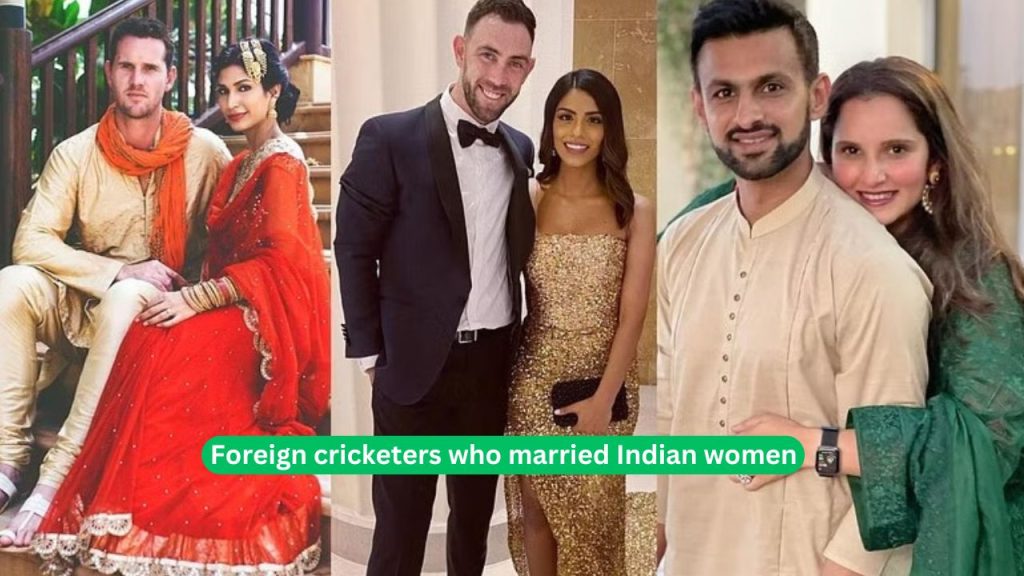
Foreign cricketers who married Indian women: Australian speedster Shaun Tait tied the knot to Indian model Mashoom Singha on June 12, after a four-year courtship. Sudatta Mukherjee goes back in time to write about the many overseas cricketers who fell in love with Indian women and married them. Glenn Turner and Dame Sukhinder Kaur Gill Turner One of the most prolific opening batsmen from New Zealand, Glenn Turner, married Indian Sukhinder Kaur Gill on July 1973. Sukhinder and Turner have two children. More popularly known as Sukhi Turner in New Zealand, she was the Mayor of Dunedin from 1995 till her retirement in 2004. She is one of the most eminent politicians from the Indian community in New Zealand. Mike Brearley and Mana Sarabhai Mike Brearley, one of the most cerebral captains in the history of cricket and famous for leading England in 1981 Ashes victory, took Gujarati lessons for almost four years as his wife, Mana Sarabhai, is a Gujarati. Brearley took lessons from prominent poet Saroop Dhruv. Daughter of famous industrialist Gautam Sarabhai, Mana met Brearley during England’s tour of India 1976-77. “Gautambhai always insisted that being a jamai of Ahmedabad, Brearley should know its culture and language. That’s why I was hired to teach him Gujarati,” Saroop Dhruv was quoted as saying by the Times of India. Brearley and Mana are settled in London and have two children. Zaheer Abbas and Rita Luthra One of the finest batsmen from Pakistan and the only Asian to score 100 First-Class hundreds, Zaheer Abbas met Rita in 1980s. Rita used to study interior designing in United Kingdom and Zaheer used to play for English county Gloucestershire and. They got married in 1988. After marriage, Rita is now known as Samina Abbas. The couple didn’t face any opposition as Pakistan cricketer’s father was friends with Rita’s father, late KC Luthra, according to Pakistani newspaper, The Nation. Prior to Partition, the Luthras used to stay in Faisalabad, Pakistan. Zaheer and Samina now live in Karachi, where the latter runs her interior designing business. Mohsin Khan and Reena Roy Mohsin Khan fell in love with Indian actress Reena Roy and later married her. The good-looking Mohsin himself went on to become an actor in Bollywood. He appeared in 13 films. However, the marriage ended in a divorce. Mohsin has a daughter from his marriage with Reena Roy. Muttiah Muralitharan and Madhimalar Ramamurthy Sri Lankan cricketing legend Muttiah Muralitharan, the highest wicket-taker in both Test and One-Day Internationals, married Chennai girl Madhimalar Ramamurthy on March 21, 2005. Madhimalar is the daughter of late Dr S. Ramamurthy and Dr Nithya Ramamurthy of Malar Hospitals. Murali and Madimalar have son, born in January 2006. Shoaib Malik and Sania Mirza Indian tennis star Sania Mirza was already in the news for her engagement to childhood friend Sohrab Mirza. However, in 2010, Sania broke her engagement and married Pakistani cricketer Shoaib Malik. There was much drama ahead of the wedding. Reports emerged that Malik was already married to another Hyderabad girl, Ayesha Siddiqui. However, Malik denied the allegations but eventually confirmed the marriage when the girl’s family released marriage certificate to prove that she was married to the Pakistani cricketer. Malik later got a divorce. Malik and Sania are married for four years. Shaun Tait and Mashoom Singha After almost dating for four years, Australian pacer Shaun Tait married Indian ramp model Mashoom Singha on June 12, 2014. Tait had proposed to Mashoom a year back when the couple where vacationing in Paris. The wedding celebrations were spread across a week as Tait’s friends came over from Australia to Mumbai, where the wedding happened. Indian cricketers Yuvraj Singh and Zaheer Khan were among attendees. Mashoom and Tait will shuttle between Mumbai and Adelaide for now. Special mention Though the couple never got married but have been in the news for their famous relationship that sparked the headlines in 1980s. Indian actress Neena Gupta and West Indies legend Vivian Richards were in a relationship for quite some time in 1980s. They also have a child together, Masaba Gupta, who is now a well-known fashion designer. Neena and Sir Viv did not marry, but they have never felt the need to hide their relationship. Masaba, who even met Sir Viv’ son Mali, once famously said, “Not everyone gets to be Sir Viv’s daughter.” E2Bet : Welcome! Join Us for Non-Stop Betting Action!
Cricketers who changed their religion
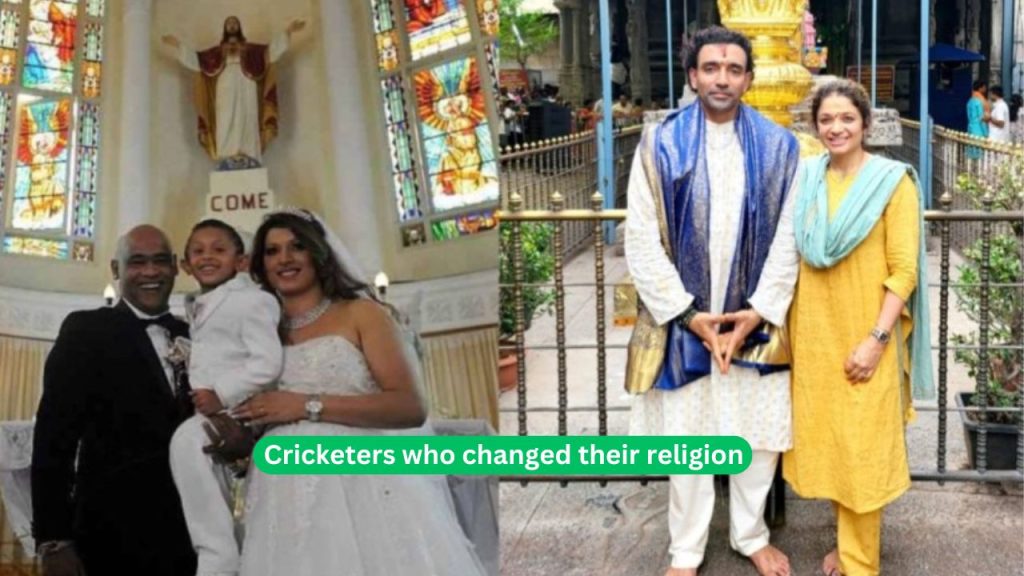
Cricketers who changed their religion: In cricket, a sport that often resembles a religion for its passionate followers, some players experience profound spiritual transformations throughout their careers. Vinod Kambli, Robin Uthappa, and Kripal Singh, each celebrated for their contributions to Indian cricket, have garnered attention not just for their on-field achievements but also for their changes in religious affiliations. These decisions reflect personal journeys that resonate deeply with their lives and experiences. Here Are 3 Indian Cricketers Who Changed Their Religion Vinod Kambli – From Cricketing Prodigy to Christian Faith Vinod Kambli, once a prodigious talent alongside Sachin Tendulkar, experienced a career marked by both remarkable highs and significant lows. His conversion to Christianity came during a tumultuous period after his cricketing journey had faced various challenges. Kambli’s decision was influenced by his marriage to a Christian woman, which led him to embrace her faith. This transformation was not merely about changing religions; it represented a profound personal renewal. It became a path toward peace and reconciliation, especially after a career that had initially promised so much but ultimately fell short due to personal and professional obstacles. Robin Uthappa – A Journey Towards Buddhism Robin Uthappa, renowned for his explosive batting, took a unique path by embracing Buddhism. While his conversion was less publicized, it played a significant role in his quest for inner peace and enlightenment. Uthappa’s shift toward Buddhism reflects his search for a philosophy that resonates with his views on life, suffering, and the pursuit of happiness. This transition was more than simply adopting a new faith; it involved embracing a lifestyle centered on mindfulness, compassion, and a deeper understanding of existence—moving away from the fleeting nature of success in Indian cricket. Kripal Singh – The Sikh Turned Christian Kripal Singh’s story is one of love and faith. Born into a Sikh family, his conversion to Christianity was motivated by his marriage to a Christian woman. This decision extended beyond mere religious change; it was deeply intertwined with his personal choices. Singh’s journey illustrates how love can transcend religious divides, resulting in a shared spiritual path with a partner. His narrative adds depth to his cricketing career, revealing a human story of love, acceptance, and spiritual exploration that transcends boundaries. The Broader Perspective The decisions of these cricketers to change their religions provide insight into the personal lives of public figures. In a country as diverse as India, where religion holds significant importance, these choices reflect not only individual journeys but also the broader societal acceptance of interfaith relationships and conversions. Through their actions, each of these cricketers has contributed to a narrative that champions personal freedom and the right to spiritual exploration. The spiritual journeys of Vinod Kambli, Robin Uthappa, and Kripal Singh remind us that beyond the cricket pitch lies a world where individuals seek meaning, peace, and connection in diverse ways. Their stories go beyond mere religious change; they reflect a search for paths that resonate with their true selves. In a world often divided by faith, these cricketers’ choices underscore the universal human quest for understanding and belonging. They demonstrate that cricket, much like life, is a journey where personal beliefs can evolve, leading to new beginnings and fresh perspectives. E2Bet : Welcome! Join Us for Non-Stop Betting Action!
Australian cricketers who smoke
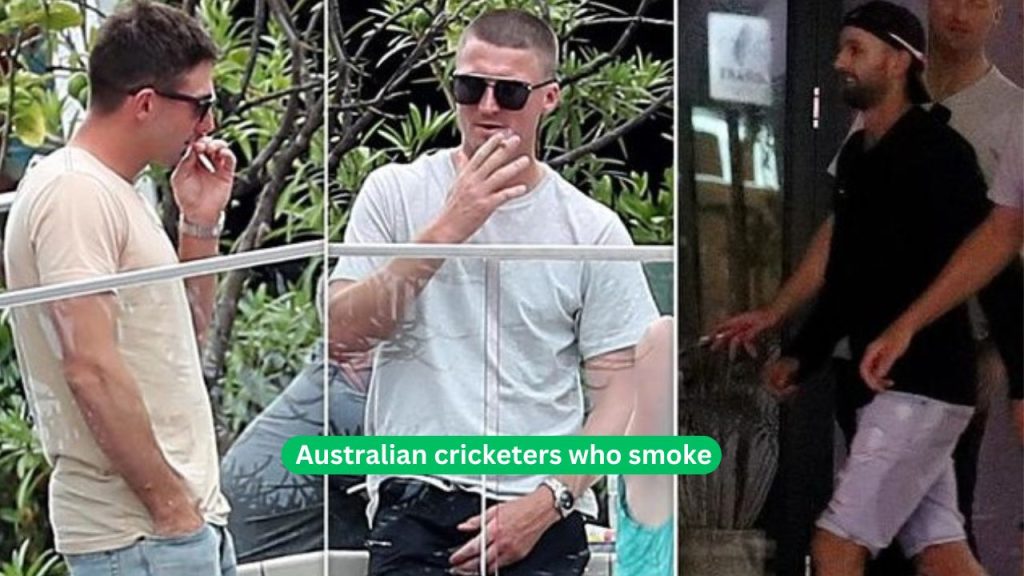
Australian cricketers who smoke: Australian cricketers Shaun Marsh and Jackson Bird were seen smoking in public during celebrations after their Ashes triumph over England. Both Marsh and Bird drew heavy criticism for smoking in public. Off-spinner Nathan Lyon, who finished 2017 as the highest wicket taker in Tests, also appeared to be holding a cigarette when he arrived for the party. Health experts were not impressed as Australia’s cricketers puffed away in public. “In this day and age, why would elite sportsmen (a) still be smoking, and (b) doing so in a public space when children around Australia, teens around Australia, young men, seek to emulate them?” Quit Victoria director Dr Sarah White told Heidi Murphy. “Smoking is not illegal â€æ it happens to be the leading cause of preventable deaths and disease in Australia, but sadly not illegal.” Australia captain Steve Smith, who was also present at the Coogee Pavillion, said it was not ideal for his men to be seen smoking in full public glare. “It’s not ideal. But boys were just there trying to have a good time. Trying to celebrate what’s been a great couple of months and that’s part of playing cricket for your country and winning big series,” he told Channel 9’s Today Show. “You need to celebrate your success and the boys had a really good time and those kind of things coming out aren’t ideal but you can’t do much about it.” Australian leg-spinner Adam Zampa said he did not see what all the fuss was about as there were no children present at the venue when Marsh and Bird lit up. “I don’t think there was any kids at the [bar] Coogee Pavillion,” he said. “I don’t think they were doing it on purpose in front of any kids either. Marsh and Bird are not the first Australian cricketers to be clicked smoking in public. Shane Warne, back in 1999, had been offered a $200,000 contract by a nicotine substitute company named Nicorette to give up smoking. However, a mere days before the end of a four-month deal, Warne was seen lighting up at a bar in Barbados. Back in May 2011, Warne, then captain of Rajasthan Royals, was caught on camera puffing a cigarette inside the airport premises in Indore. Soon after deplaning, the legendary leg-spinner had a quick smoked before boarding a bus to go to the team hotel. E2Bet : Welcome! Join Us for Non-Stop Betting Action!