

How Do Fast Bowlers Lose Their Pace?
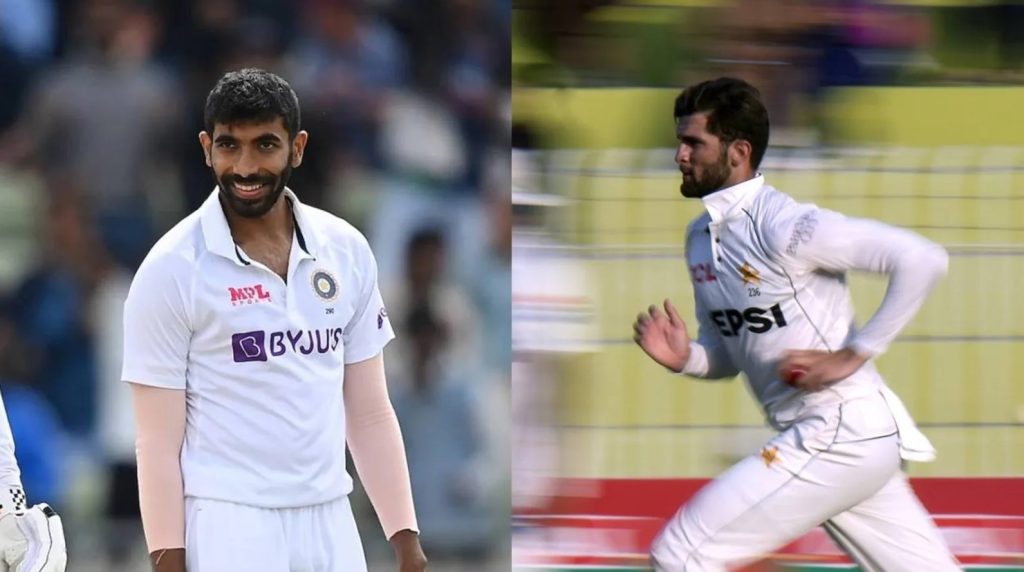
Fast bowlers are among the most exciting players in cricket, often captivating audiences with their sheer speed and aggression. However, one of the most unfortunate aspects of a fast bowler’s career is the inevitable decline in pace that many face as they age or encounter injuries. The loss of pace can significantly affect a bowler’s performance, and it often marks the end of an era for many talented players. This article will explore the reasons why fast bowlers lose their pace, the physiological and psychological factors involved, and the strategies employed by players and teams to maintain or regain their speed. Additionally, we will provide insight into the different stages in a fast bowler’s career when they are most susceptible to losing pace. The Anatomy of Fast Bowling: Why Pace is Hard to Maintain Fast bowling requires the combination of power, technique, and endurance. The delivery of a ball at high speeds puts immense strain on the body, particularly the shoulders, knees, and back. Over time, this repetitive stress can take its toll, leading to injuries and a natural decline in pace. Here are the main reasons why fast bowlers lose their pace: Key Stages in a Fast Bowler’s Career When Pace Declines Fast bowlers typically lose their pace over time due to physical and mental factors. However, the decline is often more pronounced at specific stages in a bowler’s career. The table below outlines the general career stages when bowlers are most vulnerable to losing pace: Stage of Career Age Range Factors Contributing to Pace Loss Early Career 18-25 years Players are at their physical peak, but injuries and learning curve could impact their pace. Prime Years 26-30 years The bowler is at their fastest, but repetitive strain from bowling and the demands of international cricket can start taking a toll on the body. Late Career (Mid Career) 30-35 years As a bowler approaches their 30s, slight loss of pace is common due to wear and tear on the body. Injury recovery might also become slower. End of Career 35+ years A noticeable loss of pace is expected due to aging, injuries, and physical decline. Some bowlers might adapt by becoming more economical or using variations. Injuries and Conditions That Lead to a Loss of Pace Fast bowlers often face a wide array of injuries due to the sheer physical demands of their craft. Below is a table that outlines the common injuries that can result in the loss of pace: Injury Impact on Pace Typical Recovery Time Rotator Cuff Injury Affects the shoulder’s ability to generate power and speed. 4-6 months of rehab or longer. Stress Fractures (Spine) Affects the bowler’s ability to generate explosive energy from the core. 6-12 months depending on severity. Knee Ligament Damage Alters the bowler’s running and landing, affecting pace. 6-9 months depending on the injury. Elbow Tendonitis Results in reduced arm speed and strain during delivery. 4-6 months depending on treatment. Hamstring Strain Affects the run-up and overall pace due to lack of explosive leg power. 3-4 weeks of recovery for mild strains. Back Stress or Disc Issues Severe impact on overall movement, causing pain and reduced speed. 3-12 months depending on severity. Notable Fast Bowlers Who Lost Their Pace Many legendary fast bowlers have faced the challenge of losing their pace over time. Below is a table showing how some famous fast bowlers experienced a decline in their pace: Bowler Country Peak Speed (km/h) Age at Pace Decline Strategy to Compensate Shane Warne Australia 150 km/h (93 mph) 32 years Focused on spin variations and accuracy rather than pace. Wasim Akram Pakistan 161.3 km/h (100 mph) 33 years Shifted to a more controlled and slower pace with swing. Curtly Ambrose West Indies 150 km/h (93 mph) 33 years Adapted his action to bowl more economically and with precision. Glenn McGrath Australia 145 km/h (90 mph) 35 years Relied on accuracy, seam movement, and consistency over sheer pace. Dale Steyn South Africa 160 km/h (99 mph) 33 years Focused on maintaining fitness and speed through wrist position and aggression. Maintaining or Regaining Pace: Strategies and Solutions Although fast bowlers inevitably experience some loss of pace with age or injury, some players employ strategies to either maintain or regain their speed. These strategies include: Conclusion Losing pace is a natural part of a fast bowler’s career trajectory. Whether due to aging, injuries, or wear and tear, fast bowlers often find themselves unable to bowl at the speeds they once did. However, with the right combination of physical conditioning, technical adaptation, and mental adjustments, many bowlers are able to extend their careers and remain successful even as their pace diminishes. The loss of pace doesn’t necessarily mean the loss of effectiveness, as many bowlers transition to a more tactical, skill-based style that can continue to pose challenges for batsmen. Understanding how fast bowlers lose their pace can help players, coaches, and fans better appreciate the challenges these athletes face over the course of their careers. Welcome to E2Bet, here for you to enjoy playing fun and exciting games: