

A Good Batting Strike Rate in All Formats of Cricket
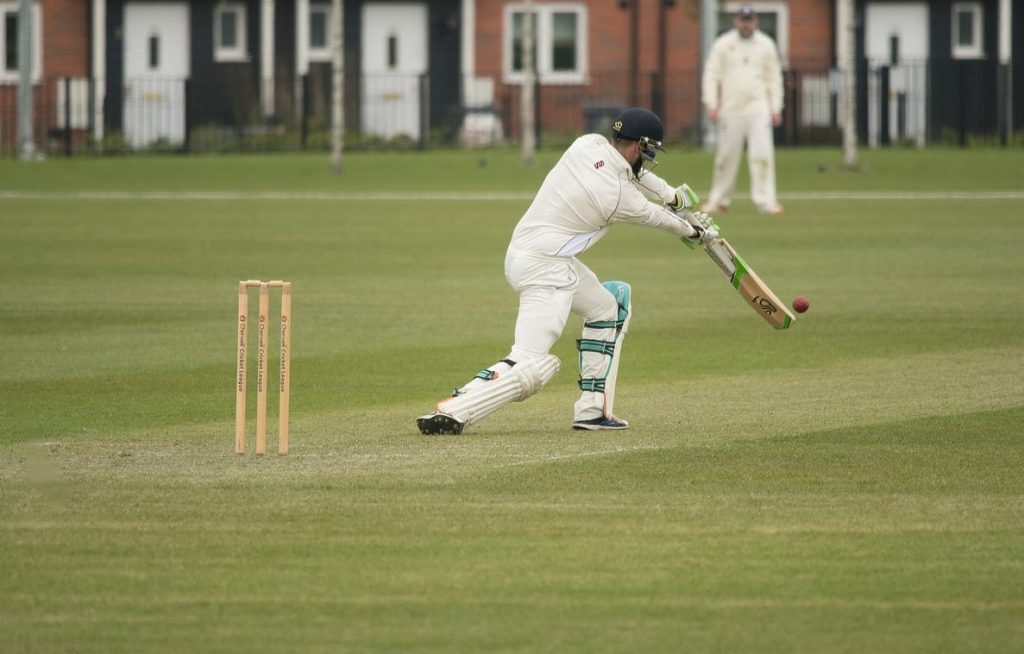
Good Batting: In cricket, the batting strike rate (SR) is a key indicator of a batsman’s ability to score quickly. It measures the number of runs a batsman scores per 100 balls faced, and it’s a useful metric to evaluate a player’s performance in various formats of the game. A good batting strike rate varies depending on the format being played – Test, One Day International (ODI), and Twenty20 (T20). This article will discuss what constitutes a “good” batting strike rate in each format, provide context on why the strike rate is important, and offer examples of great players who have excelled with high strike rates. Understanding Batting Strike Rate Good Batting: Batting strike rate is calculated using the formula Strike Rate =(Total Balls Faced / Total Runs Scored)×100 For example, if a player scores 50 runs from 40 balls, their strike rate will be (50/40)×100=125 Good Batting: The higher the strike rate, the more runs a batsman scores per ball, which is usually an indication of an aggressive and attacking style of play. However, the ideal strike rate varies depending on the format of the game. What Is a Good Batting Strike Rate in Test Cricket? Good Batting: Test cricket is a traditional and longer format where the emphasis is generally on building partnerships and playing for long durations. In this format, the batting strike rate tends to be lower because batsmen spend more time at the crease and focus on playing longer innings. Good Strike Rate in Test Cricket Strike Rate Range Performance Description Above 50 Excellent, aggressive player 40-50 Solid, competent batsman Below 40 Below average for modern Test cricket Examples of Test Cricket Batting Strike Rates Batsman Strike Rate Ben Stokes (England) 58.68 Virat Kohli (India) 52.04 Steve Smith (Australia) 51.96 Good Batting: As shown above, players with a strike rate of over 50 in Test cricket are highly regarded for their ability to score quickly without sacrificing technique or stability. What Is a Good Batting Strike Rate in One Day Internationals (ODIs)? Good Batting: ODIs are limited-overs games, where batsmen are required to score more quickly than in Test matches, but there is still a need for stability. The format is typically 50 overs, and the game rewards a good balance between controlled aggression and efficient accumulation of runs. Good Strike Rate in ODIs Strike Rate Range Performance Description Above 85 Excellent, aggressive batsman 70-85 Solid, well-balanced batsman Below 70 Slow, below average in modern ODIs Examples of ODI Batting Strike Rates Batsman Strike Rate Shahid Afridi (Pakistan) 117.00 Chris Gayle (West Indies) 87.19 Virat Kohli (India) 93.25 Good Batting: As seen, explosive players like Shahid Afridi and Chris Gayle have a strike rate above 100 in ODIs, while consistent run-scorers like Virat Kohli maintain a healthy strike rate of 93.25. What Is a Good Batting Strike Rate in Twenty20 (T20) Cricket? Good Batting: T20 cricket is a fast-paced, aggressive format that prioritizes boundary hitting and scoring quickly. With only 20 overs per side, batsmen are expected to keep a high strike rate and maintain momentum throughout their innings. Good Strike Rate in T20 Cricket Strike Rate Range Performance Description Above 130 Excellent, T20 powerhouse 120-130 Solid, consistent performer Below 120 Below average for T20 cricket Examples of T20 Batting Strike Rates Batsman Strike Rate Glenn Maxwell (Australia) 153.88 Chris Gayle (West Indies) 146.30 Rohit Sharma (India) 130.70 Good Batting: In T20 cricket, players like Glenn Maxwell and Chris Gayle have strike rates above 140, making them ideal for high-impact roles. Rohit Sharma, while more measured, still maintains an impressive strike rate of 130+. The Impact of Conditions and Role in Determining Strike Rate A player’s role within the team and the playing conditions also affect their strike rate. For example: Conclusion Batting strike rate is an essential metric to gauge a player’s ability to score quickly and effectively in all formats of cricket. A good strike rate varies depending on the format, with Test cricket generally seeing lower strike rates compared to ODIs and T20s, where aggressive batting is key to success. Players with strike rates above 50 in Tests, above 85 in ODIs, and above 130 in T20s are often considered excellent in their respective formats. While the strike rate is an important factor in evaluating a batsman, it must be considered alongside other metrics like average, consistency, and adaptability to playing conditions. Great players like Virat Kohli, Chris Gayle, and Ben Stokes have demonstrated how important it is to maintain a balance between aggression and control across all formats. Welcome to E2Bet, Play Thrilling Games And Win Exciting Bonus!