

IPL Salary Cap: A Deep Dive into the Rules and Structure
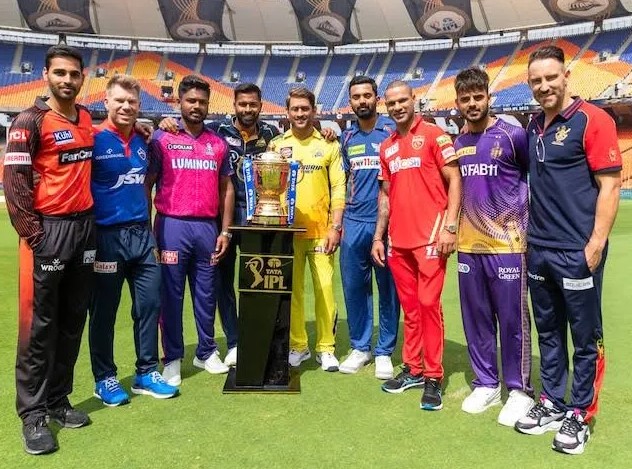
IPL Salary Cap: The Indian Premier League (IPL) is one of the most lucrative and popular cricket leagues in the world. It has transformed the sport, both in terms of its commercial value and the way it is played. One of the most crucial components that ensures fair competition and a balanced distribution of talent across the teams is the salary cap. The IPL salary cap is a fixed limit on the total amount of money a franchise can spend on player salaries for each season. This system helps maintain parity in the competition, ensuring that no single franchise can dominate by simply spending unlimited amounts on players. The salary cap is a critical aspect of the IPL’s financial structure and has evolved over time. In this article, we will explore the IPL salary cap in detail, including its evolution, current figures, and how it impacts the strategies of franchises. We will also discuss how the salary cap is applied, the exceptions, and the implications for teams and players. 1. What is the IPL Salary Cap? The IPL Salary Cap is the maximum amount of money a franchise can spend on player salaries during a particular season. It applies to all cricketers contracted by the team, including Indian and foreign players, but does not include the cost of coaching staff, support staff, or other non-player expenses. The salary cap ensures that all teams have an equal opportunity to build competitive squads, regardless of their financial status. The salary cap structure is designed to encourage teams to manage their budgets carefully while investing in talent from both India and around the world. It also prevents wealthier teams from acquiring all the top talent, fostering a more balanced and exciting competition. 2. Evolution of the IPL Salary Cap Since its inception in 2008, the IPL has made several adjustments to the salary cap system to account for inflation, growing revenues, and the changing dynamics of the competition. The following table outlines the salary cap changes over the years: Year Salary Cap (In INR) Notes 2008 ₹ 40 crore Initial cap when the IPL was launched. 2009 ₹ 42 crore Slight increase due to increased commercial value of the league. 2010 ₹ 45 crore Cap raised after the successful inaugural seasons. 2011 ₹ 50 crore Continued growth and increased media rights revenue. 2014 ₹ 60 crore IPL expanded to include more teams, necessitating a cap increase. 2015 ₹ 66 crore Increase to account for inflation and growing league revenue. 2018 ₹ 80 crore Big jump following the media rights deal and increased franchise incomes. 2021 ₹ 85 crore Significant increase, reflecting growing league revenues and the economic boom post-pandemic. 2023 ₹ 95 crore Further increase in line with rising TV and sponsorship deals. In 2024, the IPL salary cap is expected to rise again to ₹ 100 crore (approximately 12 million USD), reflecting the league’s sustained growth and increased commercial revenue. 3. The Current IPL Salary Cap (2024) For the 2024 season, the IPL salary cap is set at ₹ 95 crore (approximately $11.5 million). This amount is the total limit a franchise can spend on players for that season. However, the salary cap system is not as simple as just sticking to a single figure. There are multiple nuances and allowances within the rules that allow franchises some flexibility. Key Points about the 2024 IPL Salary Cap: 4. Breakdown of the Salary Cap Rules (2024) The salary cap rules for IPL 2024 are designed to promote competition and equity across franchises. Here’s a breakdown of the key components: Component Details Total Salary Cap ₹ 95 crore Maximum Number of Players 25 players (15 Indian + 10 foreign) Minimum Spend Requirement ₹ 75 crore Maximum Foreign Players 4 foreign players can play in each match Maximum Number of Overseas Players in Squad 8 overseas players allowed in total Reserve Price for Auction Players Players can be bought at a reserve price based on their category (base price). 5. Auction Rules and Player Bidding The IPL player auction is one of the most important events each season. During the auction, franchises bid for players, and the amount spent on each player contributes to the team’s total salary cap. The auction process involves different player categories, and the price of each player is determined through a bidding war between franchises. There are several player categories including: A franchise can spend a large portion of its salary cap on a marquee player, but they must be careful to balance their spending across multiple players, filling gaps in their squad while staying under the ₹ 95 crore salary cap. 6. Special Considerations and Exceptions While the salary cap ensures fairness, there are a few exceptions and special considerations to the rules that franchises must keep in mind: 7. Implications of the Salary Cap on Franchise Strategy The salary cap directly influences how IPL franchises approach building their squads. Below are some strategic implications of the salary cap: Team Balance and Squad Composition Franchises must carefully allocate their funds to balance different positions in the team. For example: Auction Strategy The IPL auction is where teams decide how to spend their salary cap. A successful auction strategy involves: IPL Salary Cap: Retention and Transfers IPL Salary Cap: Retaining top-performing players is critical to a team’s long-term success. However, teams must consider their budget carefully when deciding how much to retain. IPL Salary Cap: Conclusion IPL Salary Cap: The IPL salary cap is one of the key elements that helps maintain a level playing field in the league. By limiting the total spending on players, it ensures that no single team can dominate through financial muscle alone. As the IPL continues to grow in stature and value, the salary cap structure is likely to evolve, but its core purpose will remain: to promote competition and keep the league fair for all franchises. For teams, managing the salary cap efficiently while building a balanced and competitive squad is crucial