

What Professional Sport Has The Most Rules?
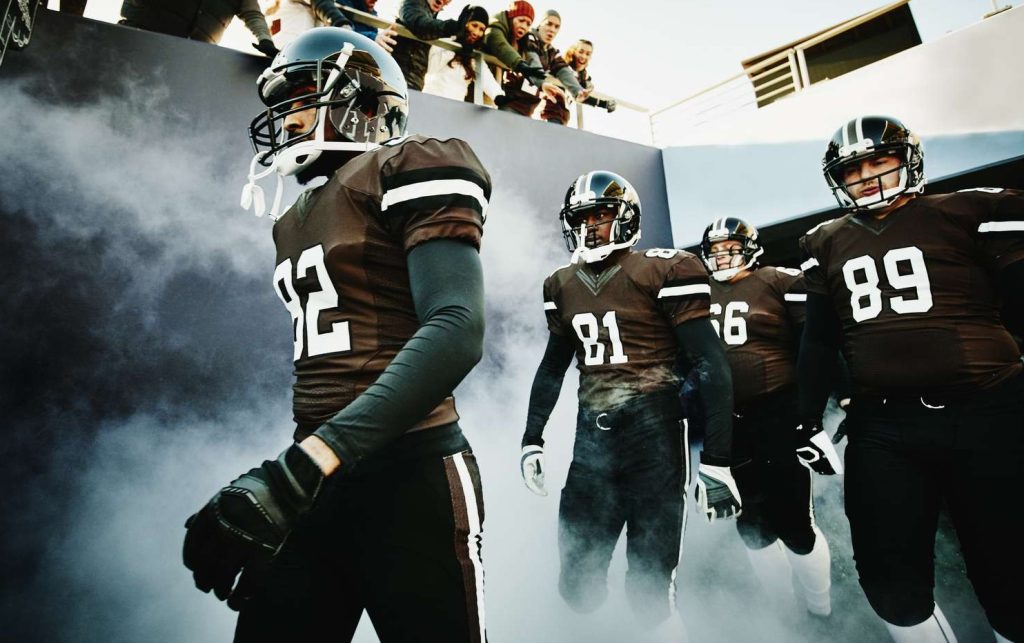
The world of professional sports is vast and varied, with each sport having its own set of rules, regulations, and governing bodies. While each sport requires a different skill set and level of competition, one might wonder which professional sport has the most rules. The answer to this is not straightforward, as it depends on how one defines and counts “rules.” Rules can encompass everything from player conduct, scoring systems, to penalties and strategies. In this article, we’ll examine several sports that are known for having an extensive set of rules and regulations, discuss the depth and complexity of these rules, and provide comparisons through tables. 1. American Football: A Complex System of Play and Penalties American football is known for having a highly intricate set of rules. The game itself is a combination of strategy, athleticism, and precise execution. From the structure of the field to player formations and even the various penalties, the rules in American football are vast. Key Features of Football Rules Table: Key Rules in American Football Rule Category Description Game Time Four 15-minute quarters, with a 12-minute halftime. Field Size 120 yards long (including end zones), 53.33 yards wide. Scoring Touchdown (6 points), Field Goal (3 points), Safety (2 points). Penalties Holding, Offside, Pass Interference, etc. Time Rules 40-second play clock, 2-minute warning before the end of the half. Substitutions Unlimited substitutions, but must be made during stoppages in play. Offensive Rules Must have at least 7 players on the line of scrimmage at the start of a play. 2. Cricket: A Game of Fine Details Cricket is one of the oldest sports, with a long and detailed history of rules. It has evolved into a highly structured sport, particularly with modern formats such as One Day Internationals (ODIs) and Twenty20 (T20). The traditional Test match format can last up to five days, further adding to the complexity of the game’s rules. Key Features of Cricket Rules Table: Key Rules in Cricket Rule Category Description Match Duration Test (up to 5 days), ODI (50 overs), T20 (20 overs). Field Size Varies but typically around 150 meters in diameter. Scoring Runs scored by batsmen, boundaries (4 or 6), extras (no-balls, wides). Bowling Rules Must bowl overarm, maximum of 6 balls per over, no underarm bowling. Player Conduct Laws on sportsmanship, warnings, fines for misconduct. Substitutions Limited substitutions allowed, especially in injury cases. 3. Formula 1 Racing: A World of Technical Rules Formula 1 (F1) racing is perhaps one of the most rule-heavy sports due to the extreme level of technical detail involved in each race. The rules cover not only how cars are built and how the race is conducted but also complex regulations about driver conduct, pit stops, and race strategies. Key Features of F1 Rules Table: Key Rules in Formula 1 Rule Category Description Race Format Typically 305 kilometers or 2 hours, whichever comes first. Car Specifications Strict guidelines on car size, engine capacity, fuel types, etc. Pit Stops Mandatory tire changes, strict time limits for stopping. Driver Conduct Rules on overtaking, track limits, blocking, and corner cutting. Scoring Points are awarded to the top 10 finishers in each race. Penalties Time penalties, grid penalties, or disqualification for rule violations. 4. Rugby: A Game of Structure and Discipline Rugby, much like American football, has a large number of rules that dictate how the game is played. Whether it’s the union or league version, rugby features distinct rules regarding tackling, ball possession, and player conduct. Key Features of Rugby Rules Table: Key Rules in Rugby Rule Category Description Game Time Two 40-minute halves. Field Size 100 meters long, 70 meters wide. Scoring Try (5 points), Conversion (2 points), Penalty (3 points), Drop Goal (3 points). Tackling Must be below the shoulders, no high tackles. Scrums and Lineouts Restarting play after certain stoppages or infringements. Penalties For infringements like offside, high tackles, or foul play. 5. Basketball: A Fast-Paced Sport with Precise Rules Basketball, particularly the NBA, is another sport that has a large set of rules. While the game may appear simple to the untrained eye, there is a vast array of detailed regulations governing how the game is played. Key Features of Basketball Rules Table: Key Rules in Basketball Rule Category Description Game Time Four 12-minute quarters. Scoring Field goals (2 or 3 points), Free throws (1 point). Fouls Personal fouls, technical fouls, and flagrant fouls. Team Composition 5 players on the court for each team. Timeouts Each team is allowed 7 timeouts per game (limited during the second half). Conclusion: The Sport with the Most Rules While each of these sports has an extensive set of rules, American Football and Formula 1 stand out as the two most rule-heavy sports due to the depth and technicality involved in the game’s execution. American football is particularly complex because of the numerous penalties, substitutions, and strategies involved. Formula 1, on the other hand, has a combination of strict technical rules regarding car design, race conduct, and driver behavior, all of which contribute to its status as one of the most regulated sports. The key takeaway is that rules in professional sports are crucial for ensuring fair play, safety, and structure, but the complexity and number of rules vary dramatically depending on the sport. Welcome to E2Bet, Play Thrilling Games And Win Exciting Bonus!