

Second-Largest Cricket Ground In The World By Capacity 2025

Cricket Ground: Cricket, a sport loved by millions, is often played in vast arenas that hold tens of thousands of spectators. These iconic stadiums not only provide a stage for top-tier cricketing action but also serve as symbols of the sport’s rich history and global reach. As cricket has evolved, some stadiums have grown to host massive crowds, making them landmarks in their respective countries. Among the numerous grand stadiums, one stands out as the second-largest cricket ground in the world by capacity. This monumental ground is the Melbourne Cricket Ground (MCG) in Australia, a venue that is deeply embedded in the history of cricket and is known for hosting some of the most thrilling matches in the sport. In this article, we will explore the significance of the Melbourne Cricket Ground, its history, its unique features, and how it ranks as the second-largest cricket ground in the world by seating capacity. Overview of the Melbourne Cricket Ground (MCG) The Melbourne Cricket Ground (MCG) is an iconic stadium situated in Melbourne, Victoria, Australia. It is primarily known for hosting cricket matches but is also used for other sports, such as Australian Rules Football, rugby, and concerts. Located on Yarra Park, near the city center of Melbourne, the MCG is one of the most famous sporting venues in the world. The MCG is renowned for its enormous seating capacity and is the largest stadium in Australia. It has hosted countless significant cricket events, including Test matches, One Day Internationals (ODIs), and the prestigious Boxing Day Test. Its capacity and prestige have made it the setting for numerous unforgettable moments in cricket history, including iconic Ashes series and World Cup finals. Basic Details of Melbourne Cricket Ground Feature Description Name Melbourne Cricket Ground (MCG) Location Melbourne, Victoria, Australia Seating Capacity 100,024 First Established 1853 Home Team Victoria (State Cricket Team) Major Events Hosted Ashes Series, World Cups, ICC Tournaments, AFL Matches Other Sports Played Australian Rules Football, Rugby, Concerts The MCG as the Second-Largest Cricket Ground When it comes to stadiums around the globe, the MCG ranks as the second-largest cricket ground by seating capacity, with an impressive total of 100,024 seats. This capacity places it just behind the Narendra Modi Stadium in Ahmedabad, India, which holds the title of the largest cricket stadium in the world. The MCG’s vast seating capacity makes it an iconic venue for international cricket. The stadium can accommodate more than 100,000 spectators, which is a significant achievement in the world of sports. Its size allows it to host large crowds, especially during major international cricket tournaments like the ICC Cricket World Cup or the ICC T20 World Cup. The MCG has witnessed the celebration of major milestones, from players scoring centuries to dramatic final overs that decide the fate of crucial matches. Comparison of Cricket Stadiums by Capacity Stadium Name Location Seating Capacity Year of Establishment Narendra Modi Stadium Ahmedabad, India 132,000 1982 (renovated in 2020) Melbourne Cricket Ground (MCG) Melbourne, Australia 100,024 1853 Eden Gardens Kolkata, India 66,000 1864 Lord’s Cricket Ground London, England 30,000 1814 Sydney Cricket Ground (SCG) Sydney, Australia 48,000 1848 The History of the MCG The MCG’s history stretches back to 1853, making it one of the oldest and most historically significant cricket grounds in the world. The stadium’s evolution has been intertwined with the development of cricket in Australia, and it holds a special place in the hearts of cricket fans around the world. The MCG has undergone multiple renovations and expansions over the years. It started as a modest venue with a grass embankment and limited seating but gradually transformed into the massive stadium we know today. The first major upgrade occurred in 1854, when seating was introduced, and the capacity continued to increase as cricket grew in popularity in Australia. The MCG is also famous for being the venue for several key moments in the sport, such as the first-ever Test match between Australia and England in 1877. It also hosted the 1992 Cricket World Cup Final, where Pakistan defeated England to win its first World Cup. More recently, the MCG was the venue for the 2015 Cricket World Cup Final, where Australia triumphed over New Zealand to claim their fifth World Cup title. The MCG’s Unique Features The Melbourne Cricket Ground stands out not only for its size but also for its features that make it one of the most modern and versatile stadiums in the world. The Great Southern Stand: One of the most significant features of the MCG is its Great Southern Stand, which was added in the early 2000s and helps boost the stadium’s seating capacity. This stand is famous for providing excellent views of the cricket action and for housing some of the most passionate Australian cricket fans. The Arena: The MCG has an enormous playing arena, which measures 173 meters in length and 146 meters in width. This vast expanse makes it suitable for hosting multiple sports, and it is often used for both cricket and Australian Rules Football matches. The center wicket area is where iconic cricketing moments unfold. The Members’ Area: The Members’ Area is one of the most prestigious parts of the MCG, offering exclusive access to long-time members of the stadium. This area is located at the southern end of the stadium and is known for providing premium views during cricket matches. The MCG’s Digital Infrastructure: The MCG is also famous for its cutting-edge digital infrastructure, including high-definition scoreboards and giant LED screens that provide spectators with live statistics, player profiles, and replays during the match. These features enhance the fan experience and help engage audiences during both cricket and other events. Hosting Major Cricket Events The MCG is often chosen to host key international cricket events due to its capacity and reputation. As mentioned earlier, it has been the venue for many high-profile cricket matches, including the ICC Cricket World Cup Final in 2015. In addition to the Cricket World Cup, the MCG also hosts various
What Made Yuvraj Singh A Great Player 2025?

Yuvraj Singh: Yuvraj Singh is a name that resonates with every cricket enthusiast. Known for his swashbuckling batting, exceptional fielding, and all-round skills, Yuvraj’s contribution to Indian cricket goes far beyond the runs he scored and the wickets he took. His journey from a promising youngster to one of the most iconic players in Indian cricket history is marked by moments of brilliance, resilience, and a spirit of never giving up. But what truly made Yuvraj Singh a great player? It wasn’t just his raw talent or aggressive batting style, but a combination of mental toughness, versatility, and the ability to perform under pressure that set him apart. Yuvraj Singh: Aggressive Batting Style Yuvraj Singh: One of the most defining features of Yuvraj Singh’s career was his aggressive batting style. From the moment he made his debut in 2000, Yuvraj demonstrated his flair for playing fearless cricket. His ability to take on the best bowlers in the world with ease and flair made him a key player in the middle order for India. Whether it was dominating fast bowlers or playing spin with ease, Yuvraj’s attacking mindset was his hallmark. Yuvraj Singh: His match-winning knock of 69 runs off 63 balls against Pakistan in the 2007 ICC T20 World Cup is a perfect example of his aggressive style. But it wasn’t just about hitting boundaries and sixes; Yuvraj knew when to accelerate and when to consolidate. His approach to batting made him one of the most destructive limited-overs players of his time. Ability To Perform In Big Matches Yuvraj Singh’s ability to deliver when the stakes were high was a major reason for his success. His performance in high-pressure situations proved that he was not just a talented cricketer, but one who could thrive under pressure. His performances in major ICC tournaments, particularly the 2007 T20 World Cup and the 2011 Cricket World Cup, highlighted his ability to rise to the occasion. Yuvraj Singh’s Key Performances In ICC Tournaments Tournament Year Runs Wickets Key Contributions ICC T20 World Cup 2007 148 4 Played a crucial role in India winning the inaugural T20 World Cup, including hitting six sixes in an over. ICC Cricket World Cup 2011 362 15 Player of the Tournament, vital contributions with both bat and ball, helping India win the World Cup. ICC Champions Trophy 2009 77 0 Played a key role in India’s success in the 2009 Champions Trophy. ICC World T20 2009 67 0 Played key roles in India’s journey to the semi-finals. Yuvraj’s ability to turn up in critical matches, especially in the 2007 T20 World Cup and the 2011 World Cup, makes him one of the great match-winners in Indian cricket. His memorable knock of 70 runs off 30 balls against Australia in the 2007 T20 World Cup and his all-round contributions in the 2011 World Cup are etched in the memories of millions of fans. All-Round Skills Yuvraj’s ability to contribute with both bat and ball made him a valuable asset for any team. As an all-rounder, he was a key figure in India’s successes across formats. His left-arm orthodox spin was highly effective, especially in limited-overs cricket. He was able to pick up crucial wickets at critical junctures, providing India with an option for breaking partnerships. In fact, it was his all-round performances that made him indispensable to India’s middle-order during the 2003 and 2007 World Cups. His 3-wicket haul in the 2007 T20 World Cup match against Australia was an important part of India’s victory, where his batting was equally destructive. Yuvraj Singh’s Bowling Statistics Format Matches Wickets Best Bowling Economy Rate Average ODIs 304 36 4/19 5.24 44.77 T20Is 58 28 3/19 7.06 29.14 His skills as a bowler may not have always received the same level of recognition as his batting. But Yuvraj’s ability to provide breakthroughs with the ball made him one of the most effective all-rounders in limited-overs cricket. Mental Toughness And Resilience Perhaps one of the most admirable aspects of Yuvraj’s career is his mental toughness and resilience. He faced numerous setbacks, including a difficult battle with cancer in 2012, which temporarily derailed his career. However, Yuvraj’s comeback from cancer was nothing short of inspirational. He not only overcame the disease but also made a successful return to international cricket. His resolve to return to the sport he loved showed immense mental strength. Yuvraj’s determination to succeed in the face of adversity is one of the key factors that elevated him to greatness. His performances after his battle with cancer, especially in the 2014 World T20, where he contributed significantly despite being out of form for a while, demonstrated his incredible will to fight. Versatility Across Formats Yuvraj was not only an exceptional player in limited-overs cricket, but he also had the ability to adapt to different formats of the game. Although his Test career did not reach the same heights as his limited-overs achievements, his ability to perform in ODIs and T20s cemented his place as one of the best all-format players in world cricket. His performances in both ODIs and T20Is, particularly in ICC tournaments, were exceptional. Yuvraj’s versatility made him a valuable asset in all conditions, whether on spinning tracks or fast-paced wickets. Contribution To India’s Success In ICC Tournaments One of the most significant achievements of Yuvraj’s career was his contribution to India’s triumph in ICC tournaments. His all-round performances were critical to India’s successes in the 2007 T20 World Cup and the 2011 Cricket World Cup. The 2011 World Cup, in particular, was a defining moment for Yuvraj. He played an instrumental role in India’s victory, contributing with both bat and ball, and was named the Player of the Tournament. Yuvraj Singh’s All-Round Performance In The 2011 World Cup Match Runs Wickets Key Contributions Group Stage vs. Bangladesh 14 2 Crucial wickets that helped India restrict Bangladesh to a low score Group Stage vs. Ireland 50* 2 An all-round performance that ensured a win for India. Quarter-final vs. Australia
Why MS Dhoni Was The Most Successful Captain Of The Indian National Cricket Team 2025
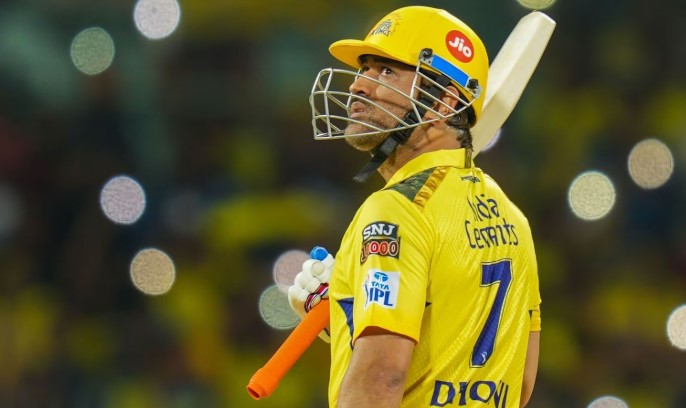
MS Dhoni: Mahendra Singh Dhoni, commonly known as MS Dhoni, is widely regarded as one of the most successful and influential captains in the history of Indian cricket. His leadership, tactical brilliance, calm demeanor under pressure, and ability to inspire his players have made him a legend of the game. As the captain of the Indian national cricket team, MS Dhoni took India to numerous historic milestones, establishing himself as the most successful and revered captain in Indian cricket history. In this article, we will explore why MS Dhoni became the most successful captain of the Indian national cricket team. From his leadership qualities to his accomplishments on the field, we will analyze the factors that made Dhoni the unparalleled captain he is remembered as today. The Birth Of A New Era MS Dhoni became the captain of the Indian cricket team in 2007, following the surprise resignation of Rahul Dravid after India’s early exit from the 2007 ICC Cricket World Cup. While Dhoni was already an established player, his appointment as the captain was a bold choice by the Board of Control for Cricket in India (BCCI). Few could have predicted the monumental success that would follow under his leadership. Initially seen as an underdog, Dhoni quickly transformed the Indian team into a force to be reckoned with. His calmness, quick decision-making, and unconventional leadership approach set him apart from other captains of his time. Key Factors Behind MS Dhoni’s Success As A Captain Several factors contributed to MS Dhoni’s success as a captain. His unique blend of qualities helped him lead the team to great heights. Let’s take a closer look at some of these attributes: 1. Tactical Genius And Decision-Making One of the most defining aspects of Dhoni’s captaincy was his tactical brilliance. His decision-making on the field, whether it was in setting the field, choosing bowlers, or making mid-match adjustments, was often spot on. MS Dhoni had an innate ability to read the game and make the right calls at crucial moments. His handling of key players, including rotating bowlers, setting aggressive field placements, and managing match situations, showcased his deep understanding of the game. The famous example of his tactical acumen came during the 2011 ICC Cricket World Cup, where he promoted himself up the batting order in the final, ahead of established batsmen like Yuvraj Singh and Suresh Raina. This brave decision paid off as Dhoni led India to victory with an iconic match-winning knock of 91* runs. Tactical Decision Event Outcome Promoting himself to number 5 in the final 2011 ICC World Cup Final Dhoni’s knock guided India to a historic World Cup win Bowling Ishant Sharma in the 2007 T20 WC Final ICC 2007 T20 World Cup Final Ishant’s successful over helped India win the inaugural World Cup 2. Ability To Stay Calm Under Pressure Perhaps the most significant quality of MS Dhoni as a captain was his ability to remain calm under pressure. Whether in tight situations during a match or handling media scrutiny, Dhoni always maintained his composure. His ability to think clearly and make decisions during high-pressure moments helped India win several close games and tournaments. His calmness in the 2007 T20 World Cup final against Pakistan is one of the prime examples of his leadership. Despite the pressure of defending a small total in a tense final, Dhoni’s composed demeanor and sharp tactical thinking guided India to victory. 3. Trust In Players And Backing Young Talent MS Dhoni had an exceptional ability to back his players, particularly young talent. He was never afraid to give youngsters a chance in the playing XI, and his faith in their abilities allowed many players to flourish. For example, Dhoni was instrumental in the rise of players like Suresh Raina, Ravindra Jadeja, and Shikhar Dhawan. By backing these players, Dhoni not only gave them confidence but also created a team dynamic that encouraged growth and team cohesion. His leadership style wasn’t about controlling every aspect of the game; it was about letting players take responsibility and backing them when needed. Young Talent Backed by Dhoni Contribution to Indian Cricket Team Suresh Raina Key player in middle-order, excelled in all formats Ravindra Jadeja Developed into one of India’s leading all-rounders Shikhar Dhawan Became India’s leading opening batsman in limited overs 4. Understanding Of Pressure Situations Dhoni’s personal experience as a player in pressure-filled situations helped him lead the Indian team with maturity. As a wicketkeeper-batsman, he had been involved in many tense situations throughout his career, and this gave him a deep understanding of what players go through during crucial moments. His ability to guide his team through high-pressure games, whether in the Indian Premier League (IPL) or international cricket, made him stand out. His role in India’s 2007 T20 World Cup win, 2011 World Cup victory, and the 2013 Champions Trophy win showed his ability to lead his team to triumph in tournaments where pressure often overwhelmed other teams. 5. Innovative Captaincy And Risk-Taking One of Dhoni’s most unique qualities as a captain was his willingness to take risks. He wasn’t afraid to make bold decisions, whether it was promoting himself in the batting order or choosing an unconventional strategy. Dhoni’s aggressive approach in certain situations often yielded great results for the team. For instance, in the 2013 ICC Champions Trophy final against England, Dhoni’s decision to bowl Ravindra Jadeja in the final overs, despite his less prominent role, turned out to be a match-winning move. This kind of risk-taking ability set him apart from other captains who preferred a more conservative approach. 6. Success In Multiple Formats MS Dhoni’s success was not limited to one format of the game. He led India to victories in all three major formats: Test cricket, One-Day Internationals (ODIs), and T20s. Under his leadership, India became the number one team in Test cricket for the first time in 2009, a significant achievement in Indian cricket. India also became the first team to hold all three
Top 5 Batsmen with Most Runs in ICC Champions Trophy
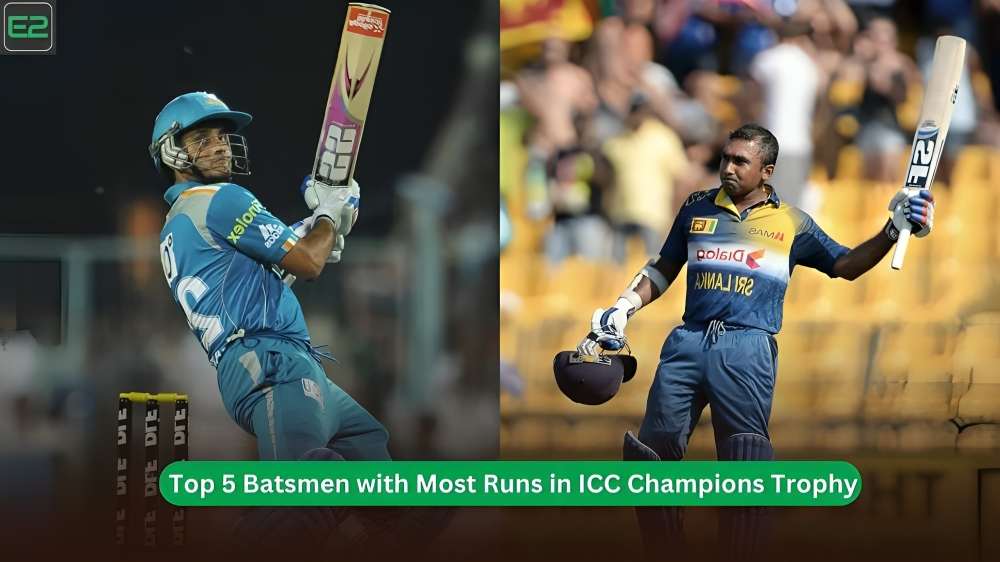
The ICC Champions Trophy is regarded as one of the toughest tournaments in international cricket. Unlike the World Cup, which offers more league matches and gives teams a chance to recover from a few losses, the Champions Trophy holds the risk of elimination after just one defeat in the entire competition. However, the tournament has faced calls for its removal, with critics claiming that it diminishes the significance of the 50-over World Cup. While the Champions Trophy was not held in 2021, it made a comeback in 2025. 5. Sourav Ganguly – 665 Runs Former India captain Sourav Ganguly was one of the most successful Indian batsmen in ICC tournaments. Over his 15-year ODI career, Ganguly scored 665 runs in 13 Champions Trophy innings, with an average of 73 and a strike rate of 83. One of his standout performances came in the 2000 semi-final against South Africa, where he scored 141 runs to help India secure a spot in the final. 4. Kumar Sangakkara – 683 Runs Regarded as one of the greatest wicket-keeper batsmen of all time, Kumar Sangakkara was a dependable force for Sri Lanka across all formats. The former captain scored 683 runs in 22 Champions Trophy innings at an average of 37.54 and a strike rate of 71.96, including one century and four half-centuries. 3. Shikhar Dhawan – 701 Runs Shikhar Dhawan is considered one of India’s most underrated batsmen in ODI cricket. Since his debut in 2010, Dhawan consistently delivered for India in ICC tournaments. He scored 701 runs in 10 Champions Trophy innings at an average of 77 and a strike rate of 101.6. Dhawan played a key role in India’s second Champions Trophy win in 2013, finishing as the tournament’s top run-scorer with 363 runs, and topped the run chart again in the 2017 edition. 2. Mahela Jayawardene – 742 Runs A Sri Lankan legend, Mahela Jayawardene was a consistent performer across all formats. In the Champions Trophy, he scored 742 runs in 22 innings at an average of 41.22 and a strike rate of 84.80. Jayawardene was pivotal in Sri Lanka’s victory in the 2002 Champions Trophy, where they were crowned joint winners with India. 1. Chris Gayle – 791 Runs West Indies opener Chris Gayle leads the list with 791 runs in 17 Champions Trophy innings, averaging 52.73 with a strike rate of 88.72. Gayle holds the record for the most centuries in the tournament, with three to his name. His highest score came in the 2006 edition when he blasted 133 runs off 135 balls against South Africa. Welcome to E2Bet! Get ready for fun and exciting gaming adventures!
What Does Strike Rate Mean In Cricket And How Is It Calculated 2025?

Strike Rate: Cricket is a game that combines strategy, technique, and athleticism, with a rich history of rules and metrics that have evolved over time. Among the many statistics that help measure a player’s performance, SR stands out as a critical and widely discussed statistic, especially when it comes to assessing a batsman’s ability to score runs quickly. In this article, we will explore what strike rate means in cricket, how it is calculated, and its significance in evaluating a player’s performance. What Is Strike Rate In Cricket? In cricket, this refers to the number of runs a batsman scores per 100 balls faced. It is a measure of how quickly a batsman scores runs. The concept is especially relevant in limited-overs formats like One Day Internationals (ODIs) and Twenty20 (T20) cricket, where scoring runs quickly is a key factor. In Test cricket, while strike rate is still important, batsmen often take a more measured approach, so the statistic is considered in conjunction with other factors like the total number of runs scored and the context of the innings. For bowlers, SR refers to the number of balls bowled per wicket taken. This gives an idea of how frequently a bowler takes wickets during a match, and it is a key metric used to evaluate the effectiveness of a bowler. When Referring To A Batsman SR When referring to a batsman’s SR, it is a measure of their scoring rate, i.e., the number of runs they make per 100 balls. A higher strike rate generally indicates a batsman is scoring runs at a faster pace. Importance For Batsmen SR A batsman’s strike rate is particularly significant in limited-overs formats. Here’s why: Increased Pressure: In limited-overs cricket, the batting team is under pressure to score as many runs as possible in a set number of overs (e.g., 50 overs in ODIs and 20 overs in T20s). A high strike rate means a batsman is able to score quickly, putting pressure on the fielding side. Role of the Batsman: Depending on the role of the batsman, their expected strike rate may vary. Top-order batsmen are often expected to anchor the innings and score at a steady rate, while lower-order batsmen and finishers are expected to score rapidly in the death overs. Contextual Performance: While a high SR is generally positive, it should also be viewed in context. For instance, a batsman playing in a situation where they need to preserve their wicket (such as chasing a low target or playing for a draw) might have a lower strike rate, but their role could be equally crucial. How SR Calculated For Batsmen? The formula for calculating a batsman’s SR is simple: Strike Rate (SR)=(Balls Faced/Total Runs Scored)×100 For example, if a batsman scores 80 runs off 60 balls, their strike rate would be: SR=(6080)×100=133.33 This means the batsman is scoring at a rate of 133.33 runs per 100 balls. Example Of SR Calculation Let’s consider a few examples of different batting performances: Batsman Runs Scored Balls Faced Strike Rate Batsman A 45 30 150.00 Batsman B 120 100 120.00 Batsman C 30 40 75.00 Batsman D 56 50 112.00 In this table, Batsman A has the highest SR, scoring 150 runs per 100 balls, which suggests they were playing aggressively. On the other hand, Batsman C has a relatively lower strike rate of 75, which could mean they were playing a more conservative or defensive role. SR For Bowlers As mentioned earlier, this term also applies to bowlers in cricket, although it is calculated differently. For a bowler, SR is defined as the number of balls they bowl per wicket taken. A lower strike rate for a bowler indicates that they take wickets more frequently. Importance Of Strike Rate For Bowlers A bowler is crucial for understanding their effectiveness in breaking partnerships and taking wickets in a match. A bowler with a low SR is usually seen as a wicket-taker who can quickly remove batsmen and turn the game in their team’s favor. On the other hand, a high strike rate may indicate that the bowler is ineffective or that they take longer to claim wickets. How SR Calculated For Bowlers? The formula for calculating a bowler’s SR is: Bowler’s Strike Rate (SR)=Wickets Taken/Balls Bowled For example, if a bowler has bowled 120 balls and taken 4 wickets, their strike rate would be: SR=41/20=30 This means the bowler takes a wicket every 30 balls. Example Of Bowler SR Calculation Let’s look at some examples of bowler performances: Bowler Balls Bowled Wickets Taken SR Bowler A 150 5 30 Bowler B 180 6 30 Bowler C 90 3 30 Bowler D 120 10 12 In this table, Bowler D has an excellent SR of 12, meaning they take a wicket every 12 balls, which shows they are very effective in breaking partnerships. On the other hand, Bowler A, Bowler B, and Bowler C all have a strike rate of 30, indicating that they take a wicket every 30 balls on average. Factors Affecting A Batsman’s SR There are several factors that can influence a batsman’s SR: Type of Match: In Test cricket, batsmen usually score at a slower pace, which leads to lower SR compared to the faster-paced ODIs and T20s. Pitch Conditions: A fast, bouncy pitch can aid aggressive batting and lead to a higher strike rate, while slow or turning pitches may result in slower scoring. Match Situation: If a team is chasing a high target, the batsman will likely aim for a higher strike rate. Conversely, if they are anchoring an innings, their strike rate may be lower. Bowler’s Skill: The quality of the bowler(s) a batsman faces can also impact their ability to score quickly. A bowler who restricts runs and maintains tight control will force the batsman to adopt a more conservative approach, leading to a lower strike rate. This is a fundamental statistic in cricket that helps evaluate the speed at which a batsman or bowler performs during a match. For batsmen, it reflects how quickly they
Exciting New Cricket Rules You Need To Know About 2025

Cricket Rules: Cricket, a game with a rich history and tradition, has seen several innovations and changes over the years. As the sport continues to evolve, governing bodies like the International Cricket Council (ICC) introduce new rules to enhance the game’s appeal, make it faster, fairer, and even more thrilling for fans. Whether these changes address the growing demand for more dynamic and exciting matches or are designed to ensure fairness, there are some exciting new rules that cricket enthusiasts should be aware of. Cricket Rules: In this article, we will explore some of the most recent and exciting rules in cricket, analyzing how they impact the game and enhance the viewing experience. Cricket Rules: The Introduction Of The ‘Powerplay’ In ODIs And T20s Cricket Rules: One of the most exciting rule changes in limited-overs cricket is the concept of the “Powerplay.” This rule has been in place for several years but has undergone revisions to make the game more exciting. The Powerplay refers to a set of overs during which certain fielding restrictions apply. These restrictions are designed to encourage more aggressive batting and create more scoring opportunities. Cricket Rules: In ODIs, the first 10 overs are designated as the “Powerplay” overs, during which only two fielders are allowed outside the 30-yard circle. In the T20 format, this is reduced to the first six overs, allowing only two fielders outside the circle. After the Powerplay period, the number of fielders allowed outside the circle increases, which opens up the field for more strategic play. Powerplay In ODIs vs. T20s Format Powerplay Overs Fielding Restrictions Key Objective ODI First 10 overs Only 2 fielders allowed outside the 30-yard circle Promote aggressive batting in early overs T20 First 6 overs Only 2 fielders allowed outside the 30-yard circle Maximize scoring in the powerplay period Post-Powerplay 11-50 overs (ODI) Up to 5 fielders allowed outside the 30-yard circle Strategic field placements, balance between attack and defense Cricket Rules: The Powerplay rule has made limited-overs cricket much more exciting, as it forces batsmen to take risks early on and creates a fast-paced contest. Fans have also seen higher scores and more boundaries, especially with fielding restrictions encouraging a more aggressive approach from the batsmen. The ‘Free Hit’ After A No-Ball in Limited-Overs Cricket Cricket Rules: The free-hit rule has become an iconic feature in limited-overs cricket, particularly in T20s. When a bowler delivers a no-ball (usually for overstepping), the batsman is awarded a free hit. This means that the batsman can only be dismissed in limited ways (not through being caught, bowled, or stumped), which significantly increases their chances of scoring. Cricket Rules: This rule was introduced to make the game more exciting by allowing the batsman to take full advantage of a bowler’s mistake. The free-hit makes the game more unpredictable and creates a spectacle for fans, as it gives the batsman the opportunity to unleash a more aggressive shot without the worry of being dismissed in a conventional way. Free Hit Scenarios No-Ball Offense Free Hit Consequence Impact on the Game Overstepping the line (front foot no-ball) Batsman gets a free hit for the next delivery Encourages aggressive batting and risky shots High full toss (above the batter’s waist) Free hit awarded for the next delivery Increases the risk for bowlers and adds excitement Overarm bowling (illegal action) Free hit for the next ball if illegal action is detected Forces bowlers to maintain legal actions Cricket Rules: The free hit rule has certainly added a layer of excitement and increased the intensity of limited-overs cricket. It provides a thrilling spectacle for fans, often resulting in massive sixes or bold strokes. The ‘Super Over’ In Case Of A Tie (T20s and ODIs) Cricket Rules: The Super Over rule is another recent addition to limited-overs cricket that has garnered significant attention. This rule comes into play when a match ends in a tie (equal scores for both teams) in a T20 or ODI game. The match is then decided by a one-over per side eliminator, known as the Super Over. Cricket Rules: Each team gets one over to score as many runs as possible. The team with the higher score at the end of the Super Over wins the match. This rule was introduced to add an exciting finale to tied matches, ensuring that the game always has a clear winner. Super Over In T20s And ODIs Format Super Over Rules Key Objective T20 One over for each team To break the tie and create an exciting finish ODI (Occasionally) One over for each team To determine the winner after a tie in the match Winner Highest score wins after 1 over per side Creates a dramatic and fast-paced conclusion Cricket Rules: The Super Over adds an element of unpredictability and excitement, ensuring that fans leave with an unforgettable conclusion, especially when the match has been neck-and-neck. The ‘Pitch Clock’ For Fast Bowlers (Limited-Overs) Cricket Rules: To speed up the game and reduce delays, the ICC introduced the pitch clock rule for fast bowlers. This rule dictates a strict time limit for bowlers between deliveries. Fast bowlers are given a certain amount of time (usually around 20-25 seconds) to bowl the next delivery after the previous ball is completed. Cricket Rules: The objective of this rule is to maintain the flow of the game and minimize time-wasting tactics. It has helped create faster-paced games, and while it may seem trivial, the pitch clock can have a significant impact on a team’s rhythm and momentum. Pitch Clock Rules For Fast Bowlers Rule Time Limit Impact Objective Time between deliveries 20-25 seconds Forces bowlers to speed up, reducing time-wasting Ensures quicker game flow and maintains audience engagement Overrunning the time limit 1-2 penalty runs for the fielding team Penalizes the fielding side for delay Keeps the game moving at a faster pace Umpire’s discretion Umpire monitors time, gives warning if needed Ensures fairness and consistency Prevents bowlers from delaying play Cricket Rules: While the
GJ-W vs BLR-W Dream11 Prediction & Playing XI, Tata WPL 2025 Match 1

The third edition of the Women’s Premier League (WPL) kicks off today, with five teams vying for the ultimate glory. The opening match of the TATA WPL 2025 will be played between Gujarat Giants Women (GJ-W) and Royal Challengers Bengaluru Women (BLR-W) on February 14 in Vadodara. This marks the first-ever WPL match to be held at the Kotambi Stadium, Vadodara. The defending champions, RCB Women, will be eager to begin their title defense with a victory, while Gujarat Giants Women, led by their new captain Beth Mooney, will look to make a strong start to their campaign. GJ-W vs BLR-W: Match Details Match: Gujarat Giants Women (GJ-W) vs Royal Challengers Bengaluru Women (BLR-W), Match 1, TATA WPL 2025 Match Date: February 14, 2024 (Friday) Time: 7:30 P.M. IST (Local Time) Venue: Kotambi Stadium, Vadodara GJ-W vs BLR-W: Head-to-Head The two teams have faced each other in four matches so far, with both sides winning two games each, making the head-to-head record perfectly even. GJ-W vs BLR-W: Weather Report The weather in Vadodara on Friday evening is forecasted to be humid. The temperature is expected to reach a high of 27°C, accompanied by 36% humidity. This combination will likely make the evening feel warm and a bit sticky, so it’s advisable to stay hydrated and wear light, comfortable clothing. GJ-W vs BLR-W: Pitch Report The Kotambi Stadium in Vadodara is expected to offer a good batting surface. In the recent ODIs between India Women and West Indies Women, the pitch proved to be a run-friendly track. The pitch is expected to be flat, offering minimal assistance to the bowlers, except for the initial swing with the new ball. As the match progresses, the conditions could become more challenging for the bowlers, especially in the second innings, with dew likely to have an impact. This could affect the grip and movement of the ball, making it harder for the bowlers to maintain control. Batting teams will look to capitalize on these conditions, while bowlers will need to adjust their strategies to counter the dew factor and limited assistance from the pitch. GJ-W vs BLR-W: Predicted XIs: Gujarat Giants Women: Laura Wolvaardt, Beth Mooney (c & wk), Simran Shaikh, Harleen Deol, Deandra Dottin, Dayalan Hemalatha, Ashleigh Gardner, Meghna Singh, Tanuja Kanwar, Sayali Satghare, Priya Mishra Royal Challengers Bengaluru Women: Smriti Mandhana (c), Danielle Wyatt-Hodge, Sabbhineni Meghana, Ellyse Perry, Richa Ghosh (wk), Georgia Wareham, Sophie Molineux, Shreyanka Patil, Ekta Bisht Asha Sobhana, Renuka Thakur Singh Suggested Dream11 Fantasy Team No. 1 GJ-W vs BLR-W Dream11: Wicket-keepers: Beth Mooney, Richa Ghosh Batters: Laura Wolvaardt, Smirti Mandhana All-rounders: Ashleigh Gardner, Deandra Dottin, Ellyse Perry, George Wareham Bowlers: Shreyanka Patil, Meghna Singh, Renuka Thakur Singh Captain First-Choice: Smirti Mandhana || Captain Second-Choice: George Wareham Vice-Captain First-Choice: Beth Mooney || Vice-captain Second-Choice: Deandra Dottin Suggested Dream11 Fantasy Team No. 2 GJ-W vs BLR-W Dream11: Wicket-keepers: Beth Mooney, Richa Ghosh Batters: Laura Wolvaardt, Smirti Mandhana All-rounders: Ashleigh Gardner, Deandra Dottin, Ellyse Perry, George Wareham Bowlers: Shreyanka Patil, Meghna Singh, Renuka Thakur Singh Captain First-Choice: Ellyse Perry || Captain Second-Choice: Laura Wolvaardt Vice-Captain First-Choice: Ashleigh Gardner || Vice-captain Second-Choice: Richa Ghosh GJ-W vs BLR-W: Dream11 Prediction – Who Will Win? Both teams appear strong on paper and will be eager to secure points in their opening game. However, after analyzing the combination of both sides, Royal Challengers Bangalore Women seem to have a more balanced lineup. Therefore, we predict RCB W to come out on top in this clash. At E2Bet, fun and excitement are guaranteed! Welcome to exciting games!
Hitting Sixes In Cricket 2025: The Ultimate Guide To The Rules For Hitting Sixes In Cricket
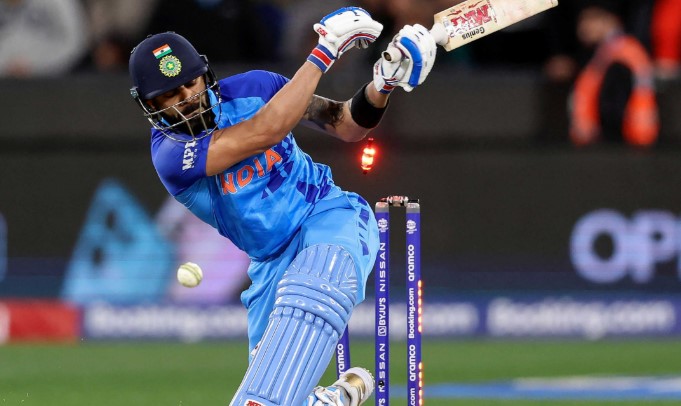
Hitting Sixes In Cricket: One of the most thrilling aspects of cricket is watching a batsman launch the ball out of the ground for a six. It’s a moment of pure excitement, captivating the crowd and often changing the course of a match. But hitting a six isn’t as simple as just striking the ball hard. There are several rules and conditions that govern what makes a six a legitimate hit in cricket. Whether you’re a budding cricketer or a passionate fan, understanding these rules is essential for fully appreciating the spectacle of sixes in cricket. Hitting Sixes In Cricket: This guide will walk you through the rules, conditions, and different scenarios that determine how a six is scored, offering you a deeper understanding of this iconic cricket achievement. What Is A Six In Cricket? Hitting Sixes In Cricket: In cricket, a six is scored when the batsman hits the ball out of the playing field boundary without the ball touching the ground. The moment the ball crosses the boundary line on the full (without bouncing), the batsman is credited with six runs. It is one of the most spectacular ways to score runs and requires not only raw power but also great timing and placement. Hitting Sixes In Cricket: It is one of the most sought-after achievements in the game, especially in limited-overs formats like T20 and ODIs, where quick runs are crucial. Conditions For Hitting A Legal Six Hitting Sixes In Cricket: There are specific rules and conditions that determine whether a hit qualifies as a six in cricket: 1. Boundary: Hitting Sixes In Cricket: For a shot to be counted as a six, the ball must cross the boundary on the full, meaning it must not touch the ground before crossing the boundary line. If the ball bounces before reaching the boundary, it is considered a four, not a six. 2. Height Of The Hit: Hitting Sixes In Cricket: The height at which the ball crosses the boundary is irrelevant. As long as it crosses the boundary without touching the ground, it is considered a six. Whether the ball is hit at ground level, over the ropes, or even as a high-flying shot, it remains six runs. 3. The Ball’s Trajectory: Hitting Sixes In Cricket: The ball must not be caught by a fielder or cross the boundary with the help of a fielder’s action. For example, if the fielder jumps to catch the ball but the ball touches the ground before crossing the boundary line, the batsman scores a four. A six is only awarded if the ball clears the boundary line without any such interference. 4. Fielder’s Position: Hitting Sixes In Cricket: If the ball is hit so high that a fielder attempts to catch it but fails, it is still considered a six if it crosses the boundary line. However, if a fielder is standing just inside the boundary rope and catches the ball, it is considered a catch, and the batsman is dismissed. The catch must happen before the ball touches the ground. 5. Boundary Markers: Hitting Sixes In Cricket: In standard cricket grounds, the boundary is marked by a rope or a line on the field. The boundary is considered the boundary line, and anything beyond it is out of play. The ball must cross this line entirely for a six to be awarded. Different Types Of Sixes In Cricket While the rules remain the same, the ways in which players hit sixes can vary widely. Different types of sixes are classified based on the technique and the type of delivery: 1. Straight Six: A straight six is hit when the batsman strikes the ball directly down the ground. It’s typically executed by drives or lofted shots and often requires excellent timing. 2. Hook Or Pull Shot Six: A batsman may hit a six by pulling or hooking the ball over the leg side, typically when the ball is delivered short. These shots are more common against pace bowlers and require quick reflexes. 3. Cut Shot Six: A cut shot six is hit when the batsman cuts a short ball (usually outside the off-stump) behind square on the off-side and sends it over the boundary. 4. Sweep Shot Six: The sweep shot is generally played to a delivery on the leg side, where the batsman uses a horizontal bat to sweep the ball over the boundary line. It’s a popular shot against spinners. 5. Slog Six: A slog six is typically a powerful, often wild shot aimed at sending the ball out of the park. This type of six can be hit on the off-side or leg side, and the focus is mainly on power rather than precision. The Role Of The Bowler In Hitting Sixes While the batsman deserves credit for hitting a six, the bowler plays a significant role in setting the stage. A bowler’s delivery type, line, and length can all influence whether the ball is hit for a six. Here’s how different types of bowling deliveries impact a batsman’s ability to hit sixes: 1. Full Toss: A full toss (a delivery that doesn’t bounce) is often easier to hit for a six, especially if it is not well-directed. Full tosses above the waist (also known as high full tosses) are considered no-balls, but a full toss that is on the stumps or the batter’s legs can be smashed for six. 2. Short Ball: A short ball (one that bounces higher than usual) can be dangerous, but a well-executed hook or pull shot can turn it into a six. Fast bowlers tend to bowl short balls to induce this kind of shot. 3. Yorker: A yorker is a low delivery aimed at the batsman’s toes. It’s one of the hardest balls to hit for a six because of its length and line, but experienced players can still manage to strike it for six with perfect timing. 4. Spin Deliveries: Spinners often bowl slower deliveries with more flight. Batsmen
Decoding +1.5 In Football Betting: What Does It Really Mean?

+1.5 In Football Betting: Football betting is one of the most popular forms of sports gambling, and it can be a complex world to navigate for both newcomers and experienced bettors. Among the many types of bets that exist in football, one of the most intriguing and widely used markets is the Asian Handicap. One of the most common handicap lines is +1.5, but what does this mean for a football bettor? How does this bet work, and how does it differ from other types of wagers? +1.5 In Football Betting: In this article, we’ll explore what +1.5 in football betting really means, breaking it down in simple terms so that both beginners and seasoned punters can fully understand how to approach it. What Is Asian Handicap Betting? +1.5 In Football Betting: Before diving into the specifics of +1.5, it is essential to understand the concept of Asian Handicap betting. Unlike traditional 1X2 betting (which offers three potential outcomes: home win, draw, and away win), the Asian Handicap eliminates the possibility of a draw by introducing a “handicap” to either team. This handicap is a goal adjustment applied before the match even begins. Essentially, one team is given a head start (a positive handicap), while the other team is at a disadvantage (a negative handicap). +1.5 In Football Betting: The +1.5 line is a popular form of Asian Handicap betting. When you bet on a team with a +1.5 handicap, you are essentially giving that team a 1.5 goal advantage before the match starts. What Does +1.5 Mean? +1.5 In Football Betting: When you see +1.5 next to a team, it means that team starts the match with an artificial advantage of 1.5 goals. This goal advantage is added to the team’s final score when determining the result of your bet. Therefore, in a +1.5 Asian Handicap bet, you’re betting on the team to either: Win the match outright: The team wins the match and, in essence, the handicap doesn’t even come into play. Draw or lose by a single goal: Even if the team loses the match by just 1 goal, the +1.5 goal advantage ensures that they will “win” in the betting sense. Lose by more than 1 goal: If the team loses by 2 or more goals, the bet loses. Example Of +1.5 In Football Betting +1.5 In Football Betting: Let’s go through a few examples to illustrate how a +1.5 handicap bet works in practice. Example 1: Team A vs Team B Example 2: Team A vs Team B Example 3: Team A vs Team B Summary of +1.5 Handicap Results Final Score Adjusted Score (with +1.5) Bet Outcome Team A 0 – 1 Team B Team A 1.5 – 1 Team B Win (for Team A) Team A 1 – 2 Team B Team A 2.5 – 2 Team B Win (for Team A) Team A 0 – 3 Team B Team A 1.5 – 3 Team B Loss (for Team A) Why Bet On A +1.5 Handicap? The +1.5 handicap can be appealing for several reasons, especially for bettors who are looking for value in certain types of matches: Lower-Risk Bets on Underdogs: In football, betting on an underdog to win outright can be risky, especially if the odds are long. By betting on an underdog with a +1.5 handicap, you essentially reduce the risk because the underdog team only needs to avoid a defeat by 2 or more goals for your bet to win. Attractive Odds for Stronger Teams: For those who want to back a strong team but are worried about high odds, betting on the opposition with a +1.5 handicap might provide good value. For example, if a top-tier team plays against a lower-ranked team, a +1.5 bet on the underdog might have higher odds than a simple bet on the favorite. Less Impact from Draws: Since the handicap removes the possibility of a draw, this simplifies your betting predictions, as you only need to worry about the result being either a win or a loss for the handicapped team. The Pros And Cons Of +1.5 Handicap Betting Like all betting markets, the +1.5 handicap has both advantages and disadvantages. Here’s a breakdown of what bettors should consider before placing a bet: Pros: Lower Risk: Since you’re giving the underdog team a 1.5 goal advantage, it provides an added cushion in case the favorite does not win by a large margin. Better Value: In some cases, betting on a team with a +1.5 handicap offers better value than simply betting on them to win outright, particularly for strong favorites. Reduced Likelihood of a Draw: Since the draw is eliminated, bettors only have to focus on which team wins, providing clearer betting predictions. Cons: Betting on Underdogs: While +1.5 gives the underdog a goal advantage, betting on weaker teams to avoid losing by 2 or more goals can still be a risky proposition, especially if the team faces a dominant opponent. Betting on Strong Teams: For bettors backing a top-tier team, placing a bet on the stronger side to win with a -1.5 handicap may yield better value, but it comes with higher risk since the team needs to win by at least two goals. Limited Outcome Range: The bet can only win, lose, or be void in certain scenarios. For example, a draw after adding the 1.5 goals for the underdog will result in a push. Understanding +1.5 in football betting is crucial for anyone who wants to bet smartly on football matches using the Asian Handicap market. The +1.5 handicap provides a valuable tool for betting on underdogs, offering them an artificial advantage to help them cover the spread and potentially win the bet. While it is a relatively low-risk betting option for punters betting on underdogs, it still requires an understanding of how the teams play, the expected result, and the overall context of the match. By breaking down the key aspects of +1.5 handicap betting, you’ll be
Which Sports Team Is Known For Having The Best Fans 2025?

Sports Team: In the world of professional sports, the bond between a team and its fanbase is integral to the culture and success of the franchise. Fans are often referred to as the lifeblood of a team, bringing energy, passion, and unwavering support. The question of which sports team has the best fans is subjective, but some fanbases have earned a reputation for their loyalty, dedication, and unique culture. Whether through the sheer size of their following, the energy they bring to stadiums, or the unyielding support they provide through thick and thin, these teams have established themselves as having some of the most passionate and devoted fanbases in the world. Sports Team: This article will explore some of the sports teams known for having the best fans, considering factors such as loyalty, passion, support in difficult times, and overall fan experience. 1. Green Bay Packers (NFL) Sports Team: The Green Bay Packers, a professional football team in the National Football League (NFL), are widely regarded as having one of the best and most loyal fanbases in sports. The Packers are unique in that they are the only publicly owned team in the NFL, which fosters a deep sense of community and ownership among their fans. Why Are They Considered The Best? Loyalty and Tradition: Packers fans, also known as “Cheeseheads,” are known for their unwavering support of the team, even in the face of adversity. The franchise’s long history, dating back to 1919, has cultivated a sense of tradition that is passed down through generations. The city of Green Bay is small compared to other NFL cities, but the fanbase is massive and spreads well beyond the state of Wisconsin. Community Ownership: Unlike most NFL teams, the Packers are publicly owned by thousands of fans, which creates a sense of collective ownership and responsibility. This has made the Packers fanbase incredibly unique and tied to the community’s identity. Tailgating Culture: Packers fans are known for their dedication, especially when it comes to the cold-weather games at Lambeau Field. Tailgating in sub-zero temperatures is a beloved tradition, and fans embrace the cold as part of the game-day experience. Packers Fans In Numbers Aspect Details Ownership Structure Publicly owned by over 360,000 shareholders Fanbase Loyalty Long-standing fan loyalty, even during tough seasons Fan Culture Known for wearing cheesehead hats, supportive in all conditions Notable Traditions Famous for their tailgating culture and the “Lambeau Leap” celebration 2. Borussia Dortmund (Football/Soccer) Sports Team: Borussia Dortmund, a football club in the Bundesliga, has one of the most passionate fanbases in Europe. Known for their vibrant yellow and black colors, Dortmund fans are famous for their energy, support, and commitment to the club, even through tough seasons. Why Are They Considered The Best? The Yellow Wall: The fanbase of Borussia Dortmund is often referred to as the “Yellow Wall,” a reference to the electrifying atmosphere in their home stadium, Signal Iduna Park. The South Stand (Südtribüne) is the largest terrace for standing spectators in European football and is known for its noise, flags, and unwavering support throughout the entire match. Passionate and Loyal: Dortmund fans are known for their loyalty, even during periods when the team struggles. Their support is not contingent on immediate success but rather on their deep connection to the club’s history and values. Community Engagement: Borussia Dortmund’s supporters have an emotional connection to the club that goes beyond the sport itself. Fans are actively involved in the club’s operations, and there is a strong sense of belonging and camaraderie among the supporters. The club also emphasizes social responsibility, which resonates with its fanbase. Dortmund Fans In Numbers Aspect Details Stadium Capacity Signal Iduna Park (81,365) Fan Atmosphere Famous for the “Yellow Wall,” constant noise, flags, and singing Loyalty Fans continue to support through highs and lows, even without recent league titles Community Involvement Active fan engagement and social responsibility efforts 3. Chicago Blackhawks (NHL) Sports Team: The Chicago Blackhawks, a professional ice hockey team in the National Hockey League (NHL), have one of the most devoted fanbases in the sport. Their fans have been consistently recognized for their passion, especially during the team’s championship runs. Why Are They Considered The Best? Rich History: The Blackhawks have a storied history dating back to 1926, and their fans remain fiercely loyal through decades of success and rebuilding. Chicago is a passionate sports city, and the Blackhawks’ fans play a huge role in that reputation. Support Through Hard Times: While the Blackhawks experienced long stretches of mediocrity, their fans remained supportive, helping to elevate the team once they regained prominence in the NHL. Fan Loyalty and Noise: The Blackhawks’ home crowd at the United Center is notorious for being one of the loudest and most energetic in the league. The “Chelsea Dagger” song played after goals has become iconic, and fans can be seen on their feet celebrating the team’s every move. Championship Success: The Blackhawks won three Stanley Cups in six years (2010, 2013, and 2015), and their success only strengthened the loyalty of their fans. Blackhawks Fans In Numbers Aspect Details Championships 6 Stanley Cups, with three in recent years (2010, 2013, 2015) Fanbase Loyalty Supported the team through lean years, with a resurgence in recent decades Fan Atmosphere Known for their loud, enthusiastic crowd at the United Center Famous Chant “Chelsea Dagger” song after each goal, an iconic anthem for fans 4. FC Barcelona (Football/Soccer) Sports Team: FC Barcelona, one of the most successful football clubs in Europe, has a global fanbase that is known for its dedication and passion. The Catalan club is famous for its phrase “Més que un club” (More than a club), reflecting the deep emotional connection between the team and its supporters. Sports Team: Why Are They Considered The Best? Global Fanbase: FC Barcelona’s fans span the globe, with millions of supporters from every corner of the world. While many football clubs have passionate local followings, Barcelona’s success has turned it into a worldwide brand.