

Why Aren’t Today’s Fast Bowlers As Quick As Those From The ’70s And ’80s?
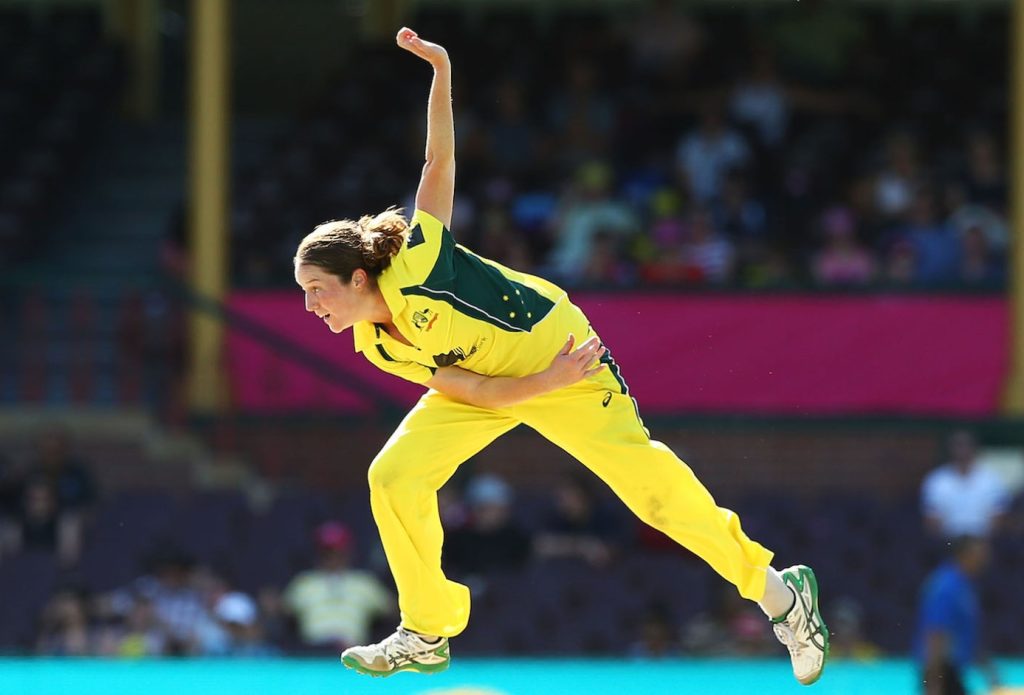
Cricket has always had its legends, and one of the most talked-about aspects of the game is the speed at which the ball is bowled. Fast bowlers from the 1970s and 1980s—such as the likes of Dennis Lillee, Geoff Thomson, and Michael Holding—are still remembered for their extraordinary pace and their ability to bowl at speeds exceeding 150 km/h regularly. Fast forward to today, and while there are still bowlers like Shoaib Akhtar, Brett Lee, and Dale Steyn who can bowl at blistering speeds, it’s often debated whether today’s fast bowlers are as quick as those who played decades ago. So, why aren’t today’s fast bowlers as quick as those from the ’70s and ’80s? There are a variety of factors that contribute to the apparent decline in pace over the years. From changes in training methods and pitch conditions to the evolution of cricketing technology, there are multiple reasons why the fastest bowlers of yesteryear might appear to have an edge over their modern counterparts. In this article, we will explore the key reasons behind the differences in pace between past and present fast bowlers, discussing aspects like advancements in fitness, changes in the game, and the evolving nature of fast bowling. 1. Changes In Training And Fitness One of the major reasons modern fast bowlers might not reach the same speeds as those from the ’70s and ’80s is the evolution of fitness and training regimes. While bowlers in the past were undoubtedly talented, the focus on fitness and conditioning in modern cricket has drastically changed. Fast bowlers today focus more on endurance, recovery, and injury prevention rather than sheer speed alone. Past Training Methods: Lack of Specialized Training: During the ’70s and ’80s, fast bowlers didn’t have the benefit of specialized strength and conditioning programs. The training mostly revolved around cricketing skills and fitness, but modern practices like gym-based strength training or explosive power exercises were not prevalent. Unstructured Conditioning: Bowlers of the past often relied on natural athleticism, playing multiple forms of the game like Test matches, One-Day Internationals, and domestic cricket to keep their fitness up. Modern Training Regimes: Focus on Fitness & Recovery: Today, there is a significant emphasis on fitness regimes, including gym workouts, cardio, and flexibility to help maintain speed and prevent injuries. Modern training is more structured and tailored to the specific needs of fast bowlers. Recovery Practices: The advent of ice baths, physiotherapy, and rest periods has resulted in fast bowlers of today focusing on managing their workload rather than maintaining the same intensity over long periods. Attribute 1970s-80s Fast Bowlers Modern Fast Bowlers Fitness Focus Cricket-based training Strength, conditioning, recovery Training Method Less structured, based on natural ability Gym, sprinting, and advanced techniques Injury Management Limited focus on recovery Dedicated injury management programs 2. Injury Concerns And Reduced Workload Fast bowlers are prone to injuries due to the high-impact nature of their bowling actions. Over the years, the toll on the body has become a significant concern, and modern cricket boards have adapted by managing the workloads of fast bowlers much more carefully. The introduction of injury prevention and rehabilitation techniques has reduced the number of injuries, but it has also meant that fast bowlers are no longer bowling at their maximum capacity in every match. Past Approach to Injuries: Higher Injury Rates: Fast bowlers in the ’70s and ’80s often bowled long spells, sometimes exceeding 20 overs a day, and didn’t have the same support systems to recover from injuries quickly. The aggressive nature of their bowling meant that their careers were often shorter due to repeated injuries. High-Intensity Bowling: Bowlers like Dennis Lillee and Jeff Thomson were known for bowling long spells and for their intense pace, despite their physical limitations and the lack of recovery methods. Modern Approach to Workload: Managed Workload: Today, fast bowlers’ workloads are carefully managed, with specific plans for rest and rehabilitation. This often means that modern fast bowlers are not able to maintain the same level of intensity in each match, as their bodies are preserved for longer careers. Focus on Longevity: Modern bowlers are expected to deliver a long career with sustainable performance, which often means bowling at speeds that are lower than their historical counterparts. Attribute 1970s-80s Fast Bowlers Modern Fast Bowlers Bowling Load High, with long spells Managed load with shorter spells Injury Rate High, frequent injuries Reduced injury rates due to careful management Workload Management Less consideration for rest Strategic workload for longevity 3. Changes In Pitch Conditions And Playing Surfaces Another crucial factor in the perceived decrease in pace is the evolution of pitch conditions. Fast bowlers thrive on pitches that offer pace and bounce, such as those found in Australia and South Africa. However, the pitches in modern cricket, particularly in subcontinental regions, have become much slower and lower, which does not help fast bowlers generate the same level of pace as they did on the pitches of the past. Past Conditions: Pace-Friendly Pitches: During the ’70s and ’80s, pitches in countries like Australia and the West Indies were often faster, offering more bounce and pace for fast bowlers to exploit. These conditions encouraged fast bowlers to bowl at higher speeds, making it easier for them to generate intimidating pace. Ball Quality: Older balls used to stay harder for longer, which allowed bowlers to maintain higher speeds. Over time, the ball quality has changed, and modern balls are softer, making it more difficult for bowlers to maintain velocity over long spells. Modern Conditions: Slower, Low-Bouncing Tracks: The introduction of pitches designed for spin bowling, especially in subcontinent regions, has reduced the opportunities for fast bowlers to bowl at high speeds. Wear and Tear on Balls: Modern cricket balls often wear out faster than in the past, limiting their ability to maintain pace through the latter stages of a spell. Attribute 1970s-80s Conditions Modern Conditions Pitch Speed Fast and bouncy (e.g., Australia, West Indies) Slower, lower, often spinner-friendly (e.g., India, Sri Lanka) Ball Wear Harder
Why Do Batsmen Dominate Captaincy Roles In Cricket Over Bowlers 2025?

Captaincy: In the world of cricket, the captaincy role is one of the most prestigious and influential positions within a team. Captains are not just responsible for making on-field tactical decisions, but they also carry the weight of the team’s morale, strategy, and overall performance. Interestingly, a pattern has emerged over the years where batsmen, rather than bowlers, dominate the captaincy roles. While there are several exceptions, the trend remains consistent across most cricketing nations. Captaincy: This article delves into the reasons why batsmen are more likely to become captains than bowlers, examining factors such as game dynamics, leadership traits, and tactical demands. 1. Tactical Control And Involvement Captaincy: One of the primary reasons why batsmen are often chosen as captains over bowlers lies in the nature of their role in the game. Batsmen are typically involved in the game for a longer period during a match, especially in Test cricket. A batsman is present at the crease for longer periods, which gives them a more comprehensive understanding of the game’s evolving nature. Average Time Spent On The Field By Batsmen And Bowlers In Test Matches Role Average Time Spent on Field (Minutes) Batsman 180-300+ Bowler 60-120 Captaincy: Batsmen can observe and assess the conditions, the field setup, and the opposition’s strengths and weaknesses in real time. This exposure allows them to make informed decisions, such as when to declare, how to set fields, and when to introduce changes in the batting order. On the other hand, bowlers typically spend a significant portion of the game off the field, especially in formats like Test cricket where batting sessions can last for hours. This reduced time spent in the game limits their ability to gather the same level of insights into the game’s flow. 2. Leadership And Decision-Making Skills Captaincy: Batsmen, particularly those in the top order, often have to demonstrate excellent decision-making skills. The mental fortitude required to stay at the crease for long periods is closely linked to leadership qualities. Captains are often required to make quick decisions under pressure, a trait that can be honed while batting. The ability to read the game, control emotions, and make strategic decisions are key components of effective leadership. Since batsmen spend more time on the field, they tend to develop these skills more thoroughly than bowlers. Leadership Skills By Role Skill Batsman Bowler Decision-Making High Medium Emotional Control High Medium Game Awareness High Medium Strategic Thinking High Low Captaincy: Bowling, by its nature, is often more focused and physically demanding, limiting the bowler’s capacity to engage in broader strategic thinking. A bowler is typically on the field for short bursts, usually focusing intensely on their next delivery or over. This limited involvement in the overall game can sometimes make bowlers less suitable for the role of a captain, which requires a wider view of the game’s development. 3. Player Consistency And Longevity Batsmen often enjoy longer careers than bowlers, as bowling tends to be more physically demanding. A bowler’s career can be interrupted by injuries, especially with the high impact and stress on the body. Fast bowlers, in particular, face risks of injuries to their shoulders, knees, and back, often curtailing their playing time. As a result, selecting a bowler as a captain might present challenges regarding the consistency of leadership over a long period. On the other hand, batsmen are less prone to injuries that would affect their ability to captain over time. Even though batting can be demanding mentally, the physical toll is often less severe than that on bowlers. Batsmen, therefore, have the potential for longer leadership tenures, offering greater stability to the team. Career Longevity And Fitness Impact Role Average Career Length (Years) Injury Impact (Frequency) Batsman 12-18 Low to Medium Bowler 8-14 High (Frequent Injuries) 4. Psychological Traits And Captaincy The psychological traits that are often associated with effective leadership, such as calmness under pressure, the ability to handle complex situations, and the mental strength to bounce back from setbacks, are often cultivated through the experience of batting. Batsmen are regularly required to recover from challenging situations — whether it’s being on the brink of dismissal or facing a hostile bowling attack. A bowler, in contrast, may not face such sustained pressure. While a bowler can experience tense moments during a match, they are often off the field for long stretches, meaning they have less exposure to the full spectrum of pressure that a captain must face. The role of captain requires a wide range of psychological attributes, and batsmen, having spent significant time in high-pressure situations, often display the emotional resilience and decision-making abilities required for captaincy. 5. Cultural And Historical Factors Historically, cricket has been a sport dominated by batsmen, particularly in the traditional contexts of the game. Most cricketing legends who have captained teams — such as Sir Donald Bradman, Sachin Tendulkar, Ricky Ponting, and Virat Kohli — have been batsmen. Over time, this historical trend has shaped perceptions about leadership in cricket. The selection of batsmen as captains has been normalized, and this practice continues today, even as the game evolves. Bowlers who have captained teams, such as Kapil Dev, Courtney Walsh, and Shane Warne, are notable exceptions, but they are fewer in number. Captains In Cricket’s History (Batting vs. Bowling Captains) Type of Captain Number of Captains (Past 50 Years) Batsman 80% Bowler 20% 6. Ability To Influence The Game While bowlers can change the course of a match through critical breakthroughs, batsmen have more control over the game’s tempo. In cricket, particularly in Test matches, a team’s batting order sets the pace of the game. A captain who is a top-order batsman has a direct influence on the score and can dictate how quickly the game progresses or stalls. By declaring innings or choosing when to attack, a batsman-captain can steer the course of a match more comprehensively. Bowlers, while important for key moments, do not usually control the pacing of the game to the same extent. Their role
Controversial Behavior: Pakistan Cricketers With A Reputation For Bad Manners 2025

Cricket is more than just a sport in Pakistan; it is a national obsession. Over the decades, Pakistani cricketers have captured the imagination of fans with their extraordinary talent and passion for the game. However, alongside their sporting achievements, some players have garnered a reputation for controversial behavior and questionable manners on and off the field. While their skills cannot be denied, their antics have often led to criticism and disciplinary action. This article delves into the controversial behavior of some Pakistan cricketers, offering an objective look at incidents that have marred their otherwise illustrious careers. The Role Of Aggression In Cricket Cricket, despite being labeled as a “gentleman’s game,” often sees players displaying aggression, particularly in high-stakes matches. For some Pakistani cricketers, this aggression has crossed the line, leading to confrontations with opponents, umpires, and even teammates. A combination of pressure, national pride, and personal temperament has often resulted in heated moments. Controversial Players And Incidents Player Name Notable Controversy Outcome Shahid Afridi Ball tampering incident in 2010 Fined and suspended for two T20 matches Shoaib Akhtar Physical altercation with Mohammad Asif in 2007 Sent home from T20 World Cup squad Umar Akmal Repeated disciplinary issues, including a leaked video rant Banned for three years (later reduced) Sarfaraz Ahmed Racial comment during an ODI against South Africa in 2019 Suspended for four matches Javed Miandad On-field spat with Dennis Lillee in 1981 Criticized for unsportsmanlike behavior Waqar Younis Ball tampering allegations in 2000 Fined 50% of match fee Mohammad Amir Spot-fixing scandal in 2010 Five-year ban and imprisonment Shahid Afridi: The Eccentric Star Shahid Afridi, also known as “Boom Boom Afridi,” is one of the most iconic cricketers in Pakistan’s history. However, his career has not been without controversy. In 2010, Afridi was caught on camera biting the ball during an ODI against Australia, an act of blatant ball tampering. Afridi later justified his actions by saying he was trying to “smell the ball.” This incident led to widespread criticism and a two-match suspension. Despite this, Afridi’s charisma and match-winning performances have often overshadowed his controversial moments. Shoaib Akhtar: The Rawalpindi Express Known for his fiery pace and equally fiery temperament, Shoaib Akhtar has been involved in numerous controversies throughout his career. One of the most infamous incidents occurred in 2007 when he was sent home from the inaugural T20 World Cup after physically assaulting teammate Mohammad Asif with a bat. Akhtar’s aggressive personality often clashed with team management, leading to suspensions and fines. Despite his controversies, Akhtar’s record-breaking speed and match-winning spells have secured his place as one of the most exciting fast bowlers in cricket history. Umar Akmal: The Troubled Talent Umar Akmal’s career is a textbook case of wasted potential. The younger Akmal brother burst onto the international scene with immense talent but soon became known more for his off-field antics than his cricketing exploits. From altercations with coaches to unprofessional conduct during training sessions, Umar Akmal’s disciplinary issues have been a constant problem. In 2020, he was banned for failing to report approaches by bookies, a ban that was initially set at three years but later reduced to 12 months. Umar remains a polarizing figure in Pakistani cricket. Sarfaraz Ahmed: Crossing The Line Sarfaraz Ahmed, who led Pakistan to its first ICC Champions Trophy victory in 2017, faced a major backlash in 2019 for making a racial comment directed at South African player Andile Phehlukwayo during an ODI. The comment, caught on the stump microphone, led to Sarfaraz being suspended for four matches and issuing a public apology. While Sarfaraz is generally regarded as a humble and hardworking player, this incident tarnished his reputation to some extent. Factors Contributing To Controversial Behavior Several factors contribute to the controversial behavior of cricketers: Pressure to Perform: The expectations from fans and media can sometimes lead players to act impulsively. Cultural and Temperamental Differences: Aggression is often seen as a means to assert dominance, but it can sometimes be misdirected. Lack of Professional Guidance: Poor management and lack of proper mentorship have also been cited as reasons for some players’ behavior. Media Scrutiny: With the rise of social media, every action is amplified, often blowing minor incidents out of proportion. The Impact Of Controversies On Pakistani Cricket The controversies surrounding Pakistani cricketers have had both positive and negative impacts: Impact Description Negative Damaged the image of Pakistani cricket on the global stage. Positive Raised awareness about the need for better player management and stricter disciplinary measures. Mixed Generated media attention, sometimes drawing more viewers and fans to the sport. Steps Taken To Improve Discipline The Pakistan Cricket Board (PCB) has taken several measures to address behavioral issues among players: Code of Conduct: Implementing strict rules and penalties for misconduct. Education Programs: Conducting workshops on professionalism and ethical behavior. Psychological Support: Offering mental health support to help players manage stress and aggression. Leadership Roles: Appointing experienced players as mentors to guide younger talent. While Pakistani cricketers’ controversial behavior has often been a talking point, it is essential to view these incidents in context. These players are human, prone to mistakes, and operate under immense pressure. Efforts by the PCB to instill discipline and professionalism have shown promise, but there is still work to be done. Ultimately, the goal should be to channel their aggression and passion into performances that inspire fans and uphold the spirit of the game. The legacy of Pakistan cricket is built on a blend of brilliance and chaos. If managed effectively, these moments of controversy can serve as lessons, paving the way for a more professional and respectful generation of cricketers. E2BET: Welcome! Discover Endless Betting Possibilities!
Top 5 Batsmen with Most Runs in Consecutive T20Is Without Dismissal
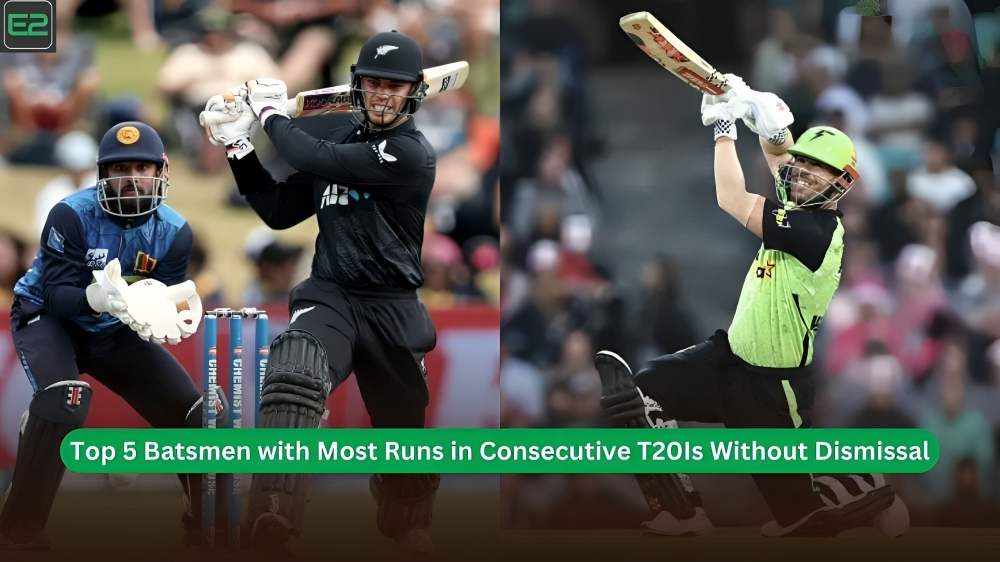
Consistency in T20 cricket is a major challenge for batsmen. While the format encourages aggressive stroke play, it also increases the risk of frequent dismissals, especially when compared to the more traditional formats of Test and ODI cricket. In Tests and ODIs, a batsman’s average is often the key measure of success. However, in T20s, the strike rate becomes the defining factor in evaluating a player’s impact. 5. David Warner (AUS) – 239 runs One of the greatest T20I batsmen, David Warner scored 239 runs between his two dismissals in 2019. His excellent form included a century and two half-centuries. Warner started his excellent run against Sri Lanka with a hundred (100) in Adelaide followed by a couple of half centuries (60) and (57*) in Brisbane and Melbourne respectively. He then posted a unbeaten two runs against Pakistan in Sydney before finally getting bowled on 20 runs in Canberra by Mohammad Amir. He retired from T20I cricket after Australia’s exit from the ICC Men’s T20 World Cup 2024. 4. Shreyas Iyer (IND) – 240 runs Indian middle-order batter Shreyas Iyer achieved history when he scored 240 runs between his dismissals in 2022. Iyer starred for India in their three-match T20I series against Sri Lanka in 2022 by posting the scores of 57, 74 and 73* in Lucknow and Dharamshala (common venue for second and third T20I). His run came to an end in Delhi against South Africa when he was bowled for 36 runs. 3. Aaron Finch (AUS) – 240 runs Former Australia captain Aaron Finch is one of the greatest Australian batsmen in T20I cricket history. Finch scored 240 runs without getting dismissed in two T20Is in a tri-series against Zimbabwe and Pakistan in 2018. Finch scored an unbeaten 68 against Pakistan in Harare in 2018, followed by an impressive unbeaten 172 against Zimbabwe at the same venue just a day later. His brilliance helped Australia seal their berth in the finals of the tri series with a 100-run win. 2. Mark Chapman (NZ) – 271 runs New Zealand all-rounder Mark Chapman is next on the list with 271 runs between his two dismissals in T20I cricket. He registered this remarkable record by racking up impressive unbeaten knocks of 65 and 16 runs in Lahore followed by another half century (71) and century (104) in Rawalpindi against Pakistan in 2023. The southpaw was finally dismissed on 15 runs against UAE in Dubai. 1. Tilak Varma (IND) – 318 runs Among cricketers from test playing nations, India’s left-handed batter Tilak Varma holds the record of making most runs in T20I cricket between two dismissals. Verma scored unbeaten knocks of 107 and 120 against South Africa in Centurion and Johannesburg respectively in 2024 before adding an unbeaten 19 in Kolkata during the first T20I against England. His 72 not out in Chennai took his tally to 318 runs since his last dismissal. Welcome to E2Bet! Get ready for fun and exciting gaming adventures!
IPL 2025: Who Inspired The IPL Logo?

The Indian Premier League (IPL) is not just a cricket tournament; it’s a global phenomenon. Since its inception in 2008, the IPL has captured the imagination of millions, blending cricket with entertainment, glamour, and business. Among the many elements that contribute to its identity, the IPL logo stands out as an iconic symbol of the league’s brand. But who or what inspired the IPL logo, and how was it designed to encapsulate the spirit of this revolutionary tournament? Let’s dive deep into the story behind the IPL logo. The Evolution Of The IPL Logo The IPL logo, with its dynamic depiction of a batsman in action, represents the essence of the game: energy, skill, and entertainment. Its design reflects not only the competitive spirit of the league but also its innovative and inclusive approach to cricket. To understand the inspiration behind the IPL, let’s explore its elements: Logo Element Description Symbolism Batsman Silhouette A player in mid-swing with a bat raised high. The excitement and dynamism of cricket. Curved Strokes Flowing lines that form the base of the design. Energy, motion, and fluidity. Blue and Gold Colors Blue for trust and stability; gold for prestige and glamour. Represents the league’s values and stature. Typography Bold, modern font for “IPL.” Professionalism and modernity. Inspiration Behind The Logo The logo is believed to have drawn inspiration from multiple sources, combining elements of: 1. Cricket Itself The primary inspiration for the IPL logo comes from the game of cricket. The silhouette of a batsman symbolizes the central role of players in the league. The batsman’s pose, mid-swing, highlights the action-packed nature of the tournament, where every shot and delivery matters. 2. The Global Sports Landscape The IPL took cues from other global sports leagues like the NBA (National Basketball Association) and the EPL (English Premier League). These leagues have distinct logos that embody their brand values, and the IPL’s creators aimed to achieve a similar level of recognition. The dynamic design of the batsman is reminiscent of the iconic NBA logo’s player silhouette. 3. Indian Culture and Festivity India’s vibrant culture and love for cricket play a significant role in the logo’s design. The curved strokes evoke a sense of celebration and movement, much like the festive atmosphere that surrounds IPL matches. 4. Innovation and Entertainment The IPL’s identity as a fusion of cricket and entertainment is reflected in this. The modern typography and energetic design represent the league’s innovative approach and its appeal to younger audiences. The Process Behind The Design The Indian Premier League logo was designed under the guidance of the Board of Control for Cricket in India (BCCI) and a team of branding experts. The process involved: Understanding the Brand Identity: The designers first analyzed what the Indian Premier League represented: a mix of cricket, entertainment, and business. They aimed to create a logo that resonated with fans and stakeholders alike. Sketching Initial Concepts: Early drafts of the logo included various depictions of cricketing actions, such as batting, bowling, and fielding. The batsman silhouette was ultimately chosen for its universal appeal and connection to cricket fans. Finalizing the Design: After multiple iterations, the design was finalized with input from the BCCI and IPL stakeholders. The chosen color scheme, fonts, and overall layout were carefully curated to align with the league’s vision. How The Indian Premier League Logo Compares To Other Cricket League Logos To understand the uniqueness of the IPL logo, let’s compare it with the logos of other popular cricket leagues: League Logo Description Key Features IPL Batsman silhouette, blue and gold colors, bold font. Dynamic, celebratory, cricket-focused. Big Bash League (BBL) Shield-shaped logo with bold letters “BBL.” Simplistic, modern, shield symbolizes strength. Pakistan Super League (PSL) Green color palette with a cricketer in action. Emphasizes national identity and cricketing spirit. Caribbean Premier League (CPL) Multicolored design with a carnival vibe. Represents the festive culture of the Caribbean. The Indian Premier League logo stands out due to its combination of elegance and energy, striking a balance between professionalism and excitement. The Role Of The IPL Logo In Brand Building The Indian Premier League logo has been instrumental in establishing the league’s brand identity. Its impact can be seen in: Global Recognition The logo is instantly recognizable, even among casual cricket fans. It has become a symbol of the IPL’s global appeal and stature. Merchandising The IPL logo is prominently featured on merchandise like jerseys, caps, and accessories, contributing significantly to the league’s revenue. Fan Engagement The logo’s dynamic design resonates with fans, making it a popular feature in social media campaigns, advertisements, and promotional events. Fun Facts About The IPL Logo Hidden Symbolism: The curved strokes below the batsman can also be interpreted as a cricket ball’s trajectory, adding depth to the design. Initial Reception: When the logo was unveiled in 2008, it received widespread praise for its modern and energetic look. Logo Evolution: While the core design has remained the same, minor tweaks have been made over the years to keep it fresh and relevant. The Future Of The Indian Premier League Logo As the Indian Premier League continues to grow, the logo is likely to evolve to reflect the league’s changing dynamics. However, the core elements that make it iconic—the batsman, the energy, and the celebration of cricket—will remain integral to its design. The Indian Premier League logo is much more than a design; it’s a symbol of cricketing excellence, entertainment, and global appeal. Inspired by cricket, global sports branding, and India’s cultural vibrancy, the logo captures the essence of the IPL perfectly. As the league scales new heights, the logo will continue to be a beacon of its identity, cherished by fans worldwide. E2BET: Welcome! Discover Endless Betting Possibilities!
Who Is The Number 1 Player In IPL History?

Player: The Indian Premier League (IPL) is one of the most competitive and star-studded T20 cricket tournaments in the world. Since its inception in 2008, it has attracted the best cricketers globally, delivering unparalleled entertainment and thrilling cricket. Over the years, many players have risen to prominence, but the question remains: who is the number one player in IPL history? While opinions may differ, a few names consistently appear in discussions due to their exceptional performances, match-winning abilities, and consistent contributions. This article analyzes the top contenders for the title of “Number 1 Player in IPL History,” based on statistics, impact, and legacy. Criteria For Determining The Best Player To evaluate the top player in IPL history, we considered the following factors: Consistency: Players who have delivered consistent performances over multiple seasons. Match-Winning Ability: Players who have played crucial roles in winning matches for their teams. Records and Milestones: Players with significant records in batting, bowling, or fielding. Impact on Team Success: Contributions to their team’s victories and IPL titles. Fan Following: Popularity and influence beyond statistics. Top Contenders For The Number 1 Player The following table summarizes the key statistics of players often considered the best in IPL history: Rank Player Name Matches Played Runs Scored Wickets Taken IPL Titles Won Key Achievements 1 Virat Kohli 237 7,000+ N/A 0 All-time leading run-scorer 2 MS Dhoni 250 5,000+ N/A 5 Most successful captain, best finisher 3 Rohit Sharma 243 6,000+ N/A 5 Most IPL titles as captain 4 Chris Gayle 142 4,965 N/A 0 Highest individual score in IPL (175*) 5 AB de Villiers 184 5,162 N/A 0 Exceptional strike rate, 360-degree hitter 6 Lasith Malinga 122 N/A 170 4 All-time leading wicket-taker 7 Andre Russell 112 2,350+ 100+ 2 Best all-rounder in IPL history Analysis Of Top Players 1. Virat Kohli Virat Kohli, the all-time leading run-scorer in IPL history, has been a pillar for the Royal Challengers Bangalore (RCB) since the league’s inception. His 2016 season, where he scored a record-breaking 973 runs, remains unmatched. Key Achievements: Despite his immense contributions, Kohli is yet to win an IPL title, which slightly impacts his claim to being the number one player. 2. MS Dhoni MS Dhoni, known as “Captain Cool,” is synonymous with the Chennai Super Kings (CSK). His calm demeanor, unmatched finishing skills, and leadership have earned him a legendary status. Key Achievements: Dhoni’s ability to lead a team to consistent success makes him a strong contender for the top spot. 3. Rohit Sharma Rohit Sharma is the most successful captain in IPL history, having led the Mumbai Indians (MI) to five titles. His calm leadership and dependable batting make him one of the all-time greats. Key Achievements: Rohit’s unparalleled success as a captain and his consistent performances cement his legacy. 4. Chris Gayle Known as the “Universe Boss,” Chris Gayle is the most explosive batsman in IPL history. His ability to destroy bowling attacks is unparalleled. Key Achievements: While Gayle’s contributions are phenomenal, his lack of an IPL title slightly diminishes his claim. 5. AB de Villiers AB de Villiers, known for his 360-degree batting style, has been a fan favorite. His ability to win matches single-handedly makes him a standout performer. Key Achievements: Though de Villiers is yet to win an IPL title, his impact on the league is undeniable. 6. Lasith Malinga Lasith Malinga is the most successful bowler in IPL history. His toe-crushing yorkers and consistency make him a legend of the league. Key Achievements: 7. Andre Russell Andre Russell is arguably the best all-rounder in IPL history. His ability to turn games with both bat and ball makes him a unique asset. Key Achievements: Statistical Breakdown of Contenders Player Name Batting Average Bowling Economy (if applicable) Strike Rate Best Performance (Runs/Wickets) Virat Kohli 37.39 N/A 130+ 122* MS Dhoni 39.09 N/A 135+ 84* Rohit Sharma 30.3 N/A 130+ 109* Chris Gayle 39.72 N/A 150+ 175* AB de Villiers 39.95 N/A 151.68 133* Lasith Malinga N/A 7.14 N/A 5/13 Andre Russell 30+ 8.90 170+ 88*, 5/15 Determining the number one player in IPL history is challenging, as it depends on individual preferences and criteria. However, based on the combination of statistics, impact, and legacy, MS Dhoni emerges as the leading contender due to his unmatched leadership, consistency, and ability to deliver under pressure. His five IPL titles as captain and his iconic status make him a fan favorite. Rohit Sharma’s success as a captain and Virat Kohli’s extraordinary batting achievements also place them in contention. Ultimately, the title of “Number 1 Player in IPL History” might vary among fans, but all these players have left an indelible mark on the league. E2BET: Welcome! Discover Endless Betting Possibilities!
Which Match Has The Lowest Score In The Big Bash League 2025?
Score: The Big Bash League (BBL) has become one of the premier T20 leagues in the world, showcasing exciting cricket, memorable performances, and high-scoring encounters. From explosive batting displays to stunning bowling performances, the league has produced numerous thrilling matches. However, not every game in the competition has been filled with fireworks. In fact, some matches have been marked by remarkably low scores, especially when the batting collapses in dramatic fashion. Among these, there is one match in particular that stands out as having the lowest score in Big Bash League history. This article will take a deep dive into the match, discuss the circumstances around the low score, and explore the factors that led to such an outcome. The Lowest Score in BBL History The lowest score in Big Bash League history was set in the 2015-16 BBL season, during a match between the Melbourne Renegades and the Sydney Thunder. This encounter remains one of the most talked-about games in BBL history due to the sheer dramatic nature of the game and the incredible collapse that led to the Renegades’ dismal performance. The Match: Melbourne Renegades vs. Sydney Thunder (2015-16) The match took place on January 14, 2016, at the Melbourne Cricket Ground (MCG), one of the biggest stadiums in the world. Both teams were part of the BBL’s original lineup, and the game was expected to be competitive given the quality of players in both teams. However, what transpired on that day would shock everyone. The Melbourne Renegades, known for having strong batting line-ups, found themselves bowled out for a mere 57 runs, which is still the lowest score ever recorded in the BBL. Match Breakdown: Melbourne Renegades’ Batting Collapse Team Innings Runs Wickets Overs Faced Highest Score Melbourne Renegades 1st innings 57 10 15.5 Marcus Harris – 14 Sydney Thunder 2nd innings 58 3 13.4 Shane Watson – 34 The Renegades’ Batting Performance The Renegades’ batting performance was nothing short of a disaster. After winning the toss, they chose to bat first, but from the very beginning, they were put under immense pressure by the Sydney Thunder bowlers. Early Wickets: The Renegades lost their opening wickets quickly, with their top order failing to handle the swinging conditions. Star players like Aaron Finch, Matthew Wade, and Ben Dunk were dismissed cheaply, and the middle order failed to recover. Bowlers in Control: The Thunder’s bowling attack, led by Shane Watson and Andrew Tye, dominated the match. They used the conditions to their advantage, making full use of the MCG’s pitch, which had some movement early on. The Thunder bowlers maintained a tight line and length, reducing the Renegades’ batting line-up to rubble. Key Contributions: The highest score for the Renegades came from Marcus Harris, who managed just 14 runs. Apart from him, no other batsman reached double figures, and the Renegades were bowled out for 57 runs in just 15.5 overs. Sydney Thunder’s Quick Chase In response to the Renegades’ paltry total of 57, the Sydney Thunder needed just 58 runs to win. While the chase seemed straightforward, the Thunder also faced a few hiccups on the way, losing three wickets during the chase. Shane Watson’s Impact: The experienced all-rounder Shane Watson top-scored for the Thunder, contributing 34 runs from 23 balls. Watson’s steady batting anchored the chase and helped the Thunder get closer to the target. Thunder’s Chase: Despite losing three wickets, the Thunder crossed the finish line with ease, reaching 58/3 in just 13.4 overs. This quick chase completed one of the most unexpected games in BBL history. Factors Leading To The Lowest Score Several factors contributed to the Melbourne Renegades’ shocking collapse, and it’s worth analyzing them in detail to understand why such a low score was registered. 1. Brilliant Bowling by Sydney Thunder The Sydney Thunder bowlers were in impeccable form during this match. Shane Watson and Andrew Tye spearheaded the attack, with the former taking 3 wickets for 14 runs and the latter claiming 3 wickets for 16 runs. Their ability to extract movement from the pitch, especially during the early stages of the innings, created immense pressure on the Renegades’ batsmen. Shane Watson was particularly brilliant, bowling with precision and discipline. His experience in both domestic and international cricket allowed him to outthink the Renegades’ batsmen. Andrew Tye used his variations effectively, including his deadly yorkers and slower balls, to cause confusion in the Renegades’ batting order. 2. Poor Batting by the Renegades On the flip side, the Melbourne Renegades’ batting simply fell apart. While the Thunder bowlers were excellent, the Renegades’ batsmen also failed to adapt to the conditions. The pitch had some bounce and swing, which troubled the Renegades throughout their innings. Inability to Build Partnerships: The Renegades had no significant partnerships, with wickets falling at regular intervals. The collapse was swift, and none of the batsmen managed to stabilize the innings or build any resistance against the Thunder bowlers. Pressure of Big Games: The Renegades’ batting line-up, which included some big names, was unable to handle the pressure of a high-stakes match. Big players like Aaron Finch, Matthew Wade, and Ben Dunk could not adapt to the challenging conditions, leading to their untimely dismissals. 3. Tactical Mistakes and Mental Errors It is also fair to say that there were some tactical errors and mental mistakes that contributed to the Renegades’ downfall: Impact Of The Match: A Defining Moment In BBL History This match remains one of the most talked-about games in the history of the Big Bash League. It showcased how a combination of exceptional bowling and poor batting could result in a shocking low score. While the Thunder’s victory was clinical, the Renegades’ collapse was a cautionary tale about how fragile a batting line-up can be in T20 cricket. 1. Psychological Impact For the Renegades, this defeat had a psychological impact. Despite the low score, they went on to bounce back in future seasons, but the 2015-16 season remains a painful memory. On the other hand, for the
IND vs ENG: Top 5 Player Battles to Watch in 1st T20I
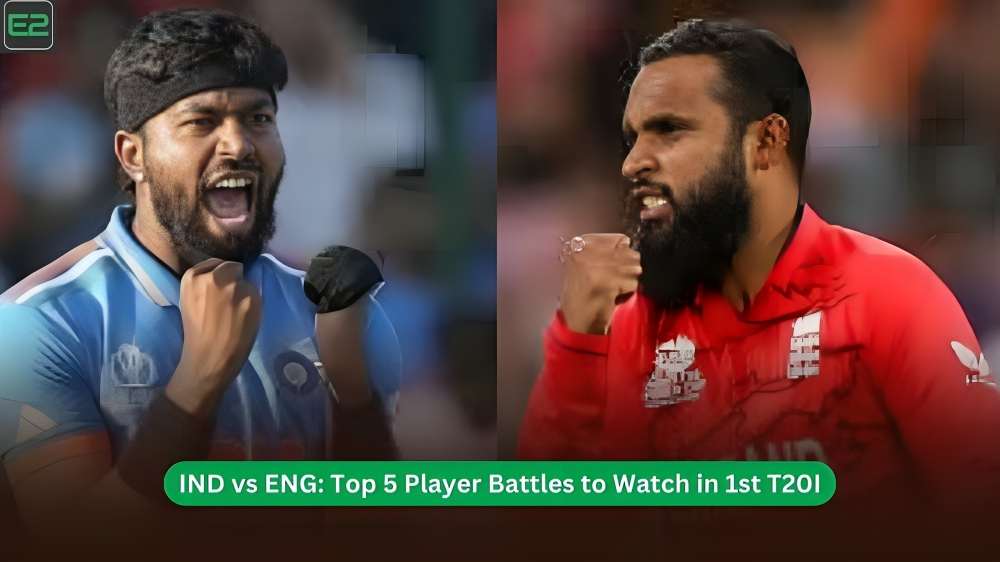
T20I series rarely generate as much excitement as the upcoming India vs. England clash. The five-match series features two limited-overs giants—India and England—both of whom are among the only three teams to have won the ICC Men’s T20 World Cup twice. Although England embraced an aggressive white-ball approach years ago, India have adopted a similar style in recent years, making this series even more compelling. With Eden Gardens in Kolkata now a batting paradise, as evidenced during IPL 2024, records could tumble in the opening game. 1. Sanju Samson vs Mark Wood Sanju Samson is in red-hot form, with three centuries in his last five T20I innings. He faces a tough challenge in Mark Wood, who returns to international cricket after an injury layoff. Wood’s express pace and hard lengths will test Samson, who thrives on pace and enjoys the ball coming onto the bat. Their contest in the powerplay promises fireworks. 2. Suryakumar Yadav vs Jofra Archer Suryakumar Yadav’s maiden international runs came with a stunning scoop six off Jofra Archer in 2021. As Archer returns to spearhead England’s attack, his pace and versatility with both the new and old ball will be pitted against Suryakumar’s unparalleled 360-degree stroke play. This battle could shape the outcome of the match. 3. Hardik Pandya vs Adil Rashid A fascinating middle-over duel awaits between Hardik Pandya and Adil Rashid. Pandya, known for his big hits against spinners, will look to dominate, while Rashid’s experience and guile make him a potent threat in the shortest format. This matchup could prove decisive in setting the tone for the game. 4. Arshdeep Singh vs Phil Salt Arshdeep Singh, after a stellar 2024 T20I campaign with 36 wickets in 18 matches, will lead India’s attack with the new ball. He will take on the explosive Phil Salt, who smashed 350 runs at a strike rate of 185 in IPL 2024 at Eden Gardens. Swing versus aggression – this clash in the powerplay will be pivotal. 5. Varun Chakravarthy vs Harry Brook Varun Chakravarthy, fresh off a successful comeback with 17 wickets in his last seven matches, including a five-for, will look to outsmart Harry Brook. Brook, England’s rising star, had a phenomenal 2024, averaging 54 in T20Is at a strike rate of 150. Can Varun’s mystery spin prevail against Brook’s aggressive approach? All eyes will be on this contest at Eden Gardens. Welcome to E2Bet! Play exciting games and experience endless fun!
Which Team Is Successful In BBL 2025?
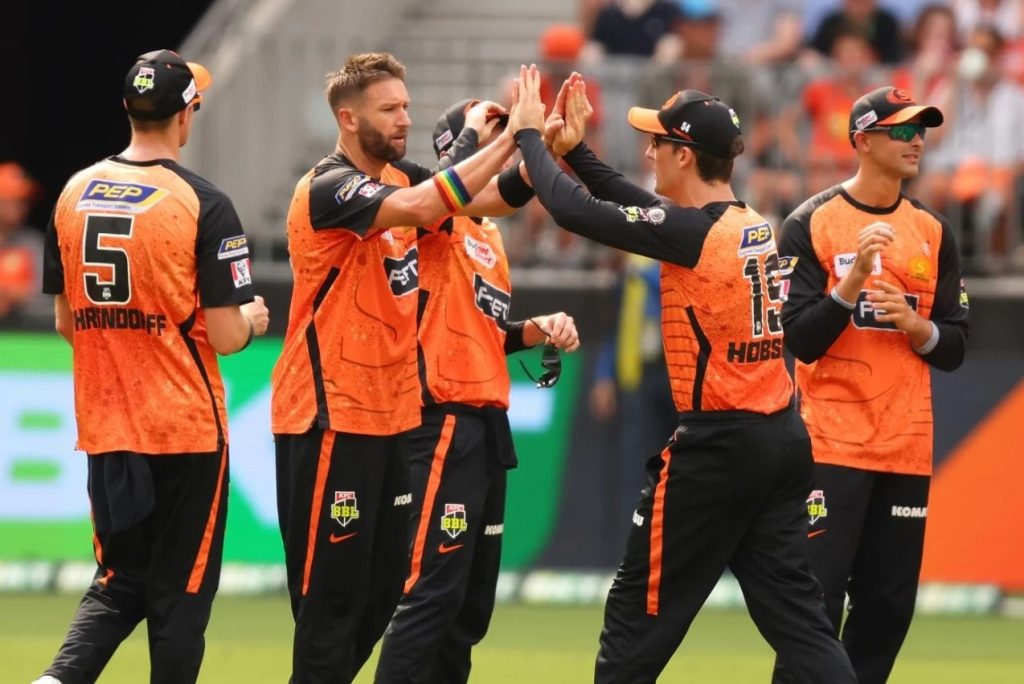
Team: The Big Bash League (BBL) is one of the most exciting T20 cricket tournaments in the world, featuring intense rivalries, spectacular performances, and a competitive spirit that captivates fans globally. Among the eight participating teams, some have consistently outperformed others, earning a reputation as the most successful franchises in the league’s history. This article explores the team that stands out as the most successful in the BBL and analyzes the factors behind their dominance. The Most Successful Team: Perth Scorchers The Perth Scorchers are widely regarded as the most successful team in BBL history. With five titles to their name, they have set the benchmark for excellence in the league. Here is a breakdown of their achievements: Titles Won Seasons Won 5 2013-14, 2014-15, 2016-17, 2021-22, 2022-23 Key Statistics Overall Performance Metric Value Total Matches Played 140 Wins 89 Losses 48 Win Percentage 63.57% Finals Appearances The Perth Scorchers have appeared in 7 BBL finals, more than any other team. Their ability to perform under pressure has been a hallmark of their success. Season Opponent Result 2013-14 Hobart Hurricanes Won by 39 runs 2014-15 Sydney Sixers Won by 4 wickets 2016-17 Sydney Sixers Won by 9 wickets 2021-22 Sydney Sixers Won by 79 runs 2022-23 Brisbane Heat Won by 5 wickets Factors Behind Perth Scorchers’ Success 1. Strong Team Culture The Scorchers have cultivated a culture of consistency, discipline, and teamwork. Players often speak about the supportive environment and the emphasis on collective success rather than individual glory. 2. Exceptional Leadership The team has been led by some of the best cricketing minds, including: 3. World-Class Players The Scorchers have boasted an impressive roster of players over the years. Key contributors include: Player Role Impact Shaun Marsh Batsman Consistent run-scorer in early seasons Mitchell Marsh All-Rounder Match-winning performances with bat & ball Andrew Tye Bowler Leading wicket-taker in several seasons Jhye Richardson Bowler Vital in death-over scenarios Ashton Agar All-Rounder Provides balance with both bat and ball 4. Home Advantage The Scorchers play their home games at the Optus Stadium in Perth, a venue known for its fast and bouncy pitches. They have mastered the conditions, making it a fortress where they enjoy a significant home-ground advantage. 5. Balanced Squad The Scorchers excel in assembling a well-balanced squad, featuring experienced players and young talents. This balance ensures depth in both batting and bowling. Comparisons With Other Teams While the Perth Scorchers lead the pack in terms of success, other teams have also made their mark in the BBL. Here’s how the Scorchers compare to their closest competitors: Team Titles Won Finals Appearances Win Percentage Perth Scorchers 5 7 63.57% Sydney Sixers 3 6 61.25% Brisbane Heat 1 2 54.34% Adelaide Strikers 1 1 55.60% Sydney Thunder 1 1 50.12% Melbourne Renegades 1 1 48.85% Notable Rivalries The Scorchers’ success has often been defined by their intense rivalries with other teams, particularly the Sydney Sixers. Perth Scorchers vs. Sydney Sixers Metric Scorchers Sixers Matches Played 20 8 Wins Finals Encounters 3 2 Wins This rivalry is one of the most anticipated in the league, often featuring high-stakes matches and nail-biting finishes. Memorable Moments Future Prospects The Perth Scorchers’ consistent performances indicate that they are well-positioned to add more titles to their collection. With a strong management team and a talent pipeline that consistently produces match-winners, the Scorchers are set to remain a dominant force in the BBL. The Perth Scorchers’ five titles and remarkable consistency make them the most successful team in BBL history. Their dominance is a result of exceptional leadership, strategic squad building, and a strong team culture. While other teams like the Sydney Sixers have also tasted success, the Scorchers remain the gold standard in the league. As the BBL continues to grow, fans can look forward to more thrilling performances from this powerhouse team. E2BET: Welcome! Discover Endless Betting Possibilities!
What Is The Salary Of Women Cricketers In The WBBL In Australia 2025?
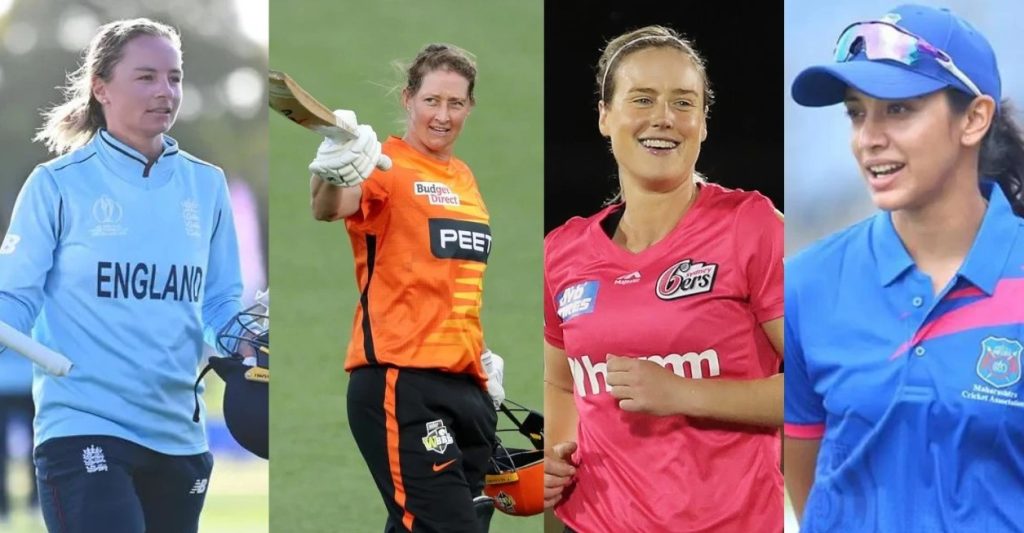
Women: The Women’s Big Bash League (WBBL) has played a transformative role in elevating the profile of women’s cricket, not only in Australia but globally. While the league is renowned for its competitive cricket and exciting matches, it has also been instrumental in enhancing the financial landscape for women cricketers. This article provides a detailed analysis of the salaries of WBBL players, the structure of player contracts, and comparisons with other T20 leagues, offering a comprehensive understanding of the earning opportunities in this prestigious tournament. WBBL Salary Structure The salaries of WBBL players are governed by Cricket Australia’s (CA) pay agreements. These agreements ensure fair compensation and career sustainability for players. Here’s a breakdown of the key aspects: Domestic vs. International Players Both Australian domestic players and international stars participate in the WBBL. Their salaries differ based on their role, experience, and market value. Player Type Average Salary (AUD) Top Salary (AUD) Domestic Players 25,000 – 80,000 90,000 International Marquee Players 70,000 – 110,000 110,000 International marquee players, such as those from England, New Zealand, South Africa, and India, often command higher salaries due to their star power and global fan following. Factors Influencing Player Salaries Several factors determine the salaries of players in the WBBL: Comparison of Salaries in WBBL and Other T20 Leagues To understand how WBBL salaries stack up against other T20 leagues, let’s compare it with the Women’s Hundred and the Women’s Premier League (WPL): League Minimum Salary (AUD) Maximum Salary (AUD) Average Salary (AUD) WBBL 20,000 110,000 60,000 Women’s Hundred 17,000 75,000 40,000 Women’s Premier League 30,000 500,000 150,000 The Women’s Premier League (WPL) in India offers significantly higher salaries, reflecting its massive market size and commercial success. However, the WBBL remains one of the most lucrative and professionally managed leagues. Average Earnings Over the Years The salaries in the WBBL have witnessed consistent growth, thanks to Cricket Australia’s commitment to gender pay parity. Here is a historical overview of average earnings: Season Average Salary (AUD) Salary Cap per Team (AUD) WBBL 01 7,000 WBBL 04 15,000 WBBL 08 60,000 The substantial increase in salary caps and player earnings highlights the league’s growth and the increasing investment in women’s cricket. Financial Benefits Beyond Salaries In addition to salaries, WBBL players benefit from various perks and incentives: Position Prize Money (AUD) Champions 100,000 Runners-up 50,000 Third Place 20,000 Challenges and Future Opportunities While WBBL salaries have improved, challenges remain in achieving complete gender pay parity. Some key areas to address include: The WBBL has been a trailblazer in promoting women’s cricket, offering competitive salaries and professional environments for players. While there is room for improvement, the league’s growth trajectory suggests a promising future for women cricketers. With increasing investments, growing fan support, and rising global interest, WBBL players can look forward to even better financial rewards in the coming years. As the league continues to set new benchmarks, it solidifies its status as a cornerstone of women’s cricket. E2BET: Welcome! Discover Endless Betting Possibilities!