

Hitting Sixes In Cricket 2025: The Ultimate Guide To The Rules For Hitting Sixes In Cricket
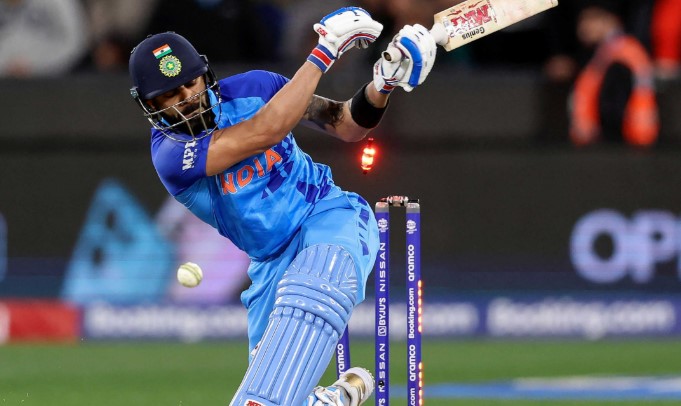
Hitting Sixes In Cricket: One of the most thrilling aspects of cricket is watching a batsman launch the ball out of the ground for a six. It’s a moment of pure excitement, captivating the crowd and often changing the course of a match. But hitting a six isn’t as simple as just striking the ball hard. There are several rules and conditions that govern what makes a six a legitimate hit in cricket. Whether you’re a budding cricketer or a passionate fan, understanding these rules is essential for fully appreciating the spectacle of sixes in cricket. Hitting Sixes In Cricket: This guide will walk you through the rules, conditions, and different scenarios that determine how a six is scored, offering you a deeper understanding of this iconic cricket achievement. What Is A Six In Cricket? Hitting Sixes In Cricket: In cricket, a six is scored when the batsman hits the ball out of the playing field boundary without the ball touching the ground. The moment the ball crosses the boundary line on the full (without bouncing), the batsman is credited with six runs. It is one of the most spectacular ways to score runs and requires not only raw power but also great timing and placement. Hitting Sixes In Cricket: It is one of the most sought-after achievements in the game, especially in limited-overs formats like T20 and ODIs, where quick runs are crucial. Conditions For Hitting A Legal Six Hitting Sixes In Cricket: There are specific rules and conditions that determine whether a hit qualifies as a six in cricket: 1. Boundary: Hitting Sixes In Cricket: For a shot to be counted as a six, the ball must cross the boundary on the full, meaning it must not touch the ground before crossing the boundary line. If the ball bounces before reaching the boundary, it is considered a four, not a six. 2. Height Of The Hit: Hitting Sixes In Cricket: The height at which the ball crosses the boundary is irrelevant. As long as it crosses the boundary without touching the ground, it is considered a six. Whether the ball is hit at ground level, over the ropes, or even as a high-flying shot, it remains six runs. 3. The Ball’s Trajectory: Hitting Sixes In Cricket: The ball must not be caught by a fielder or cross the boundary with the help of a fielder’s action. For example, if the fielder jumps to catch the ball but the ball touches the ground before crossing the boundary line, the batsman scores a four. A six is only awarded if the ball clears the boundary line without any such interference. 4. Fielder’s Position: Hitting Sixes In Cricket: If the ball is hit so high that a fielder attempts to catch it but fails, it is still considered a six if it crosses the boundary line. However, if a fielder is standing just inside the boundary rope and catches the ball, it is considered a catch, and the batsman is dismissed. The catch must happen before the ball touches the ground. 5. Boundary Markers: Hitting Sixes In Cricket: In standard cricket grounds, the boundary is marked by a rope or a line on the field. The boundary is considered the boundary line, and anything beyond it is out of play. The ball must cross this line entirely for a six to be awarded. Different Types Of Sixes In Cricket While the rules remain the same, the ways in which players hit sixes can vary widely. Different types of sixes are classified based on the technique and the type of delivery: 1. Straight Six: A straight six is hit when the batsman strikes the ball directly down the ground. It’s typically executed by drives or lofted shots and often requires excellent timing. 2. Hook Or Pull Shot Six: A batsman may hit a six by pulling or hooking the ball over the leg side, typically when the ball is delivered short. These shots are more common against pace bowlers and require quick reflexes. 3. Cut Shot Six: A cut shot six is hit when the batsman cuts a short ball (usually outside the off-stump) behind square on the off-side and sends it over the boundary. 4. Sweep Shot Six: The sweep shot is generally played to a delivery on the leg side, where the batsman uses a horizontal bat to sweep the ball over the boundary line. It’s a popular shot against spinners. 5. Slog Six: A slog six is typically a powerful, often wild shot aimed at sending the ball out of the park. This type of six can be hit on the off-side or leg side, and the focus is mainly on power rather than precision. The Role Of The Bowler In Hitting Sixes While the batsman deserves credit for hitting a six, the bowler plays a significant role in setting the stage. A bowler’s delivery type, line, and length can all influence whether the ball is hit for a six. Here’s how different types of bowling deliveries impact a batsman’s ability to hit sixes: 1. Full Toss: A full toss (a delivery that doesn’t bounce) is often easier to hit for a six, especially if it is not well-directed. Full tosses above the waist (also known as high full tosses) are considered no-balls, but a full toss that is on the stumps or the batter’s legs can be smashed for six. 2. Short Ball: A short ball (one that bounces higher than usual) can be dangerous, but a well-executed hook or pull shot can turn it into a six. Fast bowlers tend to bowl short balls to induce this kind of shot. 3. Yorker: A yorker is a low delivery aimed at the batsman’s toes. It’s one of the hardest balls to hit for a six because of its length and line, but experienced players can still manage to strike it for six with perfect timing. 4. Spin Deliveries: Spinners often bowl slower deliveries with more flight. Batsmen