

Why Aren’t Today’s Fast Bowlers As Quick As Those From The ’70s And ’80s?
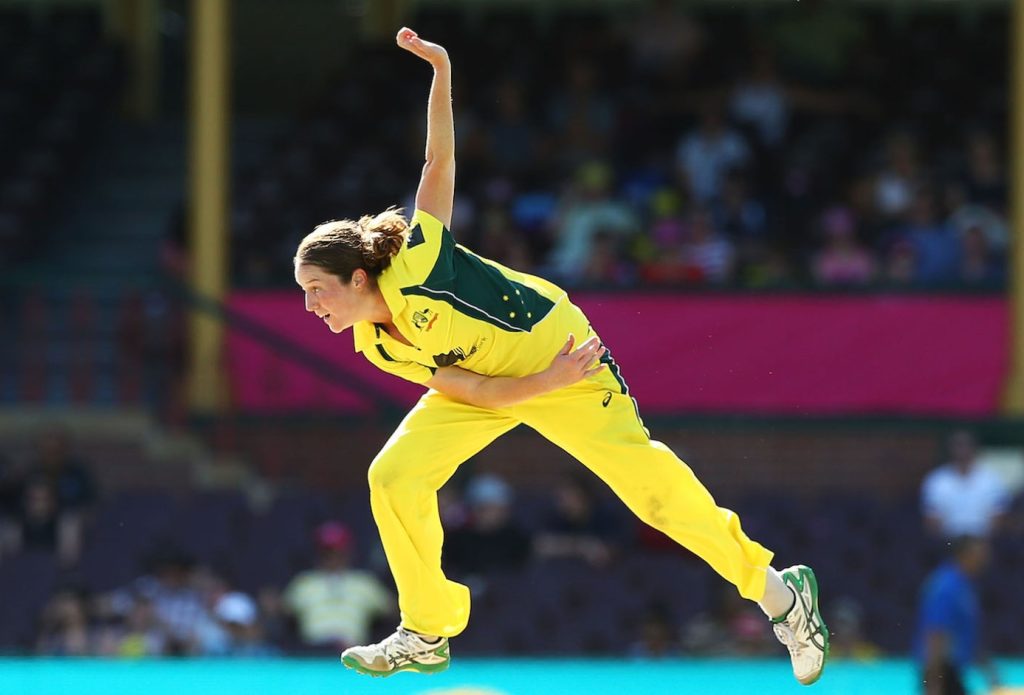
Cricket has always had its legends, and one of the most talked-about aspects of the game is the speed at which the ball is bowled. Fast bowlers from the 1970s and 1980s—such as the likes of Dennis Lillee, Geoff Thomson, and Michael Holding—are still remembered for their extraordinary pace and their ability to bowl at speeds exceeding 150 km/h regularly. Fast forward to today, and while there are still bowlers like Shoaib Akhtar, Brett Lee, and Dale Steyn who can bowl at blistering speeds, it’s often debated whether today’s fast bowlers are as quick as those who played decades ago. So, why aren’t today’s fast bowlers as quick as those from the ’70s and ’80s? There are a variety of factors that contribute to the apparent decline in pace over the years. From changes in training methods and pitch conditions to the evolution of cricketing technology, there are multiple reasons why the fastest bowlers of yesteryear might appear to have an edge over their modern counterparts. In this article, we will explore the key reasons behind the differences in pace between past and present fast bowlers, discussing aspects like advancements in fitness, changes in the game, and the evolving nature of fast bowling. 1. Changes In Training And Fitness One of the major reasons modern fast bowlers might not reach the same speeds as those from the ’70s and ’80s is the evolution of fitness and training regimes. While bowlers in the past were undoubtedly talented, the focus on fitness and conditioning in modern cricket has drastically changed. Fast bowlers today focus more on endurance, recovery, and injury prevention rather than sheer speed alone. Past Training Methods: Lack of Specialized Training: During the ’70s and ’80s, fast bowlers didn’t have the benefit of specialized strength and conditioning programs. The training mostly revolved around cricketing skills and fitness, but modern practices like gym-based strength training or explosive power exercises were not prevalent. Unstructured Conditioning: Bowlers of the past often relied on natural athleticism, playing multiple forms of the game like Test matches, One-Day Internationals, and domestic cricket to keep their fitness up. Modern Training Regimes: Focus on Fitness & Recovery: Today, there is a significant emphasis on fitness regimes, including gym workouts, cardio, and flexibility to help maintain speed and prevent injuries. Modern training is more structured and tailored to the specific needs of fast bowlers. Recovery Practices: The advent of ice baths, physiotherapy, and rest periods has resulted in fast bowlers of today focusing on managing their workload rather than maintaining the same intensity over long periods. Attribute 1970s-80s Fast Bowlers Modern Fast Bowlers Fitness Focus Cricket-based training Strength, conditioning, recovery Training Method Less structured, based on natural ability Gym, sprinting, and advanced techniques Injury Management Limited focus on recovery Dedicated injury management programs 2. Injury Concerns And Reduced Workload Fast bowlers are prone to injuries due to the high-impact nature of their bowling actions. Over the years, the toll on the body has become a significant concern, and modern cricket boards have adapted by managing the workloads of fast bowlers much more carefully. The introduction of injury prevention and rehabilitation techniques has reduced the number of injuries, but it has also meant that fast bowlers are no longer bowling at their maximum capacity in every match. Past Approach to Injuries: Higher Injury Rates: Fast bowlers in the ’70s and ’80s often bowled long spells, sometimes exceeding 20 overs a day, and didn’t have the same support systems to recover from injuries quickly. The aggressive nature of their bowling meant that their careers were often shorter due to repeated injuries. High-Intensity Bowling: Bowlers like Dennis Lillee and Jeff Thomson were known for bowling long spells and for their intense pace, despite their physical limitations and the lack of recovery methods. Modern Approach to Workload: Managed Workload: Today, fast bowlers’ workloads are carefully managed, with specific plans for rest and rehabilitation. This often means that modern fast bowlers are not able to maintain the same level of intensity in each match, as their bodies are preserved for longer careers. Focus on Longevity: Modern bowlers are expected to deliver a long career with sustainable performance, which often means bowling at speeds that are lower than their historical counterparts. Attribute 1970s-80s Fast Bowlers Modern Fast Bowlers Bowling Load High, with long spells Managed load with shorter spells Injury Rate High, frequent injuries Reduced injury rates due to careful management Workload Management Less consideration for rest Strategic workload for longevity 3. Changes In Pitch Conditions And Playing Surfaces Another crucial factor in the perceived decrease in pace is the evolution of pitch conditions. Fast bowlers thrive on pitches that offer pace and bounce, such as those found in Australia and South Africa. However, the pitches in modern cricket, particularly in subcontinental regions, have become much slower and lower, which does not help fast bowlers generate the same level of pace as they did on the pitches of the past. Past Conditions: Pace-Friendly Pitches: During the ’70s and ’80s, pitches in countries like Australia and the West Indies were often faster, offering more bounce and pace for fast bowlers to exploit. These conditions encouraged fast bowlers to bowl at higher speeds, making it easier for them to generate intimidating pace. Ball Quality: Older balls used to stay harder for longer, which allowed bowlers to maintain higher speeds. Over time, the ball quality has changed, and modern balls are softer, making it more difficult for bowlers to maintain velocity over long spells. Modern Conditions: Slower, Low-Bouncing Tracks: The introduction of pitches designed for spin bowling, especially in subcontinent regions, has reduced the opportunities for fast bowlers to bowl at high speeds. Wear and Tear on Balls: Modern cricket balls often wear out faster than in the past, limiting their ability to maintain pace through the latter stages of a spell. Attribute 1970s-80s Conditions Modern Conditions Pitch Speed Fast and bouncy (e.g., Australia, West Indies) Slower, lower, often spinner-friendly (e.g., India, Sri Lanka) Ball Wear Harder