

Why MS Dhoni Was The Most Successful Captain Of The Indian National Cricket Team 2025
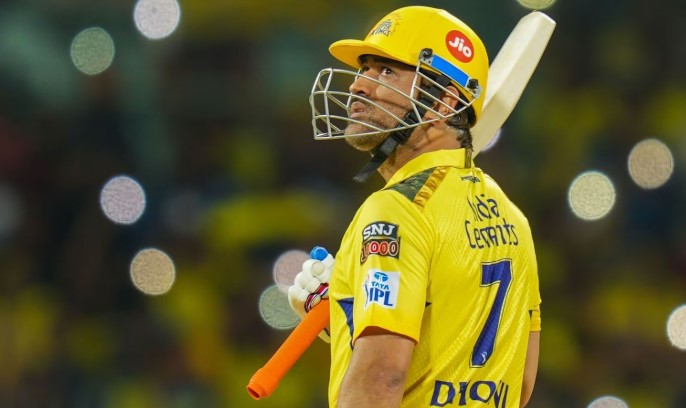
MS Dhoni: Mahendra Singh Dhoni, commonly known as MS Dhoni, is widely regarded as one of the most successful and influential captains in the history of Indian cricket. His leadership, tactical brilliance, calm demeanor under pressure, and ability to inspire his players have made him a legend of the game. As the captain of the Indian national cricket team, MS Dhoni took India to numerous historic milestones, establishing himself as the most successful and revered captain in Indian cricket history. In this article, we will explore why MS Dhoni became the most successful captain of the Indian national cricket team. From his leadership qualities to his accomplishments on the field, we will analyze the factors that made Dhoni the unparalleled captain he is remembered as today. The Birth Of A New Era MS Dhoni became the captain of the Indian cricket team in 2007, following the surprise resignation of Rahul Dravid after India’s early exit from the 2007 ICC Cricket World Cup. While Dhoni was already an established player, his appointment as the captain was a bold choice by the Board of Control for Cricket in India (BCCI). Few could have predicted the monumental success that would follow under his leadership. Initially seen as an underdog, Dhoni quickly transformed the Indian team into a force to be reckoned with. His calmness, quick decision-making, and unconventional leadership approach set him apart from other captains of his time. Key Factors Behind MS Dhoni’s Success As A Captain Several factors contributed to MS Dhoni’s success as a captain. His unique blend of qualities helped him lead the team to great heights. Let’s take a closer look at some of these attributes: 1. Tactical Genius And Decision-Making One of the most defining aspects of Dhoni’s captaincy was his tactical brilliance. His decision-making on the field, whether it was in setting the field, choosing bowlers, or making mid-match adjustments, was often spot on. MS Dhoni had an innate ability to read the game and make the right calls at crucial moments. His handling of key players, including rotating bowlers, setting aggressive field placements, and managing match situations, showcased his deep understanding of the game. The famous example of his tactical acumen came during the 2011 ICC Cricket World Cup, where he promoted himself up the batting order in the final, ahead of established batsmen like Yuvraj Singh and Suresh Raina. This brave decision paid off as Dhoni led India to victory with an iconic match-winning knock of 91* runs. Tactical Decision Event Outcome Promoting himself to number 5 in the final 2011 ICC World Cup Final Dhoni’s knock guided India to a historic World Cup win Bowling Ishant Sharma in the 2007 T20 WC Final ICC 2007 T20 World Cup Final Ishant’s successful over helped India win the inaugural World Cup 2. Ability To Stay Calm Under Pressure Perhaps the most significant quality of MS Dhoni as a captain was his ability to remain calm under pressure. Whether in tight situations during a match or handling media scrutiny, Dhoni always maintained his composure. His ability to think clearly and make decisions during high-pressure moments helped India win several close games and tournaments. His calmness in the 2007 T20 World Cup final against Pakistan is one of the prime examples of his leadership. Despite the pressure of defending a small total in a tense final, Dhoni’s composed demeanor and sharp tactical thinking guided India to victory. 3. Trust In Players And Backing Young Talent MS Dhoni had an exceptional ability to back his players, particularly young talent. He was never afraid to give youngsters a chance in the playing XI, and his faith in their abilities allowed many players to flourish. For example, Dhoni was instrumental in the rise of players like Suresh Raina, Ravindra Jadeja, and Shikhar Dhawan. By backing these players, Dhoni not only gave them confidence but also created a team dynamic that encouraged growth and team cohesion. His leadership style wasn’t about controlling every aspect of the game; it was about letting players take responsibility and backing them when needed. Young Talent Backed by Dhoni Contribution to Indian Cricket Team Suresh Raina Key player in middle-order, excelled in all formats Ravindra Jadeja Developed into one of India’s leading all-rounders Shikhar Dhawan Became India’s leading opening batsman in limited overs 4. Understanding Of Pressure Situations Dhoni’s personal experience as a player in pressure-filled situations helped him lead the Indian team with maturity. As a wicketkeeper-batsman, he had been involved in many tense situations throughout his career, and this gave him a deep understanding of what players go through during crucial moments. His ability to guide his team through high-pressure games, whether in the Indian Premier League (IPL) or international cricket, made him stand out. His role in India’s 2007 T20 World Cup win, 2011 World Cup victory, and the 2013 Champions Trophy win showed his ability to lead his team to triumph in tournaments where pressure often overwhelmed other teams. 5. Innovative Captaincy And Risk-Taking One of Dhoni’s most unique qualities as a captain was his willingness to take risks. He wasn’t afraid to make bold decisions, whether it was promoting himself in the batting order or choosing an unconventional strategy. Dhoni’s aggressive approach in certain situations often yielded great results for the team. For instance, in the 2013 ICC Champions Trophy final against England, Dhoni’s decision to bowl Ravindra Jadeja in the final overs, despite his less prominent role, turned out to be a match-winning move. This kind of risk-taking ability set him apart from other captains who preferred a more conservative approach. 6. Success In Multiple Formats MS Dhoni’s success was not limited to one format of the game. He led India to victories in all three major formats: Test cricket, One-Day Internationals (ODIs), and T20s. Under his leadership, India became the number one team in Test cricket for the first time in 2009, a significant achievement in Indian cricket. India also became the first team to hold all three